5 threats that make a Mars mission fatal for humans, according to NASA

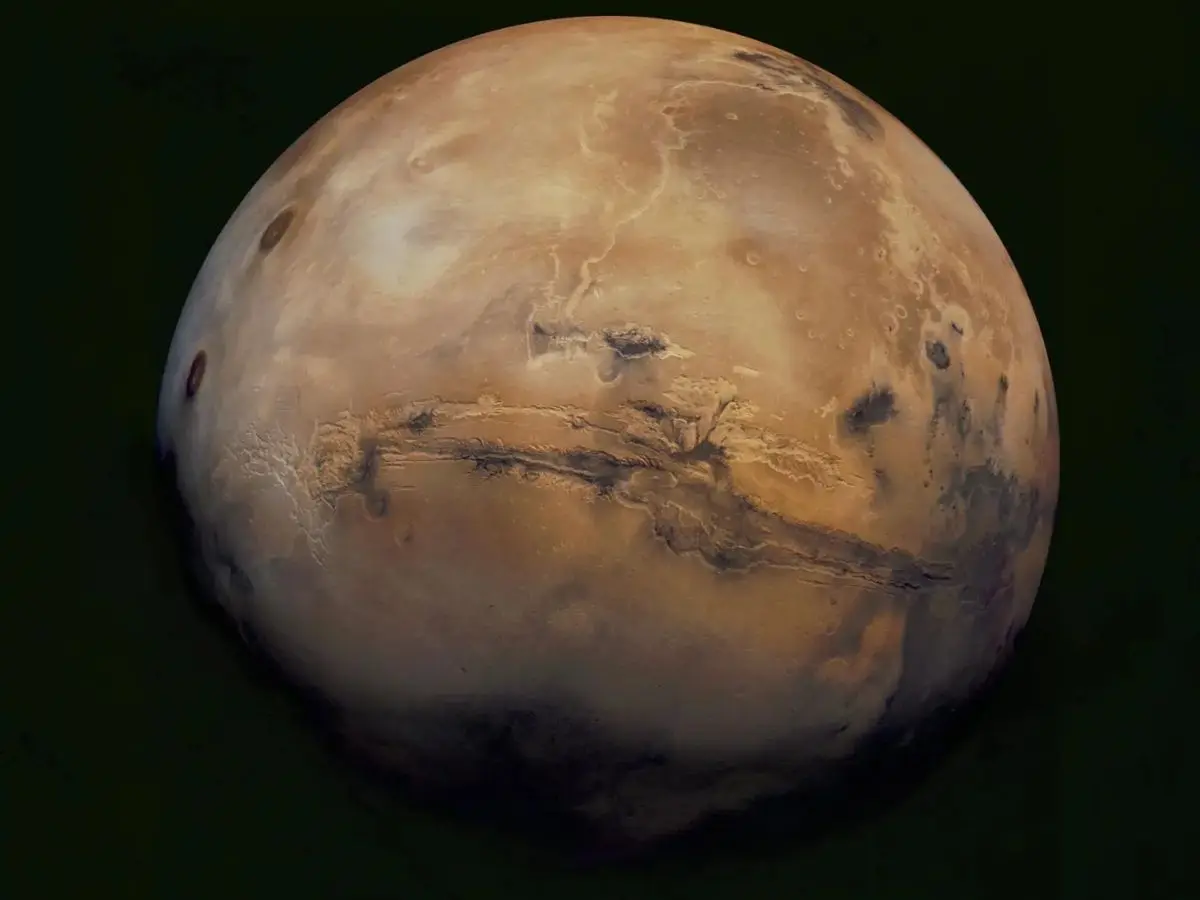
Mars’ gravity is only about 38 per cent of Earth’s. Extended exposure to reduced gravity causes muscle atrophy, bone density loss, and cardiovascular weakening, all of which pose risks to astronauts’ long-term health.
Introduction
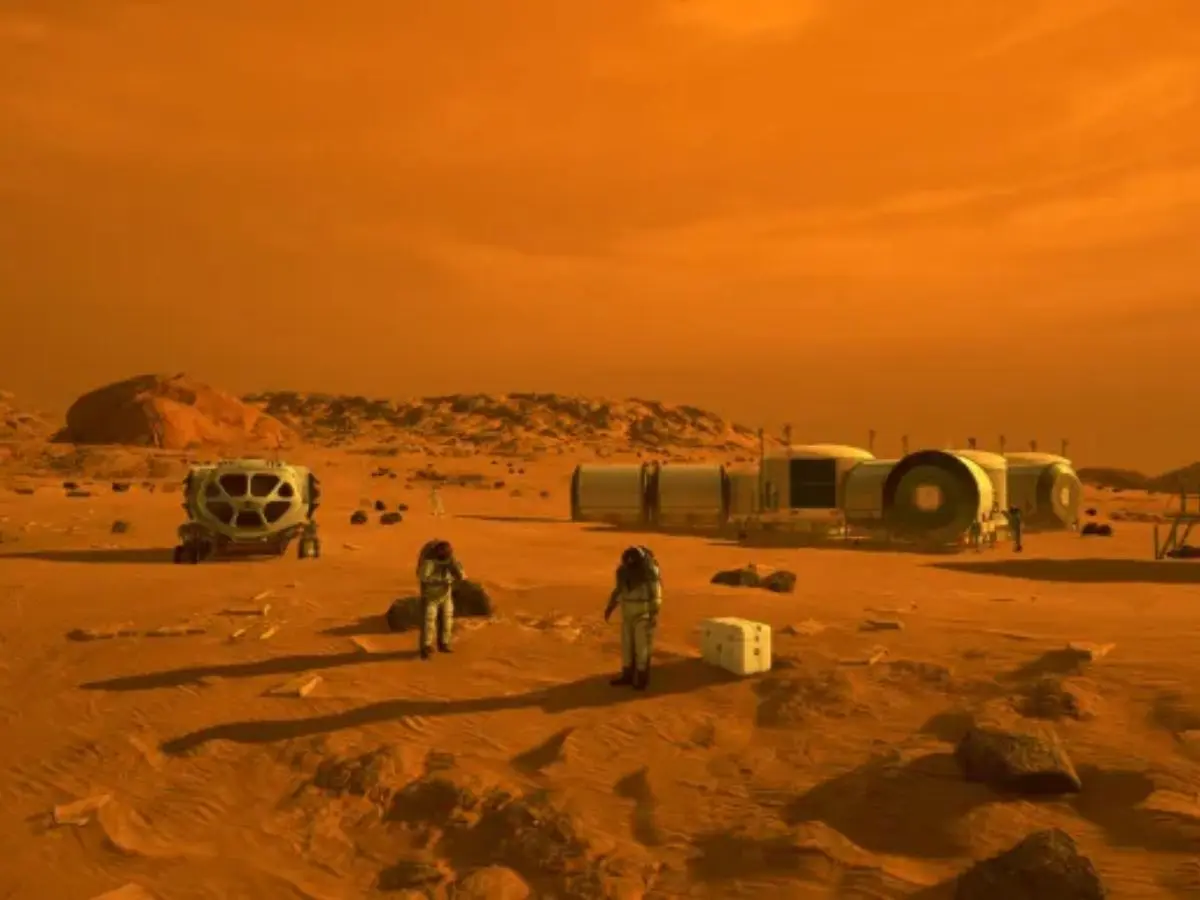
For decades, the idea of sending humans to Mars has captured scientific and public imagination alike. Yet despite advances in spacecraft, robotics, and deep-space exploration, NASA repeatedly emphasises that the risks of a crewed Mars mission are unlike anything attempted before. Recent efforts such as the CHAPEA simulation, a year-long Mars mission analog starting in October 2025, designed to study human health, performance, resource limits, and isolation on Earth at NASA’s Johnson Space Center, highlighted how serious these challenges are. Beyond the technical hurdles, astronauts would face profound biological, psychological, and environmental threats that must be solved before a safe mission can take place.
Radiation Exposure
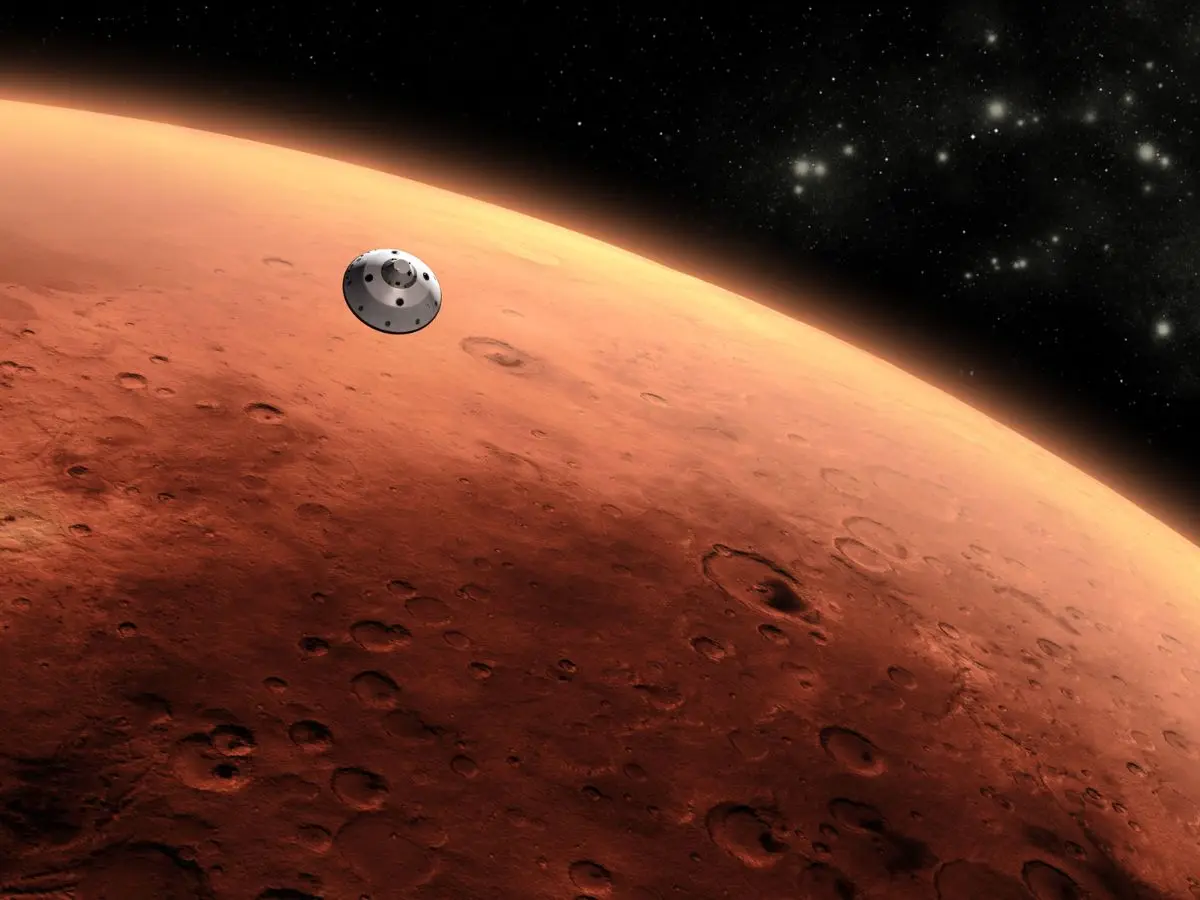
One of the most serious hazards is radiation from cosmic rays and solar particles. Unlike Earth, which is shielded by a thick atmosphere and a magnetic field, space offers little protection. Astronauts travelling to Mars would be exposed to radiation levels hundreds of times higher than on Earth. According to NASA, long-term exposure can increase the risk of cancer, damage the nervous system, and affect cognitive performance. Shielding solutions are being tested, but no definitive protection currently exists for a journey that could last two to three years.
Effects of Low Gravity
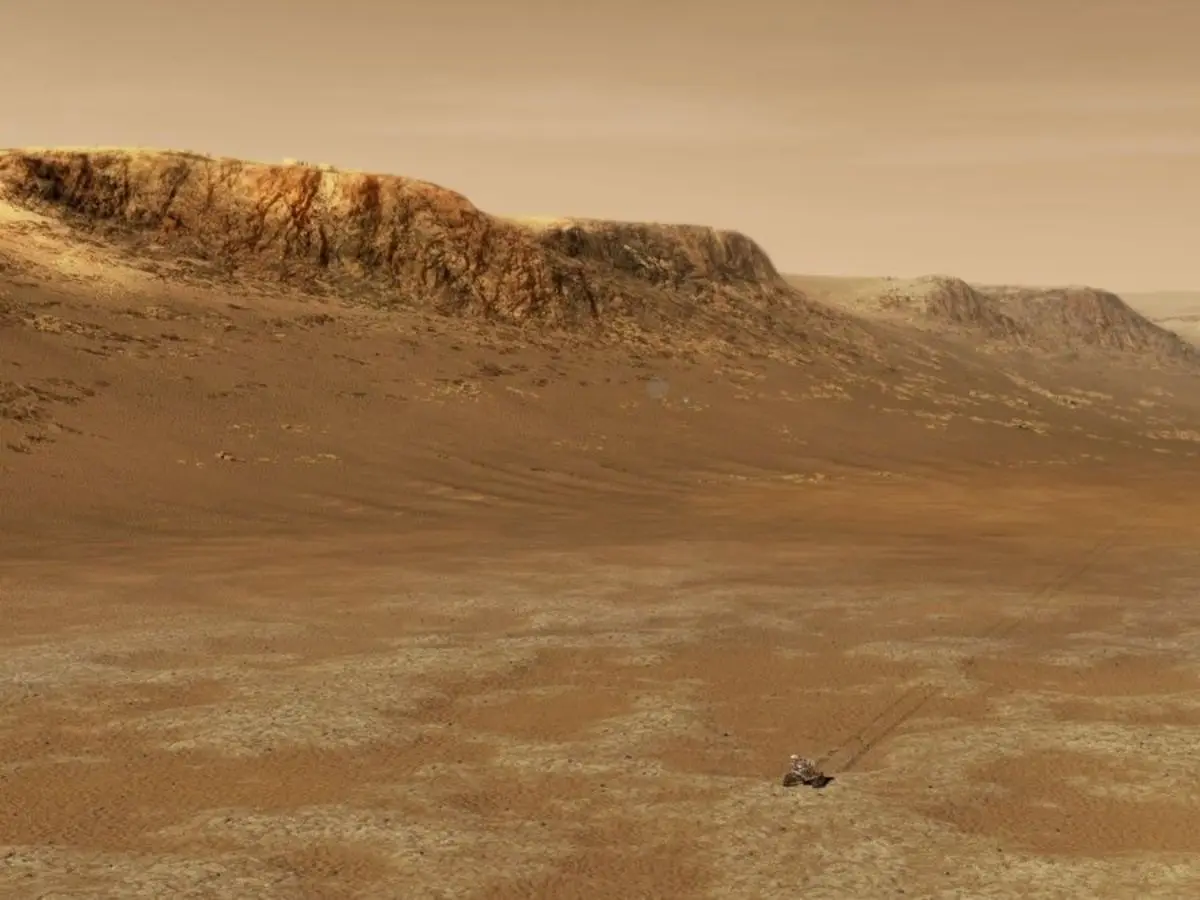
Mars’ gravity is only about 38 per cent of Earth’s. Extended exposure to reduced gravity causes muscle atrophy, bone density loss, and cardiovascular weakening, all of which pose risks to astronauts’ long-term health. NASA’s studies on the International Space Station, where astronauts experience microgravity, have shown significant changes in bone strength and vision. While exercise and nutrition can slow these effects, the partial gravity of Mars may still cause irreversible impacts on human physiology.
Isolation and Mental Health
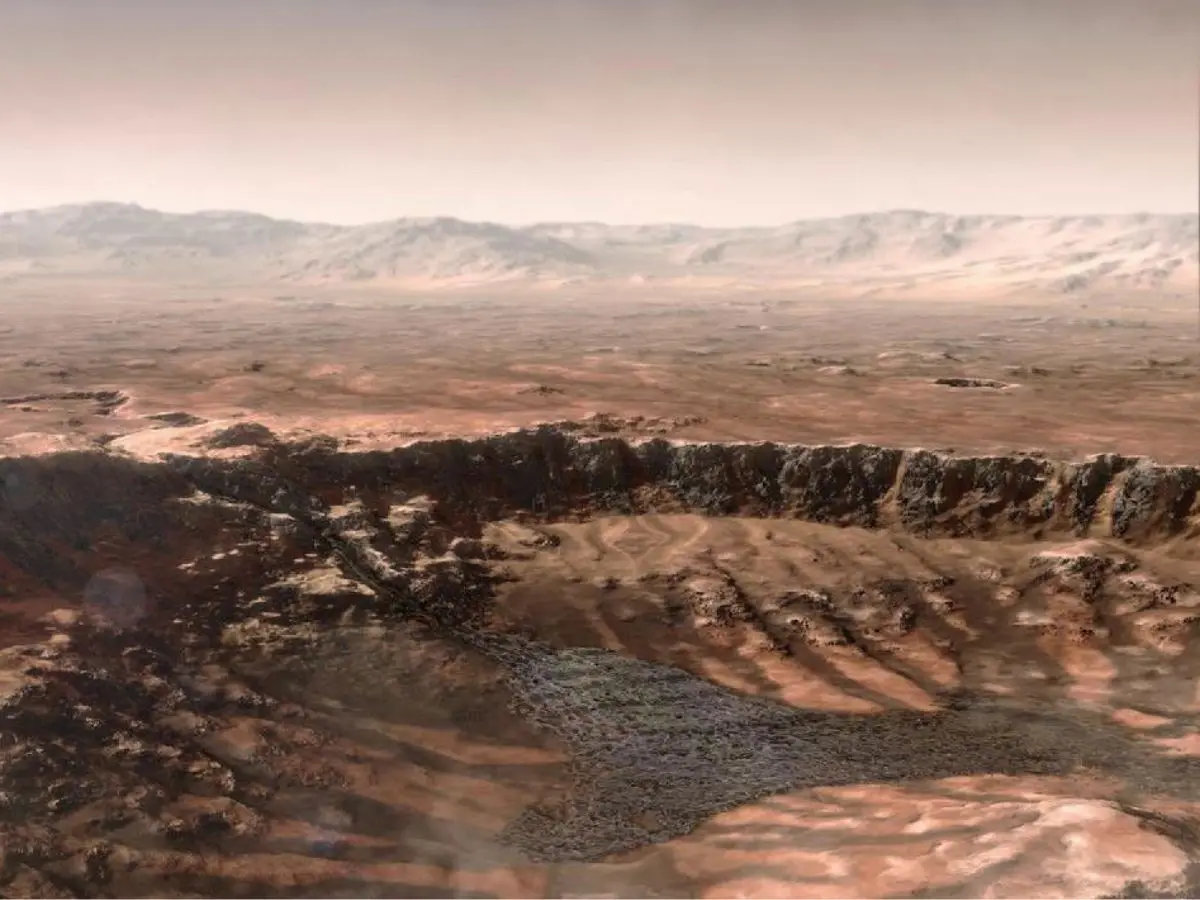
A mission to Mars would involve extreme isolation. Communication with Earth would be delayed by up to 22 minutes one way, removing the possibility of real-time contact. Astronauts would be confined with the same small crew for months at a time in a hostile environment. NASA research warns that such conditions increase the risk of sleep disruption, depression, and reduced cognitive performance, all of which could jeopardise mission safety.
Life Support and Resources
Unlike the Moon, which is only days away, Mars is months from Earth. Resupply missions would not be feasible during the journey. NASA notes that all water, oxygen, and food must either be transported or produced on Mars. This requires reliable life support systems that can recycle air and water for years at a time without failure. Experiments on regenerative systems have advanced, but scaling them for a multi-year mission remains a significant engineering challenge.
Entry, Descent, and Landing
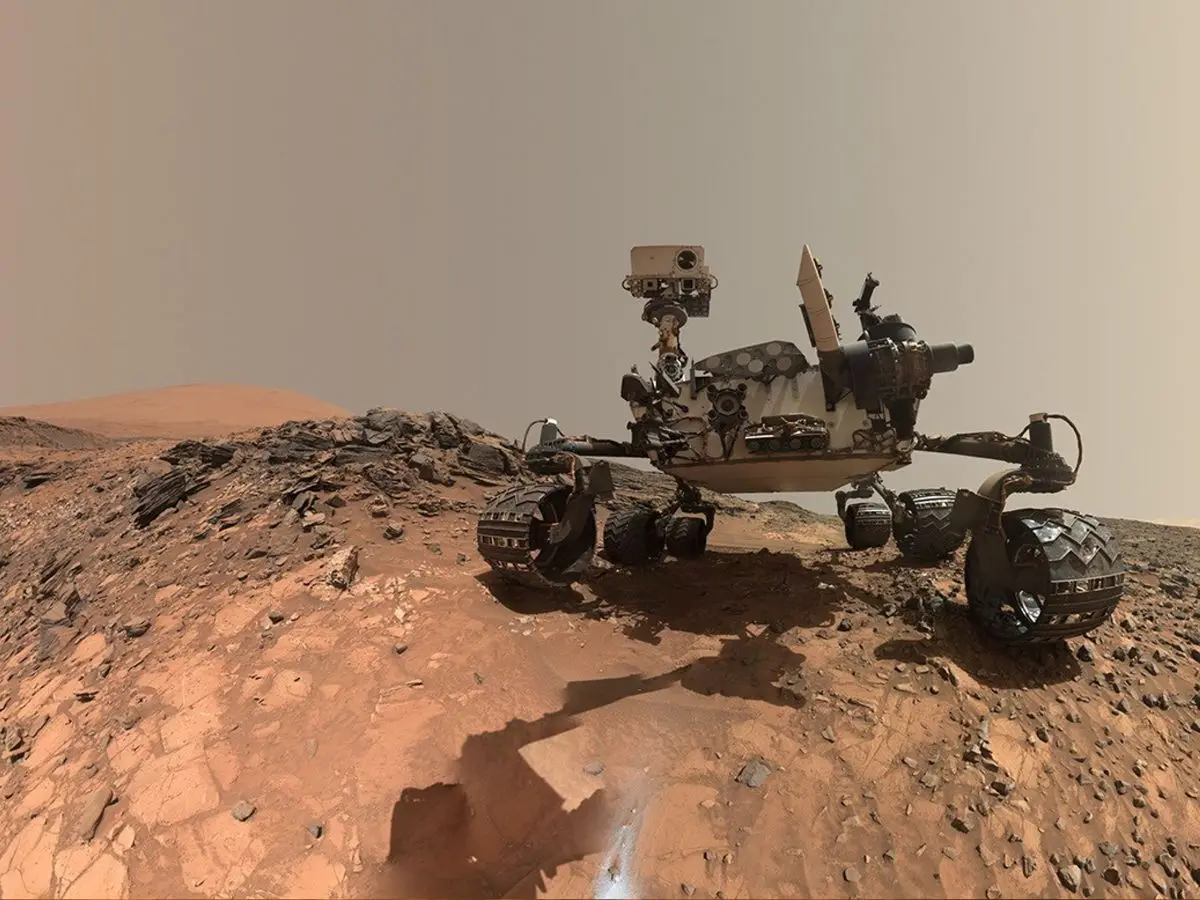
Reaching Mars is only half the battle. Landing safely is one of the most technically complex challenges. Mars’ thin atmosphere is not dense enough to slow spacecraft as effectively as Earth’s, but it is thick enough to generate extreme heat during entry. NASA’s robotic missions, including the Curiosity rover and Perseverance, have demonstrated landing systems, but scaling these up for heavy, crewed spacecraft requires new technologies that do not yet exist.
Preparing for the Future
NASA’s Human Research Program continues to study these five major risks through Earth-based simulations and experiments on the International Space Station. While the dream of stepping on Mars remains alive, it is clear that the first astronauts will face dangers unlike any experienced before.
)
)
)
)
)