5 technologies that will power the next generation of space habitats

As humans prepare to live longer in space, new technologies will make space habitats safer, more comfortable, and more efficient. Here are five key technologies shaping the future of living beyond Earth.

Advanced Life Support Systems
New life support systems recycle up to 98 per cent of water and oxygen. These closed-loop systems clean air, purify water, and manage waste, reducing the need for supplies from Earth and allowing crews to survive longer in space.
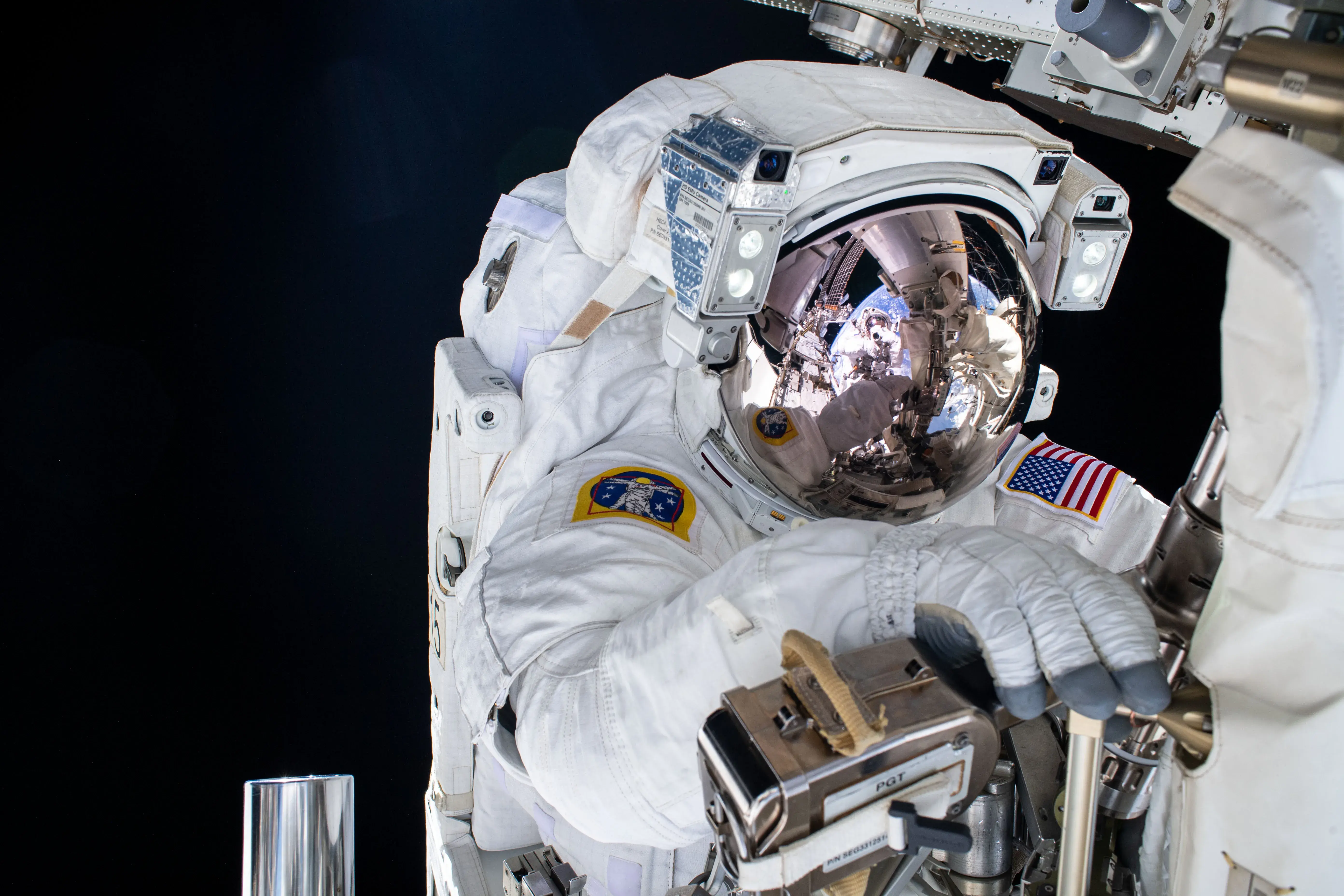
Smart, Flexible Spacesuits (BioSuit)
Next-generation spacesuits like MIT’s BioSuit use elastic materials to apply pressure, making suits lighter and more flexible than traditional models. They include sensors to monitor astronaut health and environmental conditions, improving safety and movement.
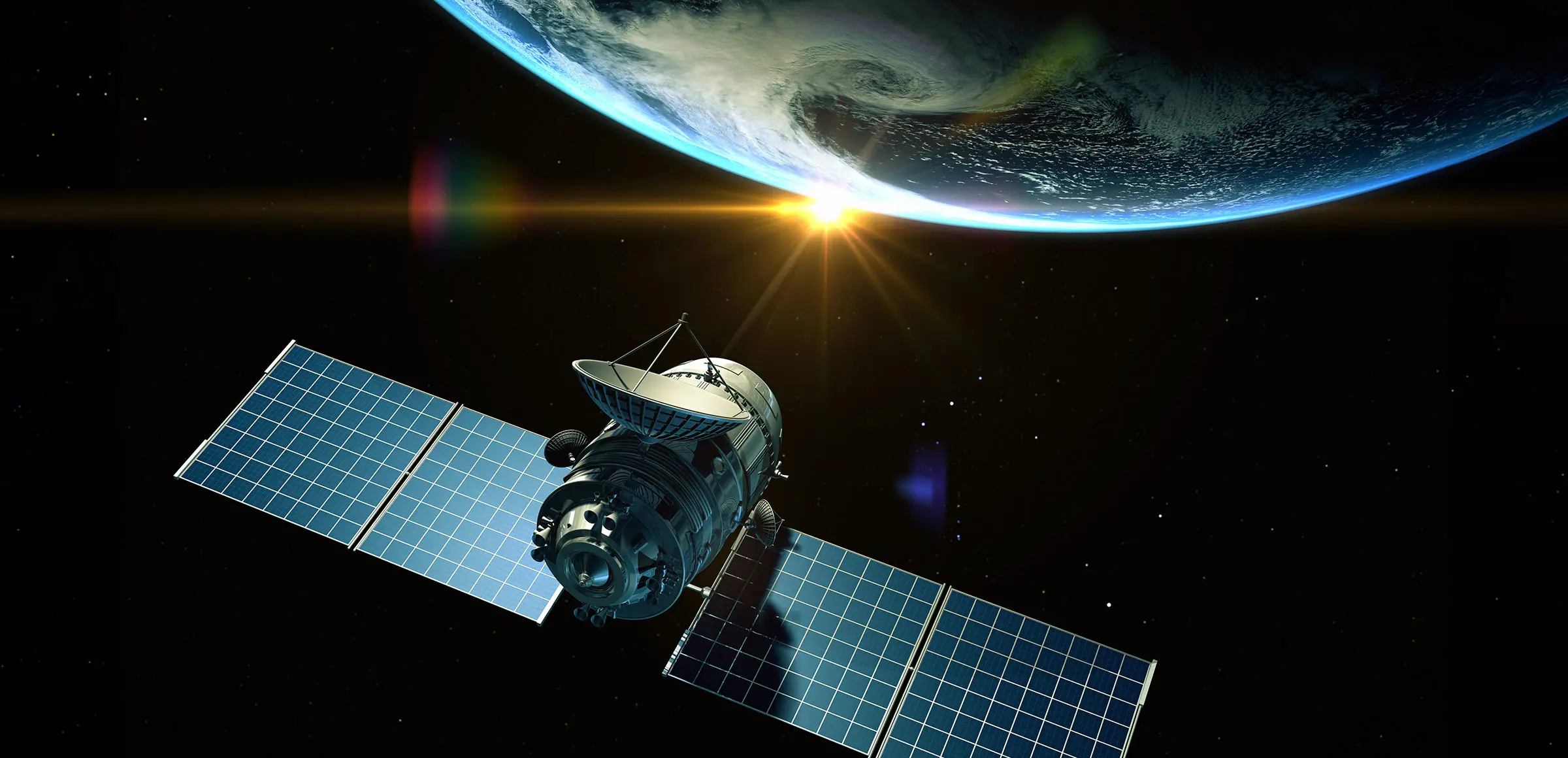
Space-Based Solar Power (SBSP)
Solar power satellites in orbit will collect sunlight 24/7 and beam energy to Earth using microwaves or lasers. This technology offers clean, constant energy without weather or day-night cycles, helping power habitats and Earth’s grids.
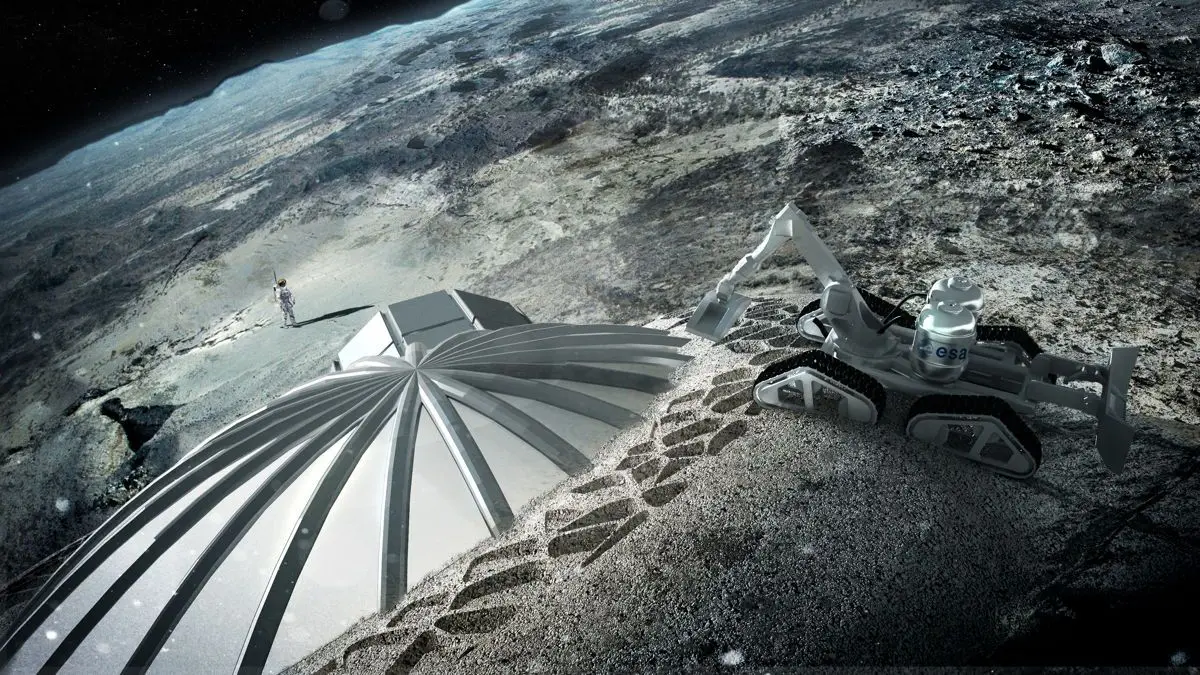
Autonomous Construction and Smart Materials
Robots will 3D print habitats using local space materials like lunar dust. Smart materials can self-repair, change shape or colour with temperature, and shield occupants from radiation, making habitats stronger and safer over time.
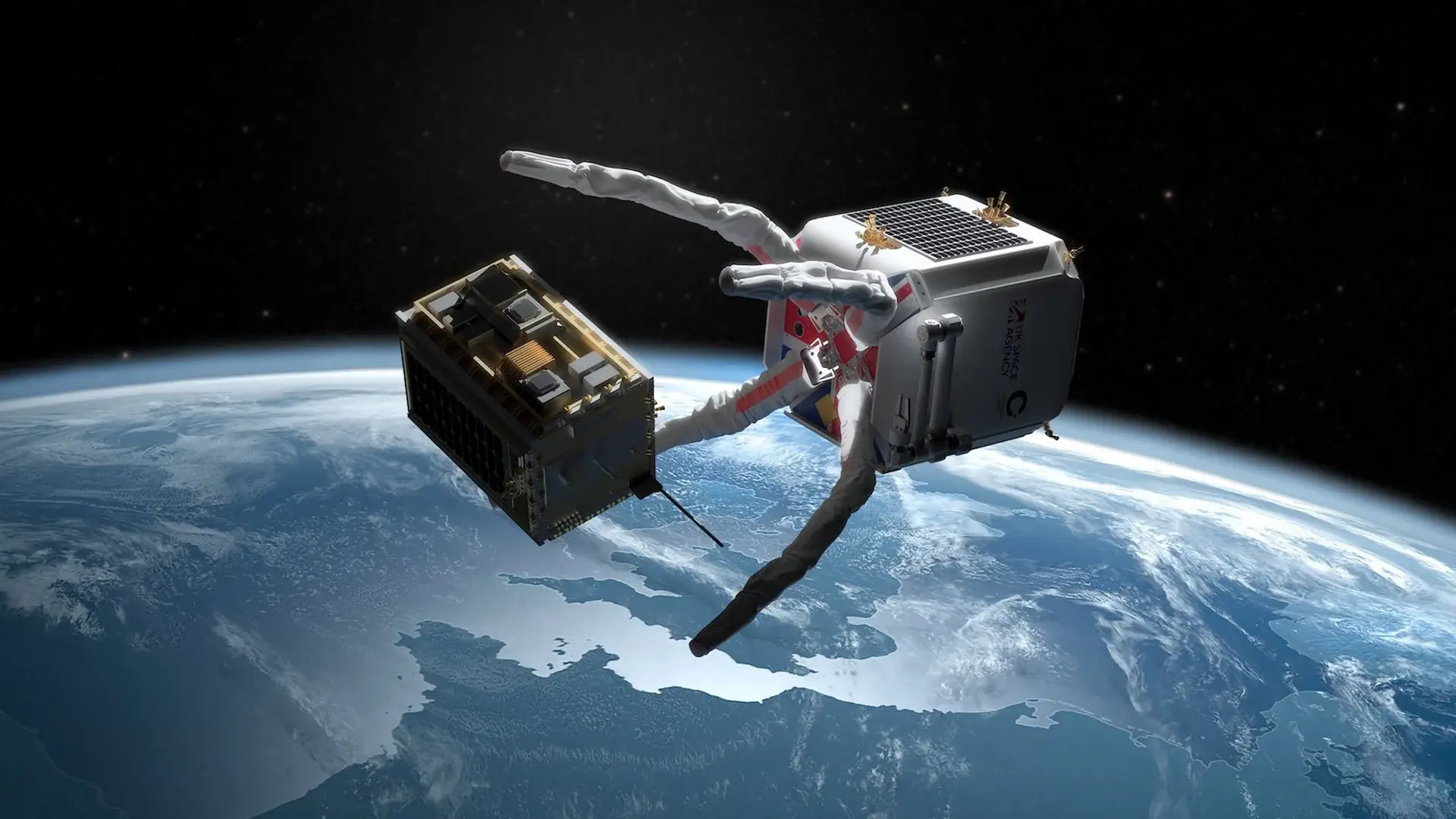
Space Debris Removal
Systems using robotic arms, lasers, and smart navigation will remove space junk that threatens satellites and habitats. Keeping orbit clean in the coming decades is vital for sustainable space living and exploration safety.
)
)
)
)
)