5 shocking near-death encounters of Voyager 2 you didn’t know about!

At multiple points, the spacecraft came dangerously close to failure, where a single malfunction could have ended its decades-long odyssey.
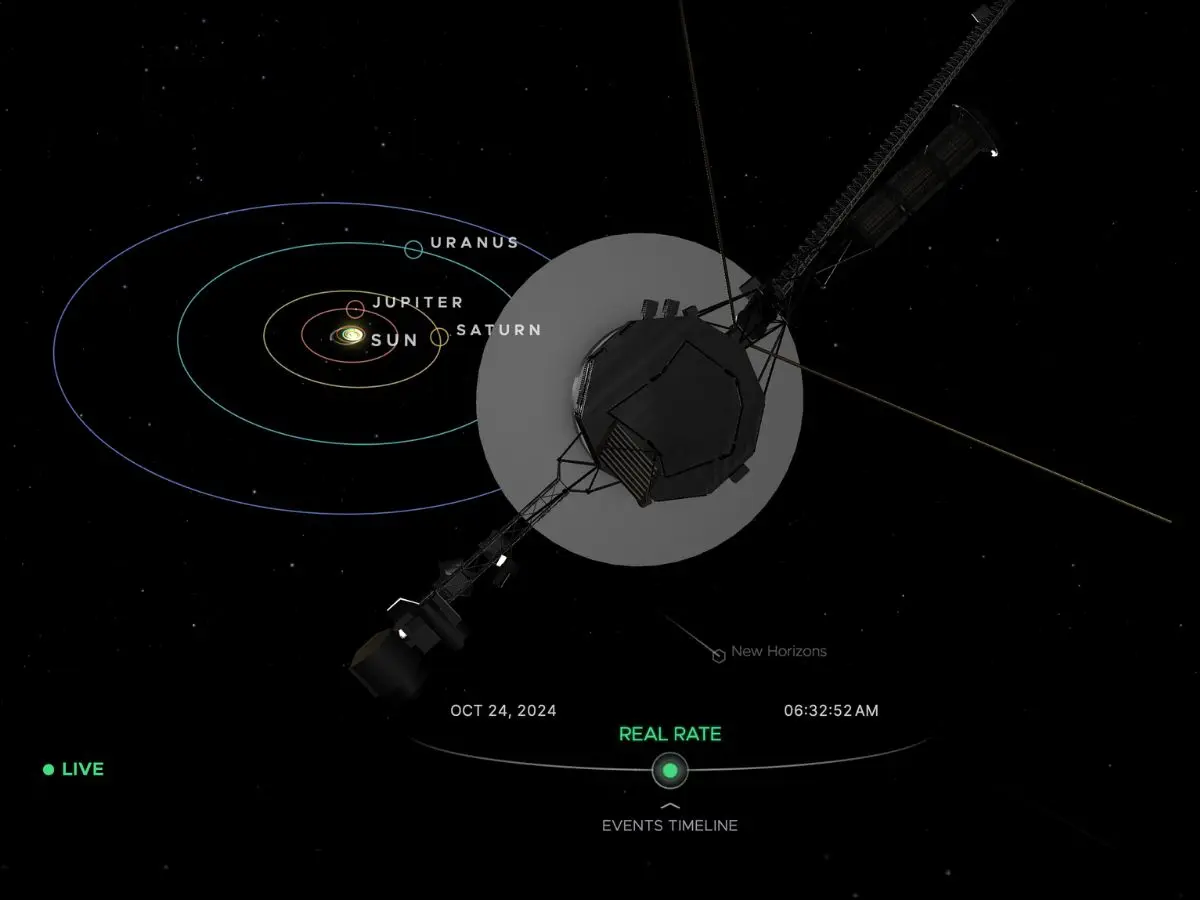
A Mission on the Edge of the Unknown
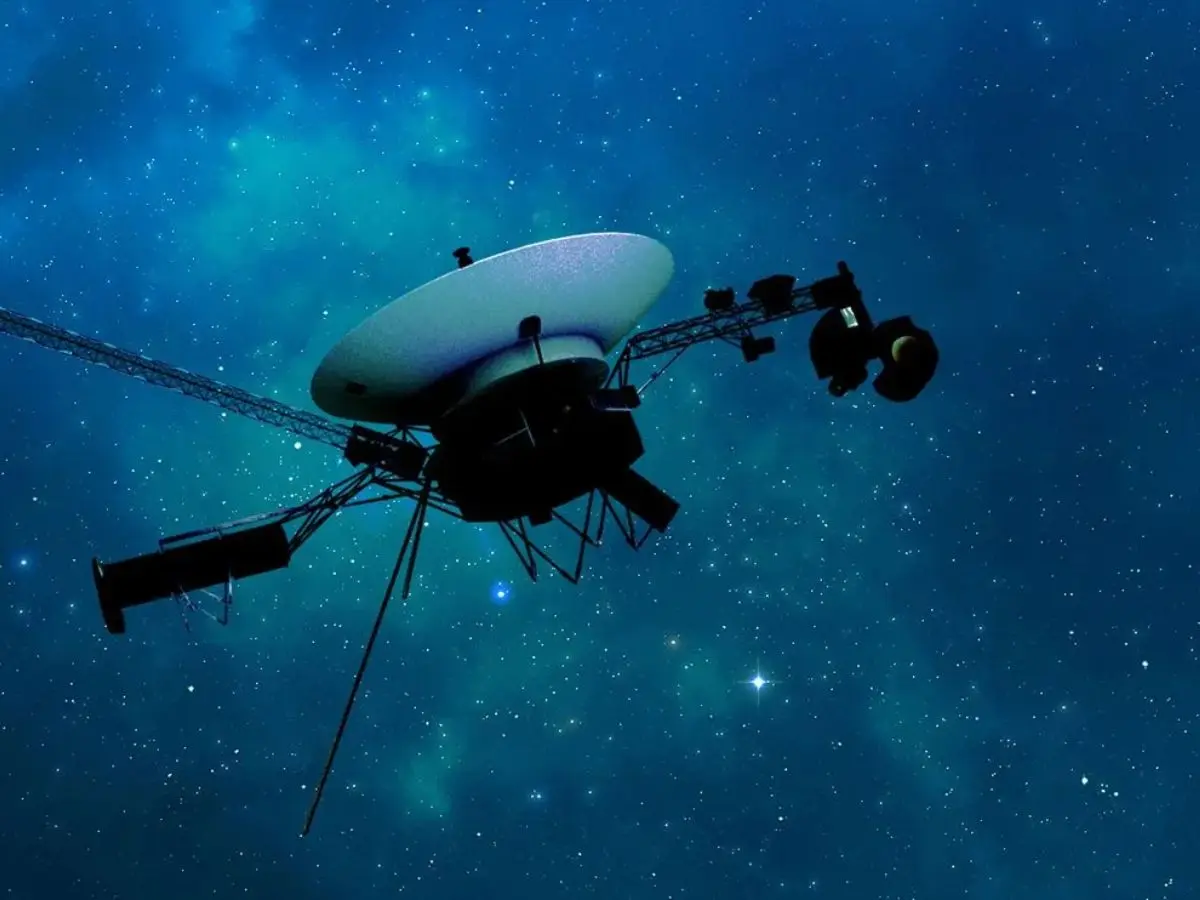
Voyager 2, launched by NASA on August 20, 1977, was designed to explore the outer planets and ultimately venture into interstellar space. Its journey, spanning nearly five decades, has delivered invaluable data from Jupiter, Saturn, Uranus, Neptune, and beyond. Yet the mission has not been without peril. At multiple points, the spacecraft came dangerously close to failure, where a single malfunction could have ended its decades-long odyssey. These incidents highlight the fragility of deep-space missions and the ingenuity required to preserve them.
Launch Sequence Glitch
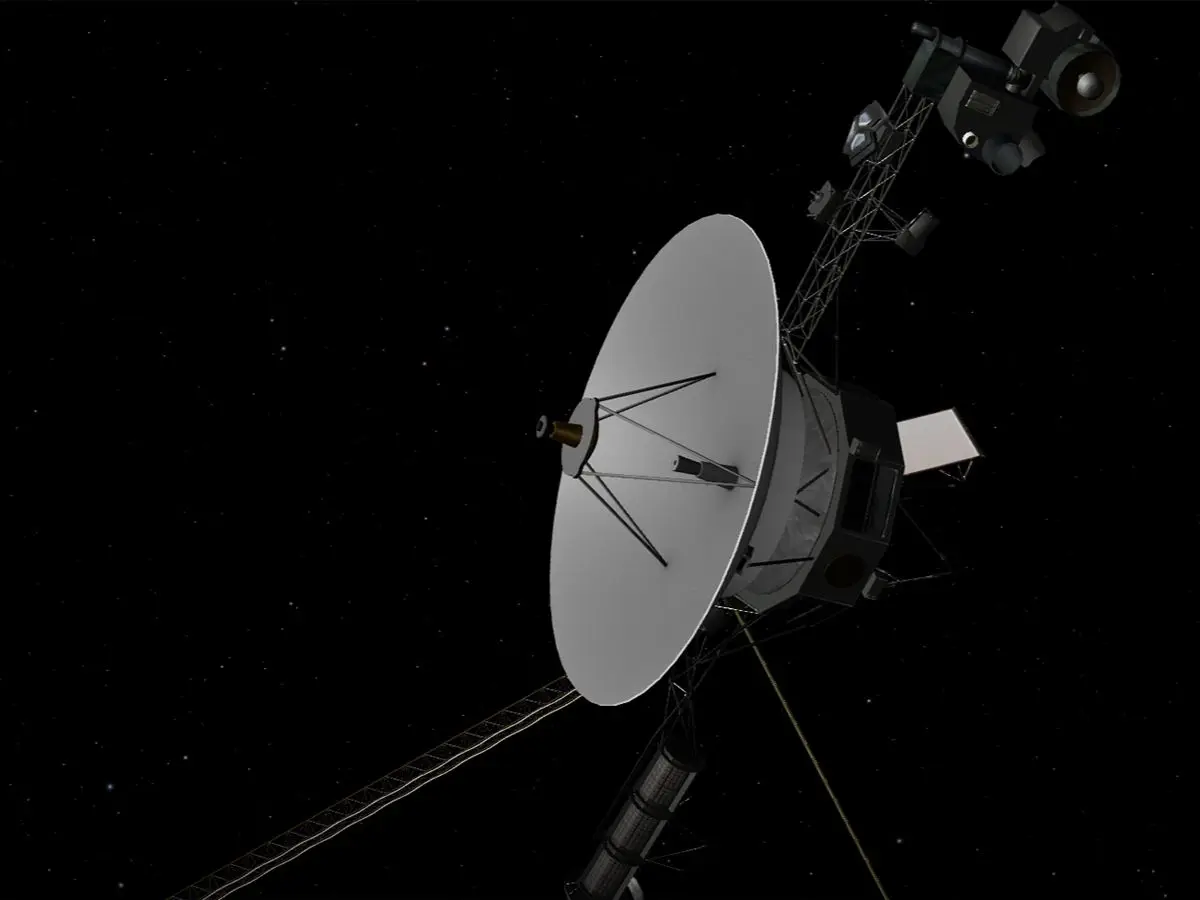
Even before Voyager 2 left Earth, its launch carried risk. During the Titan IIIE-Centaur rocket ascent, the spacecraft experienced unexpected rolling and pitching, which briefly triggered alarms in its onboard computers. The rocket’s final stage separation occurred faster than planned, causing the primary attitude control system to report a failure. Fortunately, the automatic switch to the backup system functioned perfectly, allowing the spacecraft to continue its journey to the outer planets.
Antenna Misalignment in 2023
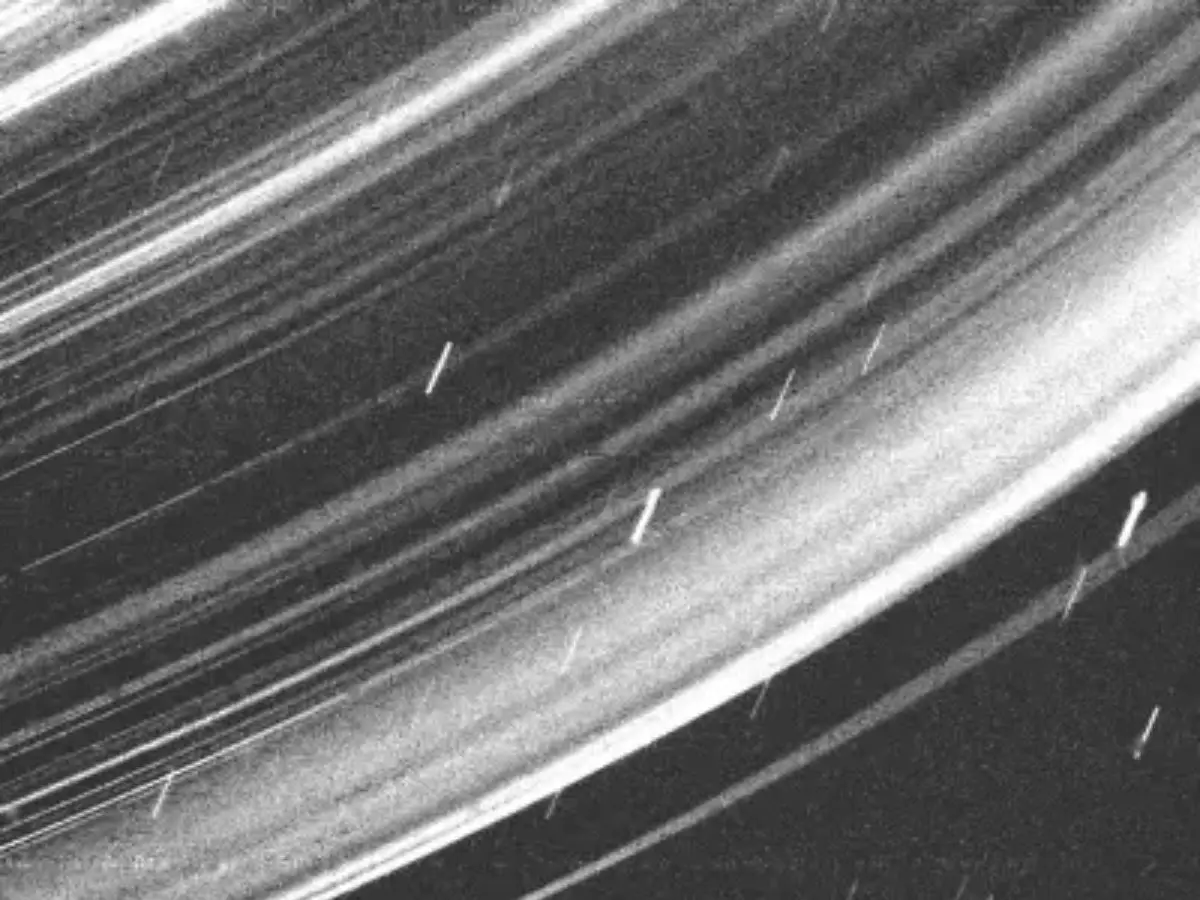
Decades later, in July 2023, Voyager 2 faced another critical moment. A series of commands inadvertently misaligned its antenna by approximately two degrees, temporarily cutting off communications with Earth. Without corrective action, the spacecraft could have remained silent, potentially ending its scientific mission prematurely. NASA engineers successfully restored alignment, highlighting the challenges of managing instruments billions of kilometres away.

Spin Maneuver Failure
On January 25, 2022, Voyager 2 failed to execute a planned spin manoeuvre. This left two onboard systems powered longer than intended, consuming excessive energy and forcing an automatic shutdown of its science instruments. Engineers on Earth intervened, restoring operations and ensuring continued data collection from interstellar space.
Power Depletion and Instrument Shutdowns
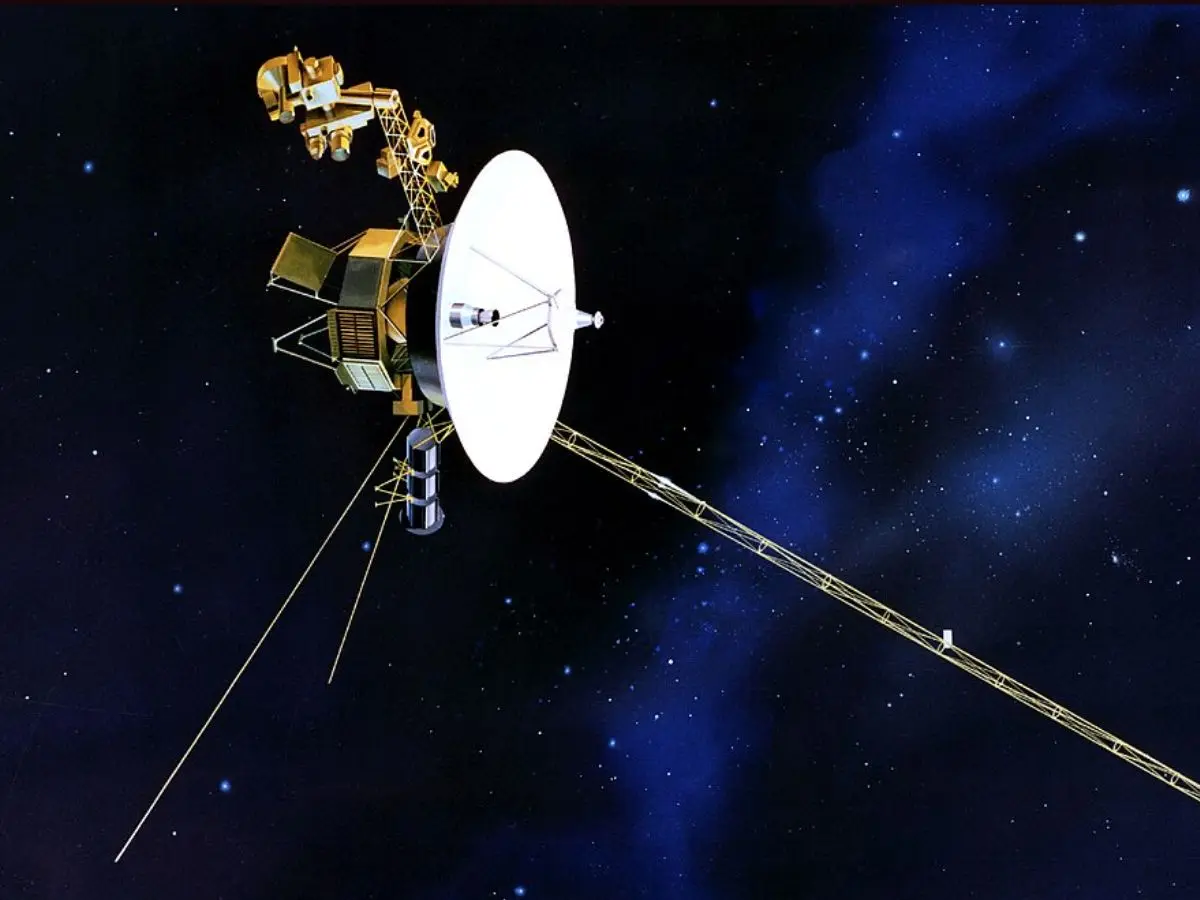
Voyager 2’s radioisotope thermoelectric generator gradually loses power, requiring careful management. In 2024, the plasma science instrument was switched off to conserve energy. Despite shutting down non-essential systems, Voyager 2 continues to operate several instruments, providing unprecedented information from beyond the heliosphere.
Saturn Scan Platform Malfunction
During the flyby of Saturn in 1981, the spacecraft’s scan platform experienced a seized azimuth actuator, causing partial data loss. Ground controllers successfully restored functionality, allowing Voyager 2 to continue its planetary survey and proceed toward Uranus and Neptune.

Enduring Legacy of Survival
These close calls illustrate both the vulnerability and resilience of Voyager 2. From launch anomalies to power shortages and instrument failures, the mission has survived challenges that could have ended it at any point.
)
)
)
)
)