5 reasons why 3I/ATLAS differs from the first interstellar comet 2I/Borisov

The comet's coma, a cloud of gas and dust, is composed of carbon dioxide, water vapour, carbon monoxide, and carbonyl sulfide. Notably, it emits atomic nickel vapour and cyanide gas, a first for interstellar comets.
Introduction: A New Interstellar Visitor
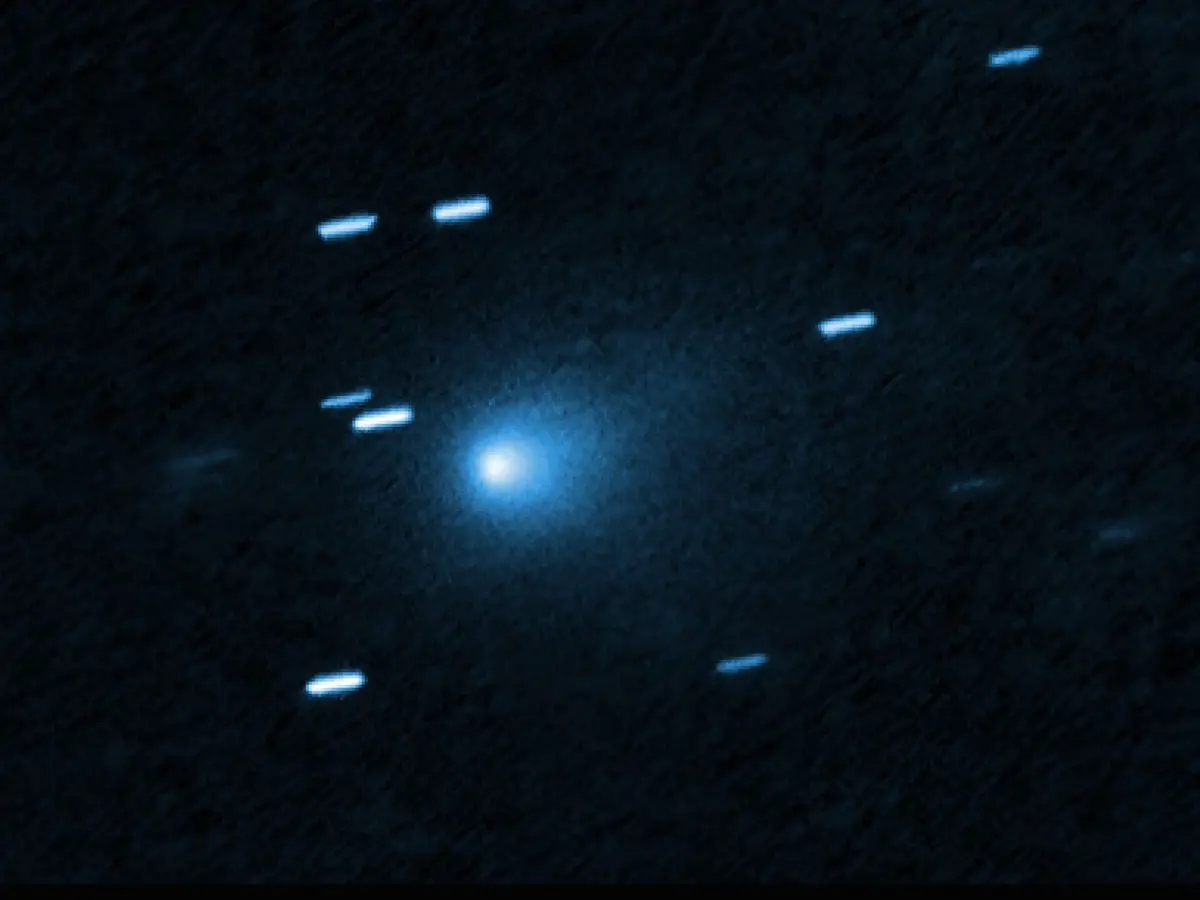
In July 2025, astronomers discovered 3I/ATLAS, the third confirmed interstellar object to enter our solar system, following 1I/ʻOumuamua in 2017 and 2I/Borisov in 2019. Unlike its predecessors, 3I/ATLAS has provided scientists with unprecedented insights into the composition and behavior of interstellar comets.
Size and Structure
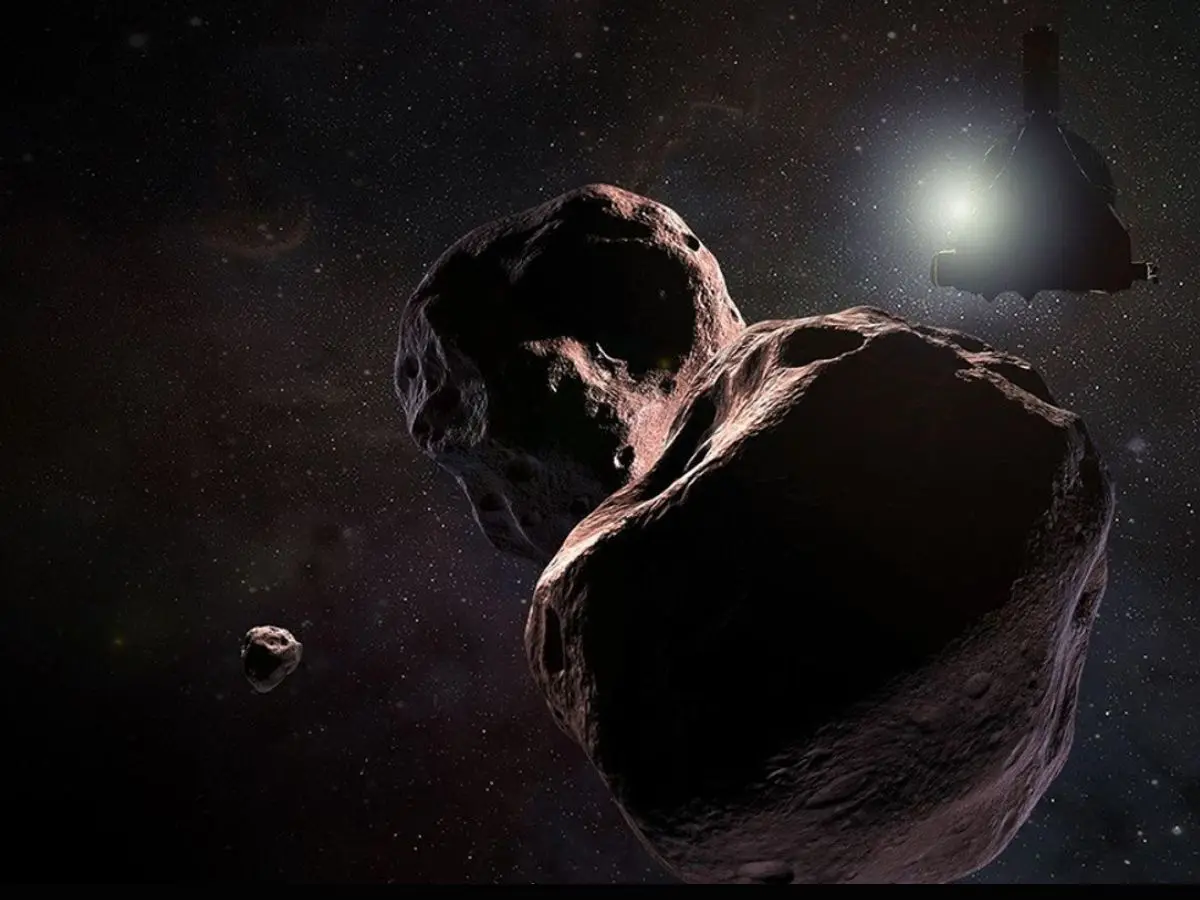
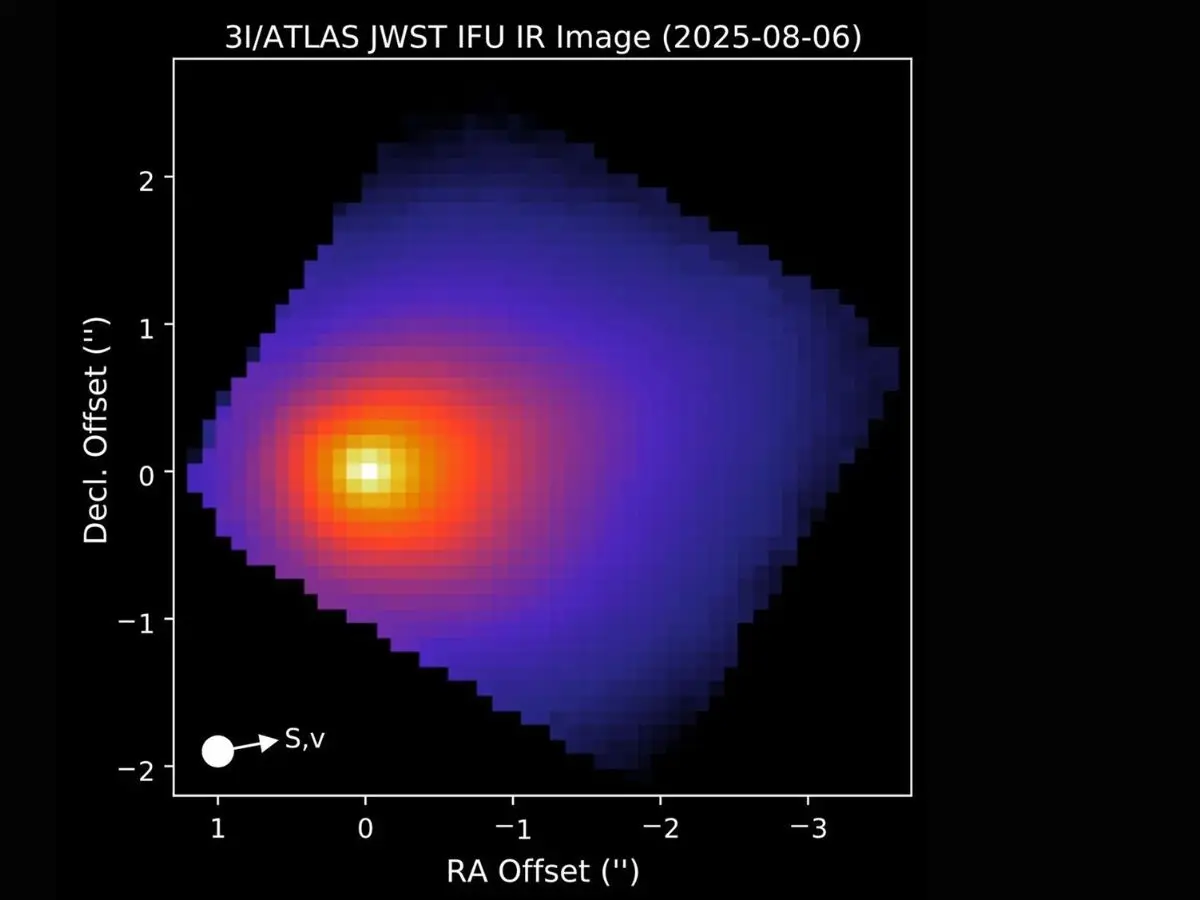
3I/ATLAS: Initial observations suggest a nucleus size ranging from 0.32 to 5.6 kilometers, with a most likely diameter under 1 kilometer. The comet's coma, a cloud of gas and dust, is composed of carbon dioxide, water vapour, carbon monoxide, and carbonyl sulfide. Notably, it emits atomic nickel vapour and cyanide gas, a first for interstellar comets.
2I/Borisov: Borisov was the first interstellar comet. Estimated nucleus size between 0.4 and 0.5 kilometers. Its coma contains water vapour, carbon monoxide, and other typical cometary compounds. A significant discovery was the detection of atomic nickel vapour in its coma, observed at a distance of 2.322 AU from the Sun.
Origin and Trajectory
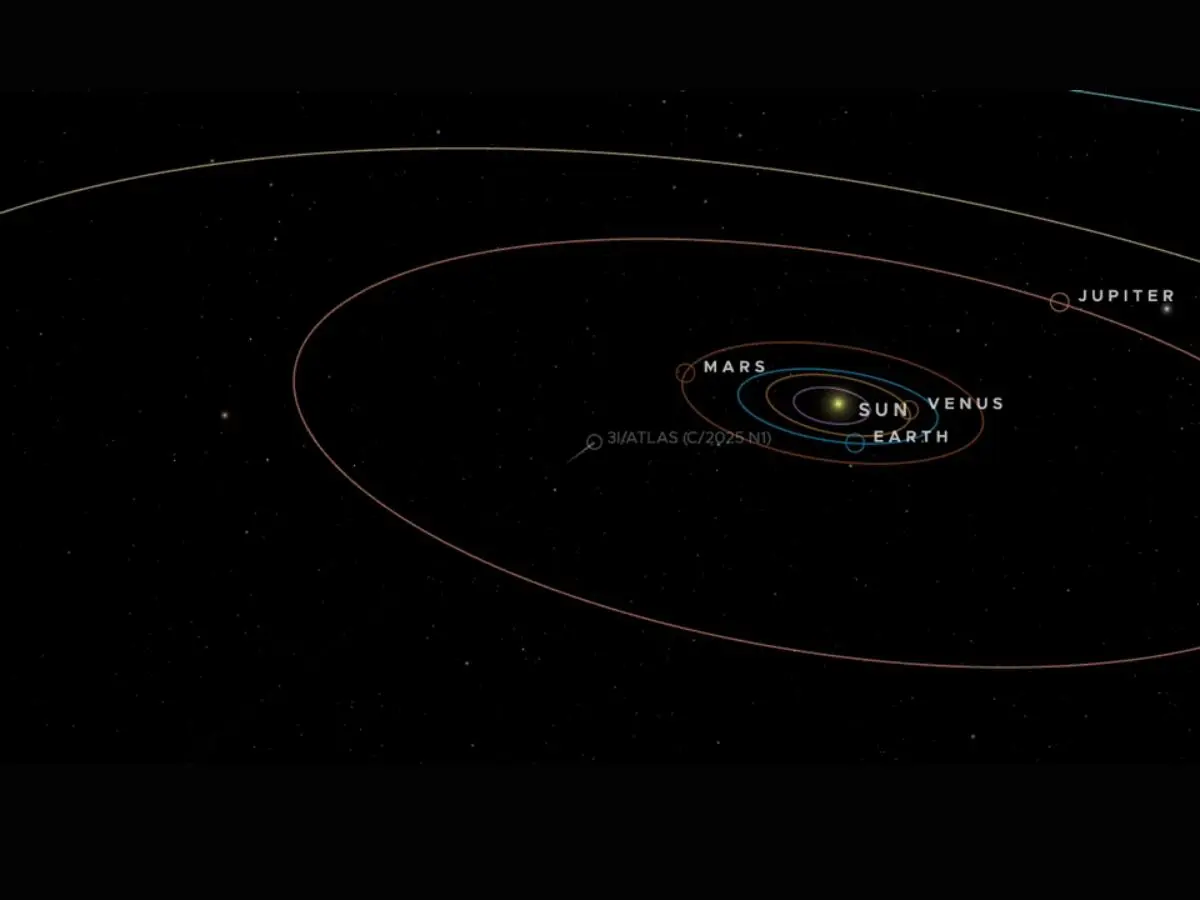
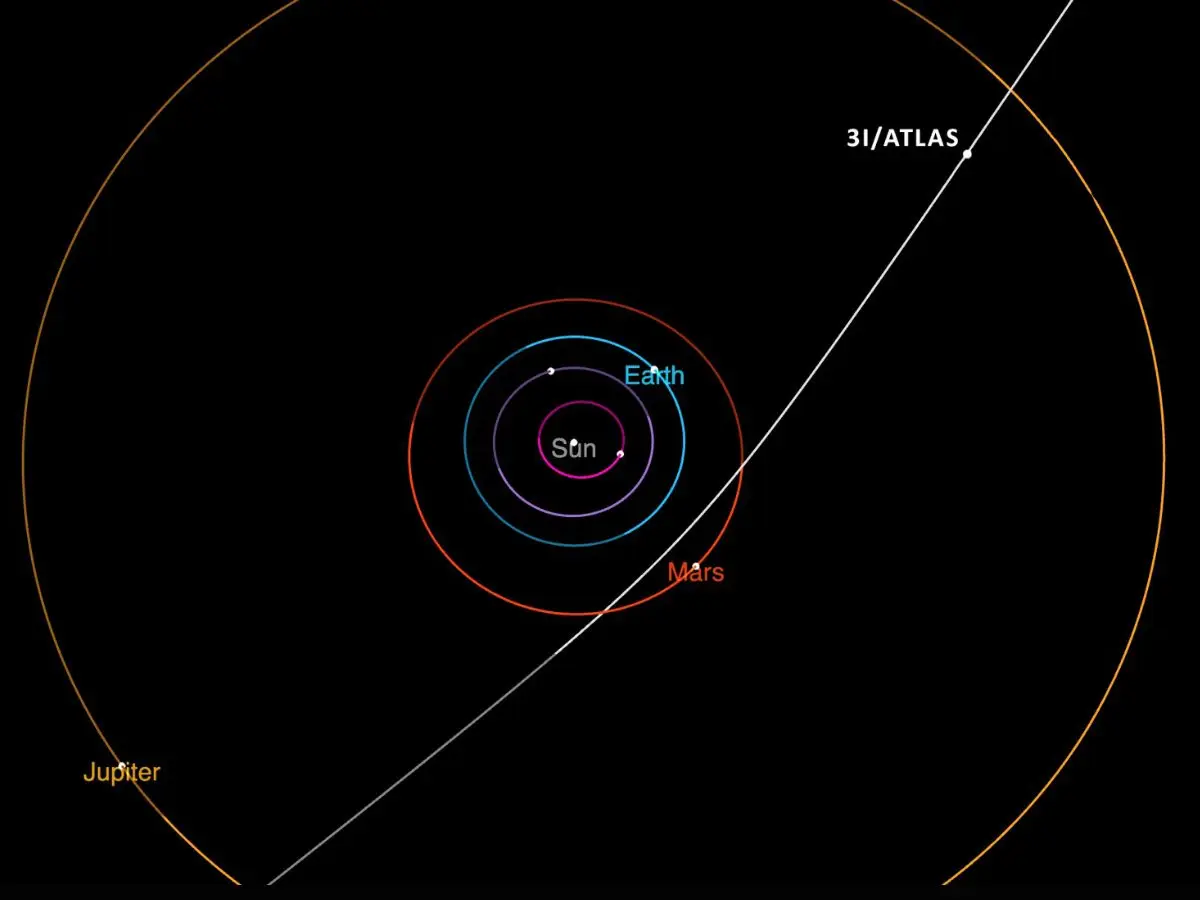
3I/ATLAS: Tracked back to a region near the Milky Way's Galactic Center, suggesting an origin from the outer frontier of the early Milky Way. Its high velocity of around 130,000 mph indicates it has been traveling through interstellar space for billions of years.
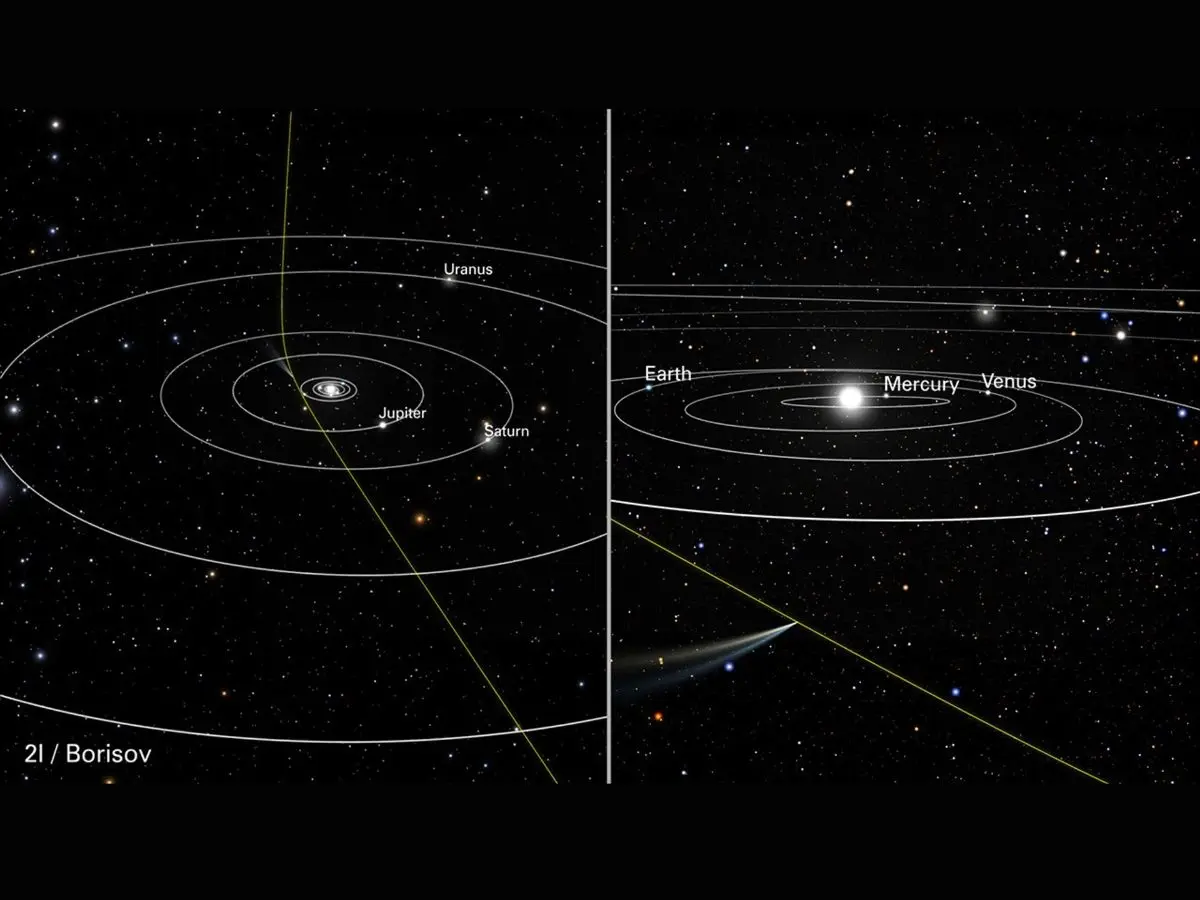
2I/Borisov: Originated from a distant star system and entered the solar system on a hyperbolic trajectory. Its path and speed confirmed its interstellar origin, making it the first observed interstellar comet.
Composition and Activity
3I/ATLAS: Exhibits unusual activity by emitting water vapour at a distance nearly three times farther from the Sun than Earth, a zone where such sublimation is typically not possible due to cold temperatures. This unexpected behavior has provided scientists with new insights into the building blocks of life and galaxy formation.
2I/Borisov: Displayed typical cometary activity with a well-developed coma and tail. Its composition was similar to that of carbon monoxide-rich Solar System comets, offering a comparison point for understanding the diversity of interstellar objects.
Observations and Imaging
3I/ATLAS: Captured by the European Space Agency's ExoMars Trace Gas Orbiter, revealing a faint, glowing dot surrounded by a coma. Despite its distance, the comet's activity and composition have been closely monitored, providing valuable data for ongoing studies.
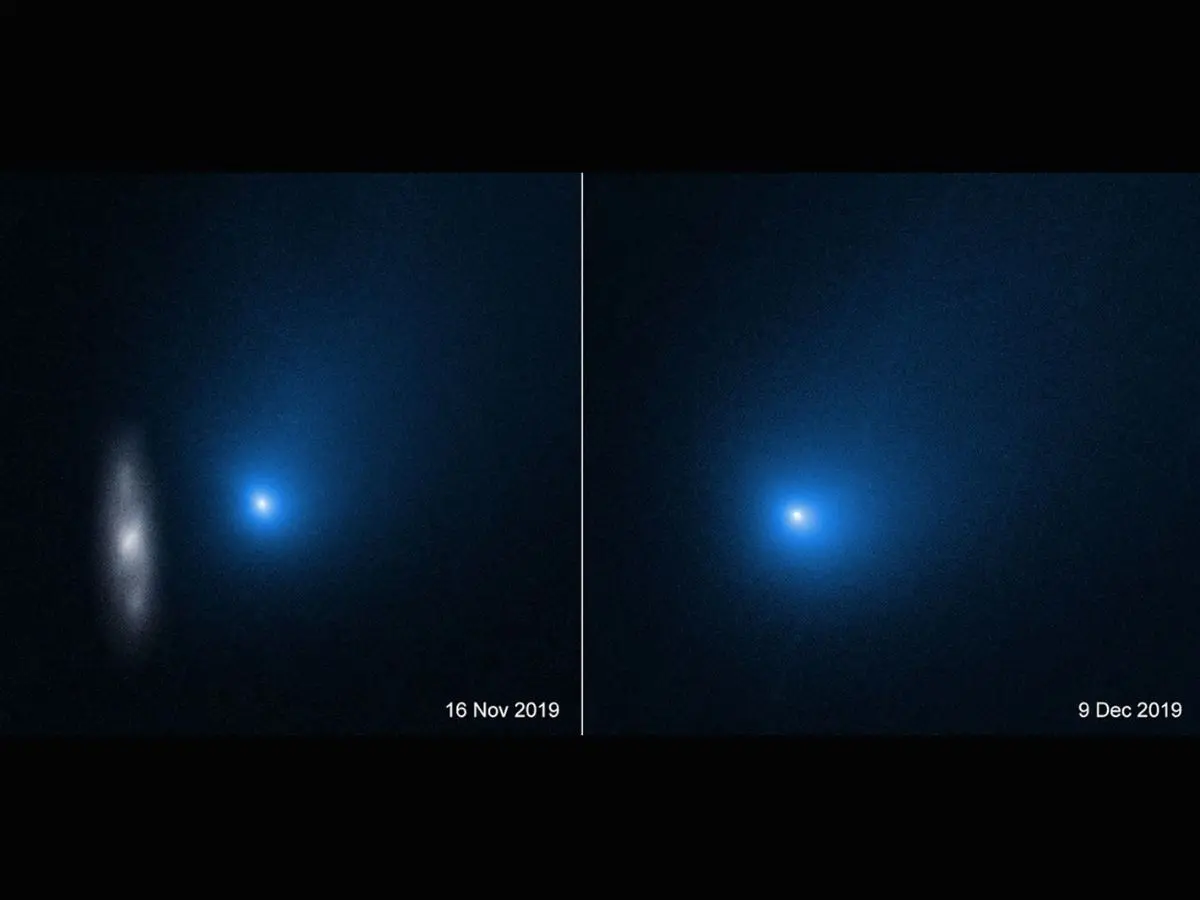
2I/Borisov: Observed by various telescopes, including the Hubble Space Telescope, which captured detailed images of its coma and tail. These observations have been instrumental in analyzing its composition and behavior.
A Comparative Overview
In comparison, 3I/ATLAS and 2I/Borisov differ significantly across several features. The nucleus of 3I/ATLAS ranges from 0.32 to 5.6 km, considerably larger than 2I/Borisov’s estimated 0.4 to 0.5 km. In terms of origin, 3I/ATLAS appears to have come from the outer frontier of the early Milky Way, whereas 2I/Borisov originated from a distant star system. The two comets also differ in speed: 3I/ATLAS travels at approximately 130,000 mph, while 2I/Borisov moves at about 43.9 km/s.
Conclusion
Together, these differences highlight how 3I/ATLAS provides new insights into interstellar objects, offering valuable opportunities to study the early universe and the building blocks of life.
)
)
)
)
)