5 reasons US Air Force is upgrading B‑1 bomber before B‑21 arrives

The United States Air Force’s continued investment in the B‑1B Lancer, even as it develops the B‑21 Raider, reflects strategic prudence. By extending operational life, enhancing weapons and defensive systems, bridging capability gaps, and making cost-effective use of existing assets.
Introduction
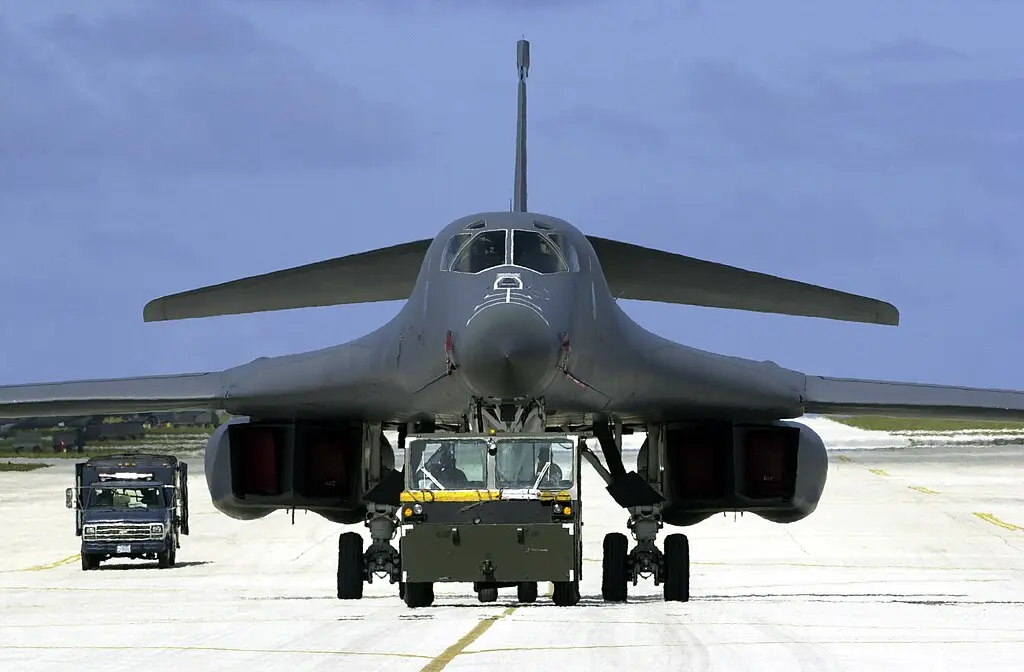
The B‑1B Lancer remains a vital component of the United States Air Force’s strategic bomber fleet, even as the B‑21 Raider nears operational readiness. Despite the emergence of a next-generation platform, the Air Force is investing in upgrades to maintain the B‑1B’s operational relevance, sustain its fleet, and bridge capability gaps until the B‑21 enters full service.
1. Extending Operational Life
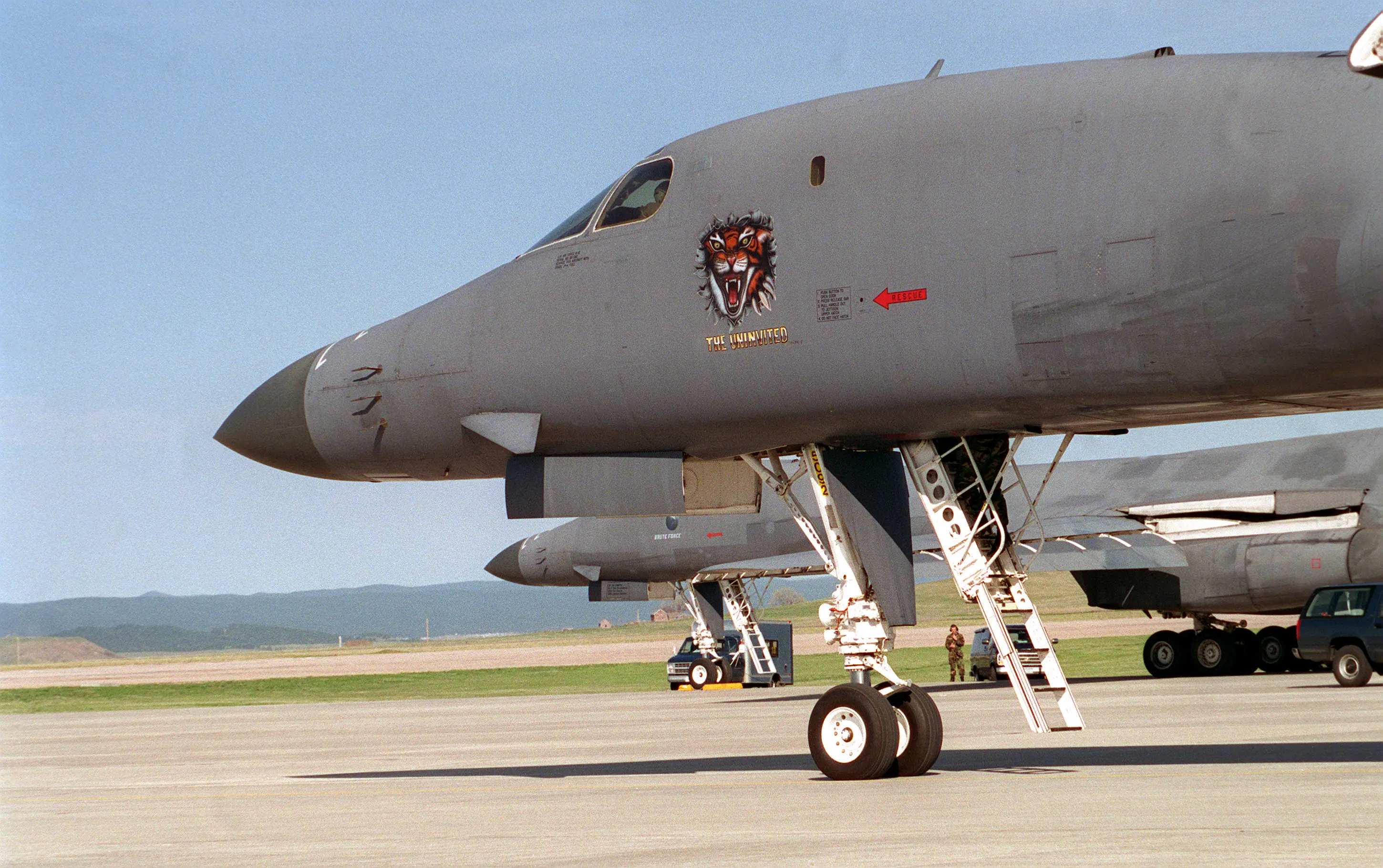
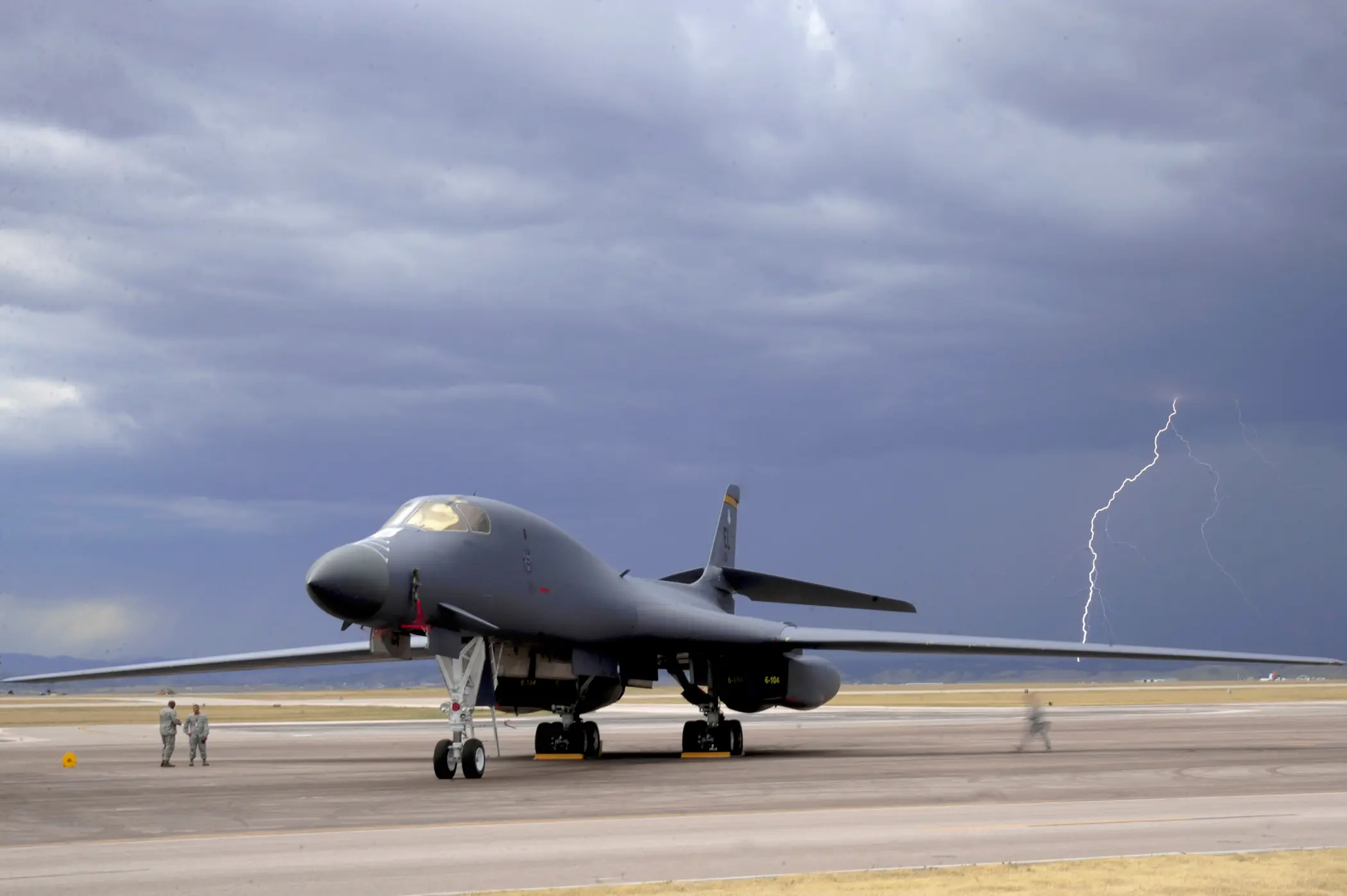
The Air Force has delayed the retirement of the B‑1B, acknowledging the need to keep the fleet viable until the B‑21 is fully deployed. Structural inspections, parts replacements, and stress‑testing initiatives ensure the bombers remain airworthy and mission-ready well into the 2030s.
2. Integrating New Weapons Capabilities
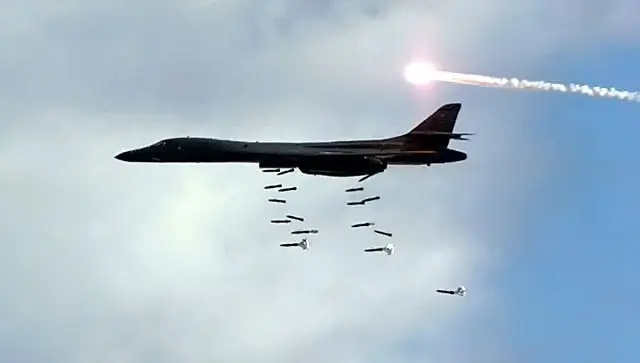
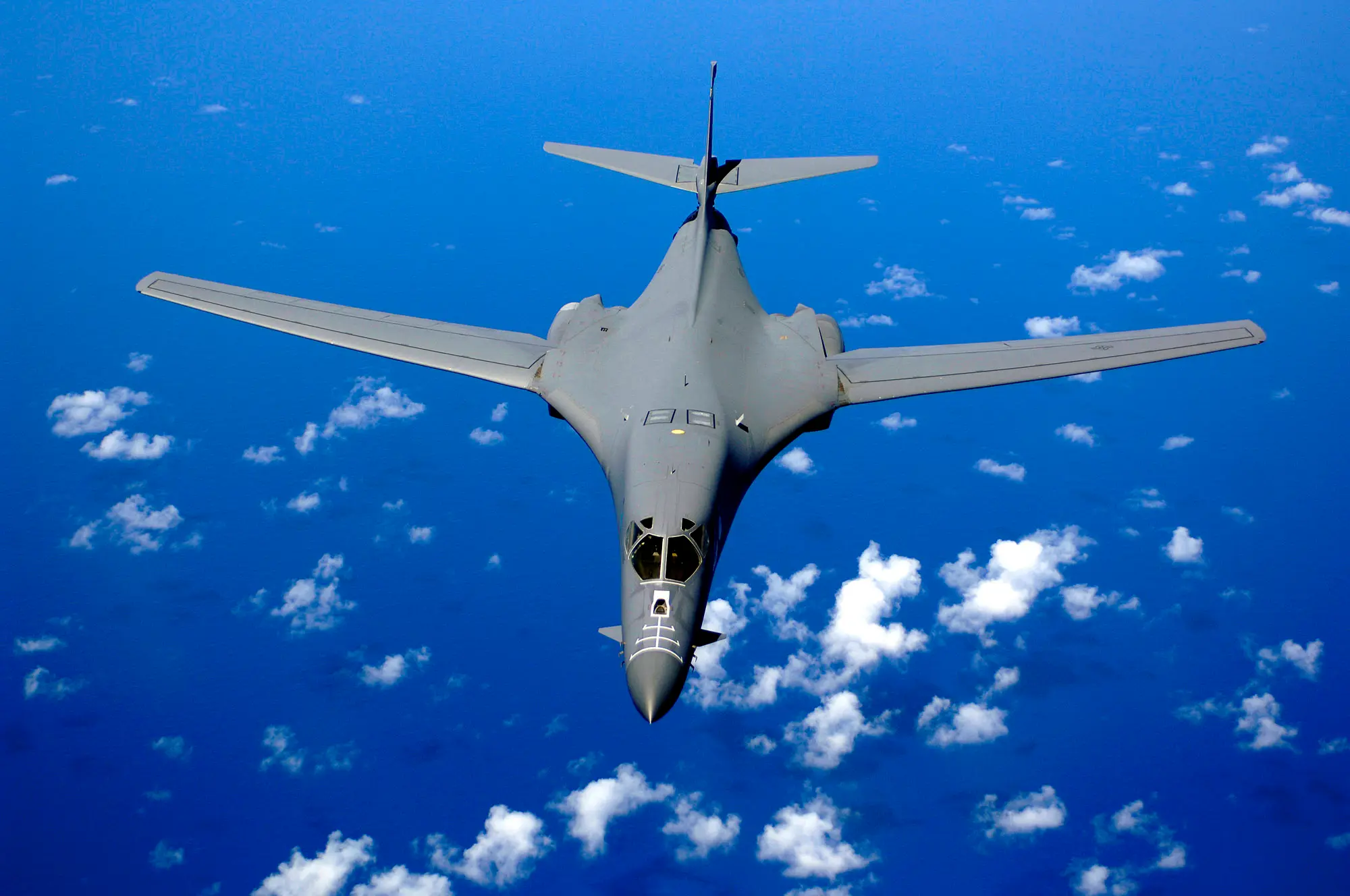
B‑1Bs are being equipped with Load Adaptable Modular pylons, enabling them to carry a wider array of munitions, including heavy and potentially hypersonic weapons. This upgrade significantly enhances strike flexibility and allows the aircraft to remain relevant in modern combat scenarios.

3. Upgrading Defensive and Survivability Systems
To maintain survivability in contested airspace, the B‑1B is receiving updates to its defensive systems, including potential replacements for the towed‑decoy system. These enhancements ensure the platform can counter increasingly advanced missile threats while operating alongside allied forces.
4. Bridging Capability Gaps Amid Transition
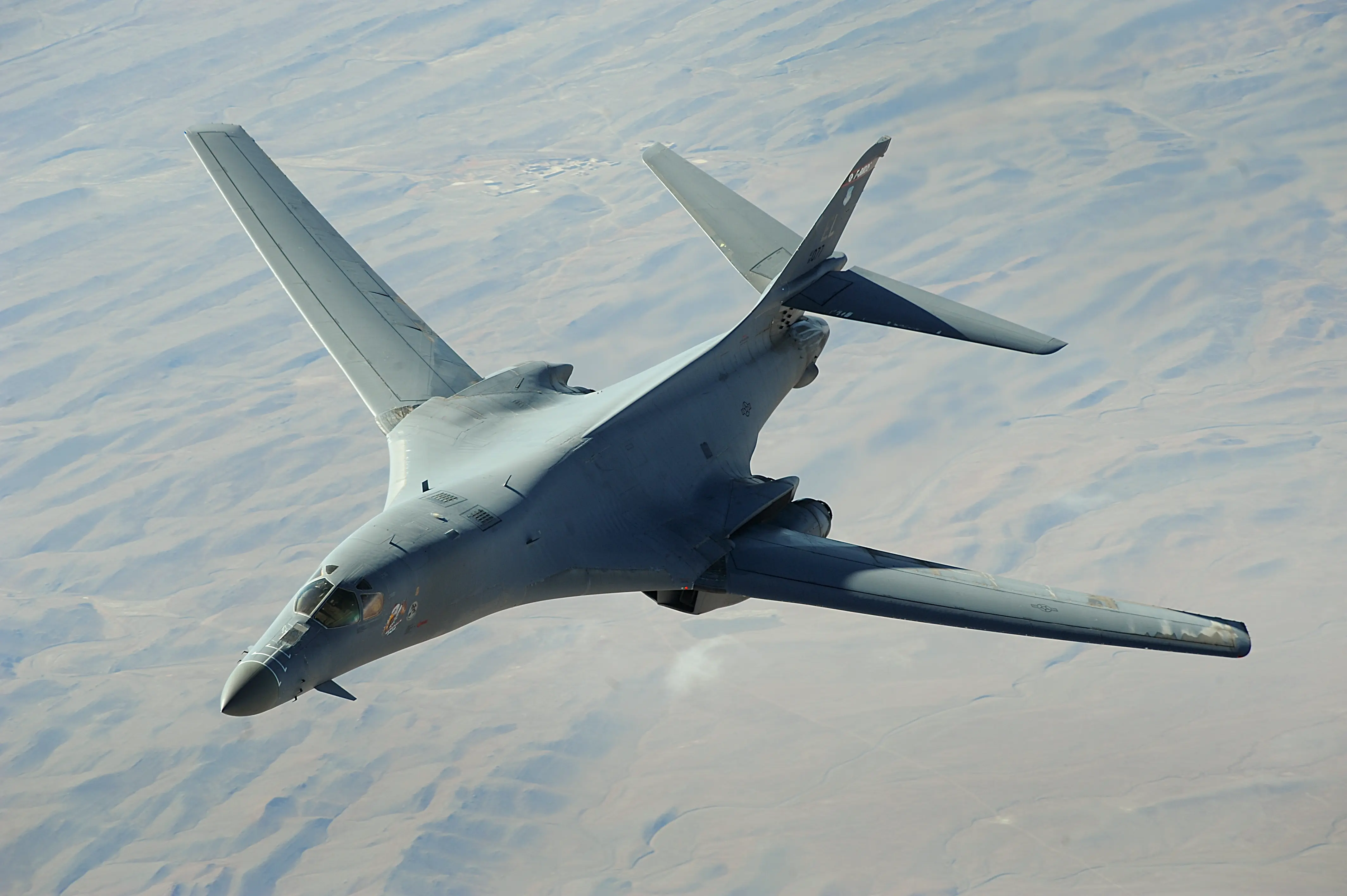
With the B‑21’s production and deployment still years away, the B‑1B serves as a critical interim platform. Maintaining and modernising the fleet prevents any operational shortfall in long-range strike and allows the US to sustain strategic deterrence globally.
5. Cost‑Effective Use of Existing Assets
Given the significant investment already made in the B‑1B fleet, upgrading the aircraft is more economical than immediate retirement. Extending the life of a proven platform leverages existing infrastructure while maintaining operational readiness without incurring the full cost of new aircraft.
Conclusion
The United States Air Force’s continued investment in the B‑1B Lancer, even as it develops the B‑21 Raider, reflects strategic prudence. By extending operational life, enhancing weapons and defensive systems, bridging capability gaps, and making cost-effective use of existing assets.
)
)
)
)
)