5 photogenic UNESCO World Heritage Sites in India you must capture

Along with ancient temples to grand palaces to serene hill towns, and colourful festivals, India also houses several UNESCO World Heritage Sites, each one popular for its own right. Let's have a look at the top 5 most photogenic UNESCO World Heritage Sites in India.
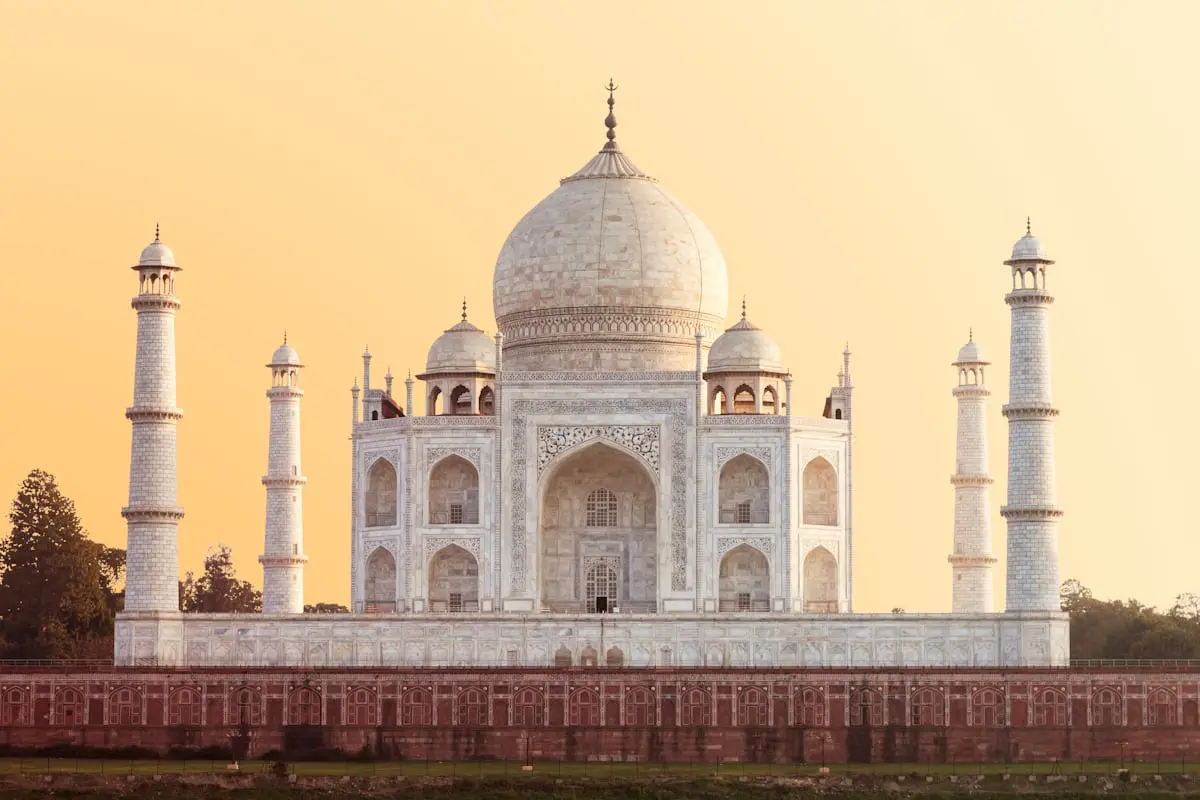
1. Taj Mahal, Agra
Built by Mughal Emperor Shah Jahan, the Taj Mahal is undoubtedly the most iconic picture spot in the world as its beautiful marble structure glows like a dream at sunrise and sunset.
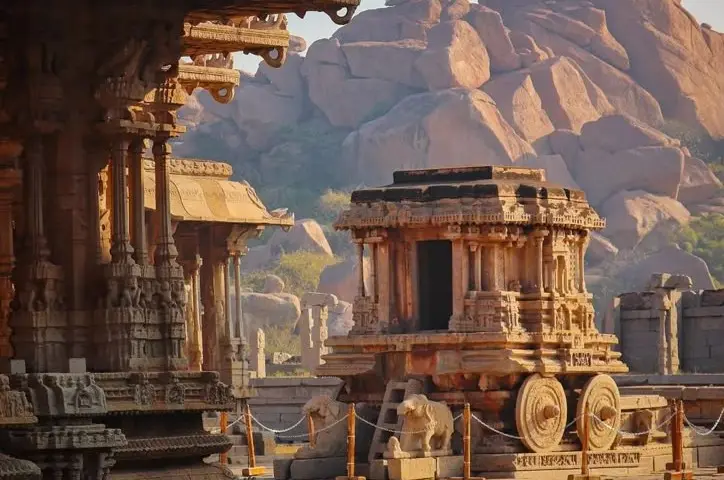
2. Hampi, Karnataka
Hampi, the ancient city of ruins, is surrounded by massive boulders, rivers and lush banana plantations. The stone chariot at Vittala Temple of Hampi is the real magic that explores hidden alleys, halls, and hilltop views. This site is photogenic mostly at sunrise or sunset, with the warm light that makes everything look gold and copper.
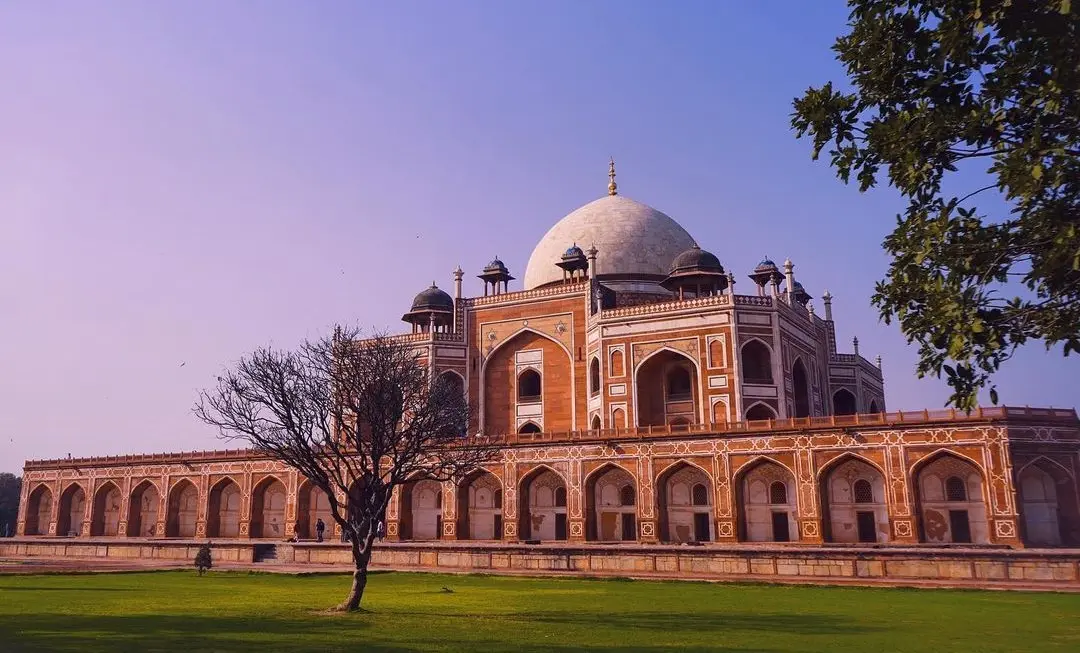
3. Humayun Tomb, Delhi
Humayun's Tomb is highly photogenic due to its magnificent Mughal architecture, which features a grand red sandstone and white marble structure topped by an iconic double dome, set within a symmetrically laid-out Persian Charbagh garden with water channels and pavilions.
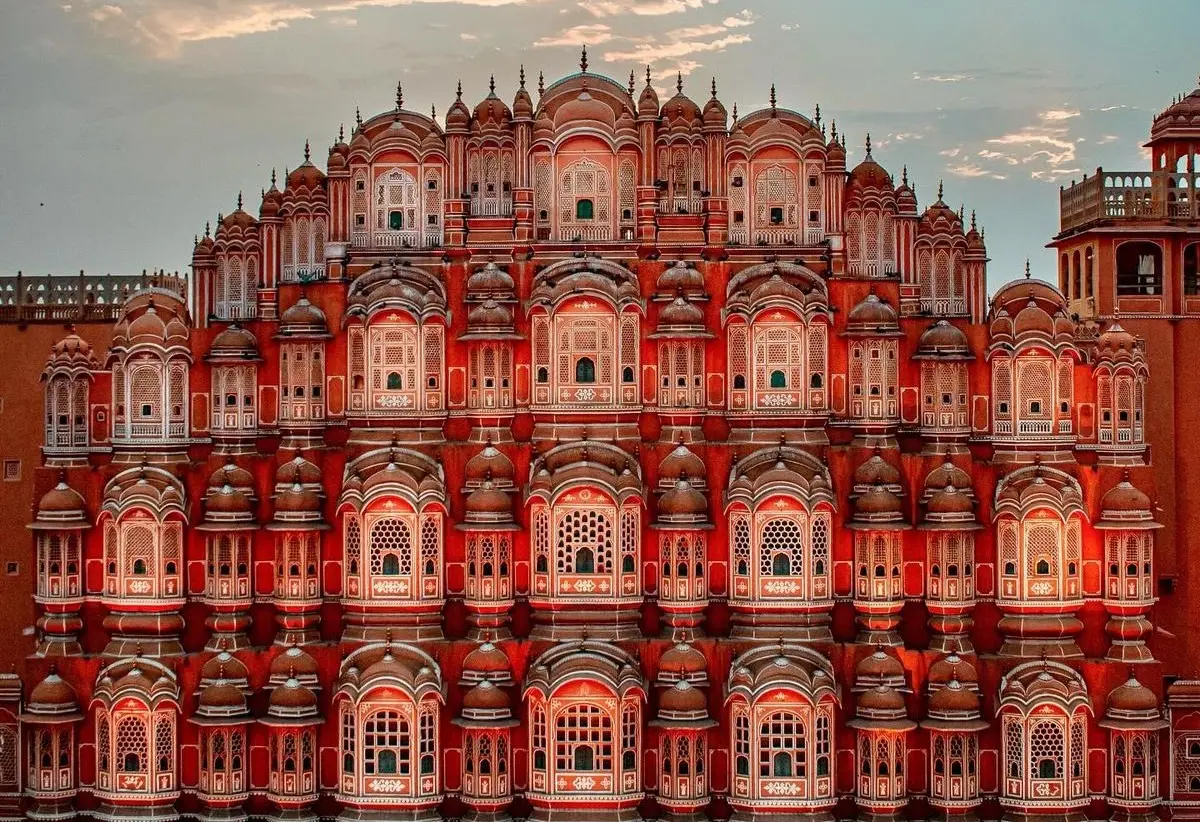
4. Hawa Mahal, Rajasthan
The honeycomb-like structure of the Hawa Mahal with 953 small windows, or jharokhas and intricate pink sandstone, creates beautiful patterns of light and shadow. Its pyramidal shape and symmetry, combined with its unique architectural style, glow in the morning sun, making it a visually stunning and highly photographed landmark.
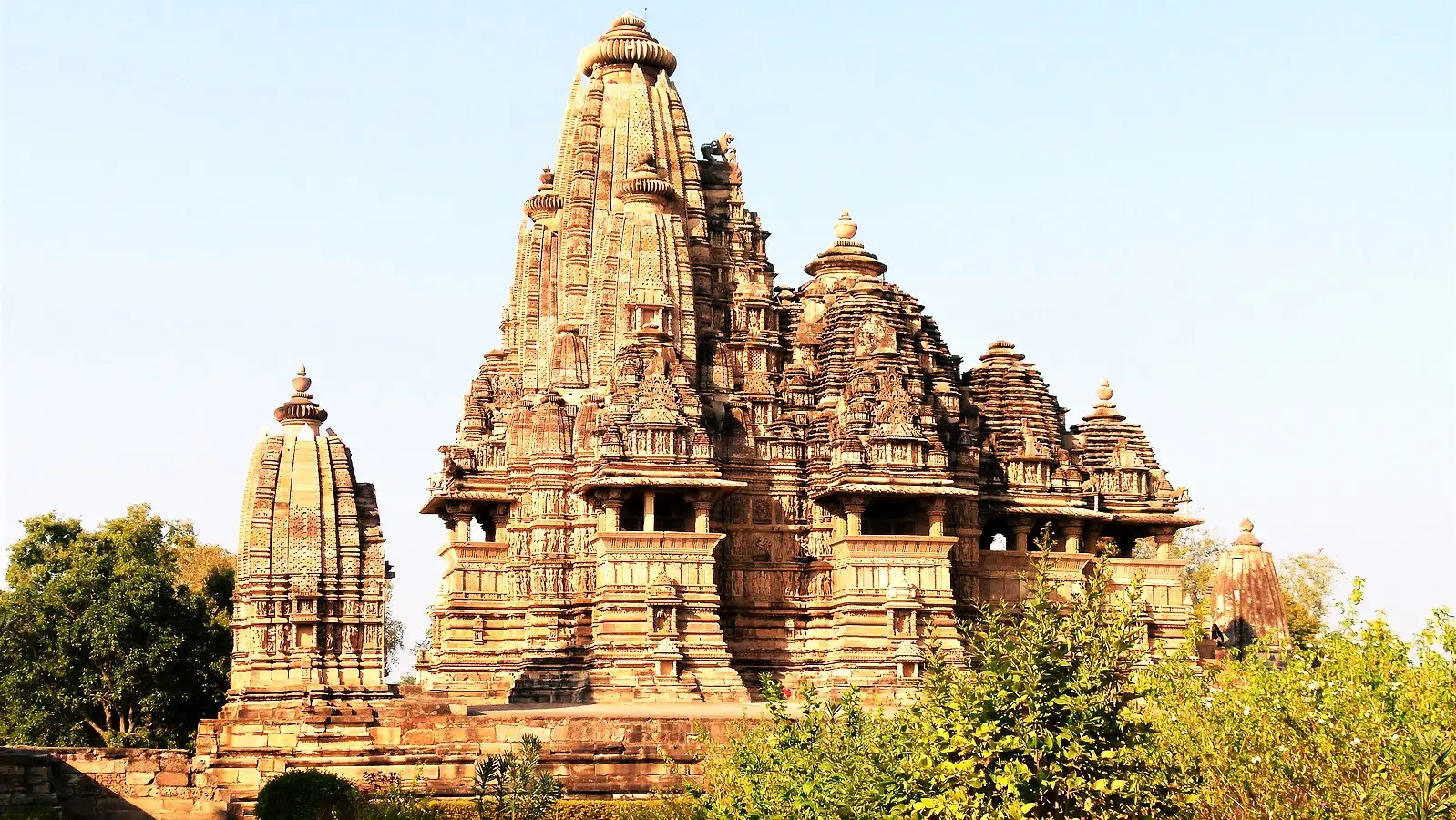
5. Khajuraho Group Of Monuments, Madhya Pradesh
Khajuraho is a visual treat for story lovers as it is famous for its intricate sandstone carvings detailing gods, dancers, and daily life. The embellishments of the temple glow during golden hour, prompting every close-up shot to capture every sculptural detail clearly.
)
)

)
)