5 mysterious phenomena NASA’s Voyager-1 has detected in interstellar space

Voyager 1, launched in 1977, crossed into interstellar space in 2012 and it’s been quietly sending back mind-bending discoveries ever since. Beyond our Sun’s influence, it’s detecting strange signals and particles that are rewriting what scientists thought they knew about the universe.
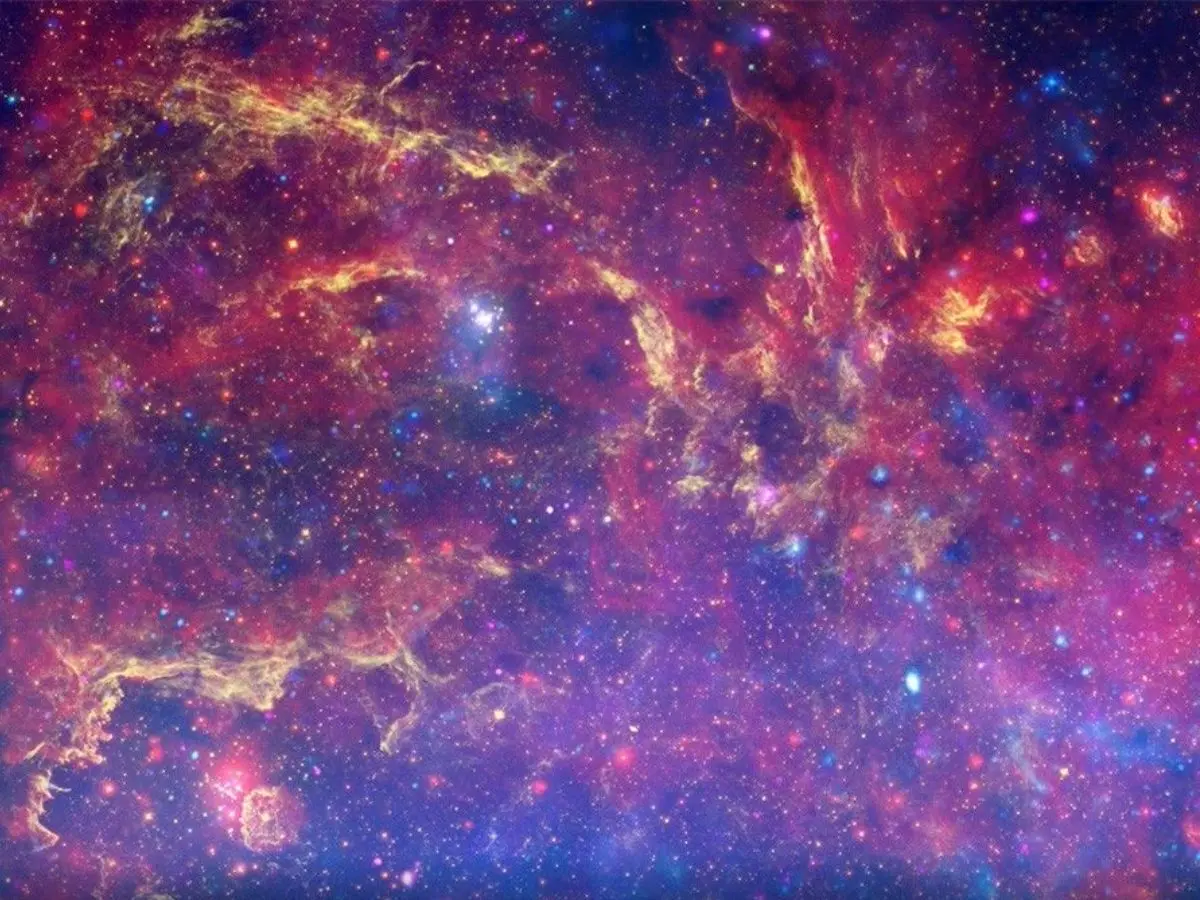
Cosmic Rays From Distant Stars
Voyager 1 has detected a steady stream of high-energy cosmic rays coming from beyond our solar system, offering clues about violent events like supernova explosions in faraway galaxies.

Plasma Waves in the Galactic Medium
The spacecraft has “heard” faint hums caused by plasma waves, ripples in the sparse gas that fills interstellar space, helping scientists map the density of the region.
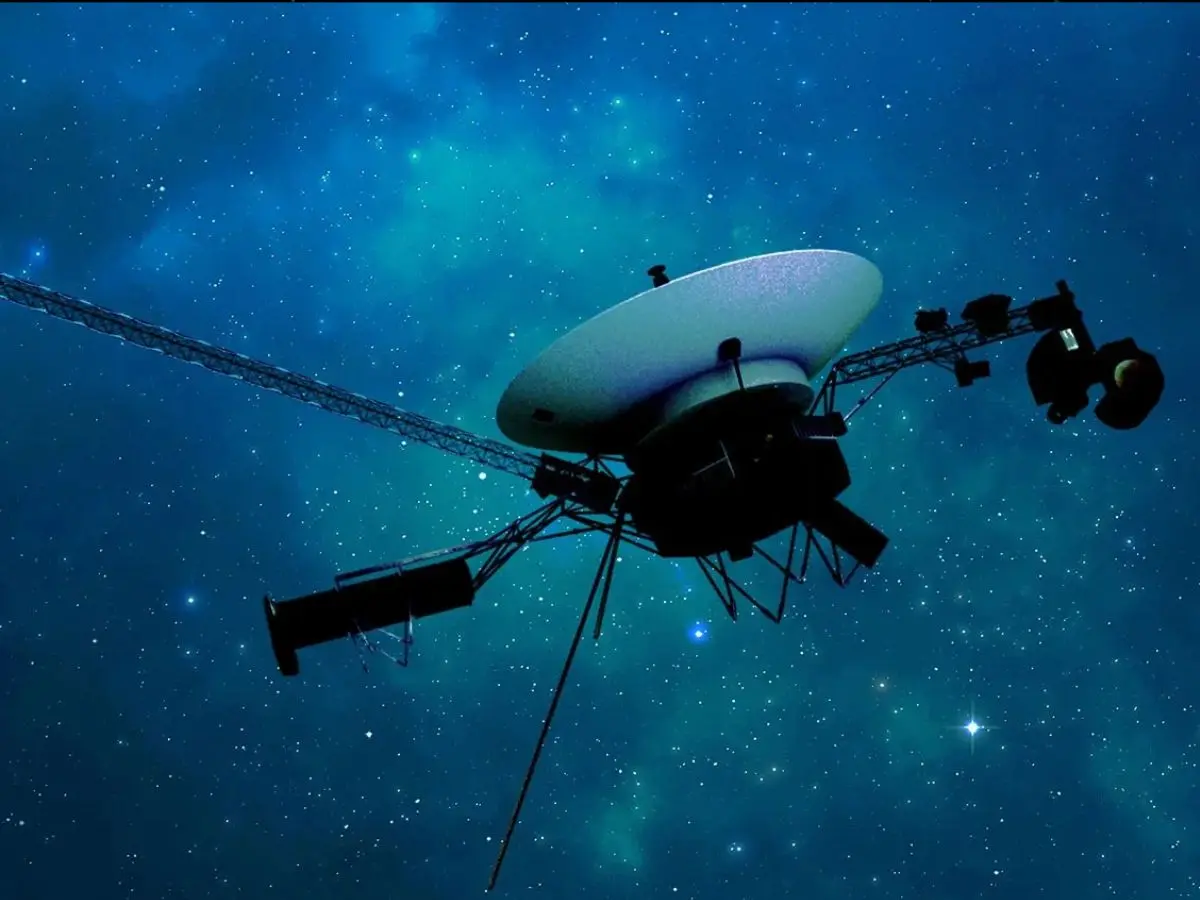
Sudden Density Spikes
Voyager 1 recorded unexpected jumps in plasma density, suggesting there are turbulent and “stormy” regions even in the emptiest stretches between stars.
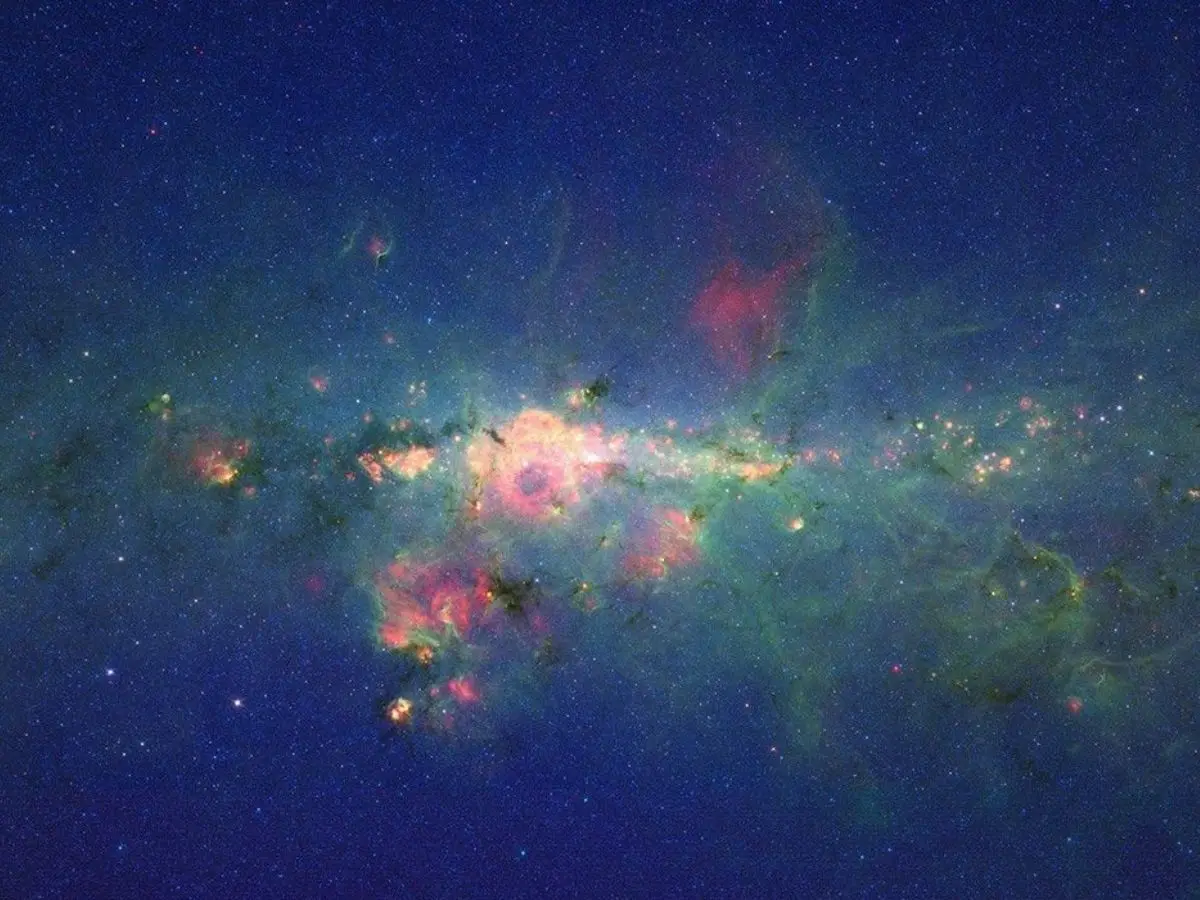
Unusual Magnetic Field Patterns
Measurements show that interstellar magnetic fields behave differently than predicted, hinting at complex interactions between our solar bubble and the galaxy.
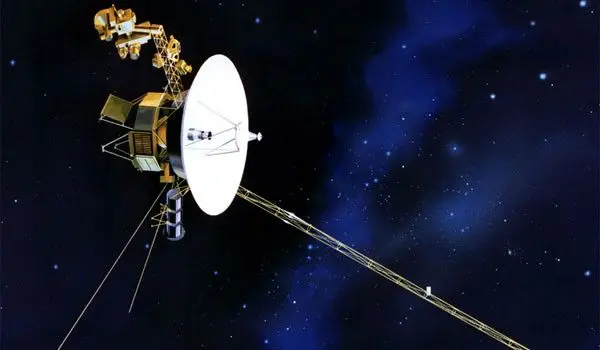
Low-Frequency Radio Bursts
The probe picked up rare, low-frequency radio signals possibly linked to energetic events in the Milky Way, signals no other spacecraft has ever detected.
)
)
)
)
)