5 most used and successful fighter jets of all time

Together, they have shaped air combat history for nearly half a century and still remain in frontline service worldwide.
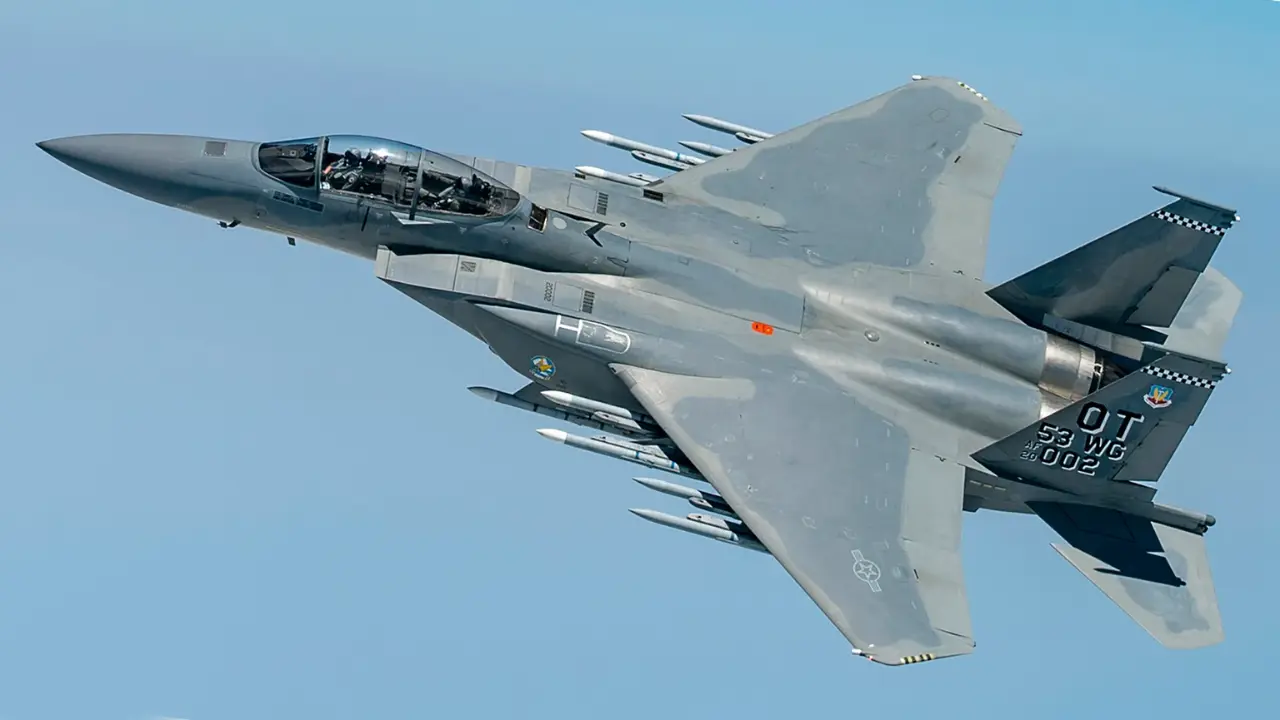
Introduction: What Makes a Fighter Jet ‘Successful’?
Success in military aviation is rarely defined by sheer speed or firepower alone. The most successful fighter jets combine versatility, reliability, export success and sustained combat performance. These aircraft often serve for decades, built in large numbers, and adapt to new threats through upgrades. Let's explore five jets that achieved this rare balance: the American F-16 Fighting Falcon, the Russian MiG-29 Fulcrum, the legendary F-15 Eagle, the versatile F/A-18 Hornet and the heavyweight Su-27 Flanker. Together, they have shaped air combat history for nearly half a century and still remain in frontline service worldwide.
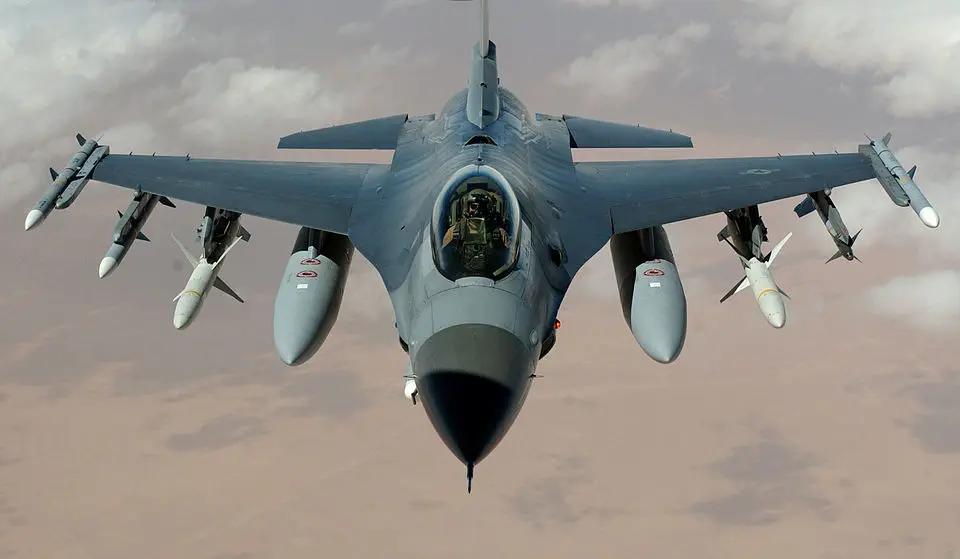
F-16 Fighting Falcon
First taking to the skies in 1974, the F-16 Fighting Falcon became the backbone of numerous air forces. More than 4,600 have been built, serving in over 25 countries, including the United States, Israel, Greece and South Korea. Its fly-by-wire system made it extraordinarily agile, while its affordability and ease of maintenance appealed to nations seeking a modern multirole fighter. From the Gulf War to more recent operations, the F-16 has flown missions ranging from air superiority to precision strikes. The newest F-16V variant includes advanced radar and avionics, showing how this decades-old design has stayed relevant. Yet in modern conflicts, sheer numbers alone have not guaranteed decisive success: during the 2025 skirmish between India and Pakistan, Pak’s use of F-16s failed to achieve a clear advantage over Indian Air Force jets, highlighting how pilot training, tactics and electronic warfare can outweigh platform legacy.
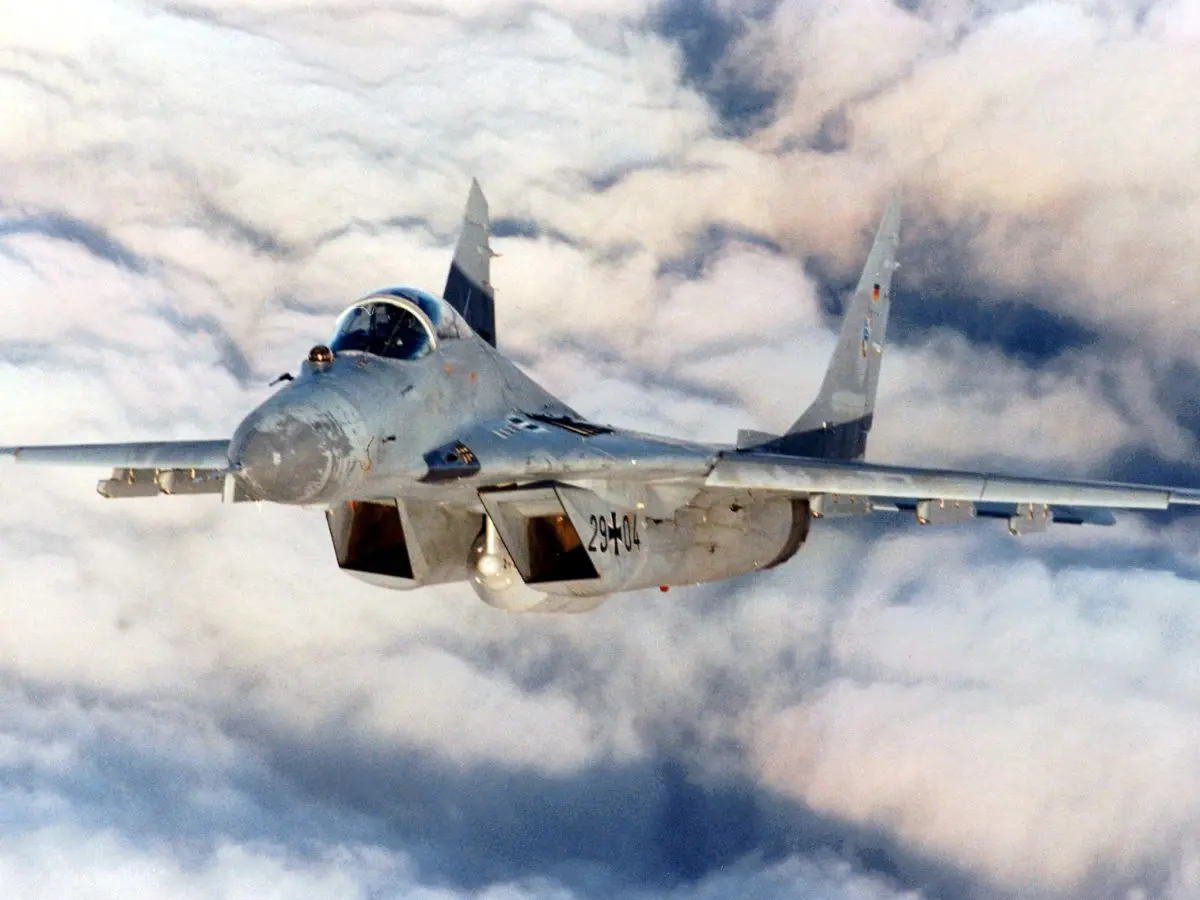
MiG-29 Fulcrum
Entering service in the early 1980s, the MiG-29 Fulcrum was the Soviet response to fighters like the F-16 and F/A-18. Designed to operate from rough airstrips, it featured twin engines for added reliability and an impressive turn rate that made it dangerous in close dogfights. Beyond its original Warsaw Pact operators, the MiG-29 found a global market and now flies with over 30 air forces including India, Algeria and Serbia. Modernised versions such as the MiG-29SMT keep it in service today, proving that a rugged and agile design can remain effective even decades after its introduction.
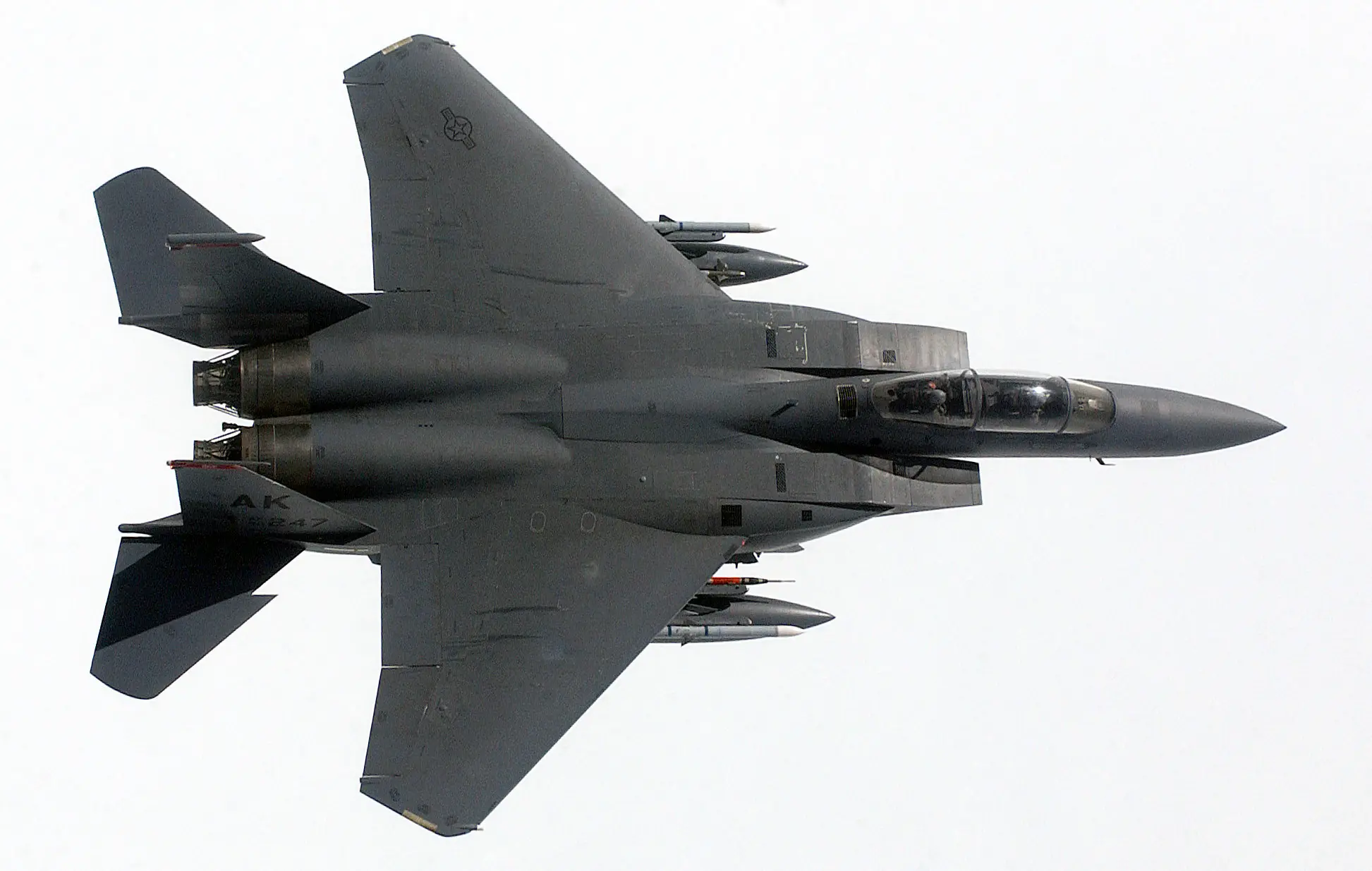
F-15 Eagle
First flown in the 1970s, the F-15 Eagle was built purely for air superiority and soon established an unmatched reputation. Its combat record of over 100 aerial victories without a single dogfight loss became legendary. While initially designed for air-to-air battles, the F-15 evolved into the F-15E Strike Eagle with added ground-attack capabilities. Today, the newest F-15EX keeps this design alive with cutting-edge avionics and increased weapon capacity. Operated by the United States, Israel, Japan and Saudi Arabia, the Eagle’s mix of speed, range and advanced radar has kept it dominant for nearly 50 years.
F/A-18 Hornet
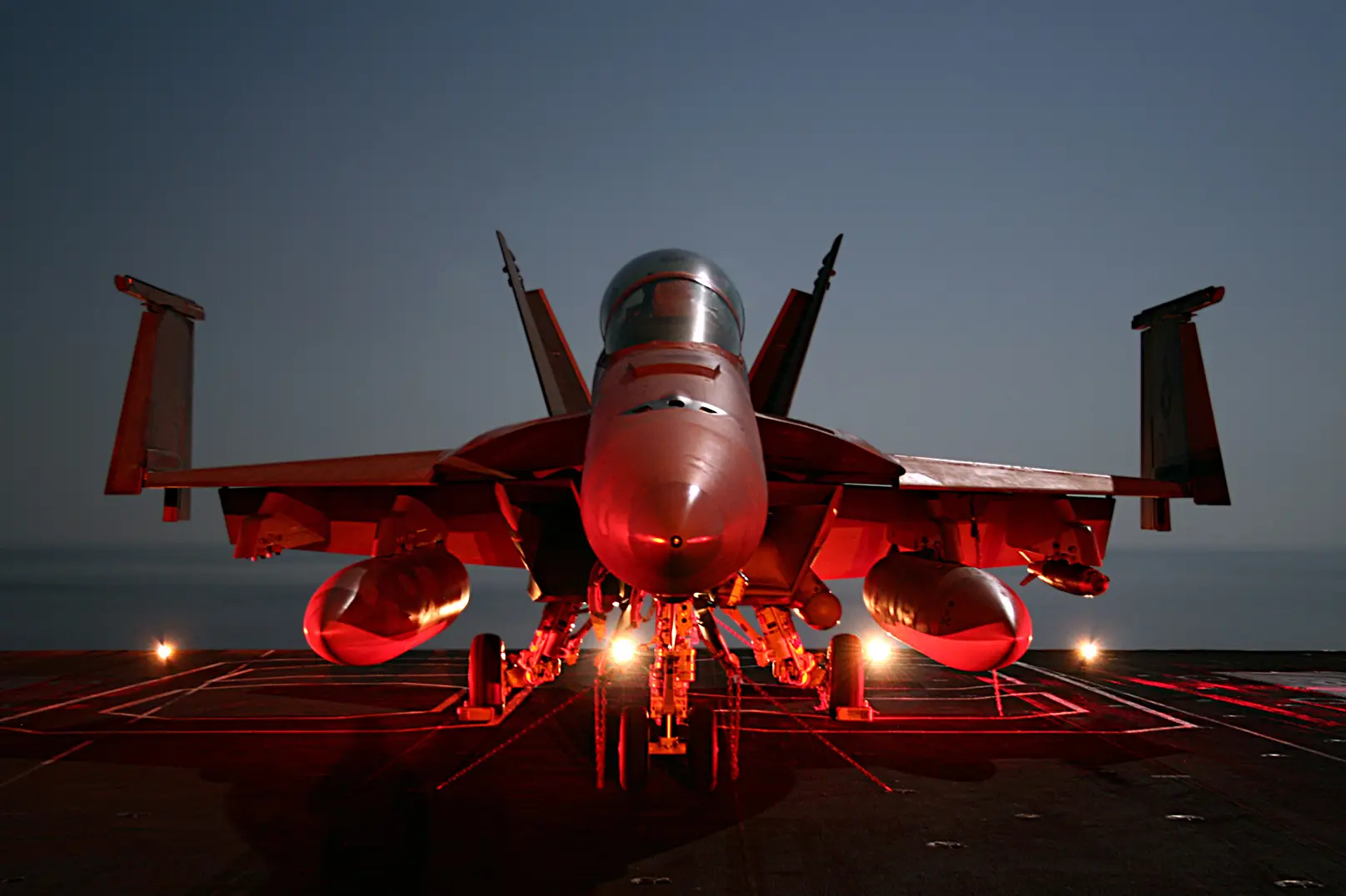
Introduced in the 1980s, the F/A-18 Hornet became central to US Navy and Marine Corps operations. Built to handle the unique demands of carrier flight, it can launch from short decks and withstand harsh sea conditions. Beyond the United States, it has been adopted by countries like Australia and Canada. The later F/A-18E/F Super Hornet added longer range, larger payload and modern systems, making it a mainstay in conflicts from the Gulf War to the present day. Its proven reliability and adaptability make it one of the world’s most trusted multirole fighters.
Su-27 Flanker
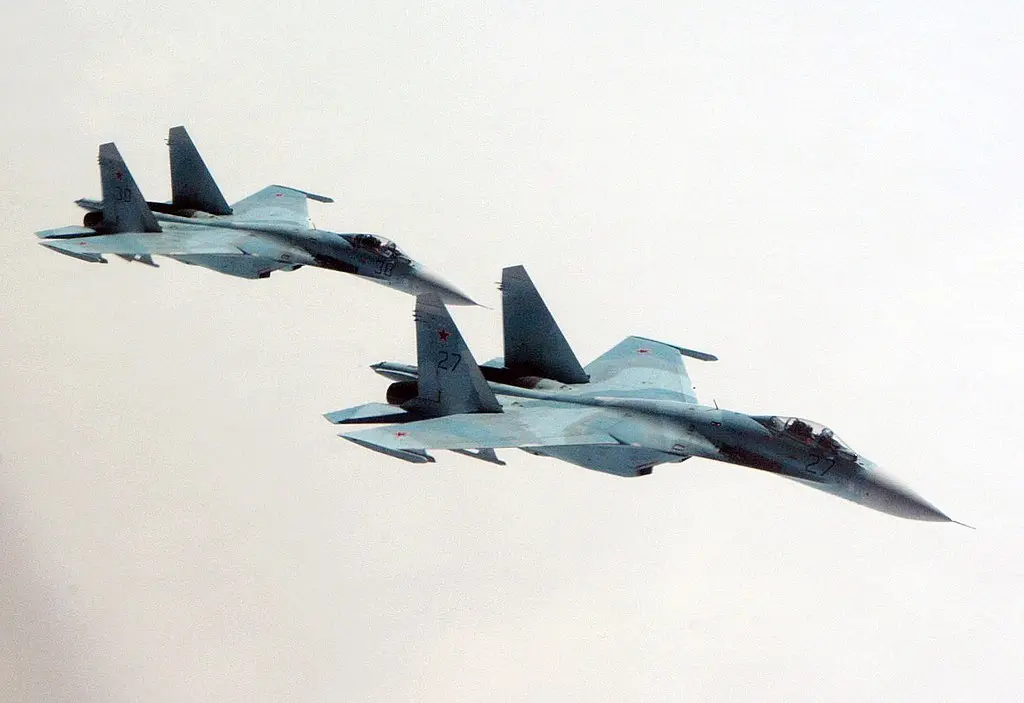
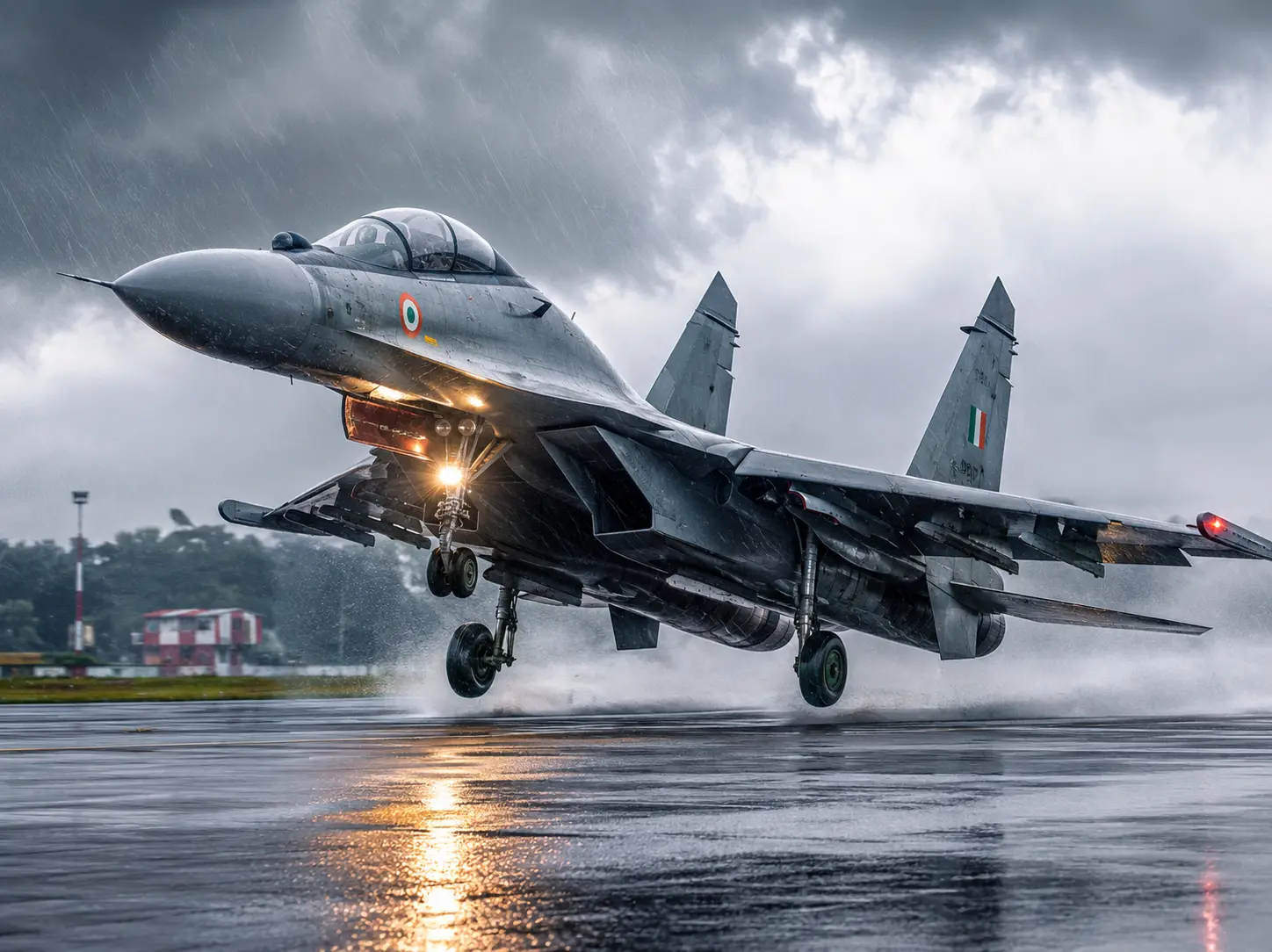
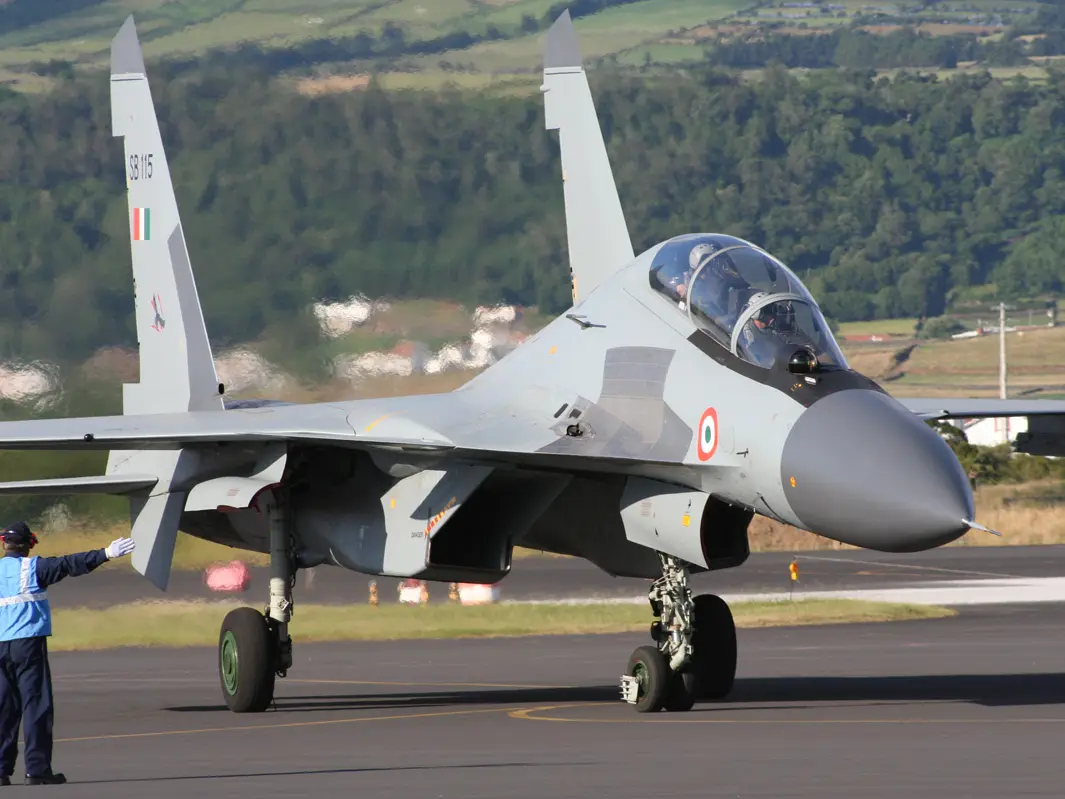
The Su-27 Flanker first flew in 1977 and entered service in the 1980s as the Soviet answer to the American F-15. It impressed Western analysts with its long range, heavy armament and exceptional agility. Its unique airshow moves, like the Cobra manoeuvre, demonstrated its incredible aerodynamics. The Su-27 family expanded into variants like the Su-30, Su-33 and Su-35, and is operated by countries such as China, Vietnam and India. This combination of elegance and power, along with continuous upgrades, has kept the Flanker family relevant well into the 21st century.
The Legacy of Dominance
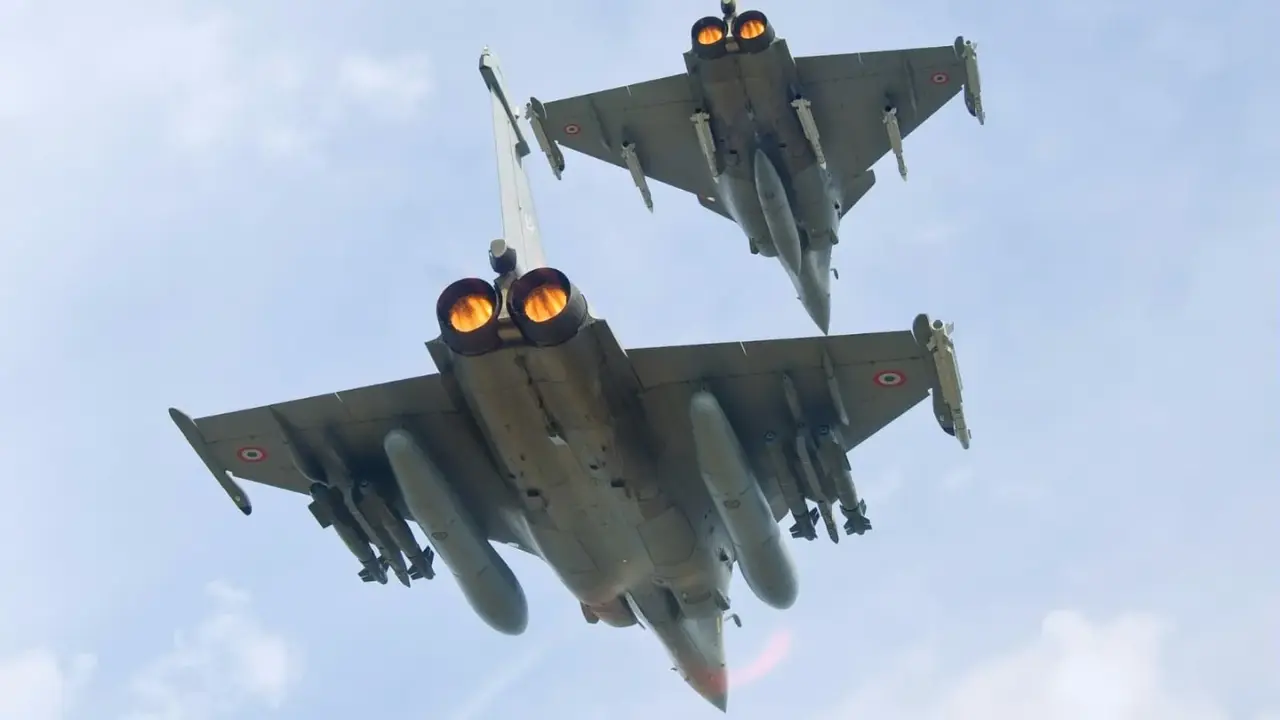
These five fighter jets earned their place in history through more than just impressive engineering and for being the most successful ones. Their true success lies in adaptability, proven reliability and global adoption. Together they have served in conflicts worldwide, shaped tactics and stood as symbols of military strength for decades. Even in an era of stealth technology and drones, the F-16, MiG-29, F-15, F/A-18 and Su-27 continue to fly and evolve. .
)
)
)
)
)