5 most fascinating unsolved math's problem

Authored By Wion Web Desk
Published: Apr 30, 2025, 08:55 IST | Updated: Apr 30, 2025, 08:55 IST
The P vs NP Problem questions if every problem that can be verified quickly can also be solved quickly. Its resolution could transform computing and problem-solving.
1 / 10
The Riemann Hypothesis
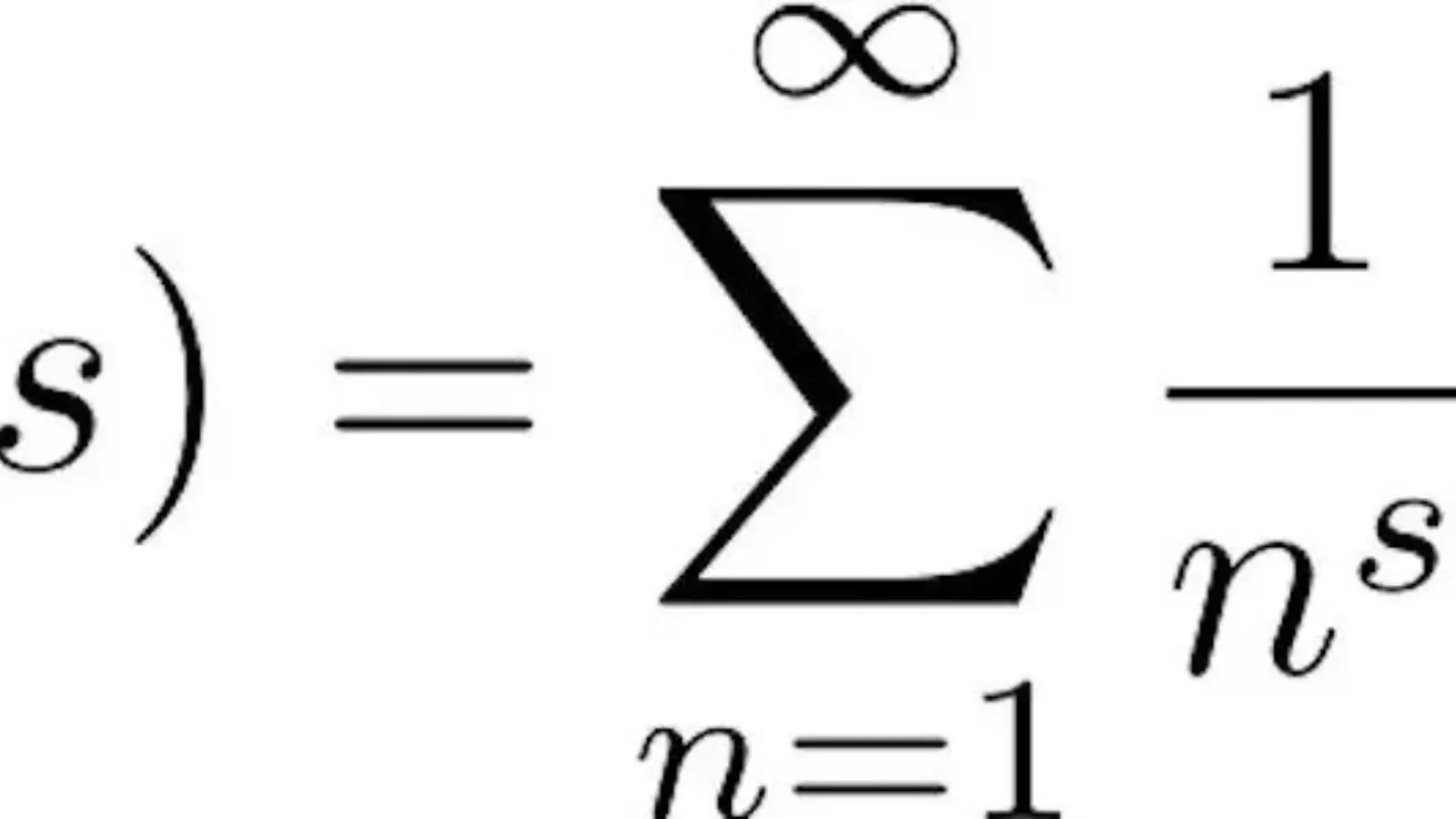
The Riemann Hypothesis is about the distribution of prime numbers. Primes are numbers greater than 1 that are only divisible by 1 and themselves. The hypothesis suggests a specific pattern in the distribution of these prime numbers, based on a mathematical function called the Riemann zeta function.
2 / 10
P vs NP Problem
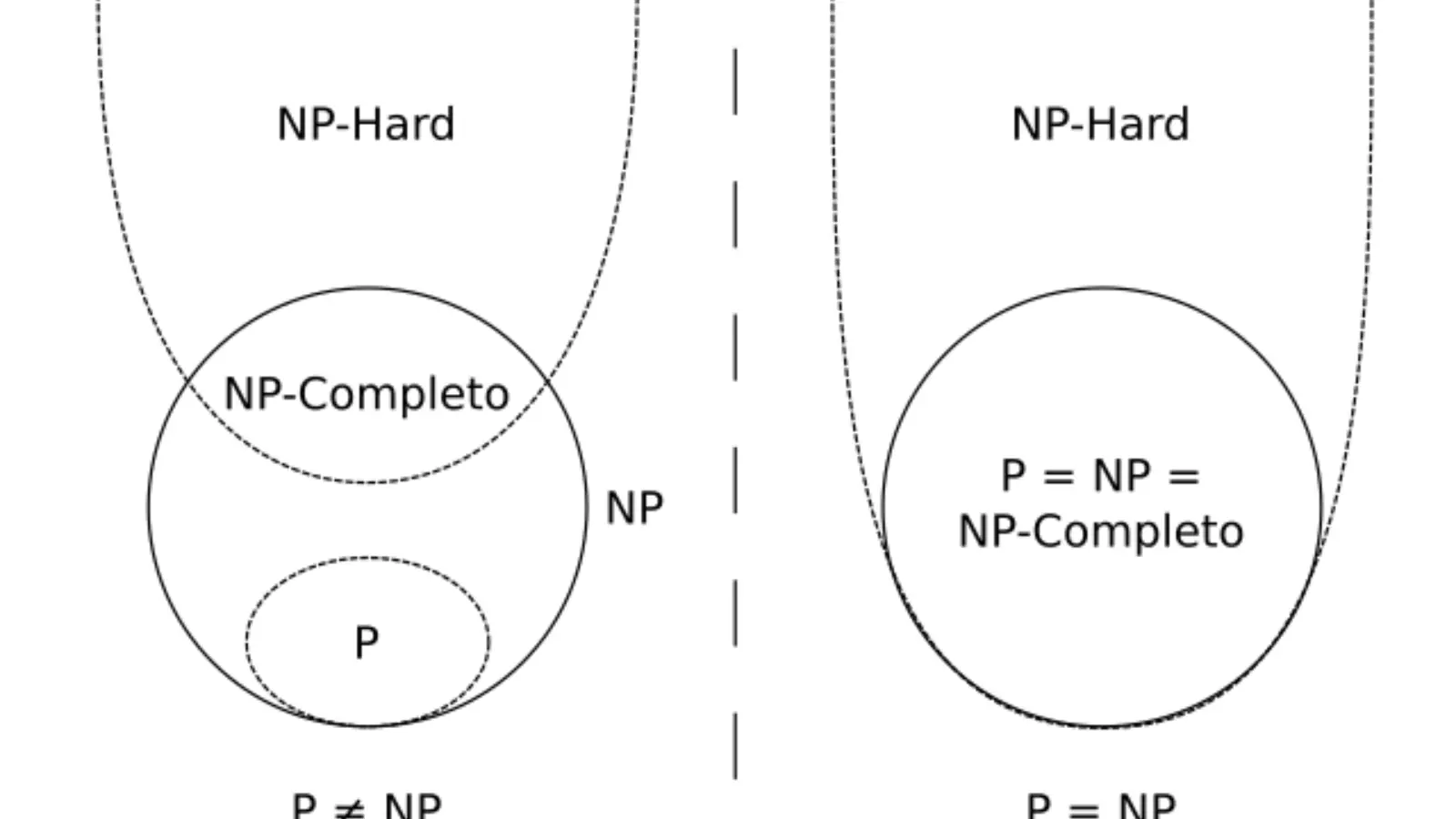
This problem asks whether every problem whose solution can be quickly verified by a computer can also be quickly solved by a computer. In simpler terms, it questions whether finding solutions is as easy as checking them. For example, given a Sudoku puzzle, verifying a solution is quick (polynomial time), but finding the solution might not be.
3 / 10
Navier-Stokes Existence and Smoothness
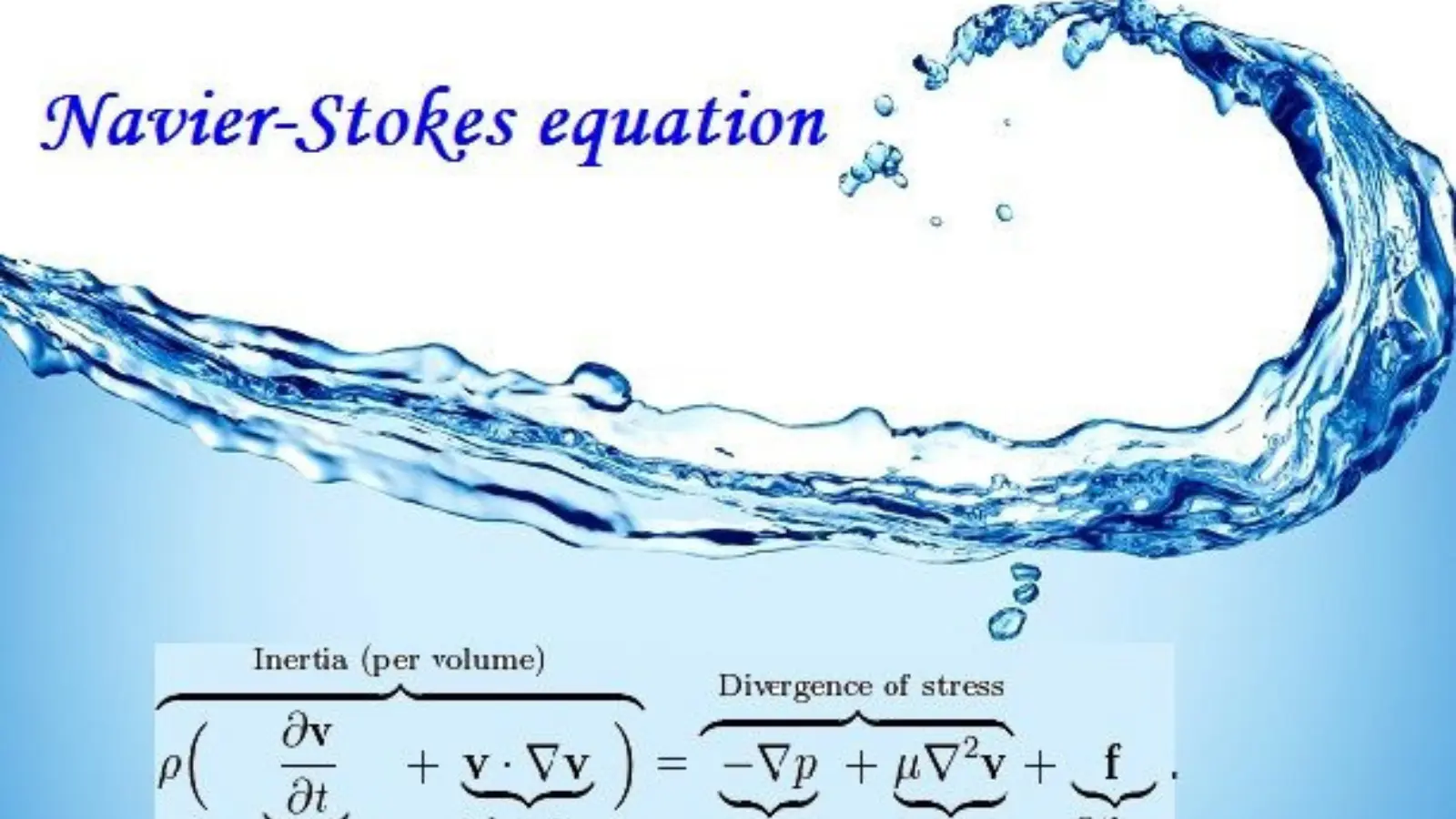
This problem involves understanding the behavior of fluids. The Navier-Stokes equations describe how fluids like water and air flow, but it's unclear whether solutions to these equations always exist and behave smoothly.
4 / 10
Birch and Swinnerton-Dyer Conjecture
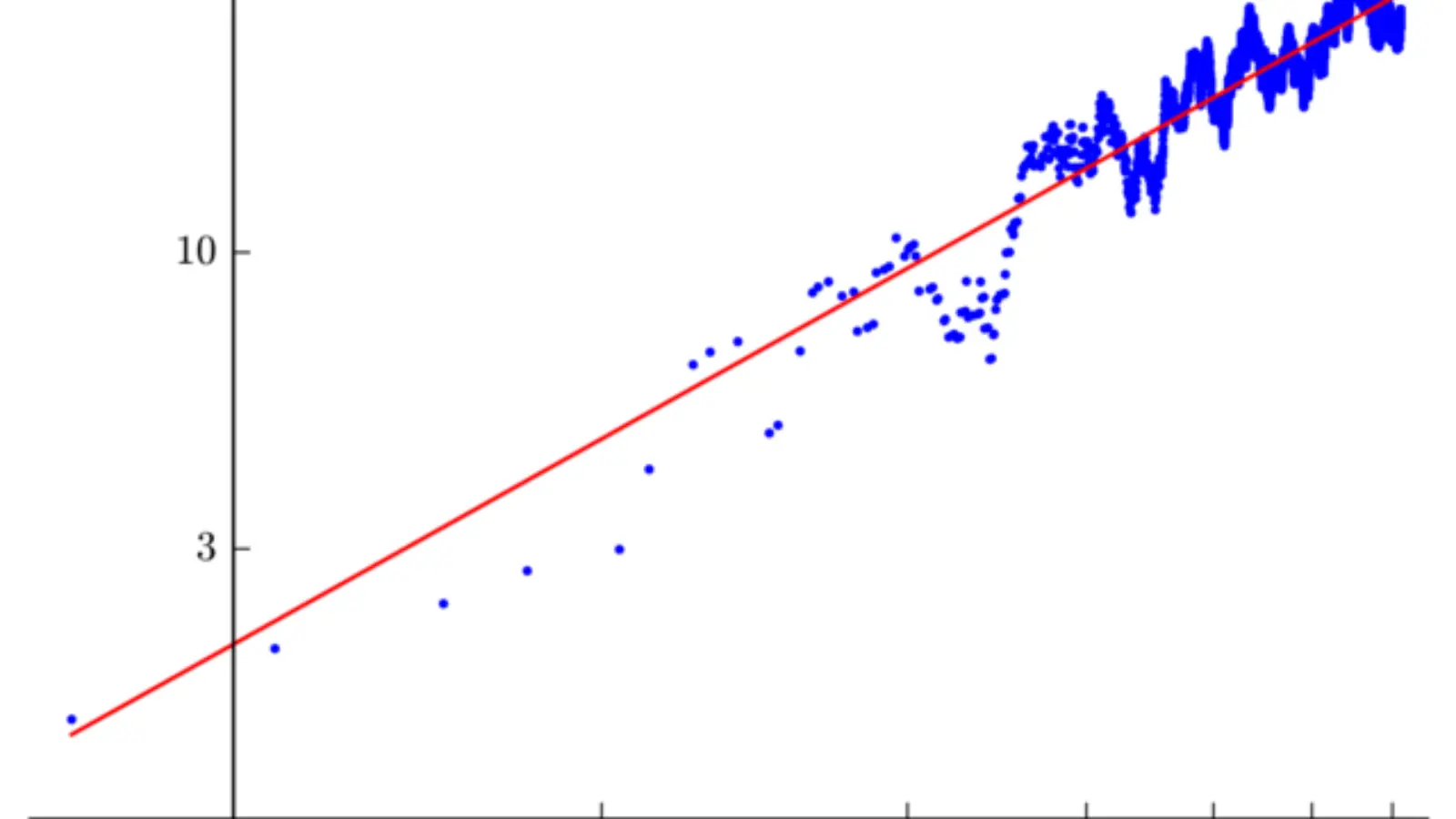
This conjecture relates to elliptic curves, which are mathematical objects with applications in number theory and cryptography. It suggests a deep connection between the number of rational points on an elliptic curve and a specific function associated with the curve.
5 / 10
Hodge Conjecture
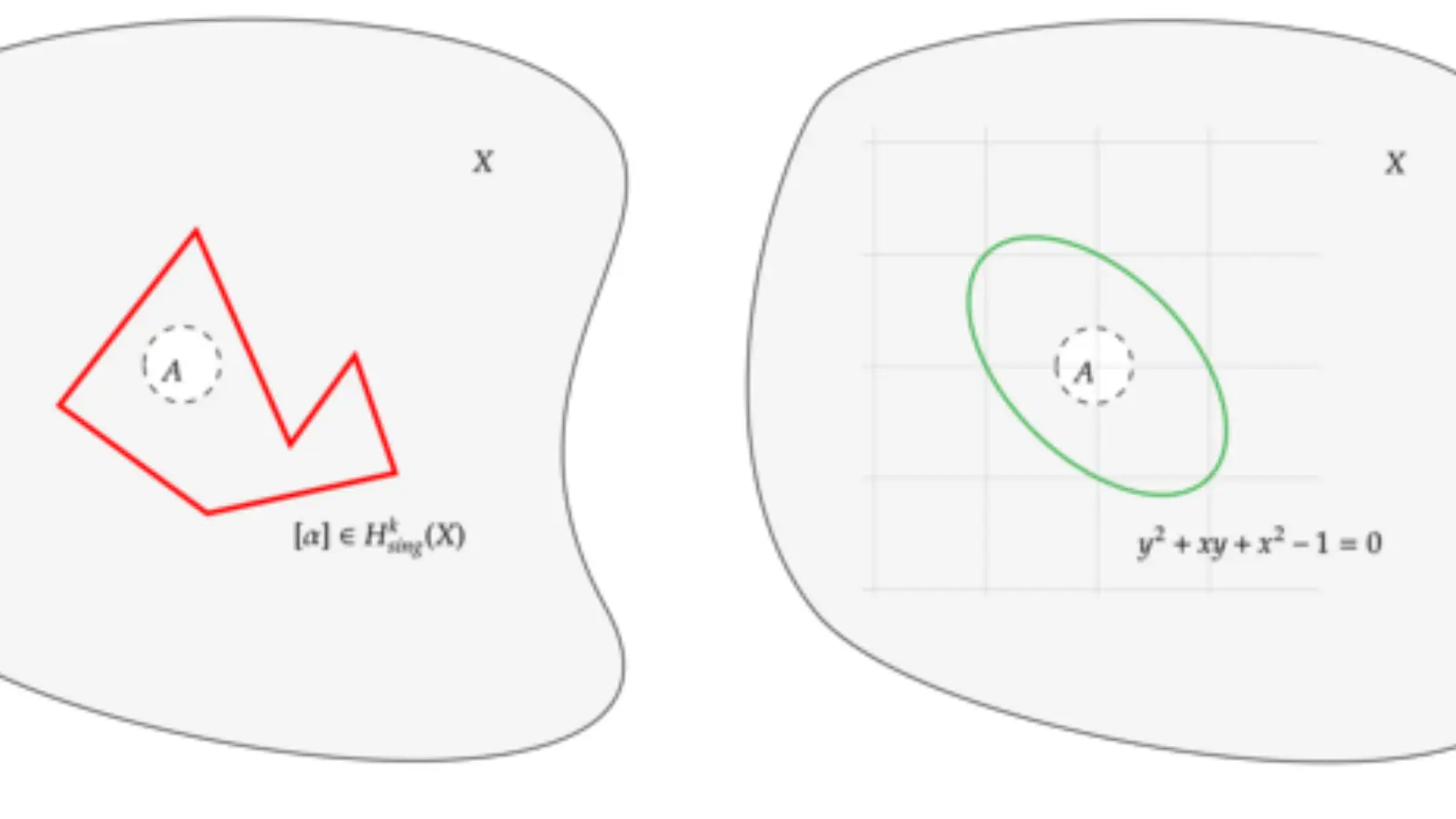
The Hodge Conjecture involves certain shapes called algebraic cycles on complex manifolds. It suggests that certain classes of these cycles are actually combinations of simpler, algebraic cycles. Mathematically, it deals with cohomology classes and their representation as sums of algebraic cycles.
6 / 10
The Riemann Hypothesis
The Riemann Hypothesis is about the distribution of prime numbers. Primes are numbers greater than 1 that are only divisible by 1 and themselves. The hypothesis suggests a specific pattern in the distribution of these prime numbers, based on a mathematical function called the Riemann zeta function.
7 / 10
P vs NP Problem
This problem asks whether every problem whose solution can be quickly verified by a computer can also be quickly solved by a computer. In simpler terms, it questions whether finding solutions is as easy as checking them. For example, given a Sudoku puzzle, verifying a solution is quick (polynomial time), but finding the solution might not be.
8 / 10
Navier-Stokes Existence and Smoothness
This problem involves understanding the behavior of fluids. The Navier-Stokes equations describe how fluids like water and air flow, but it's unclear whether solutions to these equations always exist and behave smoothly.
9 / 10
Birch and Swinnerton-Dyer Conjecture
This conjecture relates to elliptic curves, which are mathematical objects with applications in number theory and cryptography. It suggests a deep connection between the number of rational points on an elliptic curve and a specific function associated with the curve.
10 / 10
Hodge Conjecture
The Hodge Conjecture involves certain shapes called algebraic cycles on complex manifolds. It suggests that certain classes of these cycles are actually combinations of simpler, algebraic cycles. Mathematically, it deals with cohomology classes and their representation as sums of algebraic cycles.
)
)
)
)
)