'Space disasters': 5 most expensive space accidents in history

From the Space Shuttle Columbia to Russia’s Phobos-Grunt, space missions have faced catastrophic failures costing billions. These disasters highlight the risks, precision challenges, and lessons learned in human and robotic space exploration.
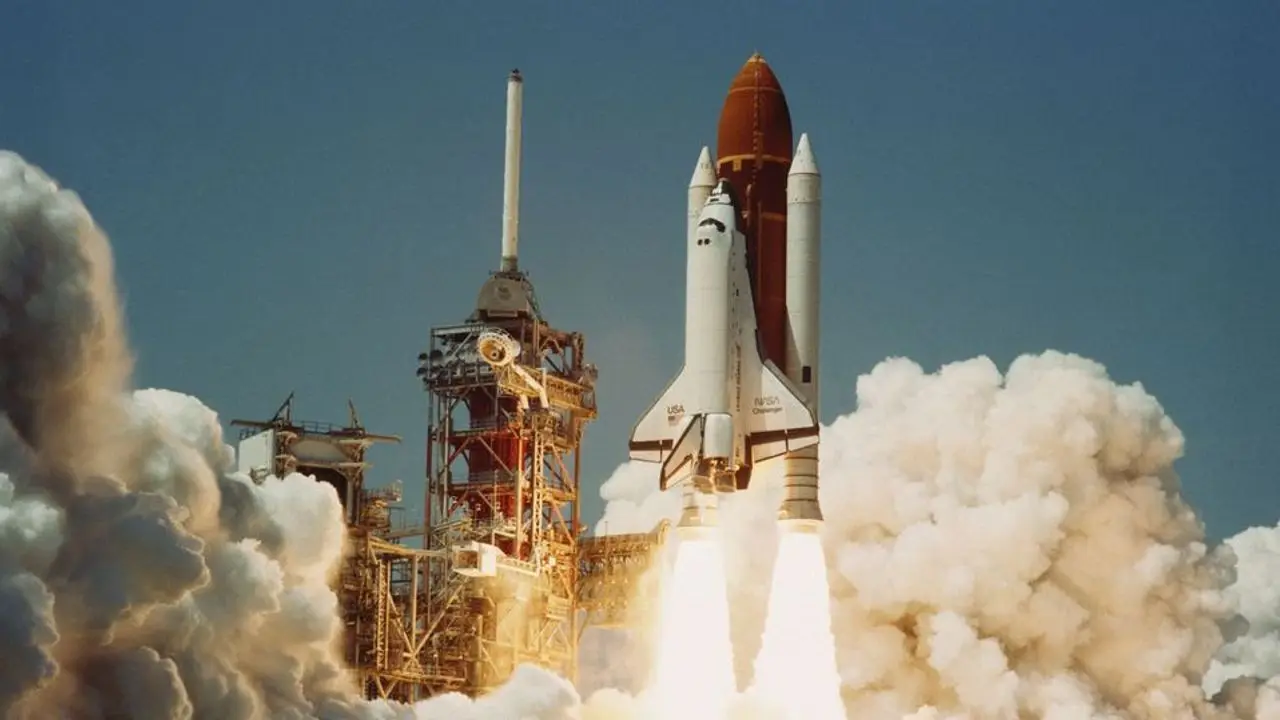
Space Shuttle Columbia Disaster (2003) - About $13 billion
After a 16-day mission, the Space Shuttle Columbia broke apart during re-entry, killing all seven astronauts onboard. The disaster cost about $13 billion to build and operate the shuttle fleet, with heavy impact on NASA’s program.
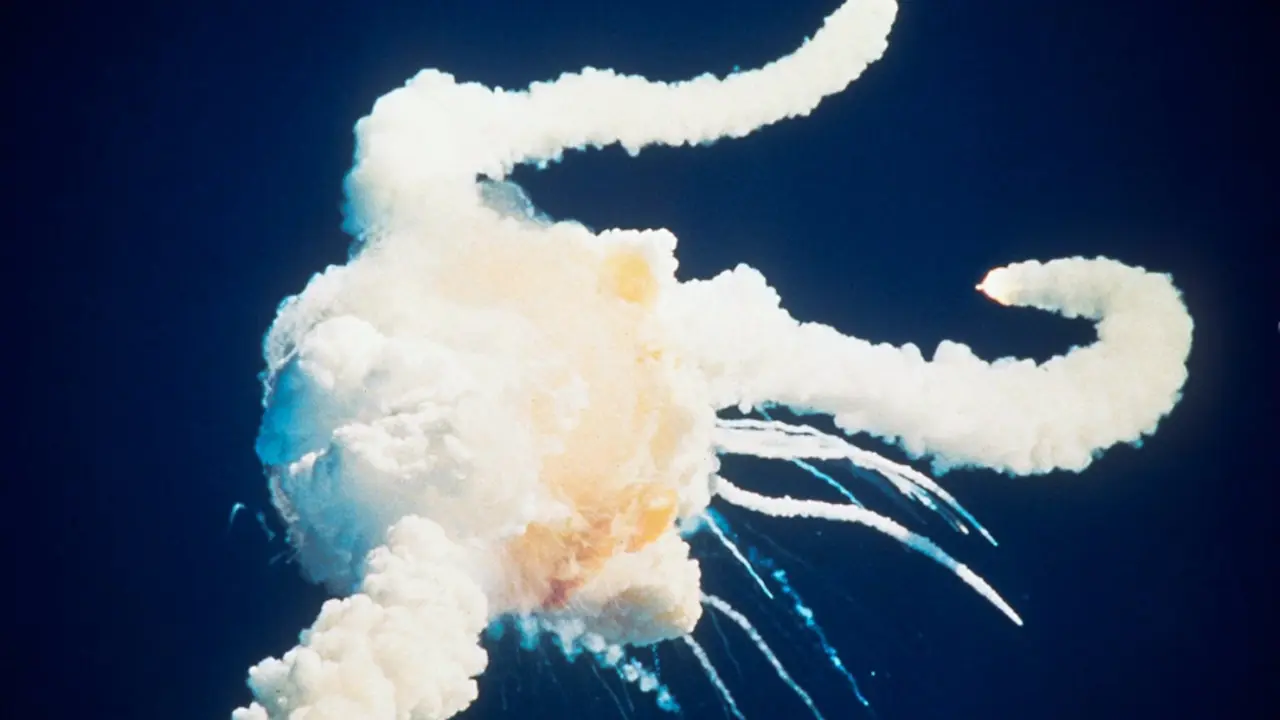
Space Shuttle Challenger Explosion (1986) - $5.5 billion
Seventy-three seconds after launch, Challenger exploded due to faulty O-rings in cold weather. The tragedy killed seven astronauts and led to losses estimated upwards of $5.5 billion in shuttle costs, deeply affecting US space efforts.
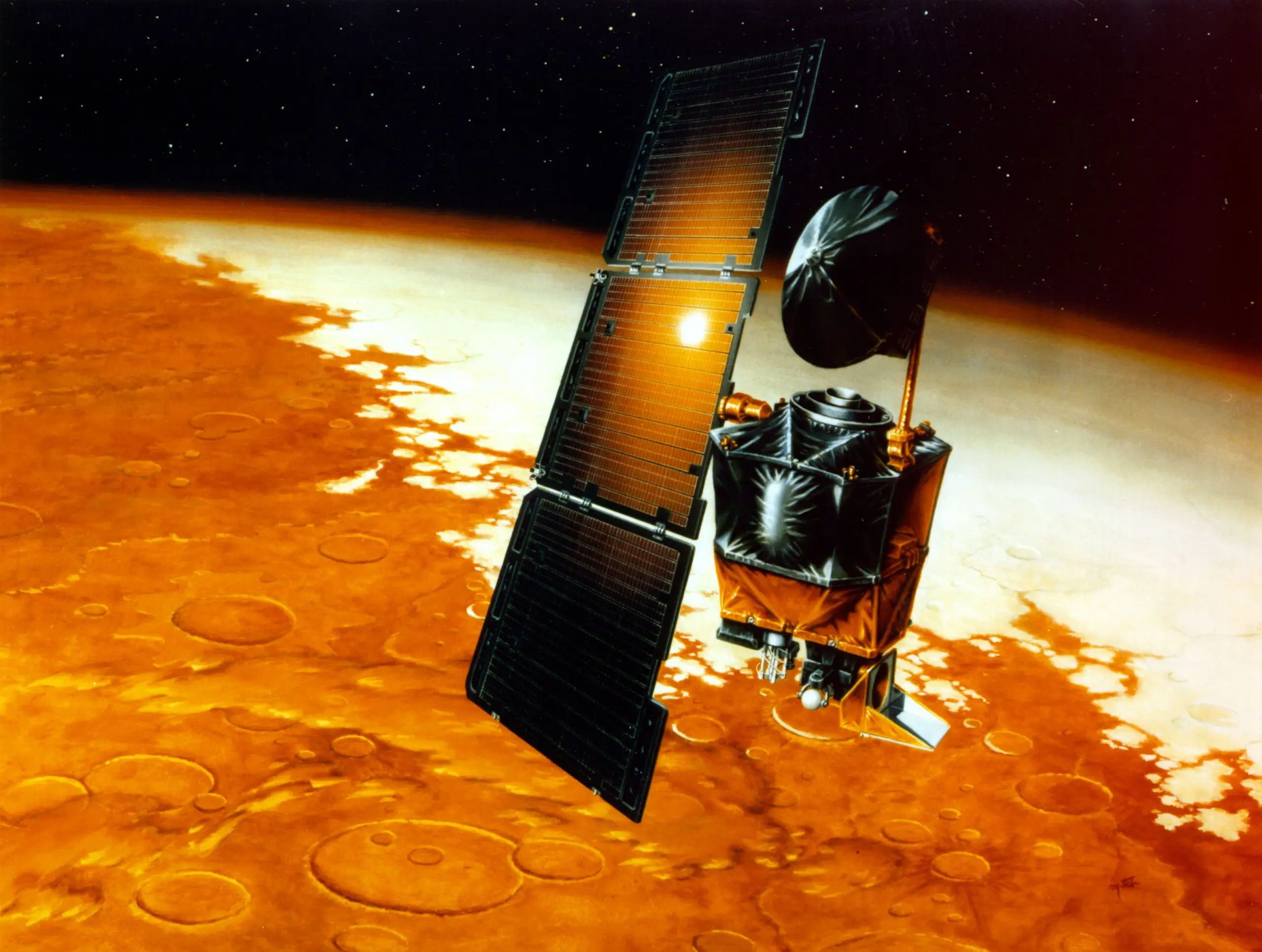
Mars Climate Orbiter Loss (1999) - $125 million
A software error caused by mixing metric and imperial units led this $125 million NASA probe to crash into Mars. The orbiter was lost just before entering orbit, marking a costly lesson about precision in engineering and communication.
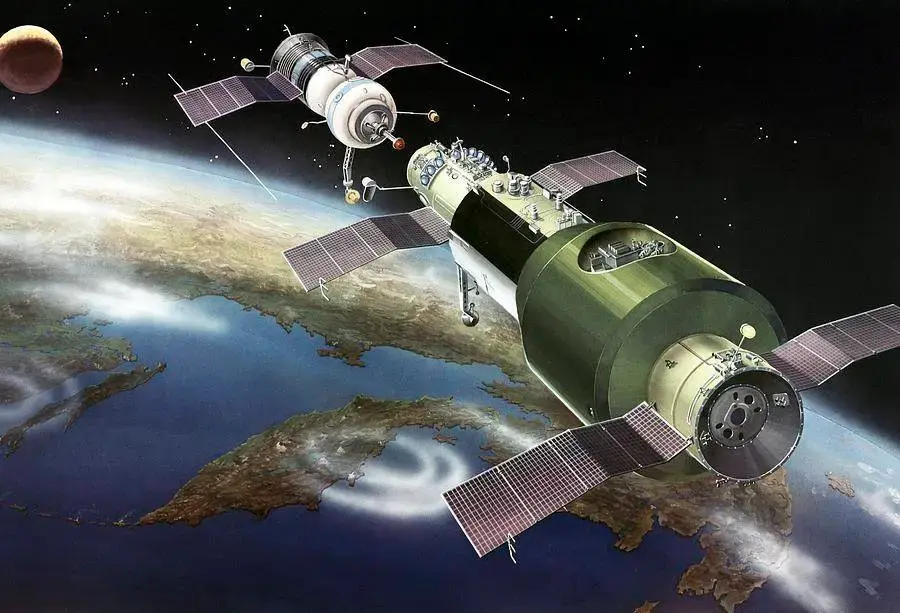
Salyut 2 Space Station Failure (1973) - $3 billion
The Soviet Salyut 2 failed when its launch rocket exploded days after launch, damaging the station beyond use. Estimated losses exceed $3 billion in today's terms, showing the vulnerability of complex space missions to launch failure.
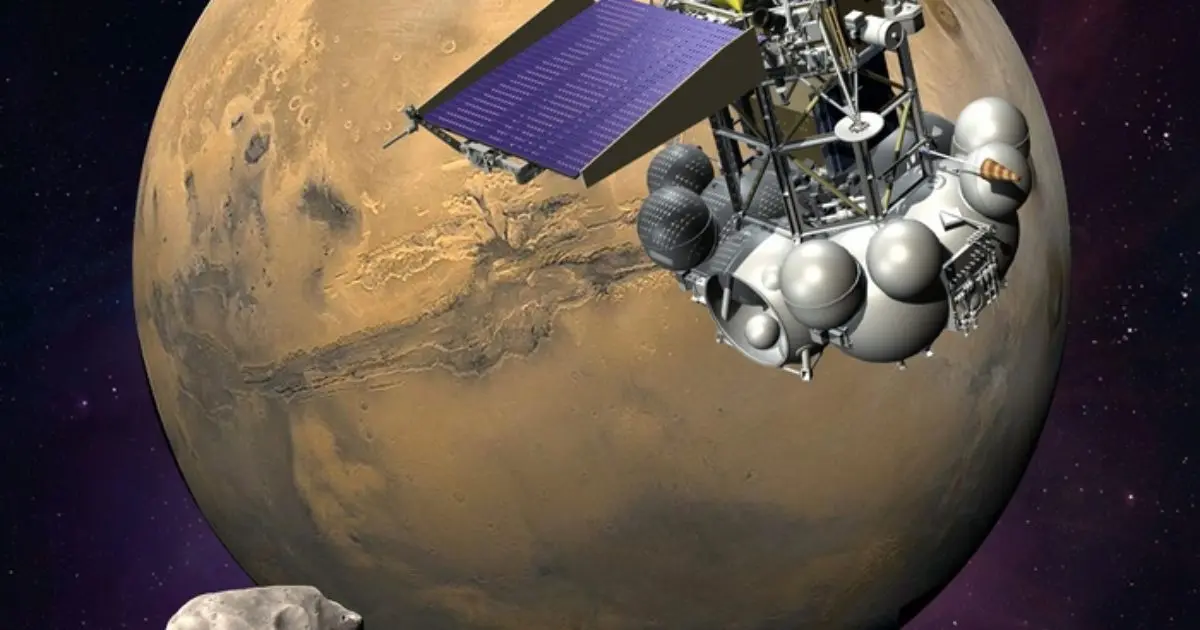
Russian Phobos-Grunt Mars Mission - $170 million (2011)
The Russia-funded Phobos-Grunt mission to Mars's moon failed to leave Earth orbit due to technical issues. Estimated losses were around $170 million. A striking case of outdated technology and system failures costing heavily.
)
)
)
)
)