5 Most Dangerous Places for Tourists

Authored By Wion Web Desk
Published: Apr 29, 2025, 11:03 IST | Updated: Apr 29, 2025, 11:03 IST
Chernobyl worst nuclear disaster in history, it led to the immediate evacuation of thousands, with long-term health and environmental effects still being studied today.
1 / 10
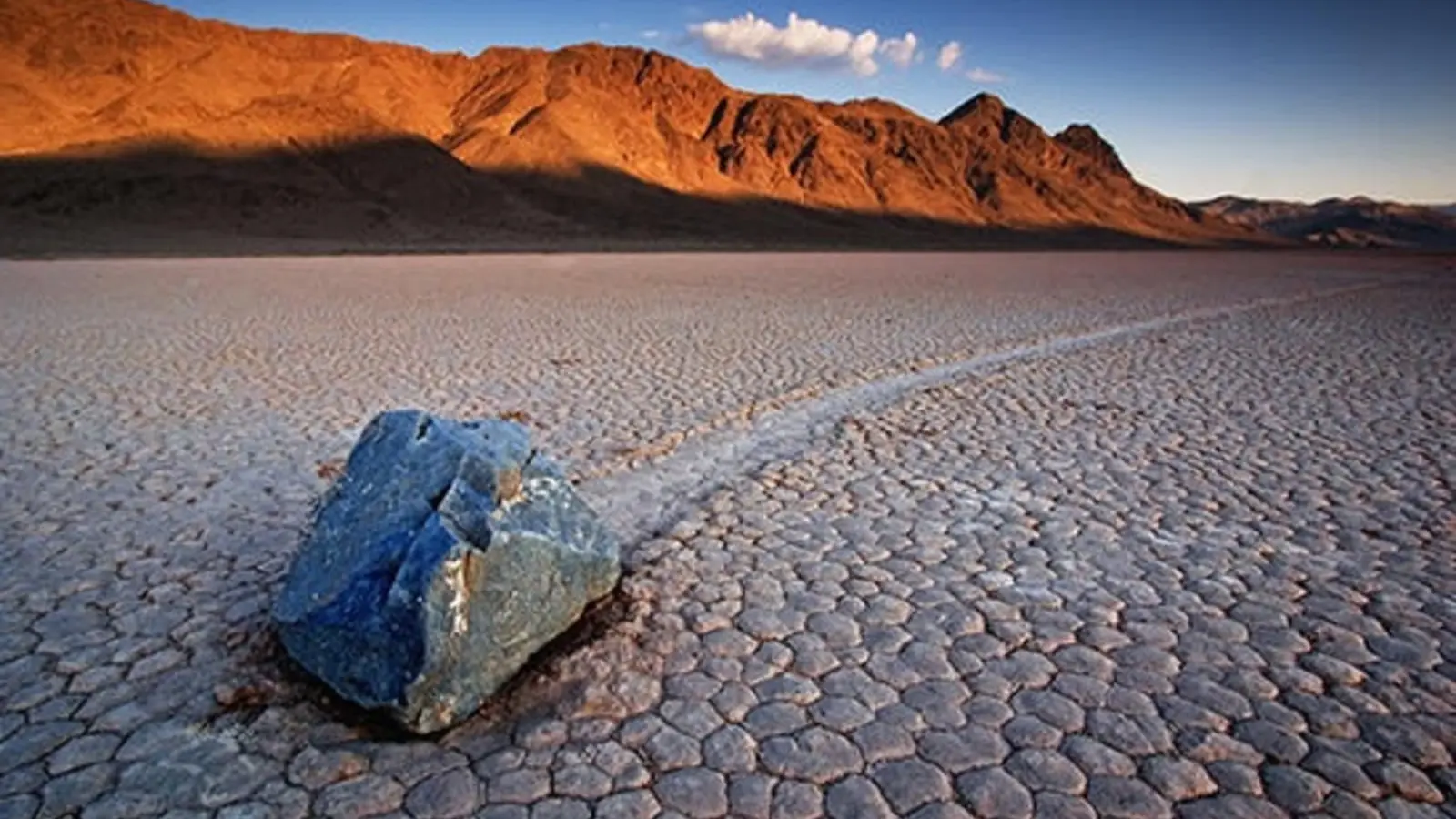
Death Valley
Extreme heat and an unforgiving desert environment. Temperatures can reach life-threatening levels in the summer. This intense heat is the main hazard for anyone visiting.
2 / 10
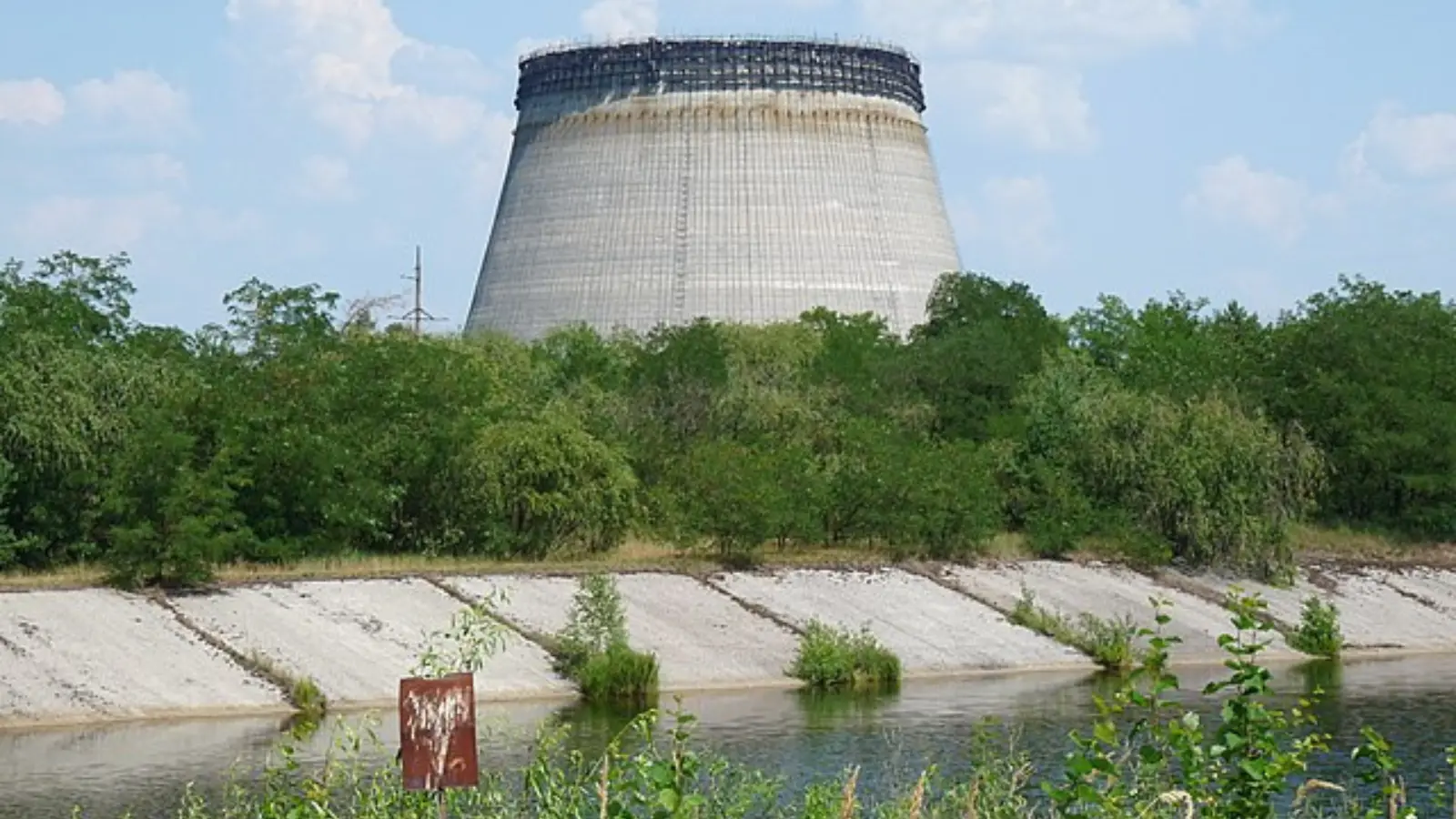
Chernobyl
The site of the 1986 nuclear disaster, Chernobyl remains a dangerous place due to radioactive contamination. Though guided tours are now available, the risk of exposure to radiation is still a concern for visitors.
3 / 10
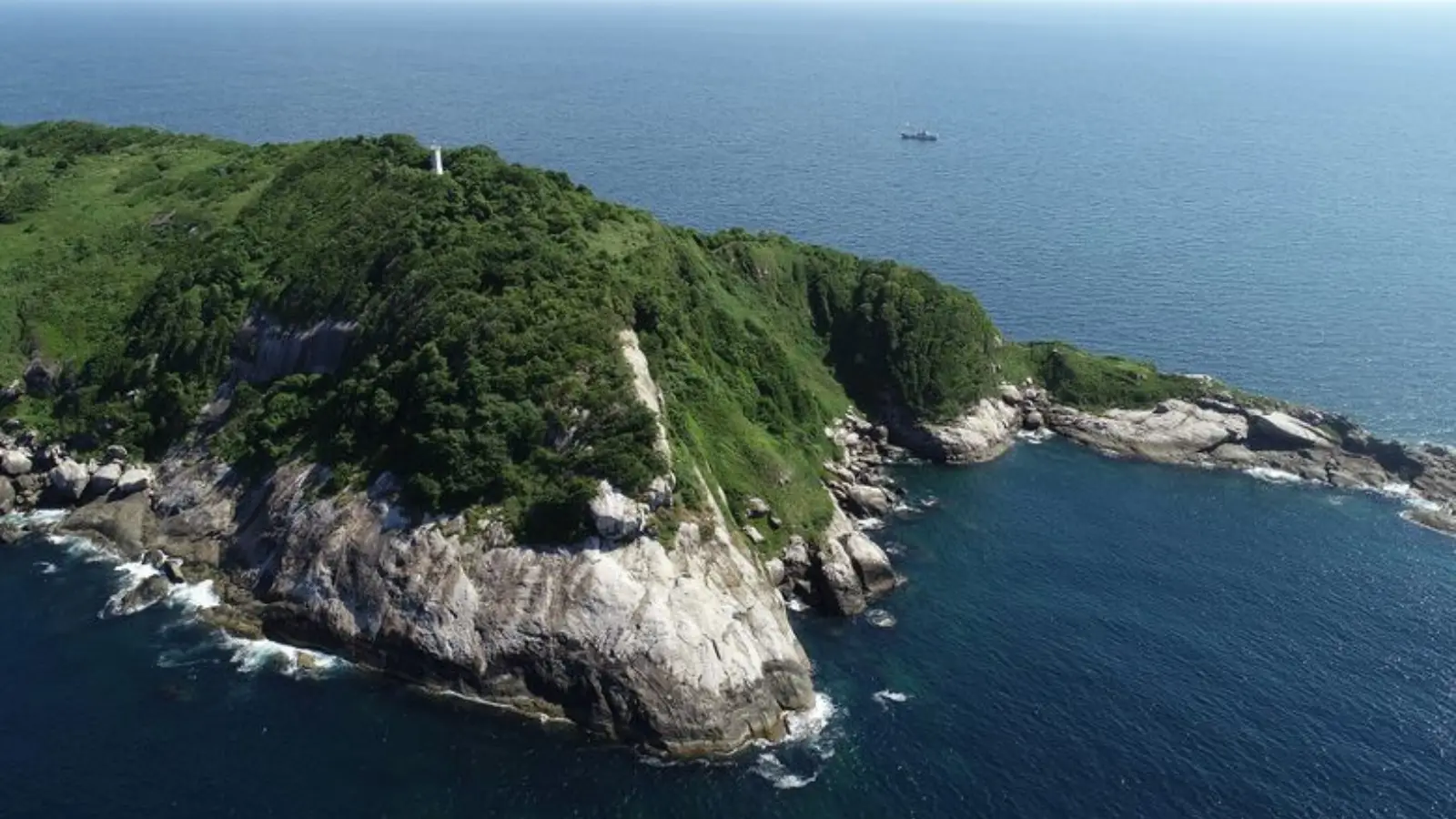
Snake Island
Highly venomous snakes everywhere. This island has one of the highest concentrations of deadly snakes in the world, making it extremely dangerous to step foot there.
4 / 10
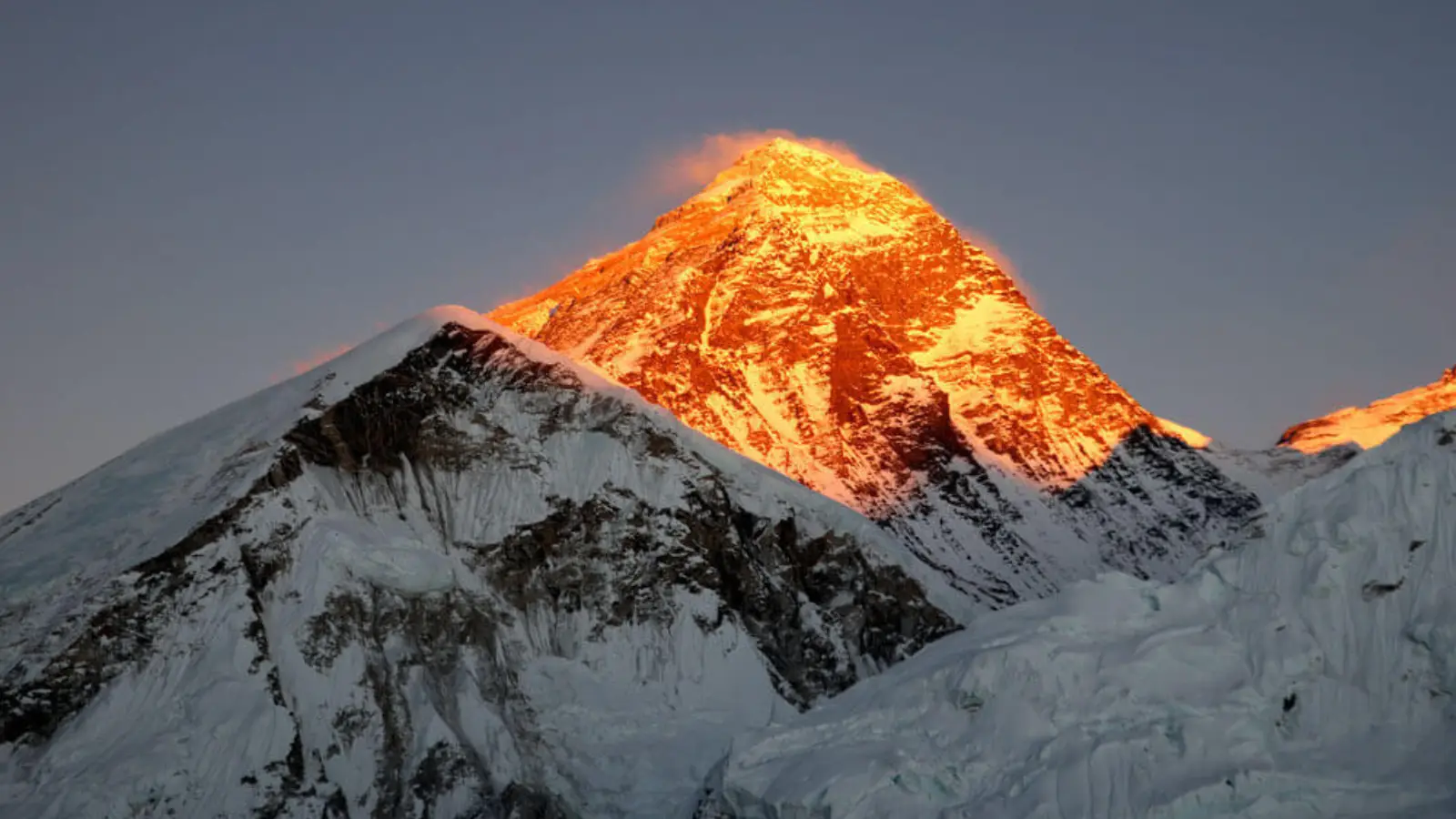
Mount Everest
Thin air and extreme altitude. Low oxygen (hypoxia) and brutal cold make Everest deadly. Climbers face life-threatening conditions the higher they go. Temperatures are well below freezing, and sudden storms or avalanches can occur.
5 / 10
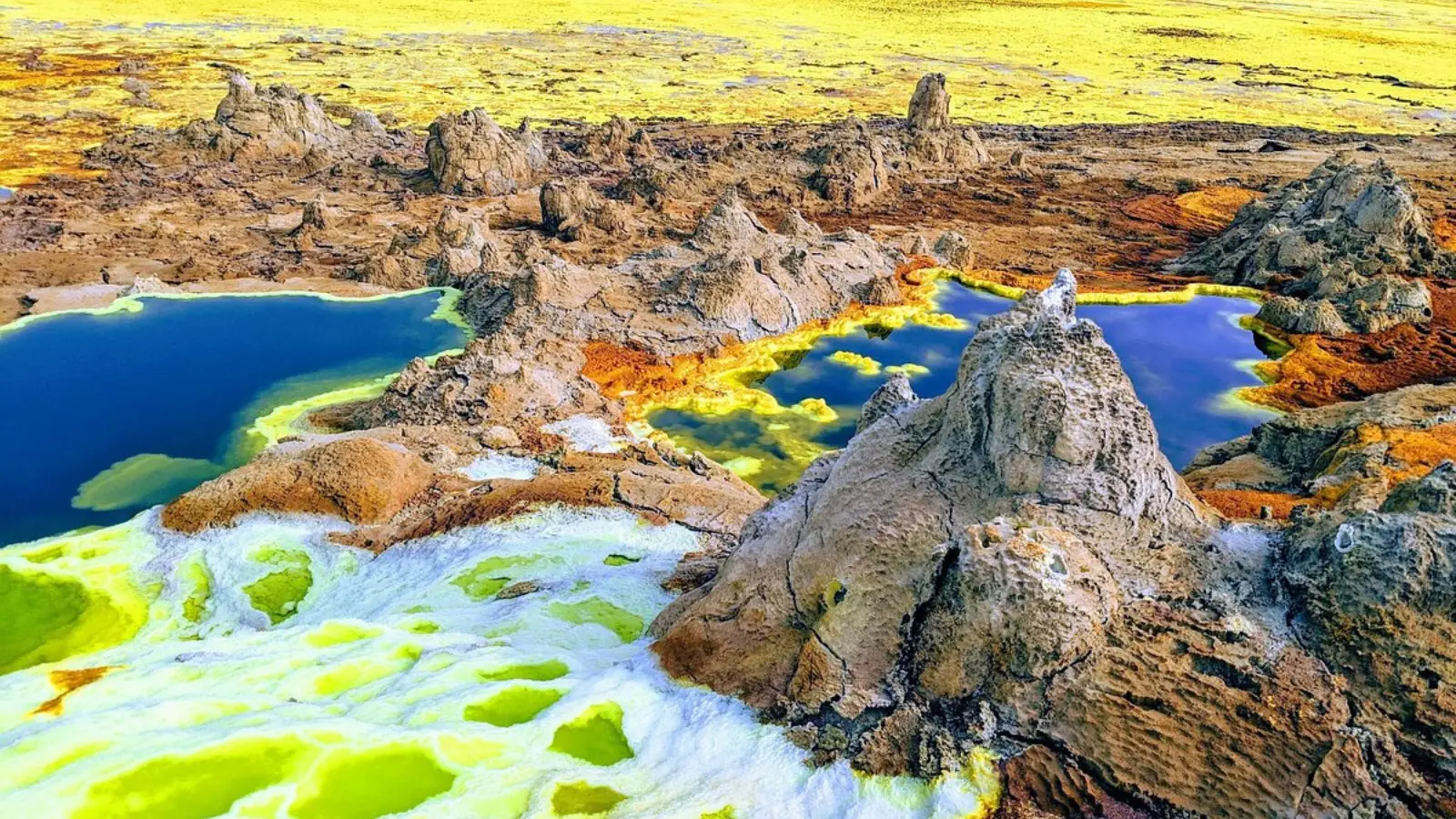
Danakil Depression
Danakil Depression is known for extreme heat and toxic natural features. The blistering temperatures and poisonous gases make this desert perilous. Heat exhaustion is a constant threat here.
6 / 10
Death Valley
Extreme heat and an unforgiving desert environment. Temperatures can reach life-threatening levels in the summer. This intense heat is the main hazard for anyone visiting.
7 / 10
Chernobyl
The site of the 1986 nuclear disaster, Chernobyl remains a dangerous place due to radioactive contamination. Though guided tours are now available, the risk of exposure to radiation is still a concern for visitors.
8 / 10
Snake Island
Highly venomous snakes everywhere. This island has one of the highest concentrations of deadly snakes in the world, making it extremely dangerous to step foot there.
9 / 10
Mount Everest
Thin air and extreme altitude. Low oxygen (hypoxia) and brutal cold make Everest deadly. Climbers face life-threatening conditions the higher they go. Temperatures are well below freezing, and sudden storms or avalanches can occur.
10 / 10
Danakil Depression
Danakil Depression is known for extreme heat and toxic natural features. The blistering temperatures and poisonous gases make this desert perilous. Heat exhaustion is a constant threat here.
)
)
)
)
)