5 military strategies Cambodia could use without fighter jets or bombers against Thailand

In the event of a full-scale military escalation with Thailand, Cambodia may not match its neighbour’s aerial strength. However, modern warfare isn't solely won in the skies. Cambodia could still adopt asymmetric and cost-effective strategies to defend its territory.
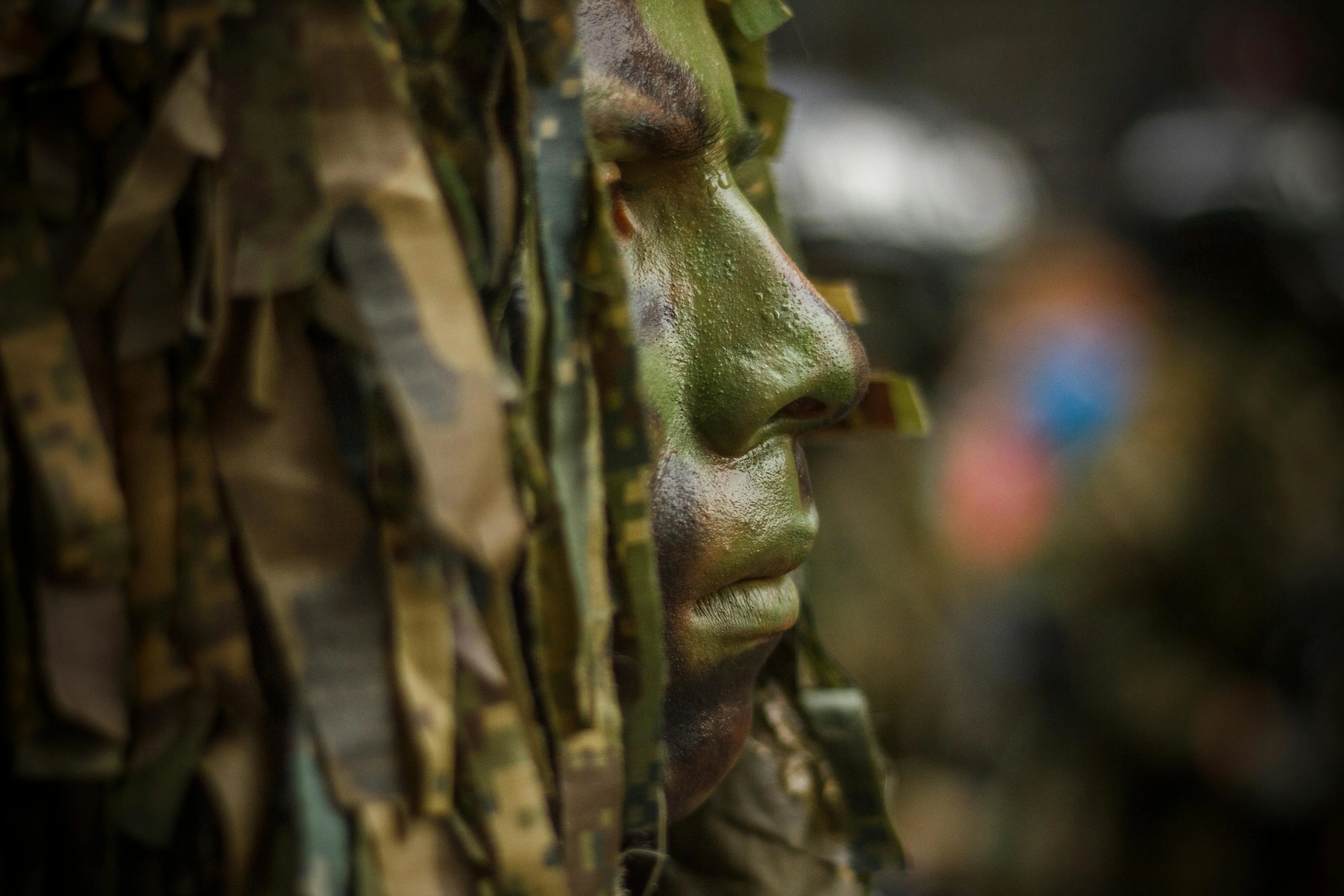
Guerrilla Warfare in Dense Terrain
Cambodia’s heavily forested and mountainous regions offer ideal conditions for guerrilla warfare. Small, mobile units could use knowledge of local terrain to launch hit-and-run attacks, disrupt enemy supply lines, and avoid direct confrontation with larger, better-equipped forces. This tactic has deep roots in Southeast Asia, especially during the Vietnam War.
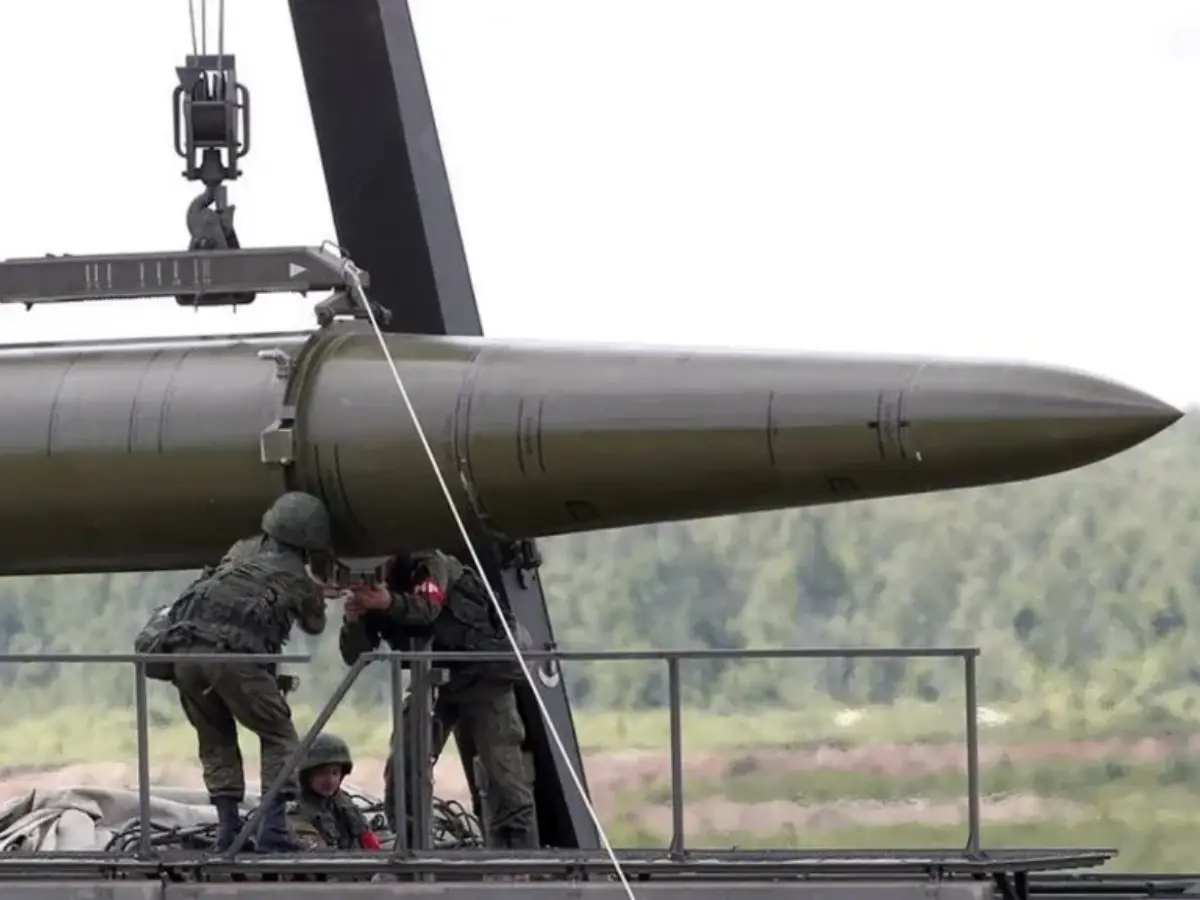
Anti-Aircraft and Ground-to-Air Missile Defence
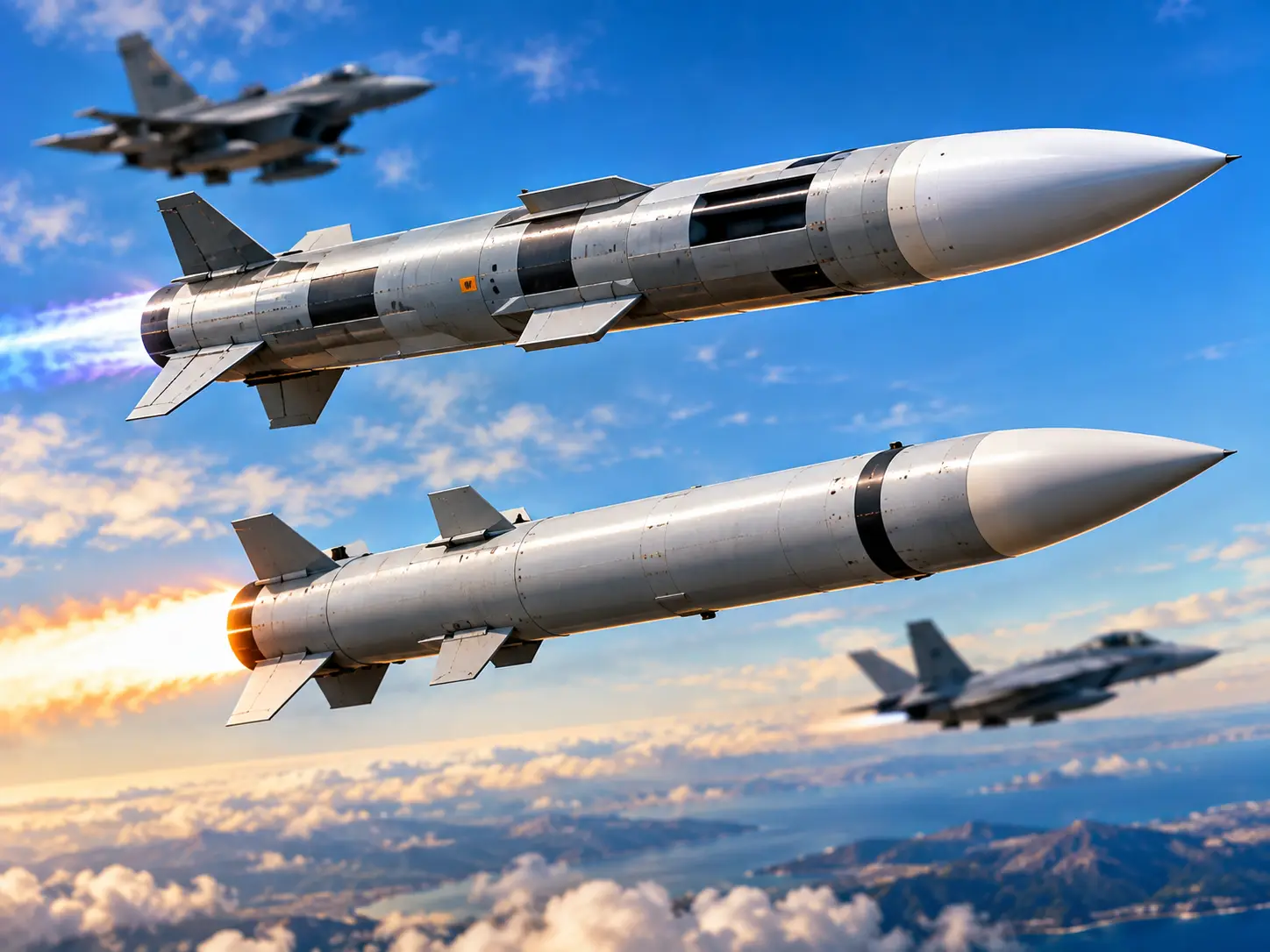
While Cambodia may lack fighter jets, it could invest in mobile surface-to-air missile systems (SAMs) or man-portable air defence systems (MANPADS). These can be deployed to protect key areas like military bases, cities, or strategic infrastructure, serving as a deterrent against Thai air raids.
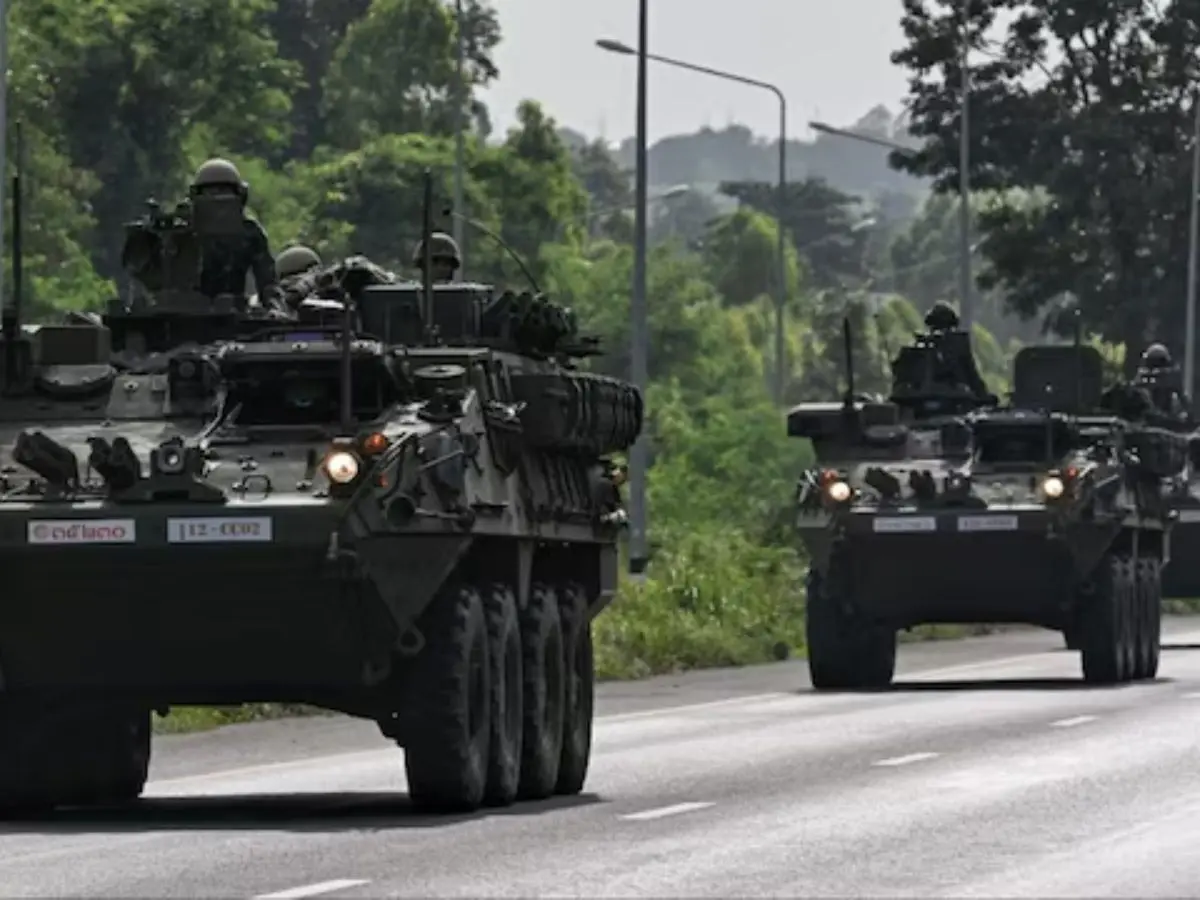
Cyber Warfare and Communication Disruption
Modern military conflicts increasingly involve cyber capabilities. Cambodia could attempt to interfere with Thailand's communications, radar systems, or supply logistics through hacking operations. Even limited cyber offensives could delay or disorient Thai operations, especially in the early stages of conflict.
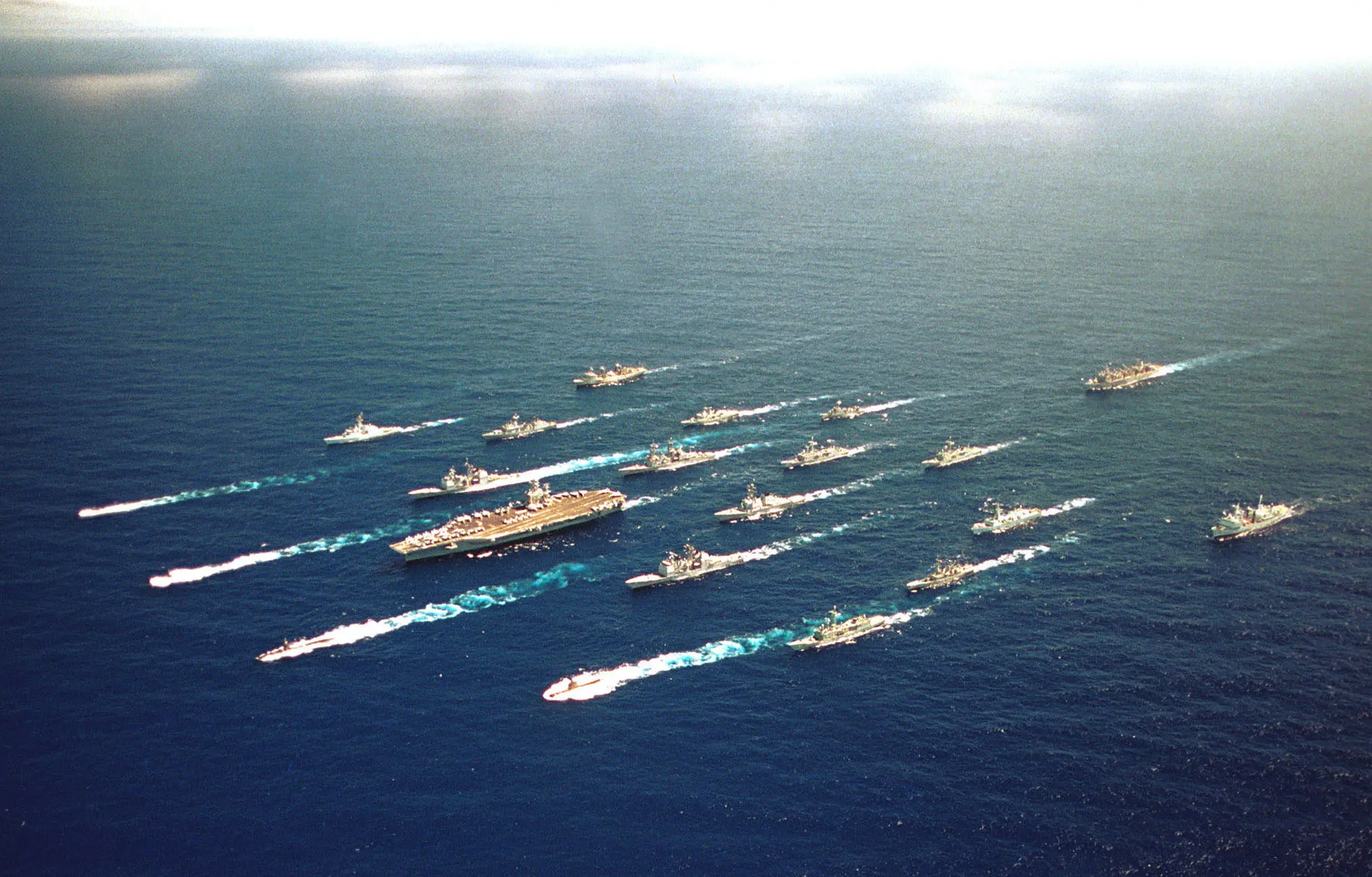
Naval and Riverine Defences
Though landlocked except for its coastline along the Gulf of Thailand, Cambodia could use small, fast patrol boats in shallow waters and rivers to disrupt any Thai advances through maritime routes. These defences could also protect coastal military assets and supply chains.
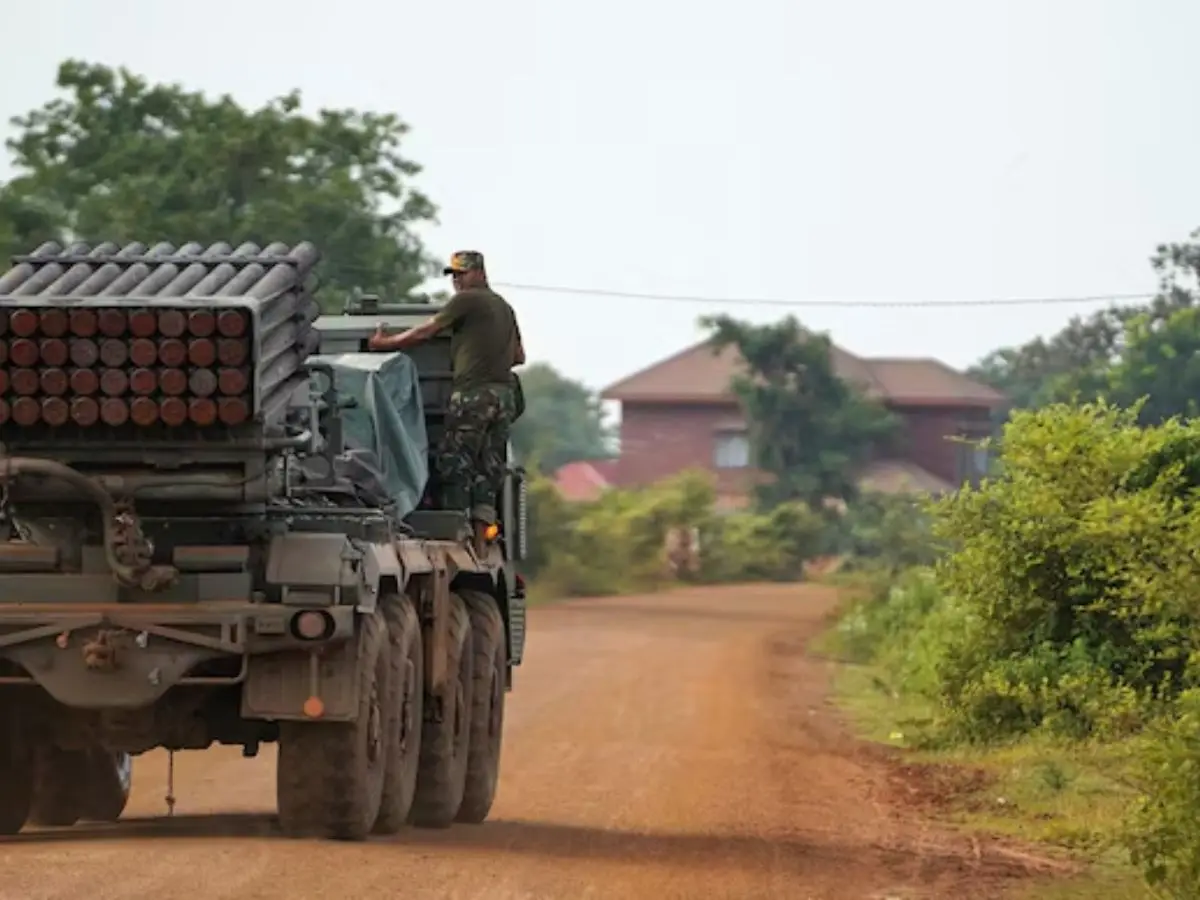
Alliance Building and Foreign Military Support
Cambodia could engage diplomatically with regional powers such as China or ASEAN members to discourage Thai aggression or gain indirect military assistance like intelligence sharing, equipment, or advisory support. Diplomatic pressure can also influence international response and restrict Thailand’s room for escalation.
)
)
)
)
)