5 materials that could make fighter jets nearly invisible to radar

Five materials, including metamaterials, graphene, MXene, carbon nanotubes, and advanced ceramics, could revolutionise aircraft stealth technology. Which materials will shape invisible aircraft? Know more below.
Metamaterials - The Shape-Shifting Wonder
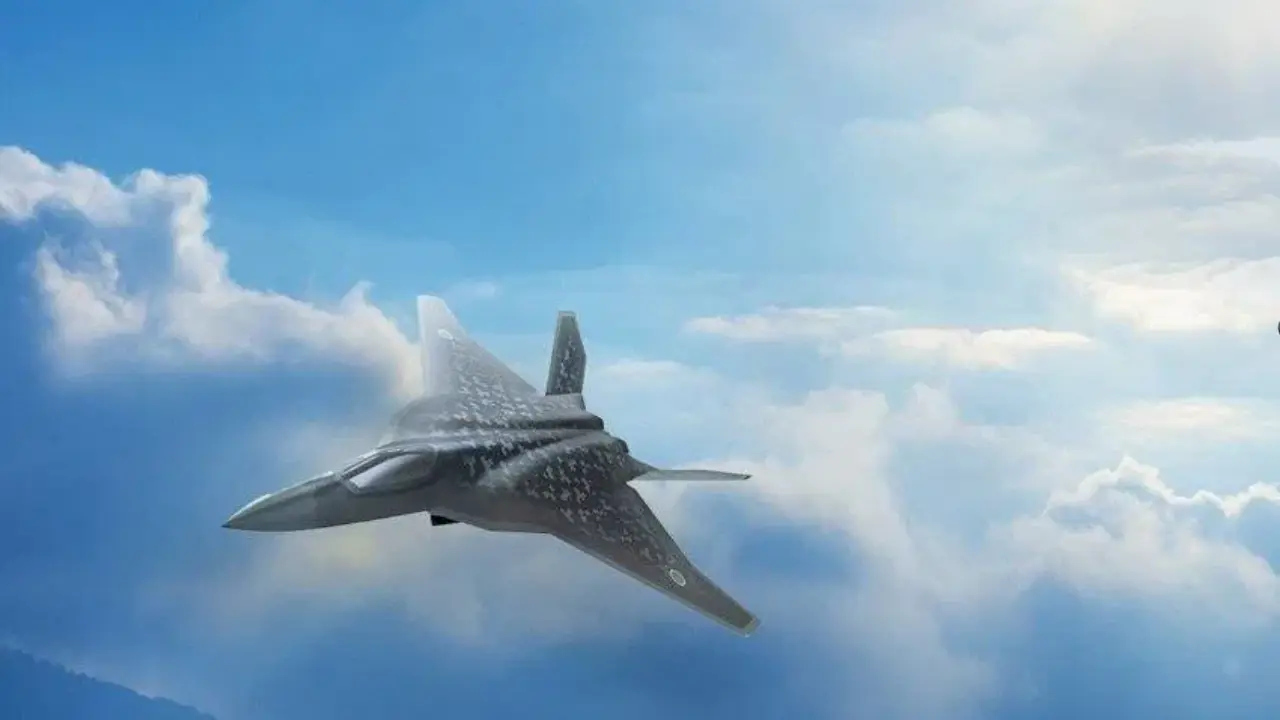
Metamaterials are artificial materials engineered to manipulate electromagnetic waves in ways natural materials cannot. According to reports from the Indian Institute of Technology Kanpur, these materials can absorb or deflect radar signals by bending waves around objects.
Graphene - The Miracle Carbon Layer
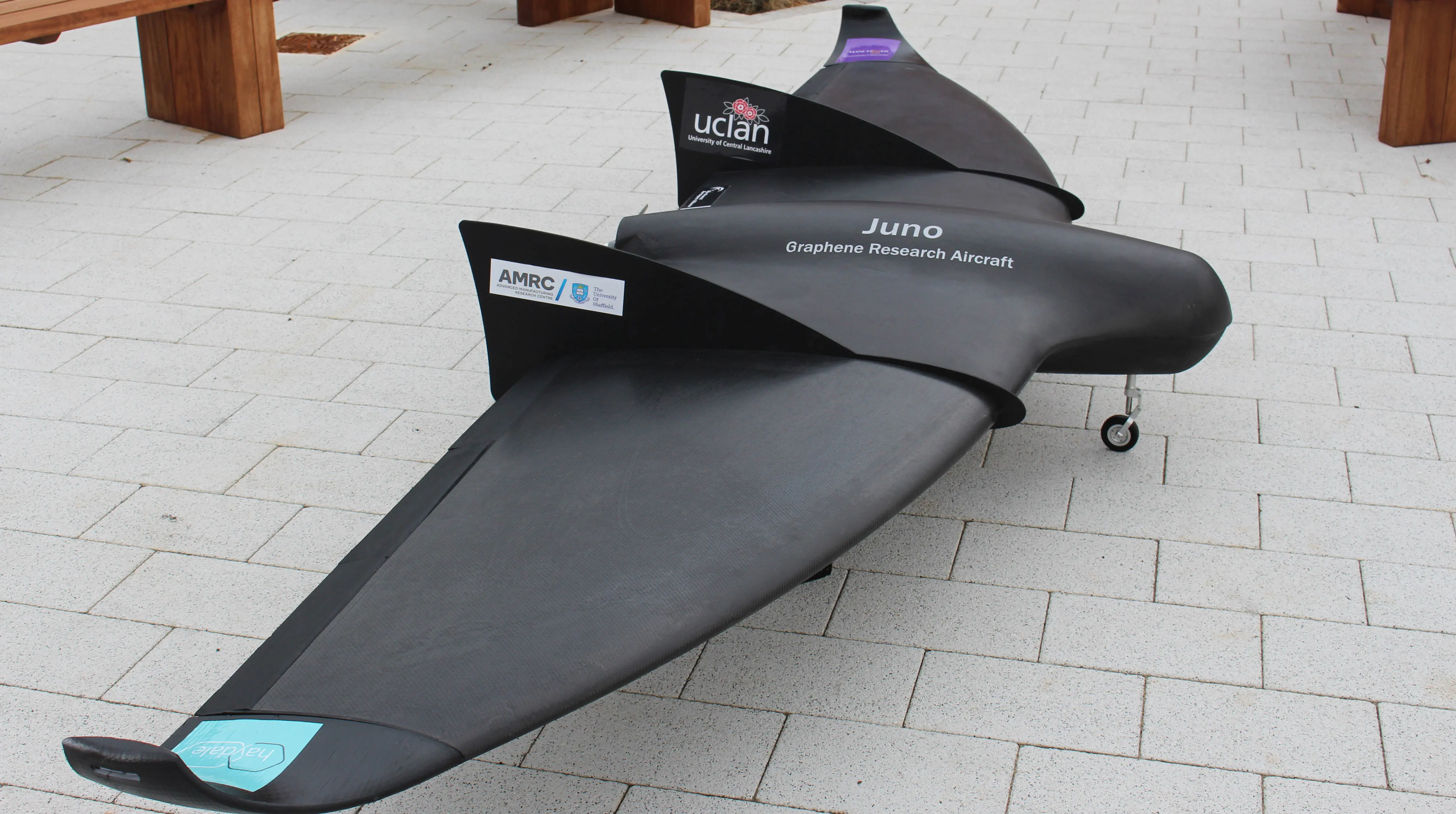
Graphene exhibits exceptional electrical conductivity and can effectively absorb electromagnetic waves, converting them to heat. As per research published in scientific journals, this single-atom-thick carbon layer offers broad frequency absorption capabilities while remaining lightweight and flexible.
MXene - The New Two-Dimensional Marvel
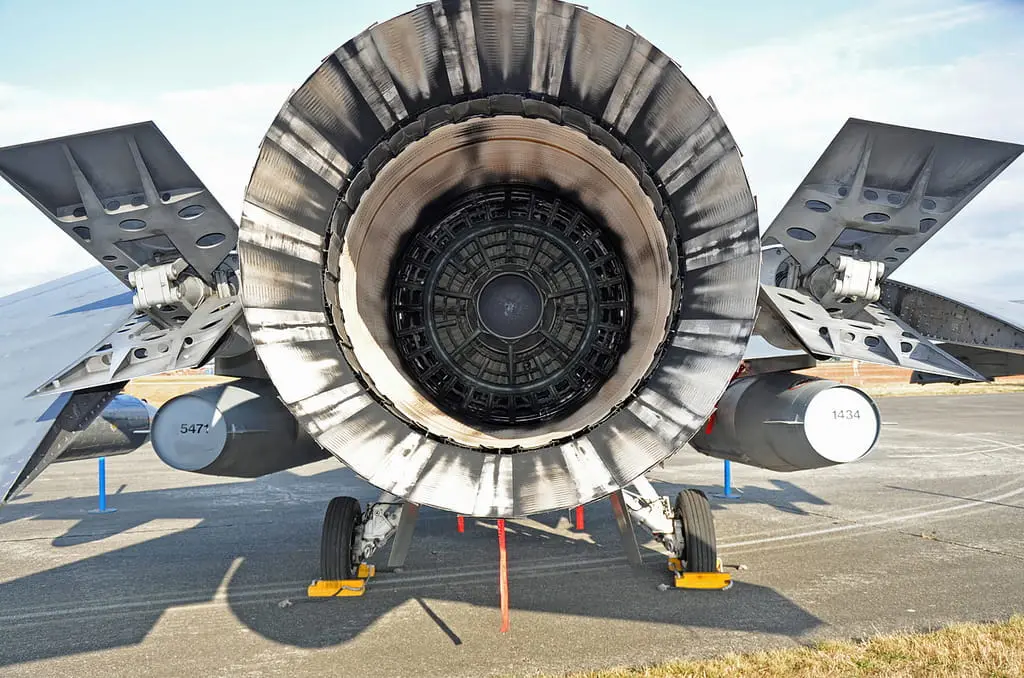
MXene materials, discovered in 2011, are two-dimensional carbides that show remarkable radar absorption properties. According to NASA research databases, these materials can achieve over 99 per cent absorption efficiency in specific frequency ranges while maintaining structural integrity at extreme temperatures.
Carbon Nanotubes - Cylindrical Radar Traps
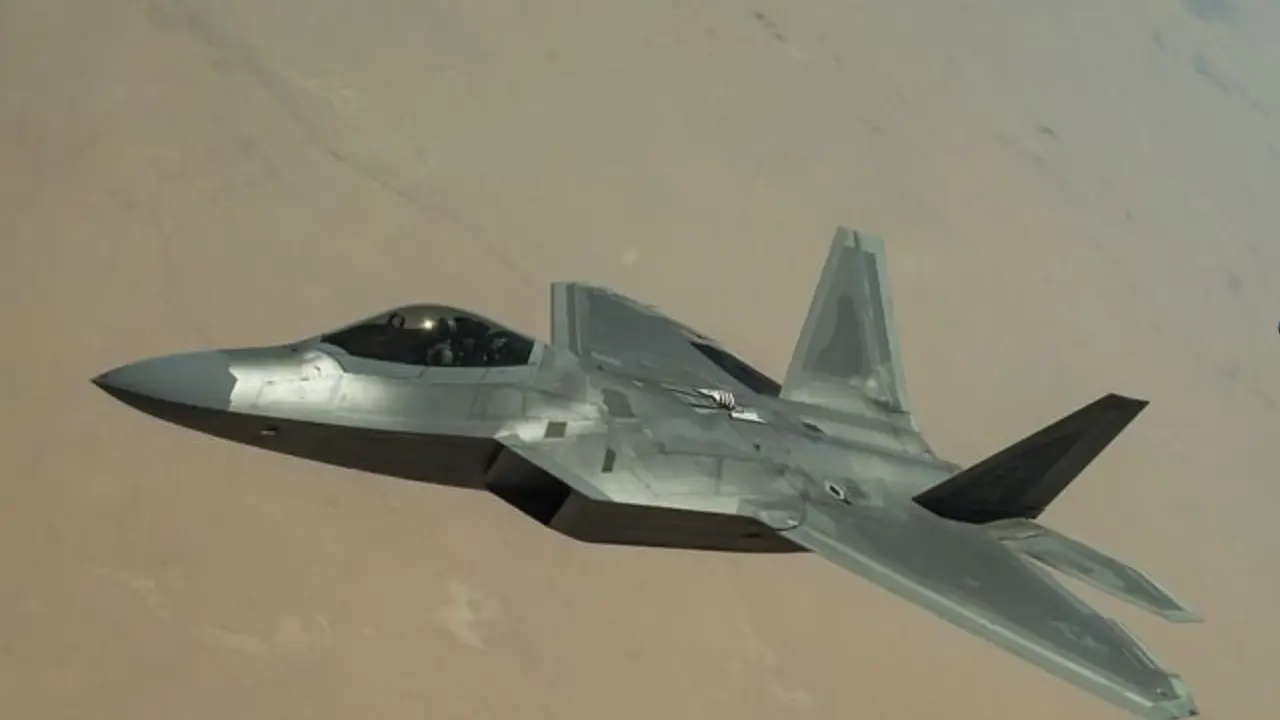
Carbon nanotubes can absorb radar waves across multiple frequencies due to their unique cylindrical structure. As reported in defence research publications, these materials scatter radar waves in all directions and have been incorporated into advanced fighter aircraft coatings.
Advanced Ceramics - Heat-Resistant Stealth Solutions
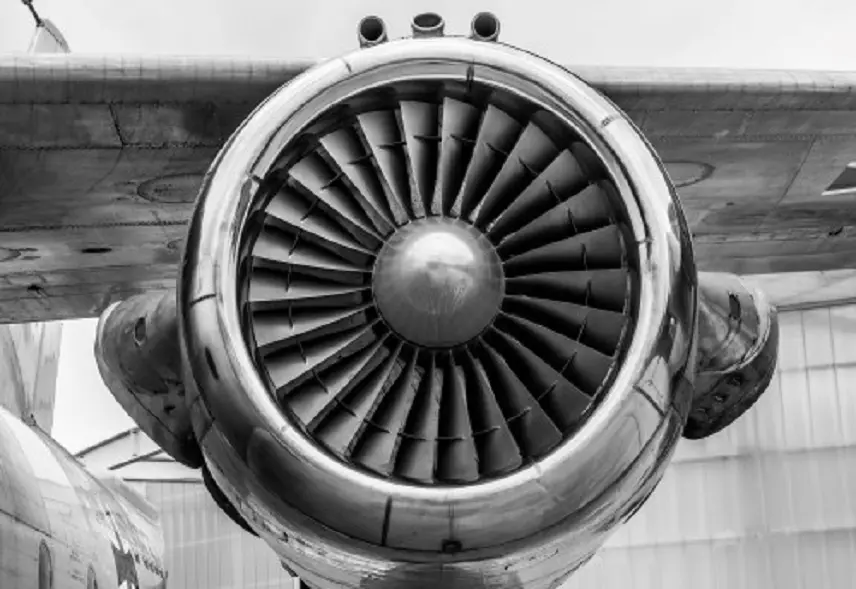
New ceramic materials developed by researchers can absorb over 90 per cent of radar energy while withstanding temperatures up to 1,800°C, according to university studies. Unlike polymer-based coatings, these ceramics resist water damage and maintain effectiveness in harsh conditions.
Combining Materials for Maximum Effect
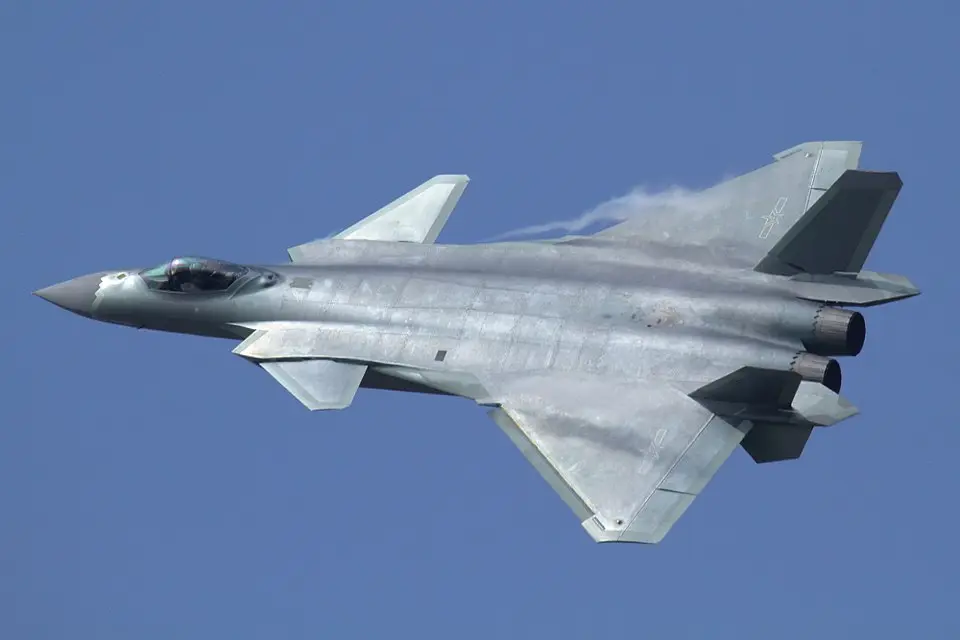
Modern stealth aircraft use multiple materials in layered configurations to achieve broad-spectrum invisibility. Defence industry reports suggest that composite approaches combining graphene, ceramics, and carbon structures provide the most comprehensive radar absorption.
The Future of Aircraft Invisibility
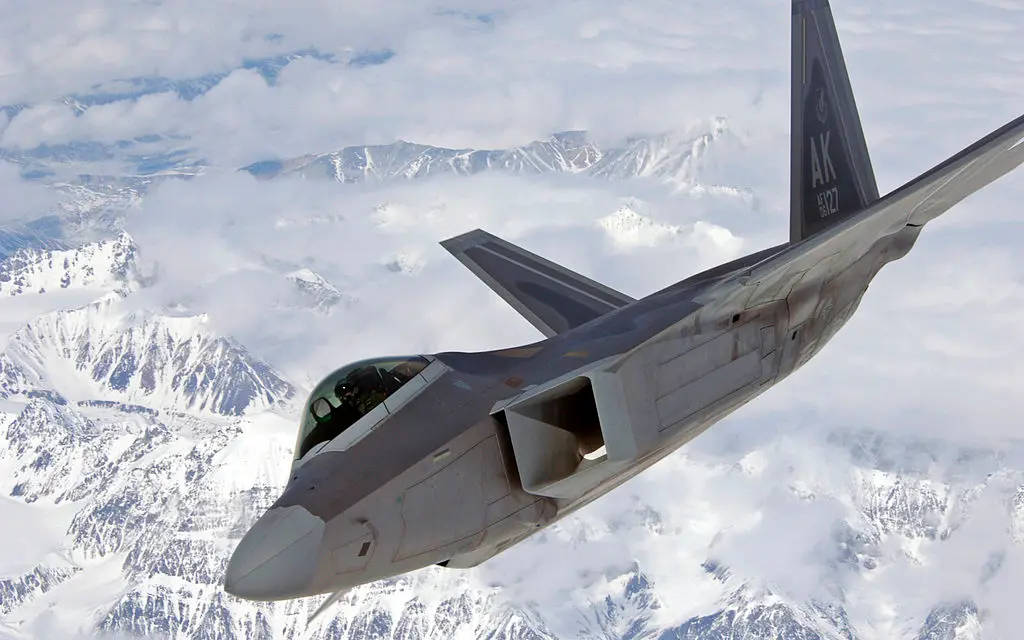
Research continues into next-generation materials that could make aircraft nearly undetectable across all radar frequencies. Scientists are exploring adaptive coatings that respond to different threat frequencies in real-time.
)
)
)
)
)