5 living animal species that are older than dinosaurs

Discover five animal species even older than dinosaurs: jellyfish, nautilus, horseshoe crab, sponge, and coelacanth. These ancient survivors show how life adapts through deep time, outlasting extinction events across millions of years.
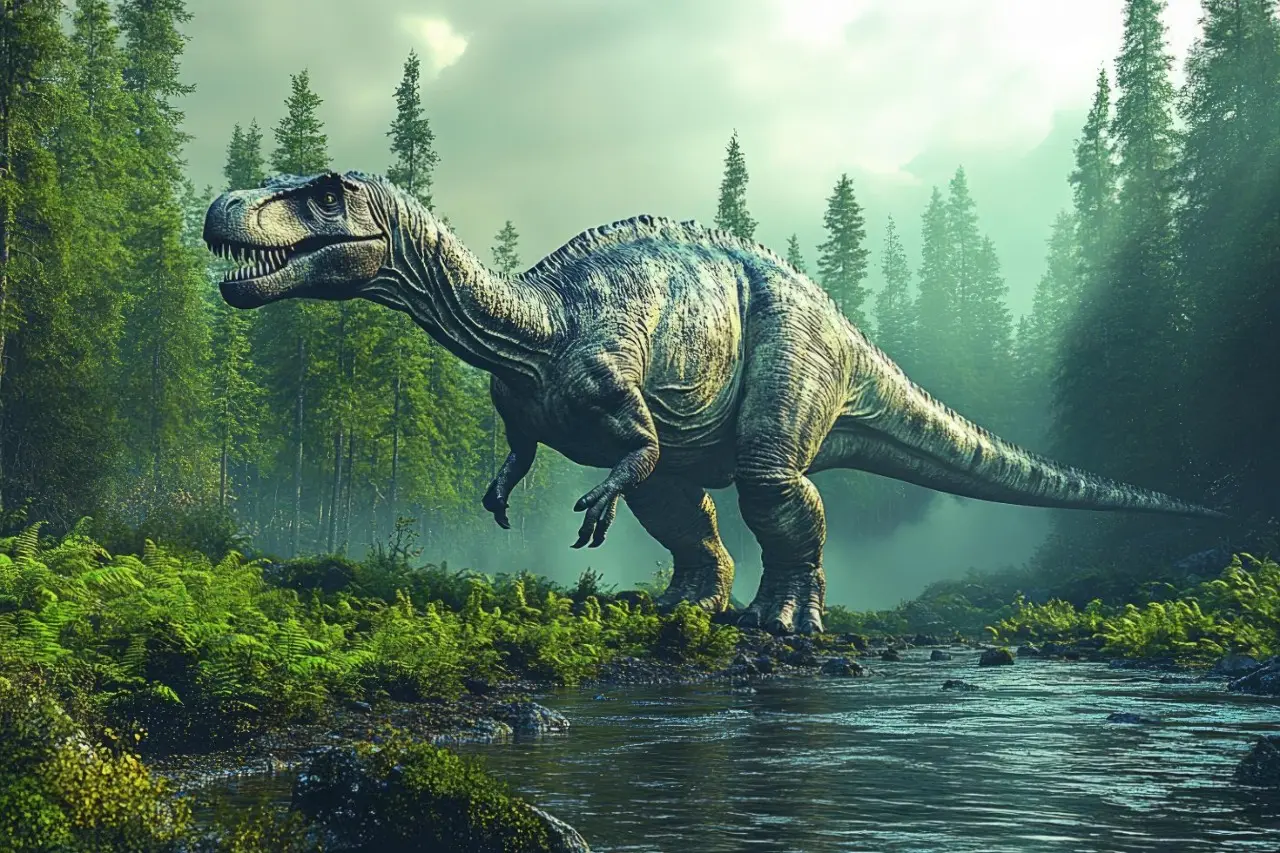
The world’s oldest living animals
Long before Tyrannosaurus rex or Triceratops (Dinosaurs) walked the Earth, these special creatures had survived for hundreds of millions of years, adapting as the planet changed around them.
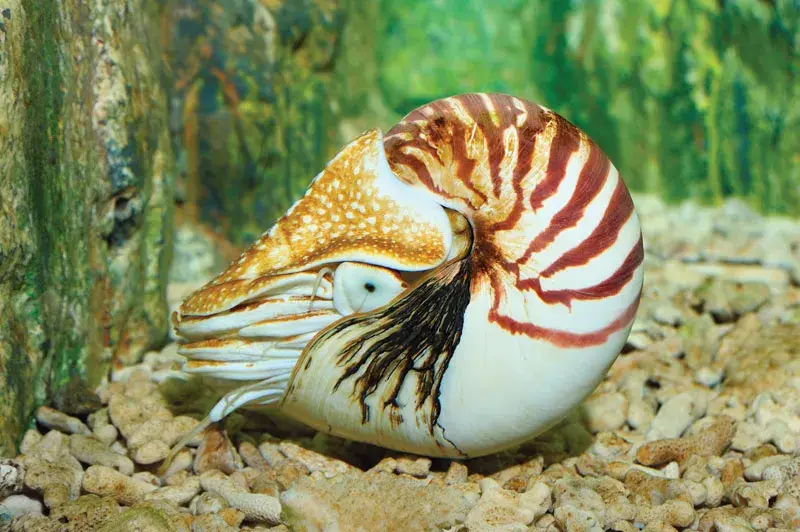
Nautilus 500 million years old
The nautilus, with its spiral shell, has changed little in half a billion years. Found in Indo-Pacific seas, it uses jet propulsion to swim. Fossils show nautiluses have been around for 500 million years, which makes them one of the oldest known animal groups.
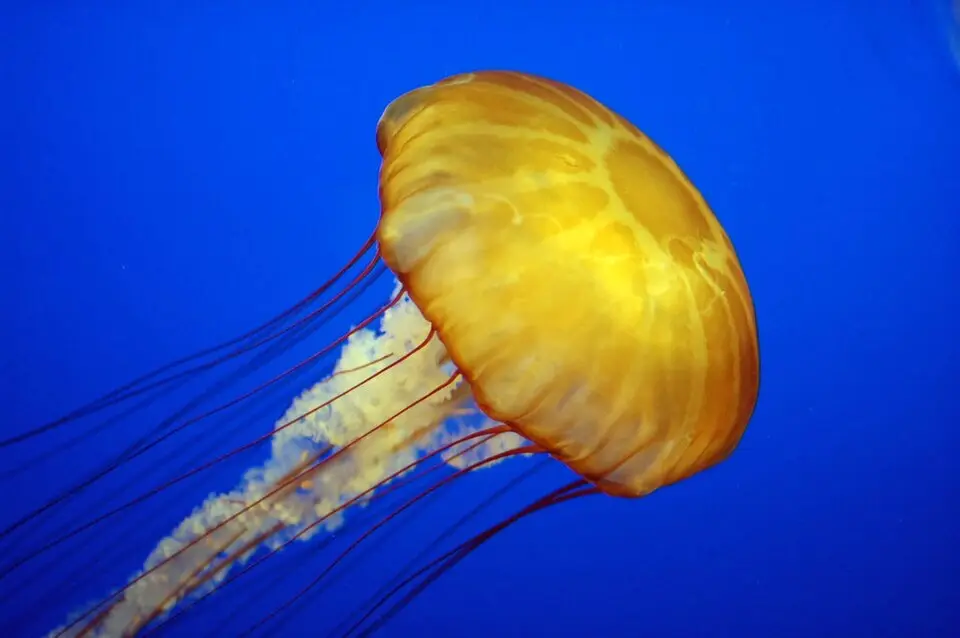
Jellyfish over 500 million years old
Jellyfish first appeared over 500 million years ago, possibly even earlier, floating through Earth’s ancient seas. They have no bones or brain; however, they have survived Earth’s biggest mass extinctions.
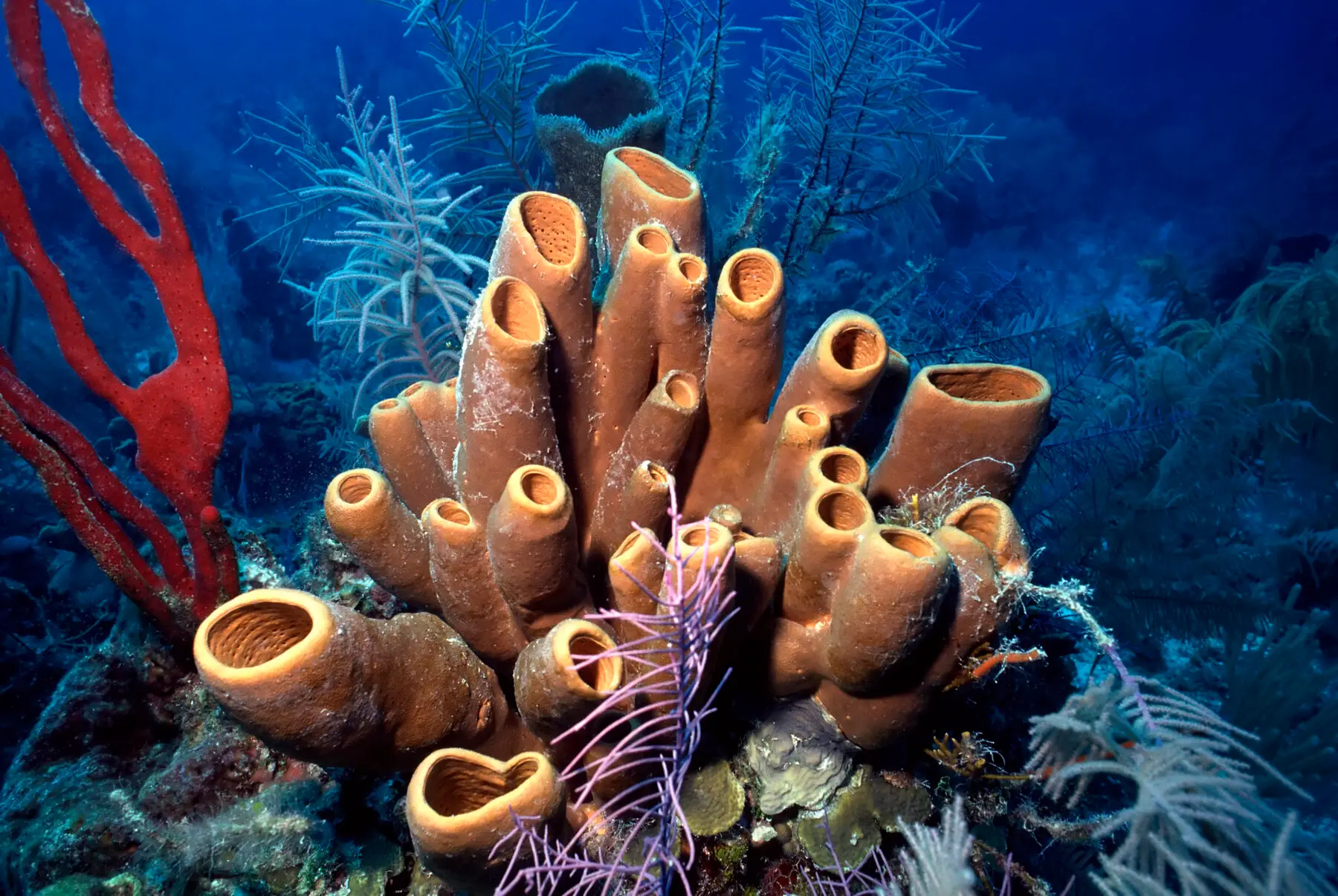
Sponge about 600 million years old
Sponges may be the oldest animal group ever discovered, with fossils dating back 600 million years. These sea creatures have simple bodies with no organs, yet thrive in oceans worldwide. Recent research suggests sponges branched off before most animal life began.
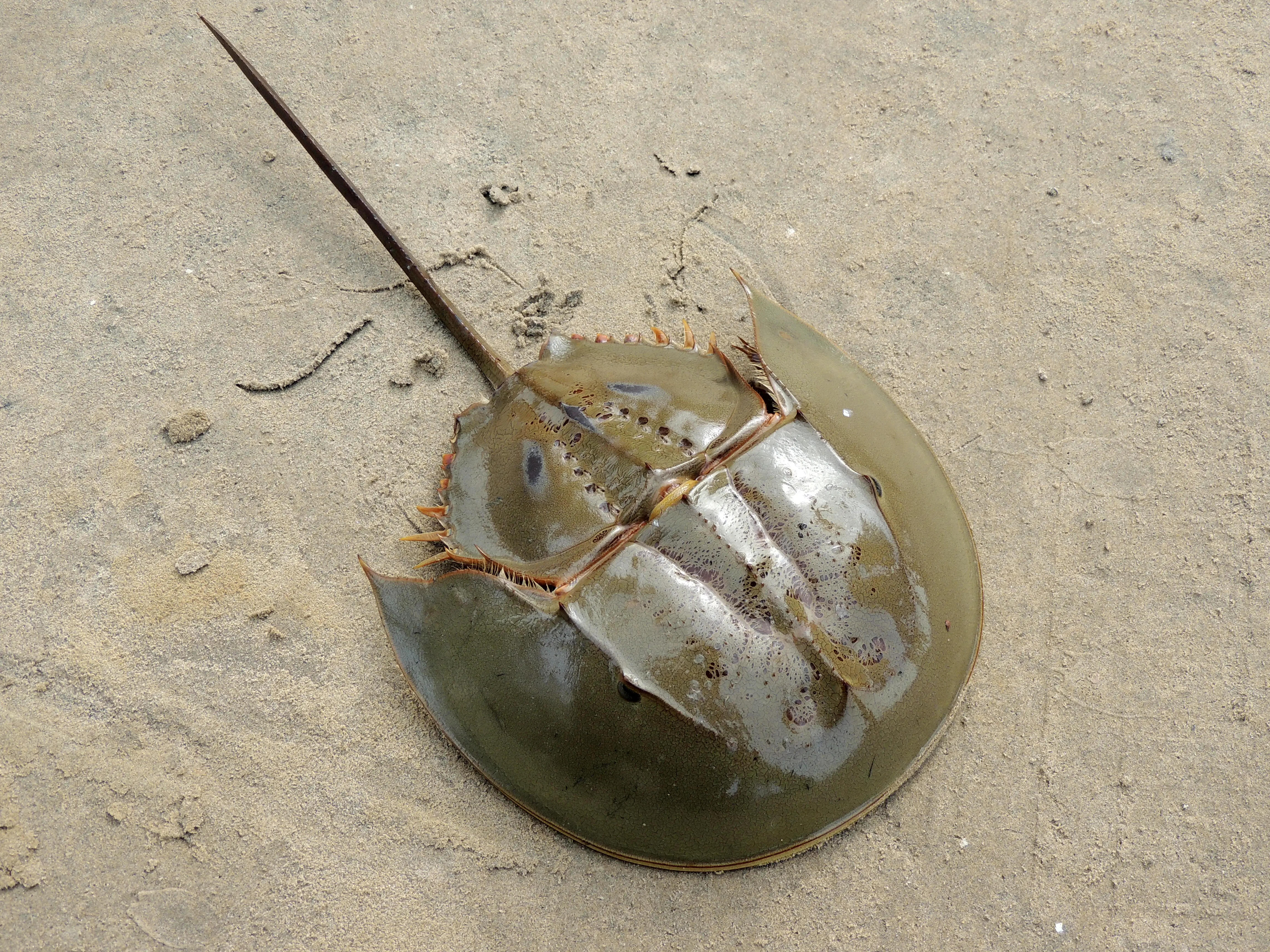
Horseshoe crabs are around 450 million years old
Horseshoe crabs have existed since before the dinosaurs, for about 450 million years. Their hard shells and blue blood have helped them survive disasters that wiped out many other species.
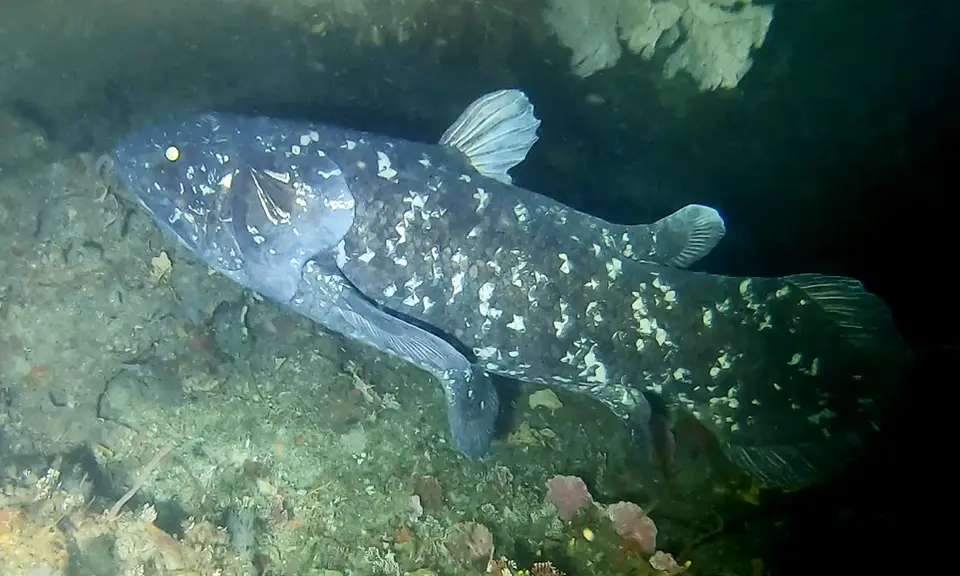
Coelacanths are considered around 400 million years old
Coelacanths - people thought it have become extinct until a catch in 1938; tracing their line back about 400 million years. These deep-sea fish have lobe-finned bodies and are sometimes called living fossils. because they closely resemble their ancient ancestors.
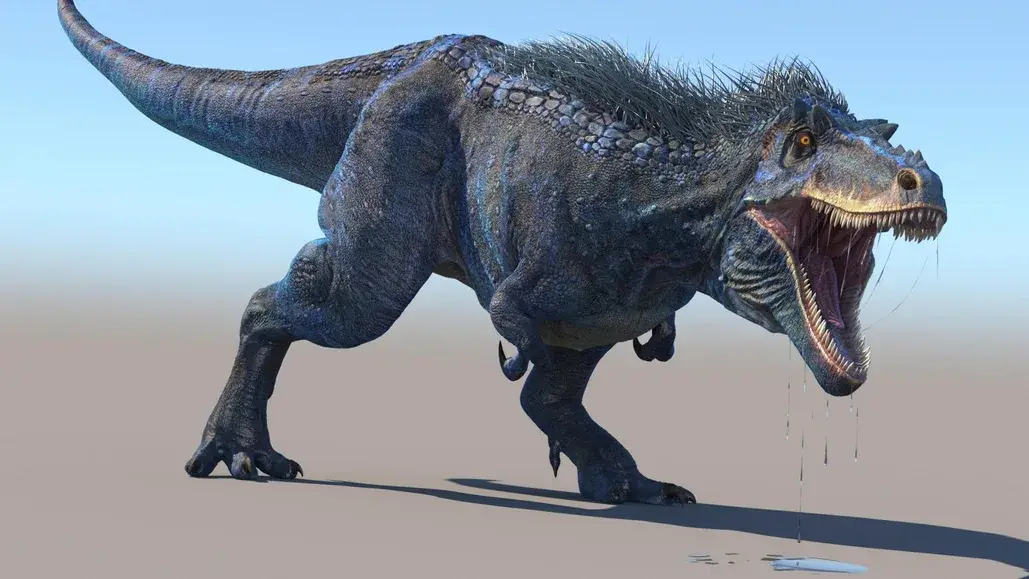
Ancients matter
From nautiluses to jellyfish, these ancient animals survived volcanic eruptions, asteroid strikes, and climate shifts that killed even the mighty dinosaurs. Conserving them protects our window into life’s earliest days and helps scientists understand how life adapts on our ever-changing planet.
)
)
)
)
)