5 legendary fighter jets pilots loved to fly

These five fighter jets weren’t simply tools of war; they became trusted companions in the sky, earning reputations built on agility, reliability, and pure pilot joy.
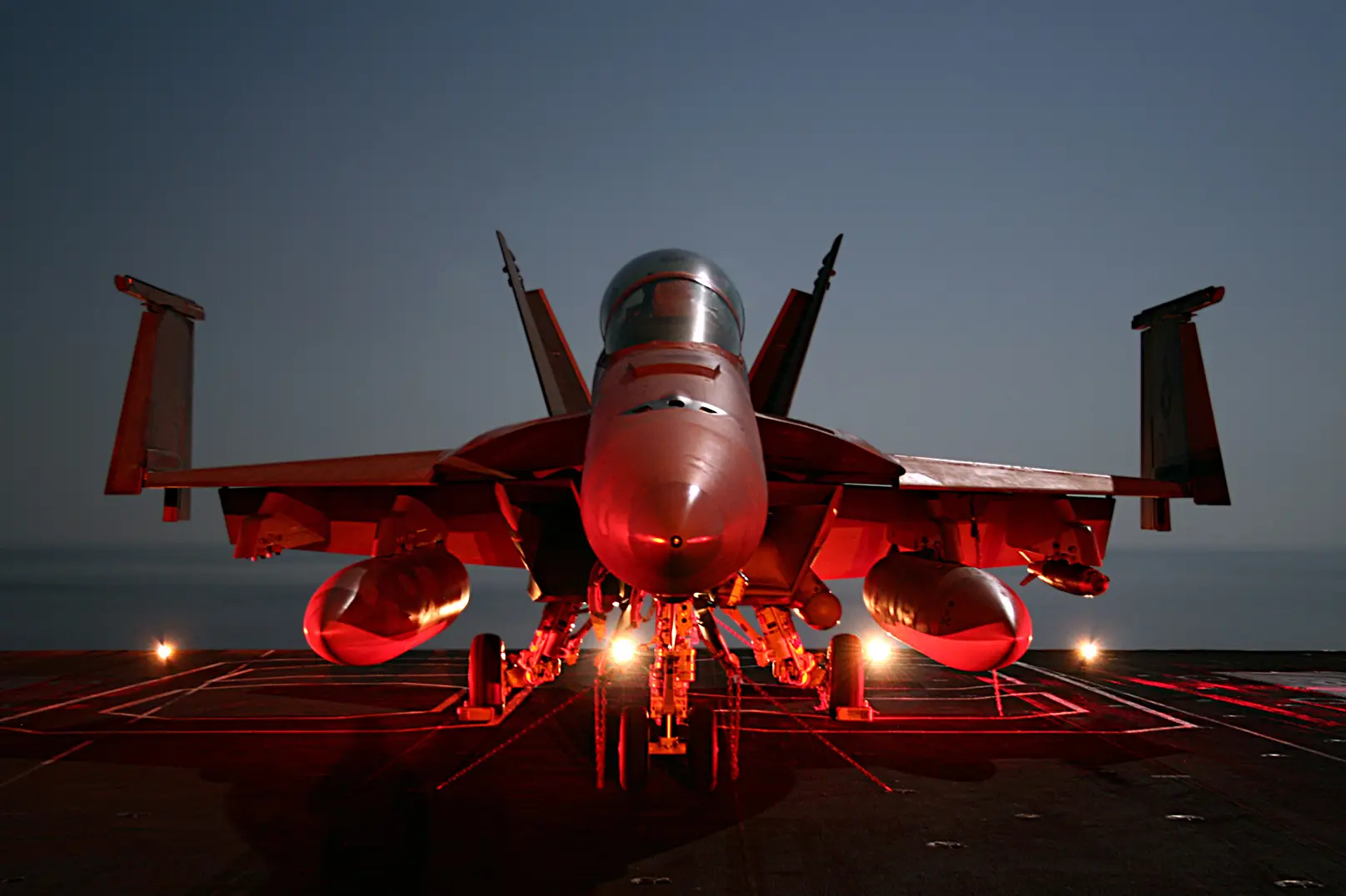
Legendary Fighter Jets Pilots Truly Adored
It isn’t just raw speed, firepower, or the number of confirmed kills that turn an aircraft into a legend. For the pilots who strapped in and flew them, the jets they never forgot were the ones that felt alive: balanced, responsive, and almost intuitive in the heat of combat. From Cold War icons to supersonic classics, these machines stood out not just for what they could do on paper, but for the confidence and connection they inspired in their crews. These five fighter jets weren’t simply tools of war; they became trusted companions in the sky, earning reputations built on agility, reliability, and pure pilot joy. Here’s why these aircraft are still spoken of with real affection decades after their first flights.
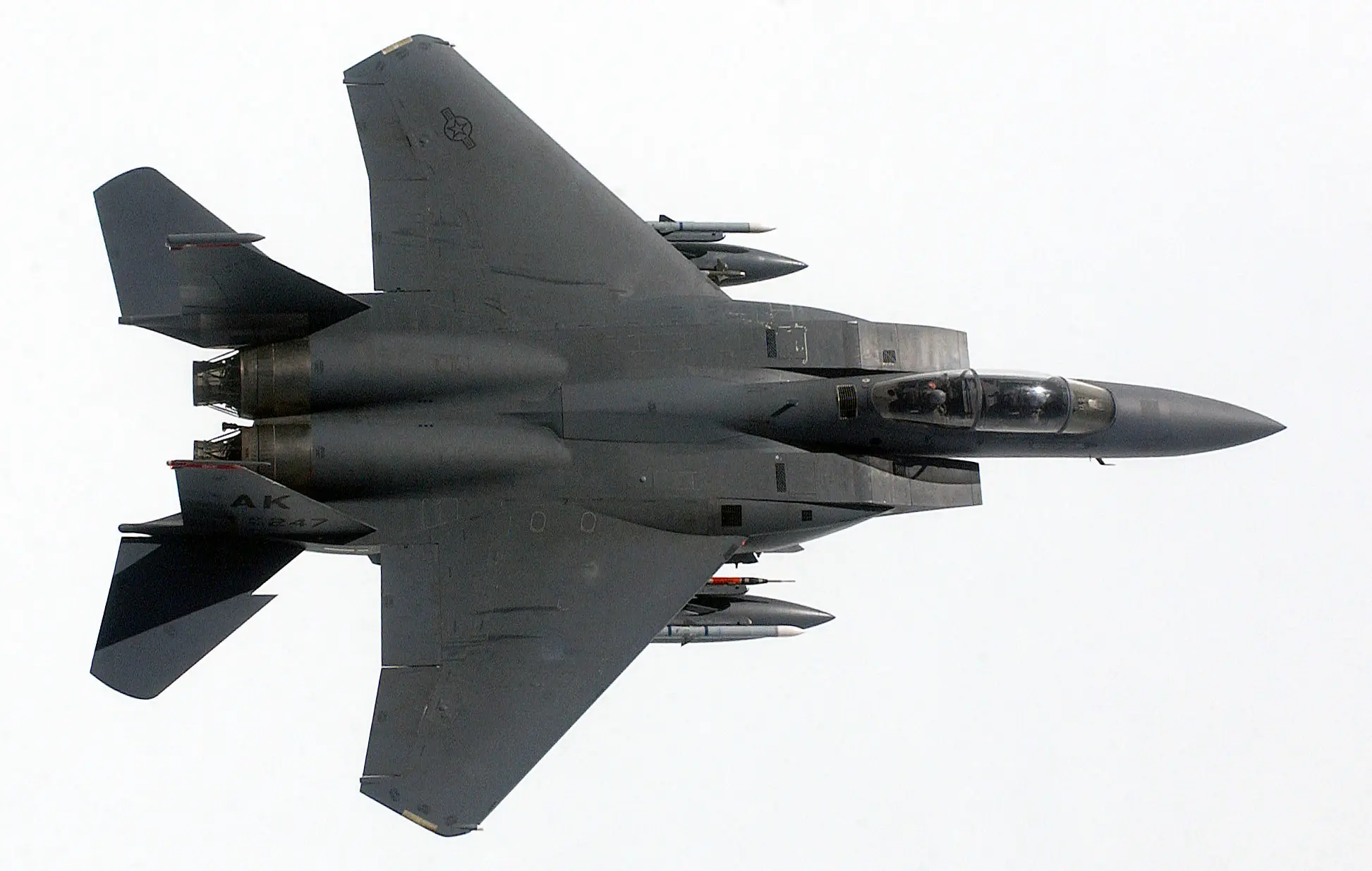
F-15 Eagle
First flown in 1972 and entering service in 1976, the McDonnell Douglas F-15 Eagle quickly earned its place as one of history’s greatest air superiority fighters. Pilots praised its staggering thrust-to-weight ratio of over 1:1, which allowed it to climb vertically while still accelerating. Equipped with the powerful APG-63 radar and armed with AIM-7 Sparrow and AIM-9 Sidewinder missiles, the F-15 proved unstoppable in combat. Across conflicts from the Gulf War to operations over the Middle East, it achieved an unmatched air-to-air record of 104 victories without a single loss. Pilots often described the Eagle as an aircraft that felt 'invincible' yet still graceful a rare combination that cemented its legend.
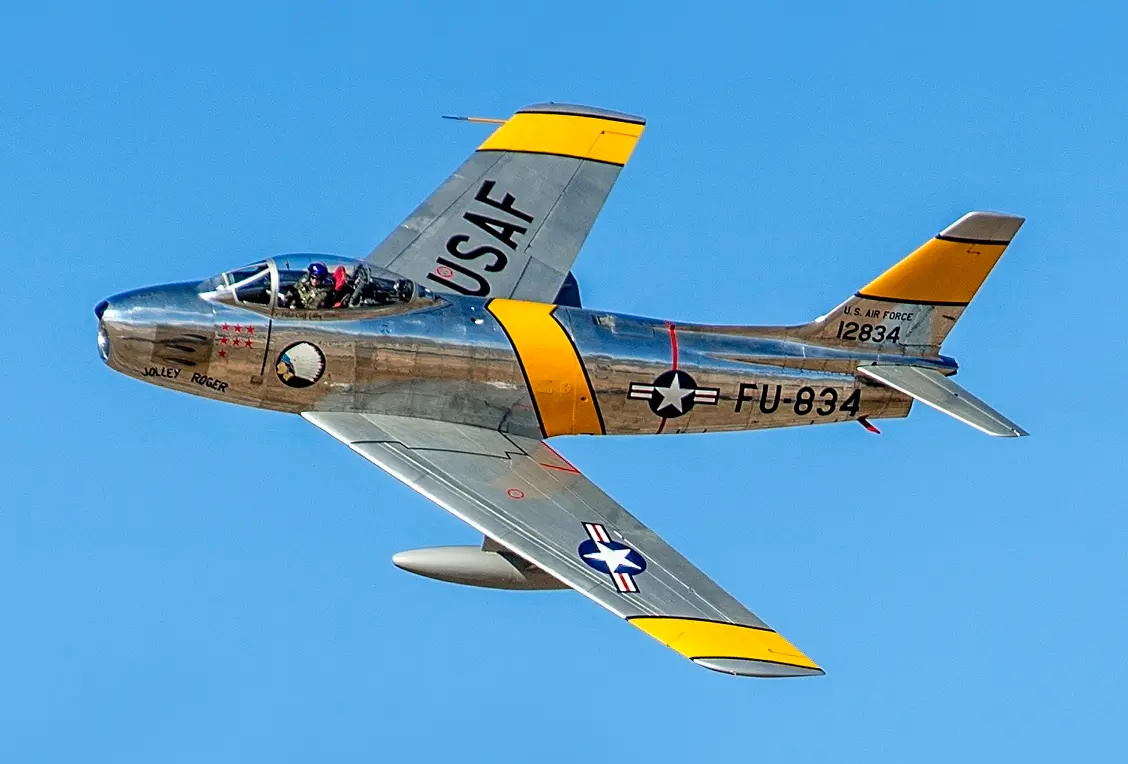
F-86 Sabre
The North American F-86 Sabre first took to the skies in 1947 and quickly became a symbol of the Korean War. With swept wings inspired by captured German designs, it could reach speeds over 680 mph and match the Soviet MiG-15 at high altitudes. Pilots loved its responsiveness and balance, describing dogfights that felt like an aerial dance rather than brute force combat. Over Korea, Sabres claimed roughly 800 MiG kills, a testament to their capability and the confidence they gave to those at the controls. Veterans often say the Sabre wasn’t just effective, it was genuinely fun to fly.
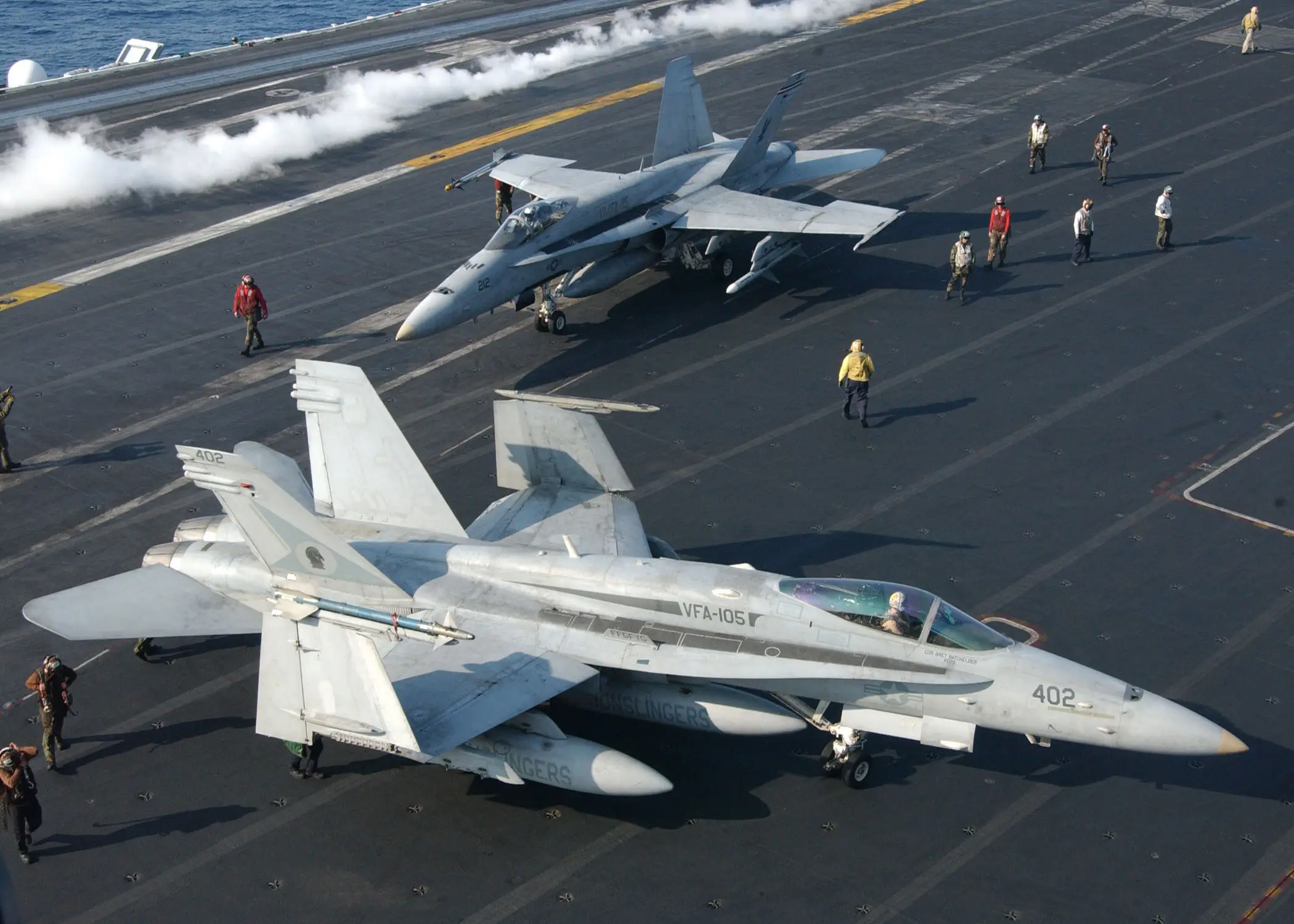
F/A-18 Hornet
Entering service with the US Navy and Marine Corps in the early 1980s, the McDonnell Douglas (now Boeing) F/A-18 Hornet built its reputation as a true pilot’s aircraft. Its digital fly-by-wire system gave it stable yet agile handling, crucial for high-stress carrier landings. The Hornet could seamlessly switch between fighter and strike missions, earning it the label 'multirole workhorse'. In combat operations from the Gulf War to Libya, pilots trusted its predictable handling and tough build. As one Navy pilot famously put it: “It does everything you ask of it, and some things you didn’t know you could.”
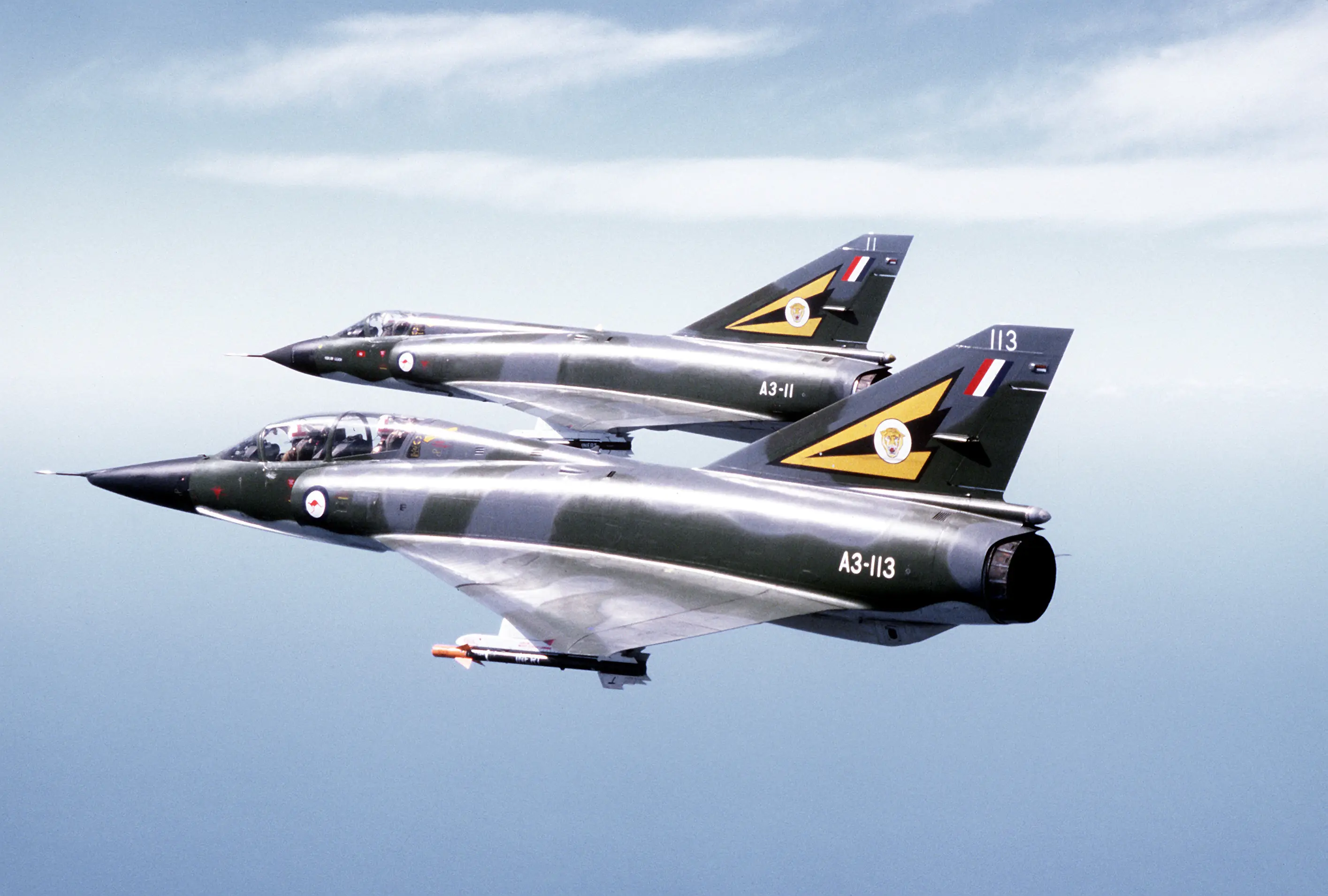
Mirage III
First flown in 1956, the Dassault Mirage III introduced the now-classic delta-wing design to frontline service. Capable of Mach 2 speeds thanks to its SNECMA Atar engine, it was agile at high altitude and especially suited for quick-climb interception missions. French and Israeli pilots in particular praised its simplicity, reliability, and near-sculptural grace in flight. During the 1967 Six-Day War, Israeli Mirages claimed around 48 aerial victories, solidifying the type’s reputation as a pilot’s fighter: fast, sleek, and beautifully balanced.
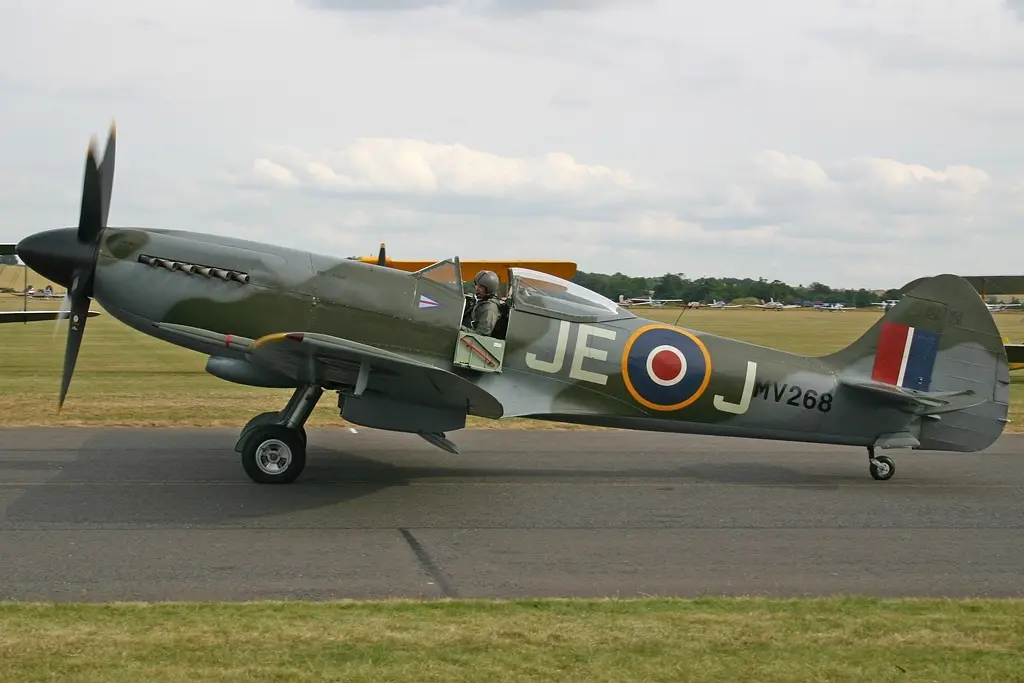
Spitfire’s jet-age cousin: the Hawker Hunter
Though the WWII-era Spitfire earned eternal fame, British pilots of the 1950s and ’60s formed a similar bond with the Hawker Hunter. Entering RAF service in 1954, the Hunter could exceed 700 mph and was praised for its precise controls and smooth handling. It held the world air speed record in 1953 (achieving 727 mph). Pilots said flying the Hunter felt 'effortless', and its clean lines and balanced design made it as graceful in the air as it looked on the ground. Even after its frontline career ended, the Hunter remained popular with display teams and test pilots for decades, proof of the affection it inspired.
)
)
)
)
)