Published: Sep 04, 2025, 02:04 IST | Updated: Sep 04, 2025, 02:04 IST
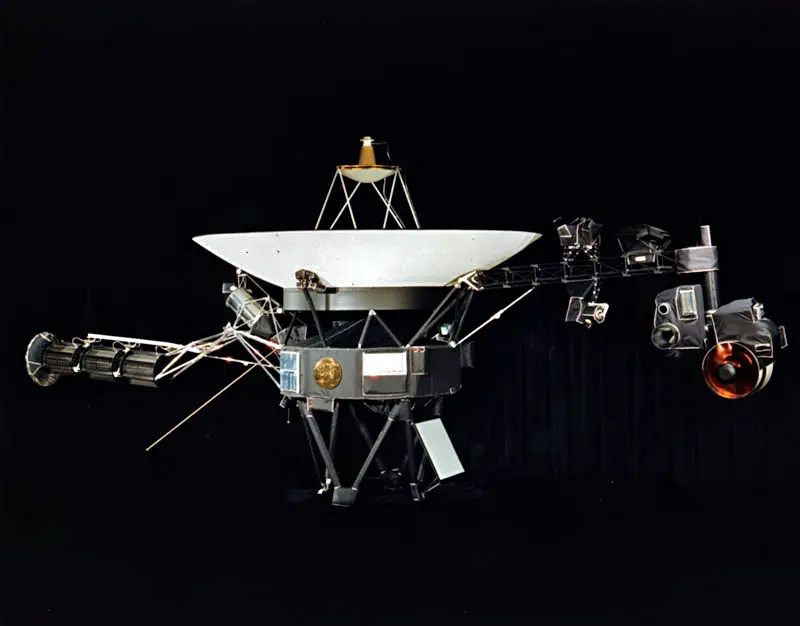
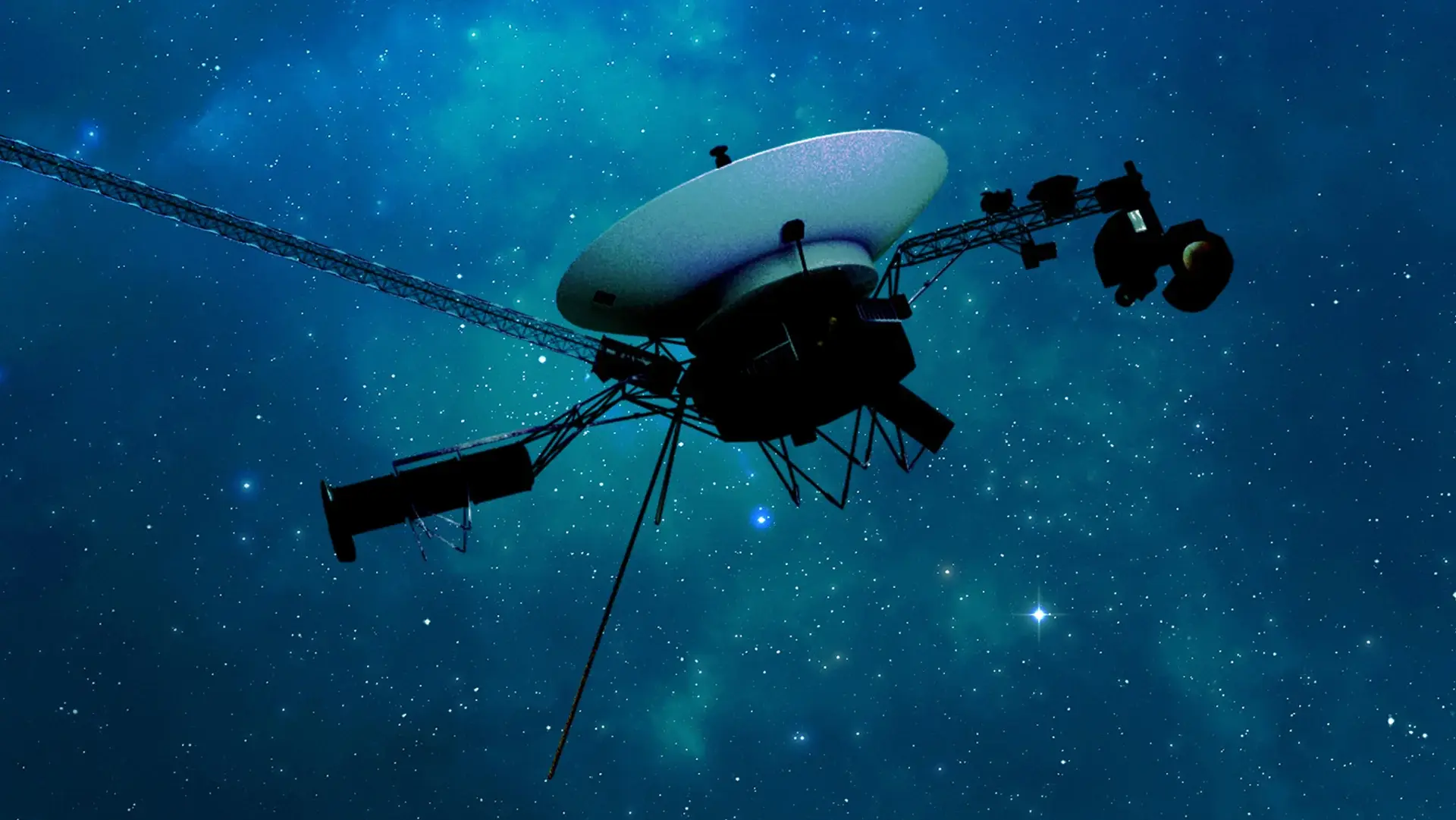
When NASA launched Voyager 1 and 2 in 1977, the probes carried limited memory and power. Each instrument was carefully prioritised.
1 / 7
(Photograph: WikiCommons)
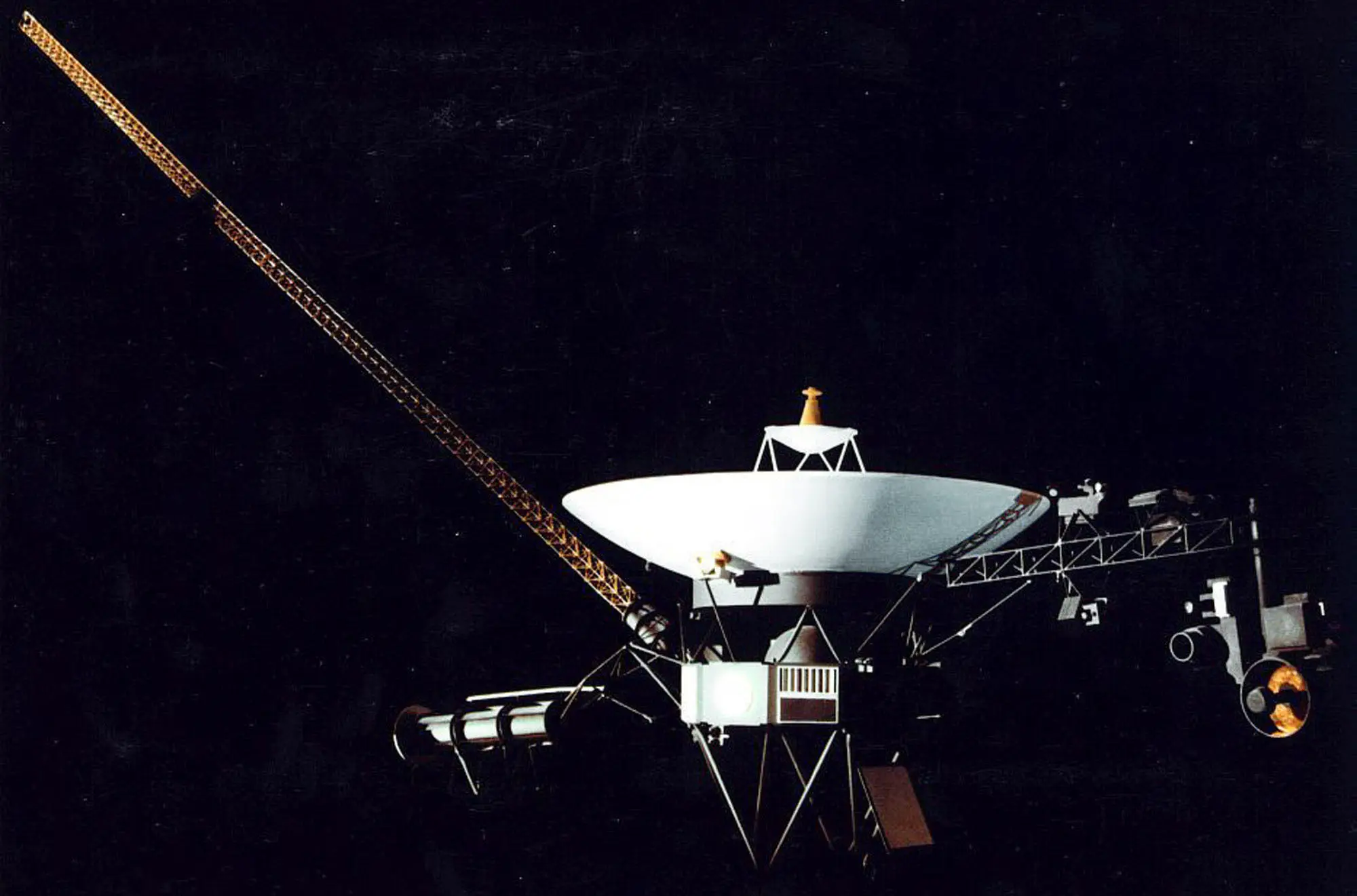
Redundant Imaging Sequences
Voyager’s cameras were switched off after passing Neptune (Voyager 2) and Saturn (Voyager 1). Engineers had drafted backup imaging sequences for possible future planetary encounters, but these were never used once it became clear no further fly-bys were possible.
2 / 7
(Photograph: WikiCommons)
Backup Atmospheric Probes
Early proposals included releasing a small probe during planetary fly-bys, particularly at Jupiter. While technically modelled, such probes were omitted to reduce cost and weight. Commands for such releases were never uploaded to Voyager’s computers.
3 / 7
(Photograph: WikiCommons)
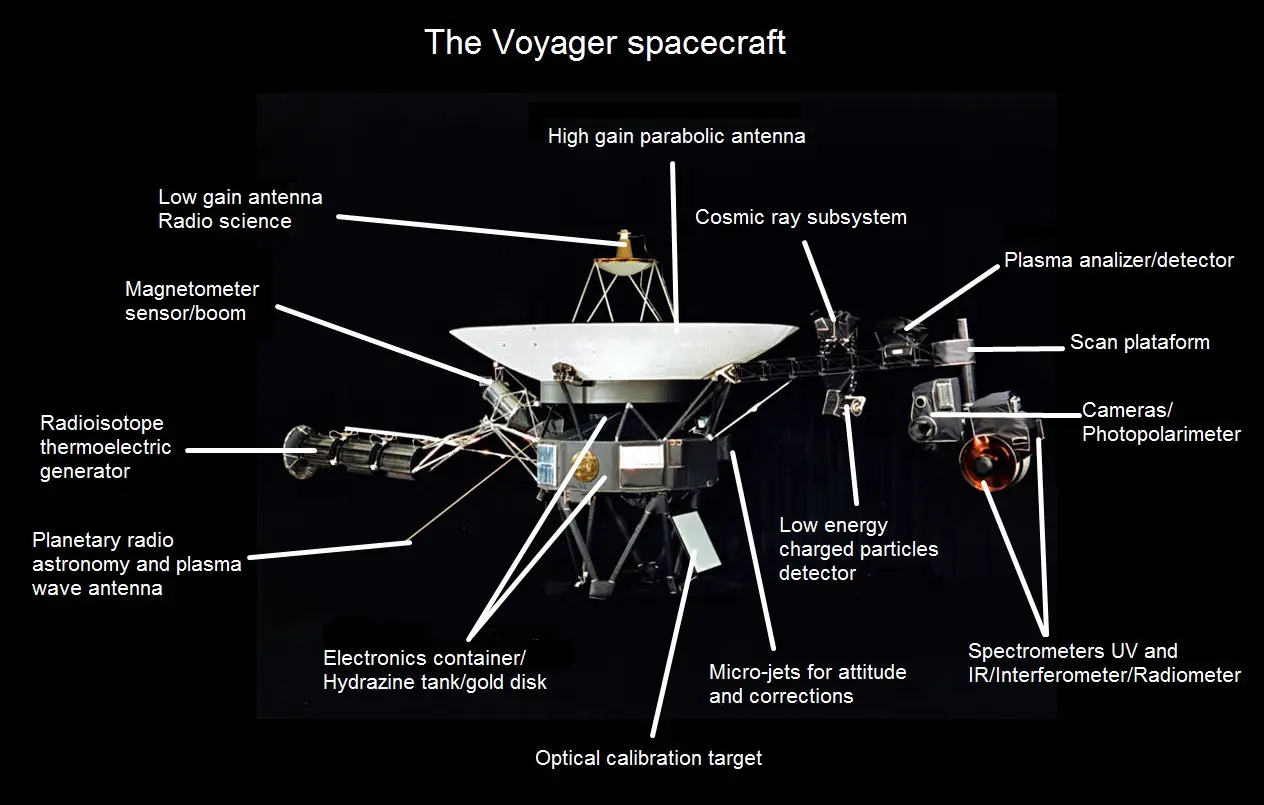
Extended Magnetometer Mapping
Voyager’s magnetometer arms were designed for detailed planetary studies. NASA engineers considered programming extended mapping runs in interstellar space to detect small-scale magnetic turbulence, but this was not executed due to limited power and data rates.
4 / 7
(Photograph: Nasa Science)
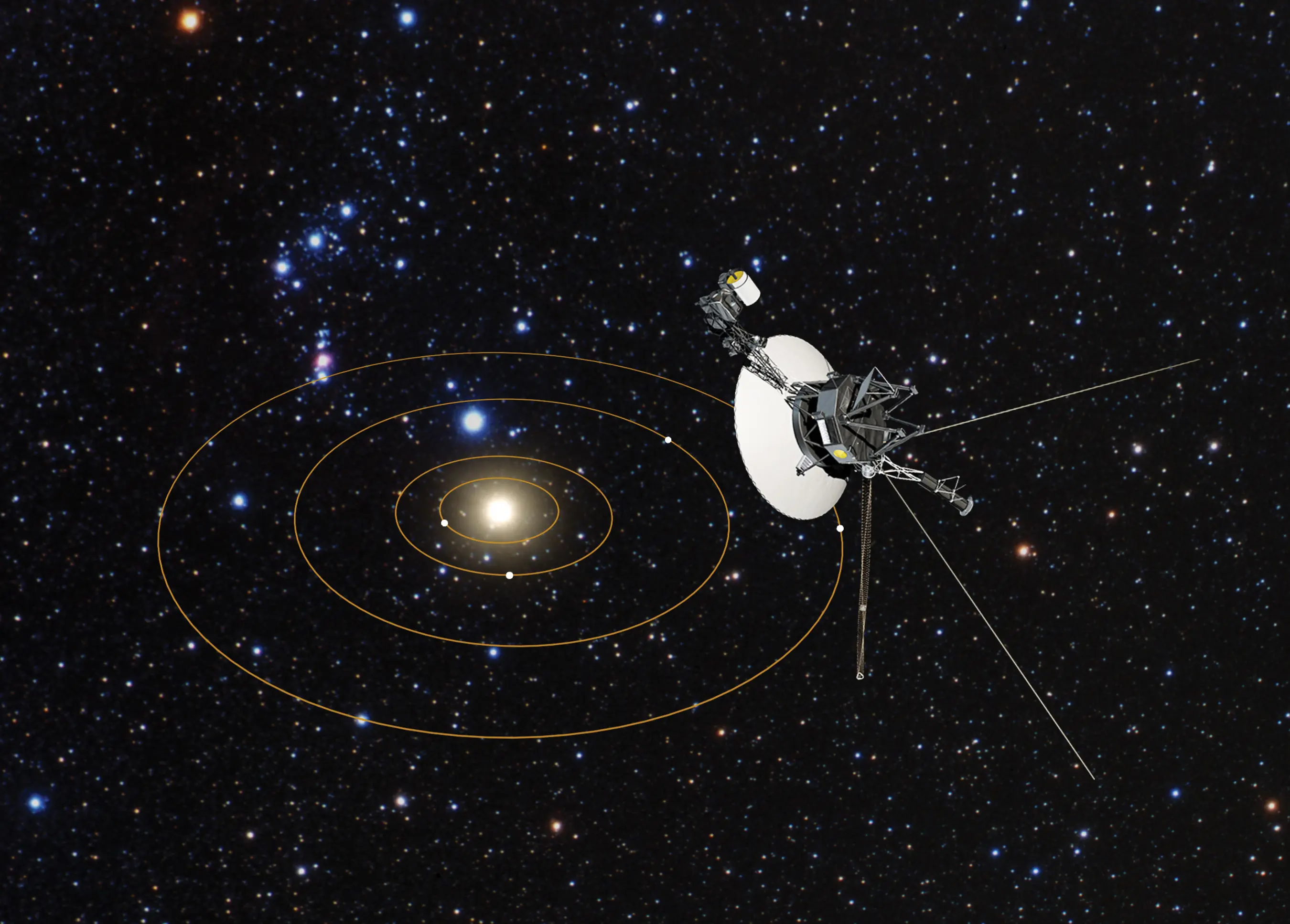
Solar Wind Shock Experiments
Voyager could have performed high-frequency sampling of solar wind plasma during its crossing of the heliopause. Draft sequences existed to run these experiments more intensively, but the energy cost prevented them from being uploaded.
5 / 7
(Photograph: WikiCommons)
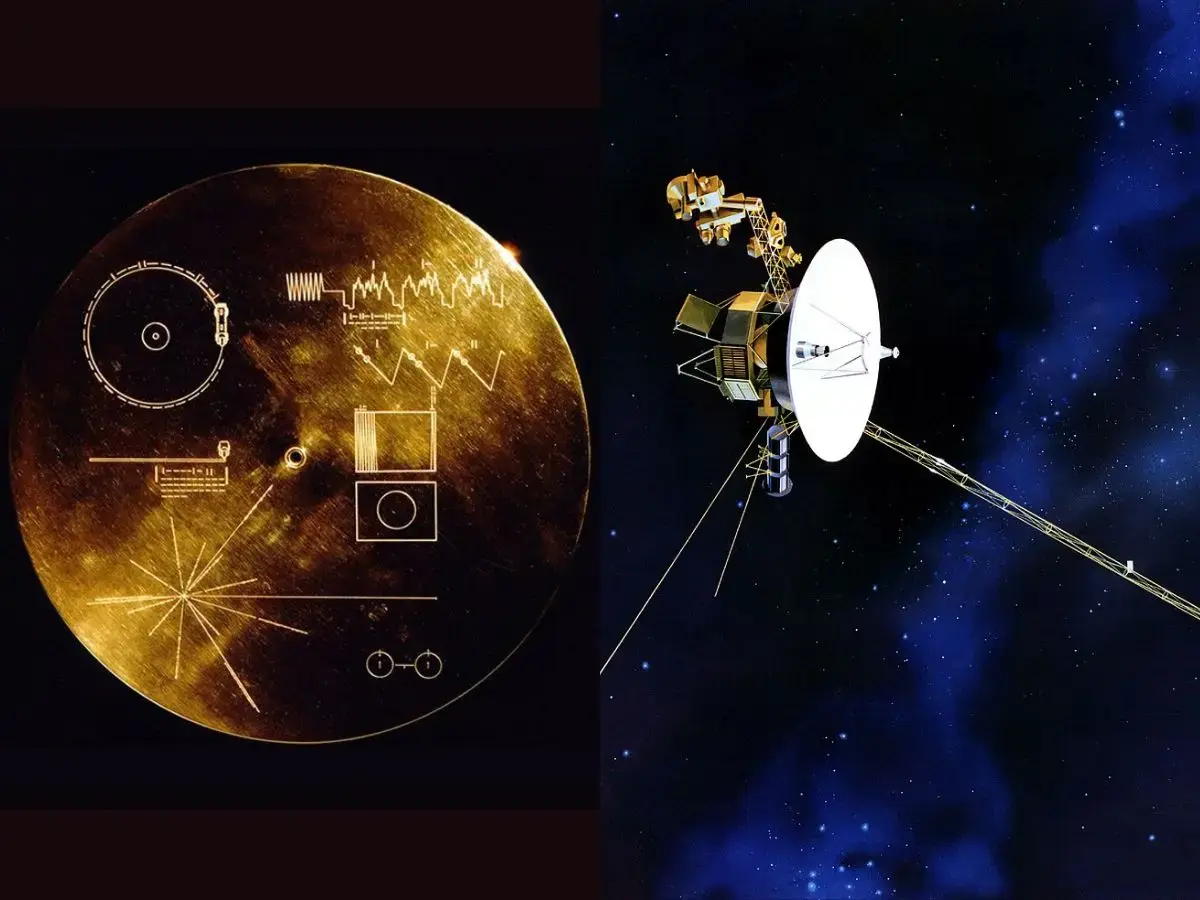
Redundant Golden Record Playback Tests
On the ground, engineers simulated how the Golden Record might be played. A minor internal test sequence was proposed to rotate the record’s calibration signal for alignment purposes, but it was judged unnecessary and never implemented in flight.
6 / 7
(Photograph: WikiCommons)
Cosmic Ray Burst Capture
Voyager’s cosmic ray detectors were capable of recording short bursts during solar storms. A high-resolution mode was designed, but rarely activated, as it consumed too much memory. Most storms were logged only at low resolution.
7 / 7
(Photograph: Nasa Science)
Long-Baseline Radio Experiments
Voyager could have been used as a radio baseline for Earth-based interferometry, essentially functioning as one half of a massive telescope. While calculations were made, the required commands and coordination were never programmed, as the Deep Space Network was not prepared for such operations.