5 fighter jets that terrify even the bravest pilots

Over decades of military aviation, certain fighters gained cult-like devotion, while others earned nicknames like Widowmaker or Flying Coffin for good reason.
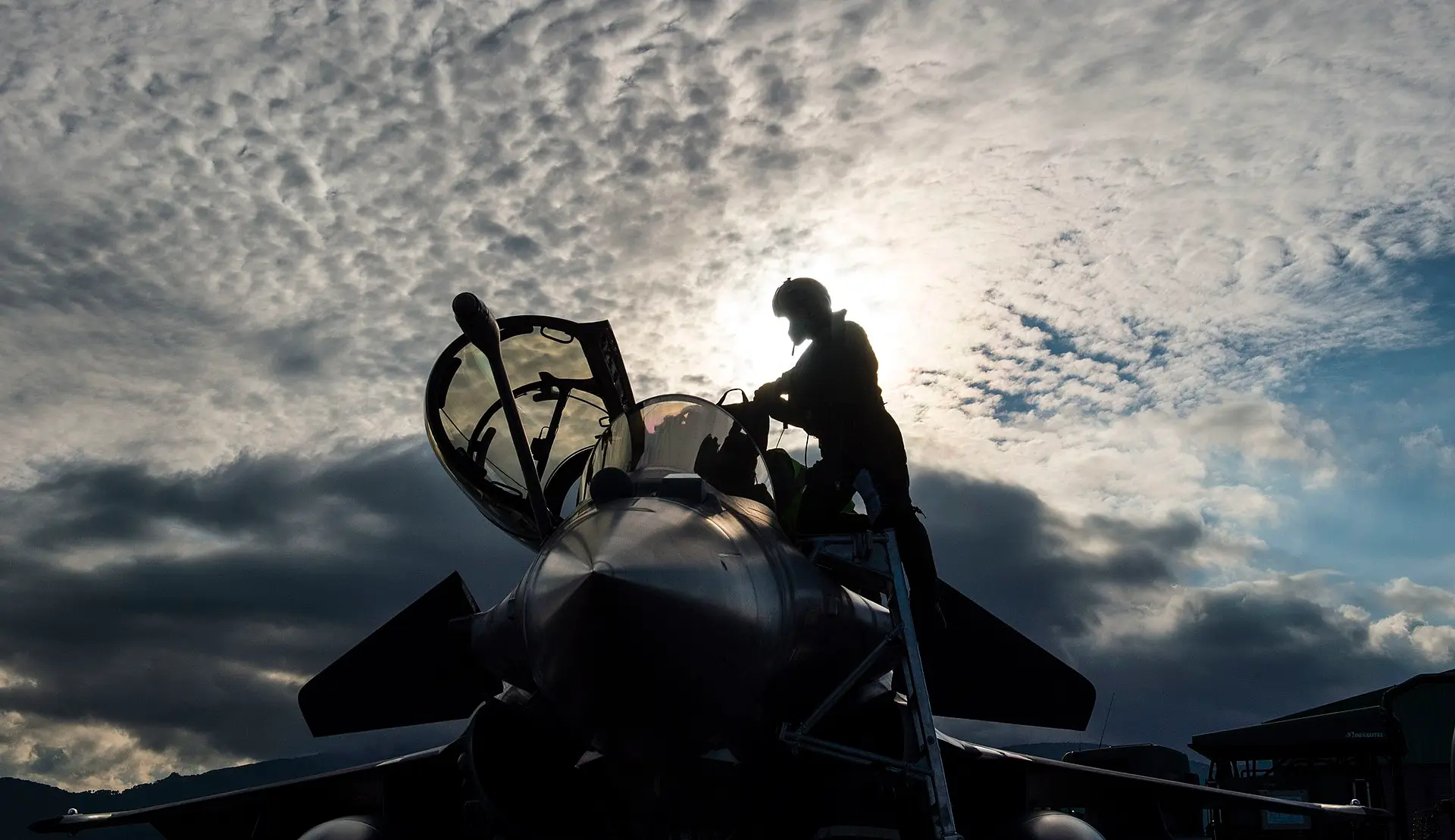
Why some jets haunt pilots forever
For any fighter pilot , some jets feel like trusted friends for being balanced, responsive, almost an extension of the pilot’s body, while others, despite breathtaking specs on paper, turn every mission into an exercise in stress management and survival. Over decades of military aviation, certain fighters gained cult-like devotion, while others earned nicknames like Widowmaker or Flying Coffin for good reason. From Cold War interceptors to risky VTOL experiments, here’s a closer look at five that made pilots sweat every time they strapped in.
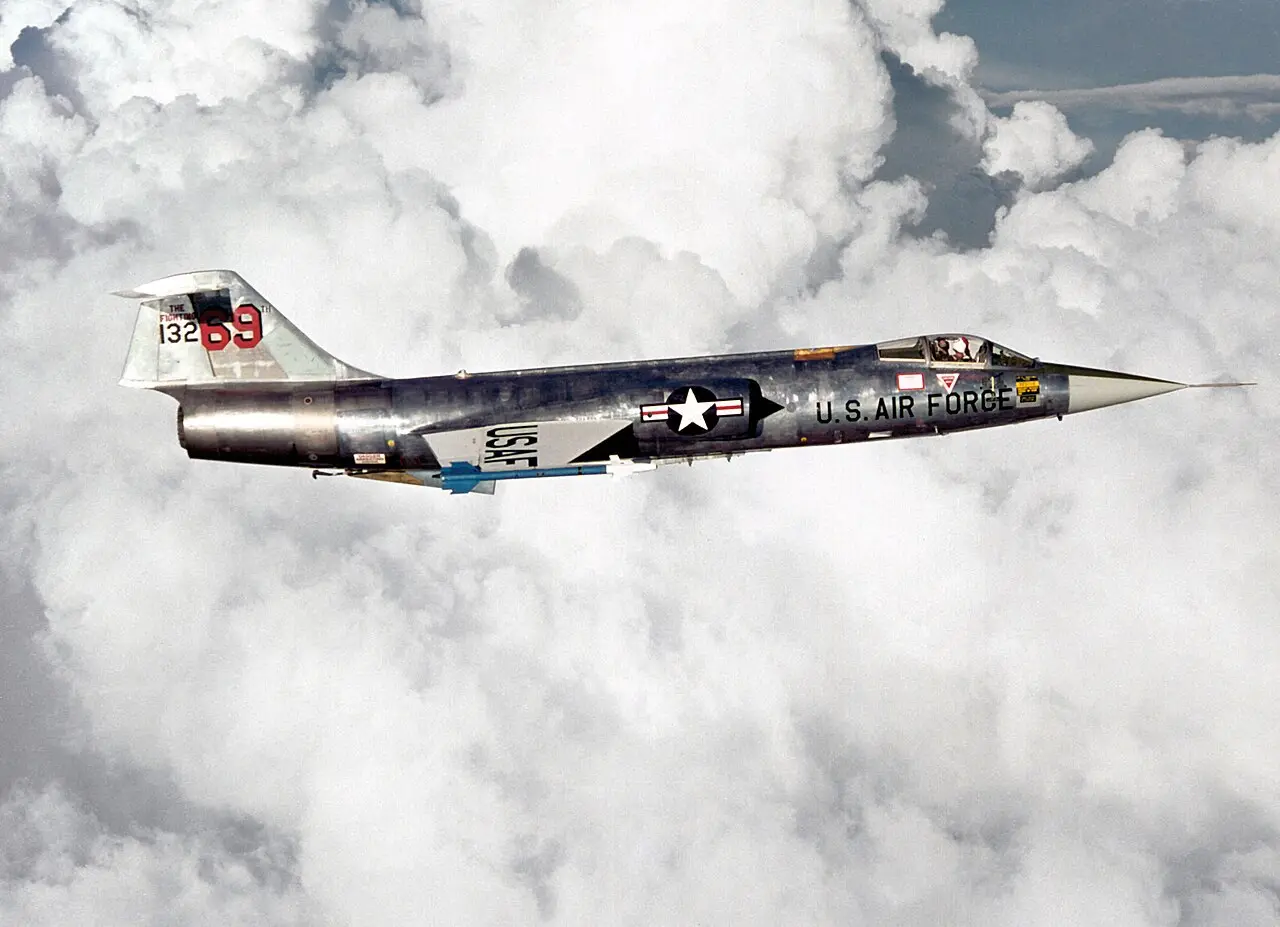
F-104 Starfighter – The Infamous 'Widowmaker'
Lockheed’s F-104 was revolutionary on paper: Mach 2 speeds, a rocket-like climb rate, and a sleek, needle-nose profile. But its razor-thin wings that made it so fast at altitude also made it deadly at low speeds. Germany alone lost over 290 F-104s in accidents, claiming the lives of more than 100 pilots. Designed as a high-speed interceptor, it was pressed into low-level strike roles in Europe, a mismatch that sealed its grim reputation.
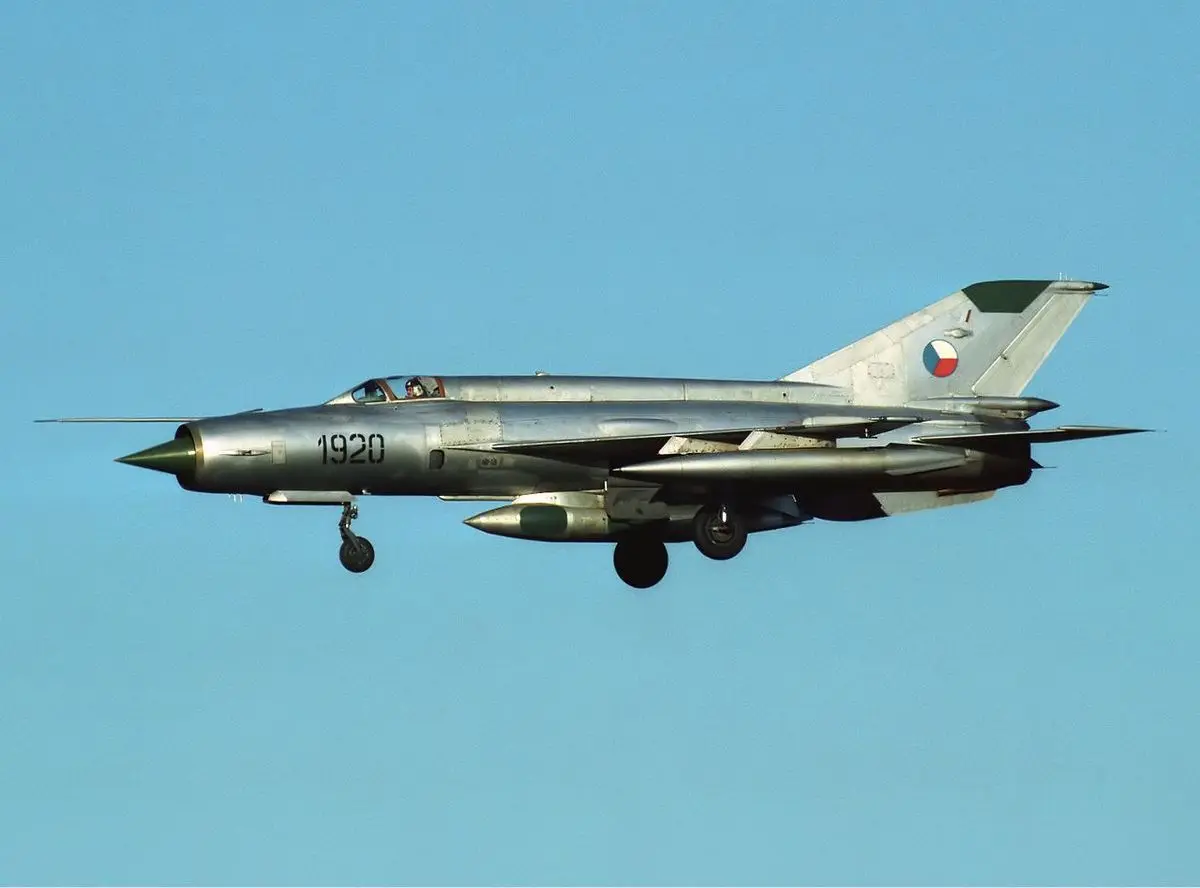
MiG-21 – The Flying Coffin
The MiG-21 became the most-produced supersonic jet ever, with over 11,000 built. Blisteringly quick and agile in a dogfight, it terrified some pilots for other reasons: minimal avionics, poor rearward visibility, and extremely limited fuel endurance, sometimes less than 45 minutes in combat. Pilots joked you flew the MiG-21 by the stopwatch, not the fuel gauge.
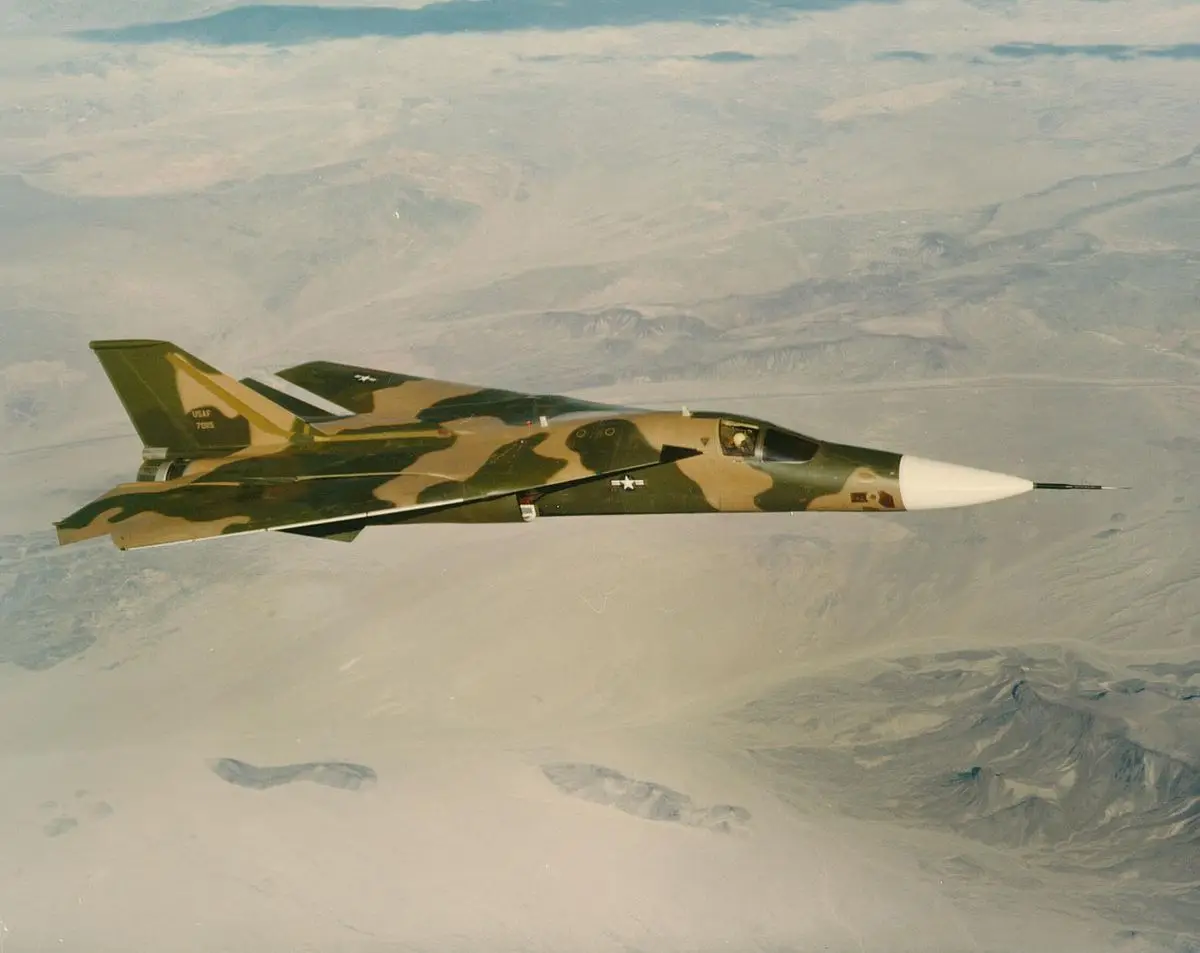
F-111 Aardvark – Powerful but Ponderous
The General Dynamics F-111 introduced cutting-edge tech in the 1960s: variable-sweep wings, terrain-following radar, and interdictor range no rival could match. But all that came at a price, weight, complexity, and maintenance headaches. The USAF suffered dozens of early accidents due to terrain-following system failures. While respected as a strike platform, many crews said flying it felt more like operating an early flying supercomputer than commanding a fighter.
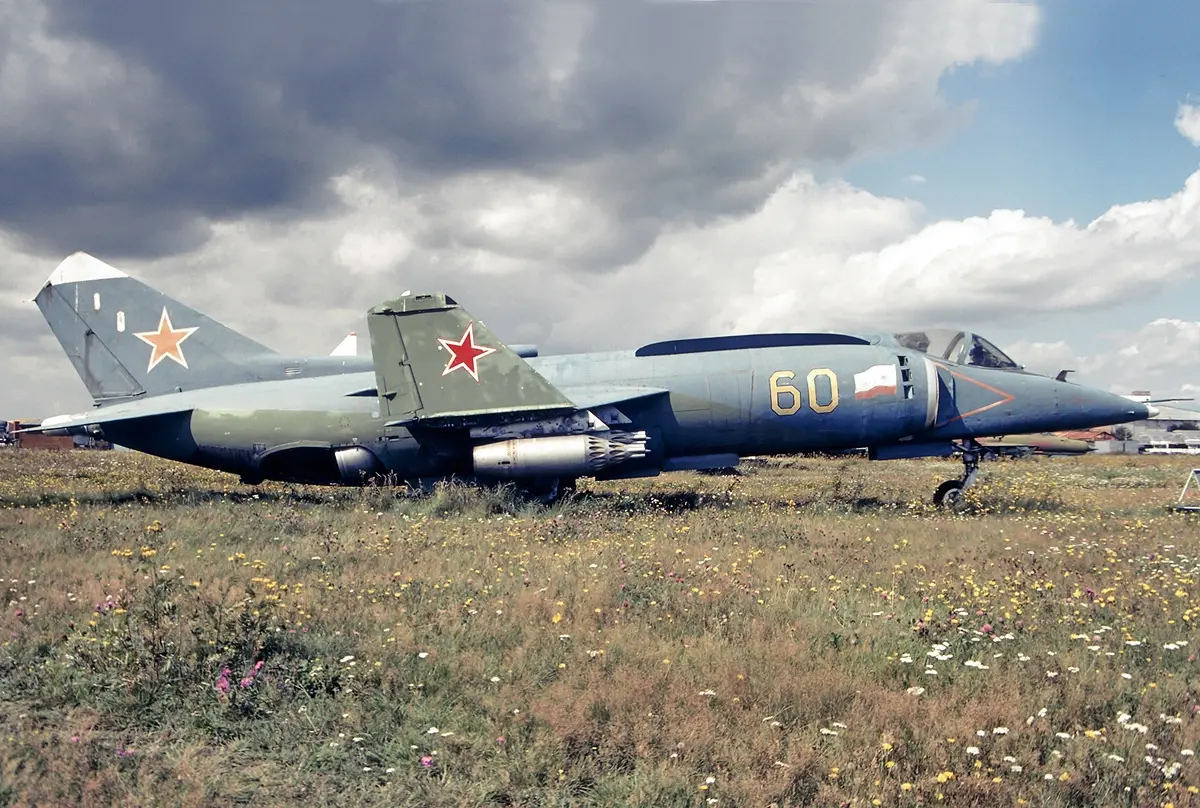
Yak-38 Forger – The Soviet VTOL Gamble
A Soviet answer to the British Harrier, the Yakovlev Yak-38 was ambitious but deeply flawed. Its lift jets were unreliable and added dead weight during forward flight, while the main engine offered limited thrust. As a result, payload and range were both poor. Soviet pilots dubbed it the 'Flying Lighter' because of frequent engine fires and underwhelming power.
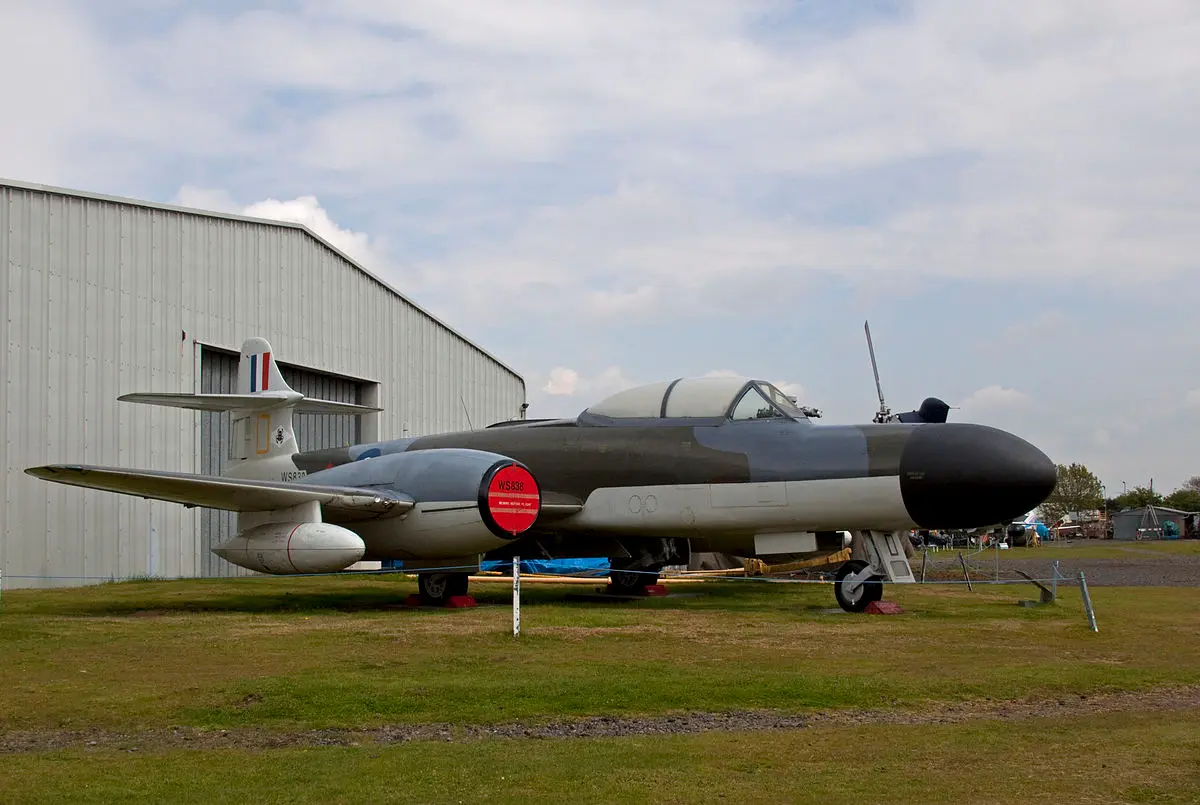
Early Gloster Meteor NF
Britain’s Meteor was historic as the RAF’s first jet, but its early night-fighter versions (like the NF.11) struggled with teething problems. Pilots reported poor cockpit ergonomics, unreliable radar, and handling quirks in bad weather or at night, conditions under which they had to fly. While it paved the way for future jets, few missed it when more capable designs arrived.
)
)
)
)
)