5 fighter jets that drink fuel like it’s happy hour at 40,000 feet

The SR-71 wasn’t a fighter jet in the traditional sense, but its inclusion here is warranted because of its mind-blowing performance and fuel usage. Capable of cruising at Mach 3.2, it required a special fuel called JP-7, so stable it needed a chemical ignition system.
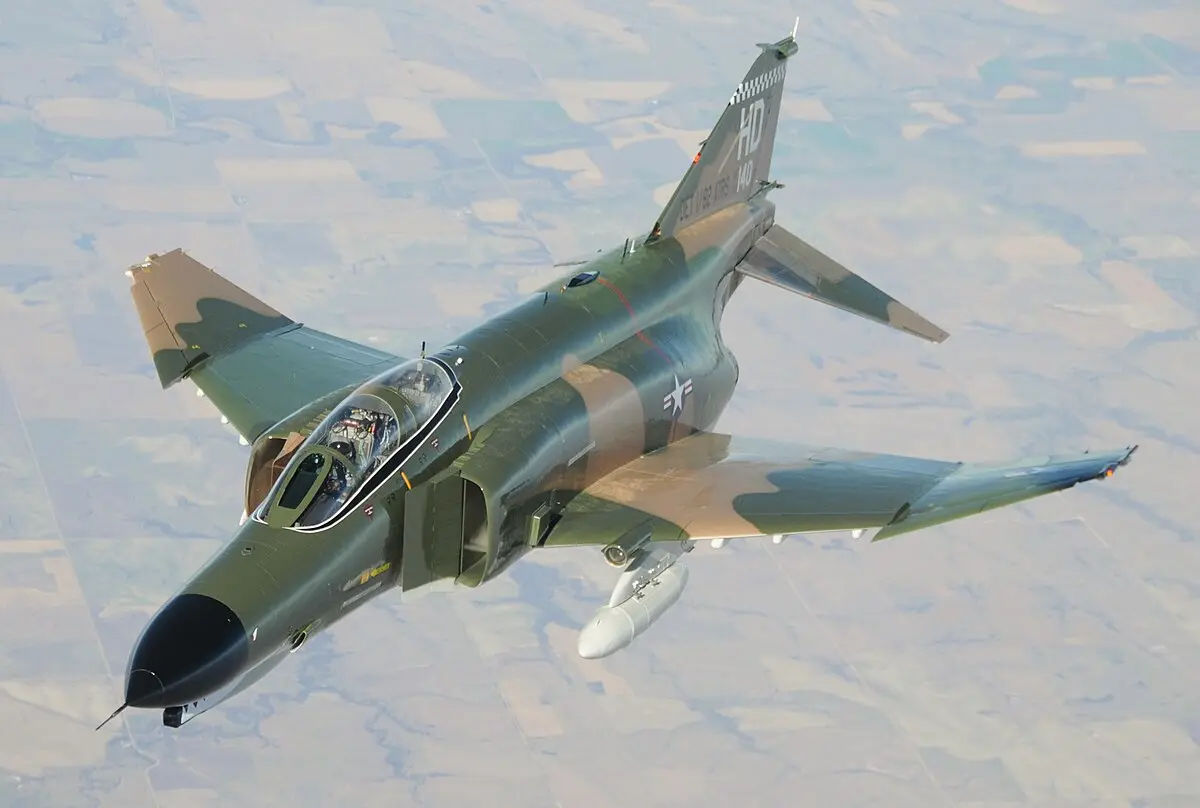
F-4 Phantom II – The Thirsty Warhorse
The F-4 Phantom II was a Cold War legend, but it came with a heavy thirst. In combat, it could burn around 1,200 gallons of fuel per hour, and if you pushed the afterburners, you could drain the internal tanks in just about 30 minutes. This is why aerial refuelling was standard during missions, without it, this beast would barely make it to the battlefield and back.
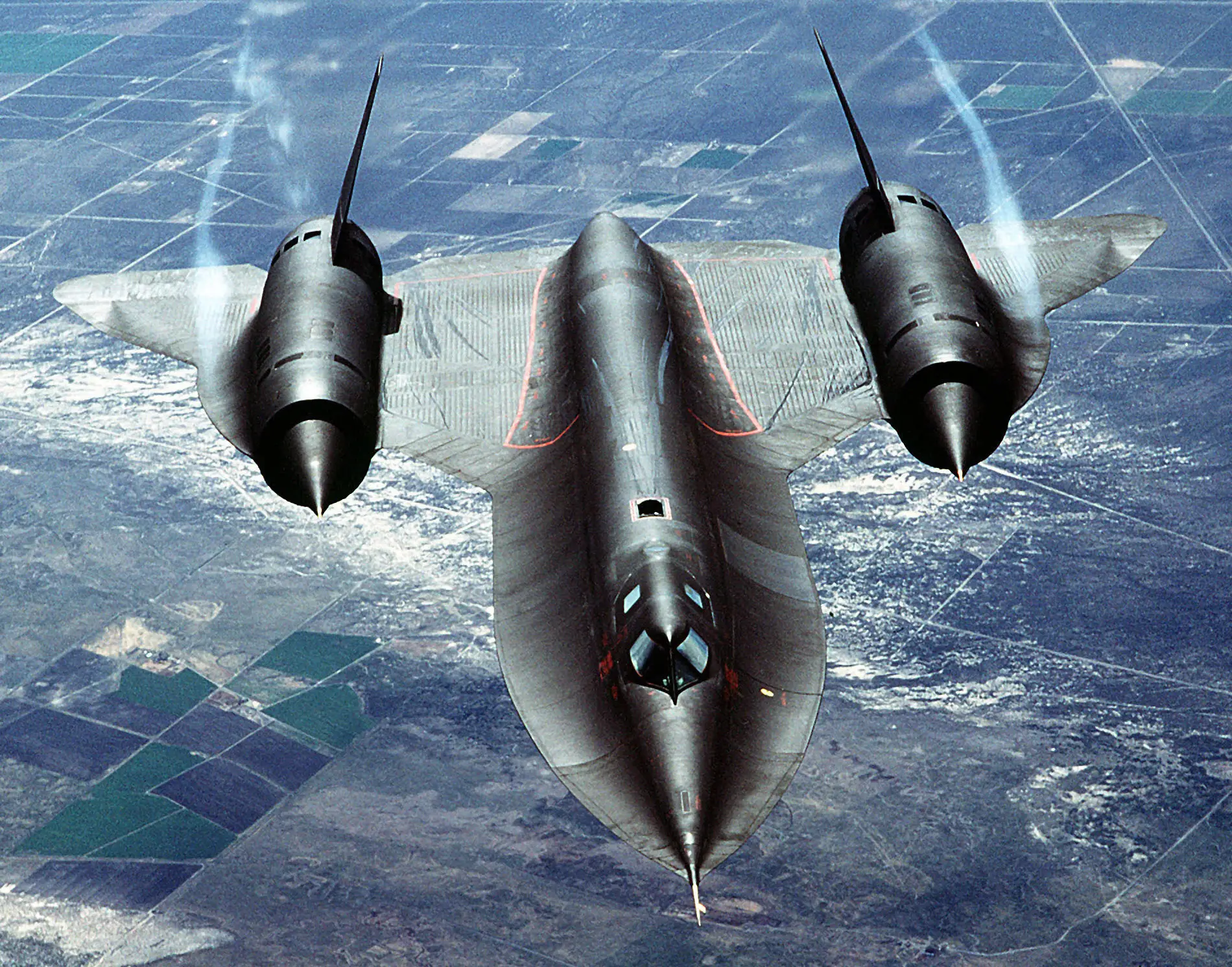
SR-71 Blackbird
The SR-71 wasn’t a fighter jet in the traditional sense, but its inclusion here is warranted because of its mind-blowing performance and fuel usage. Capable of cruising at Mach 3.2, it required a special fuel called JP-7, so stable it needed a chemical ignition system. A typical mission would burn up to 12,000 gallons of fuel, and it had to be refueled immediately after takeoff just to reach its cruising altitude.
MiG-25 Foxbat
The MiG-25 was built by the Soviet Union to counter the threat of high-speed American aircraft like the SR-71. It could reach speeds near Mach 3, but this came at the cost of massive fuel consumption, around 1,100 gallons per hour. Even with large fuel tanks, its range was only about 1,000 km without external tanks, meaning it wasn’t going far without support. Speed was its strength, but fuel was its downfall.
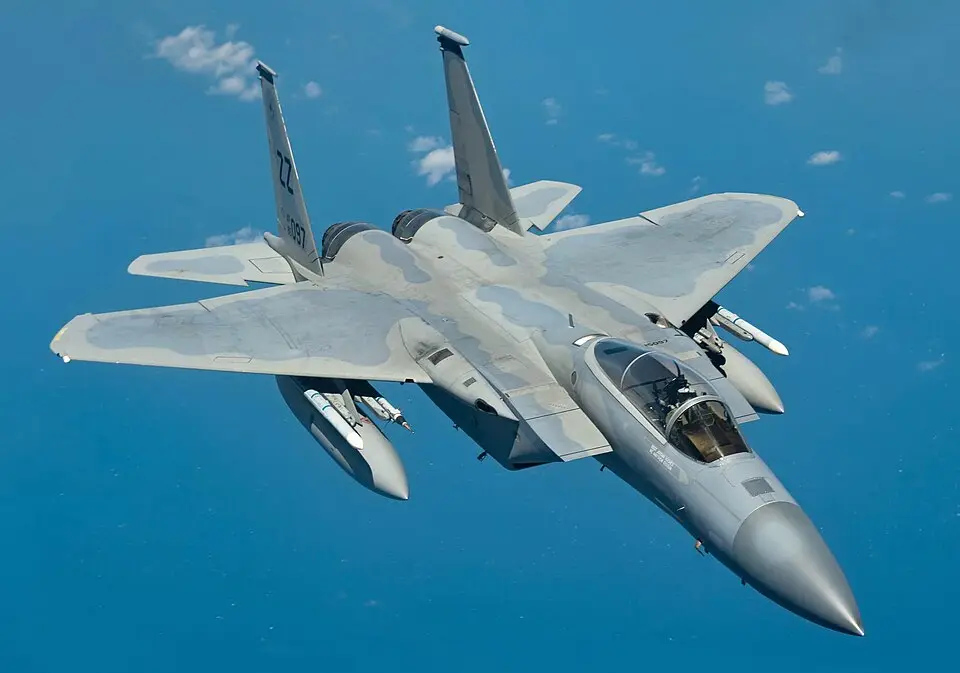
F-15 Eagle
The F-15 Eagle is known for its unmatched air superiority, but its powerful twin engines are also known for gulping fuel. During high-speed manoeuvres and afterburner usage, it can consume over 1,200 gallons of fuel per hour. Its internal tanks can carry a good amount, but long-range operations almost always require drop tanks or mid-air refuelling. Dominance has a price, and for the F-15, that price is paid in gallons.
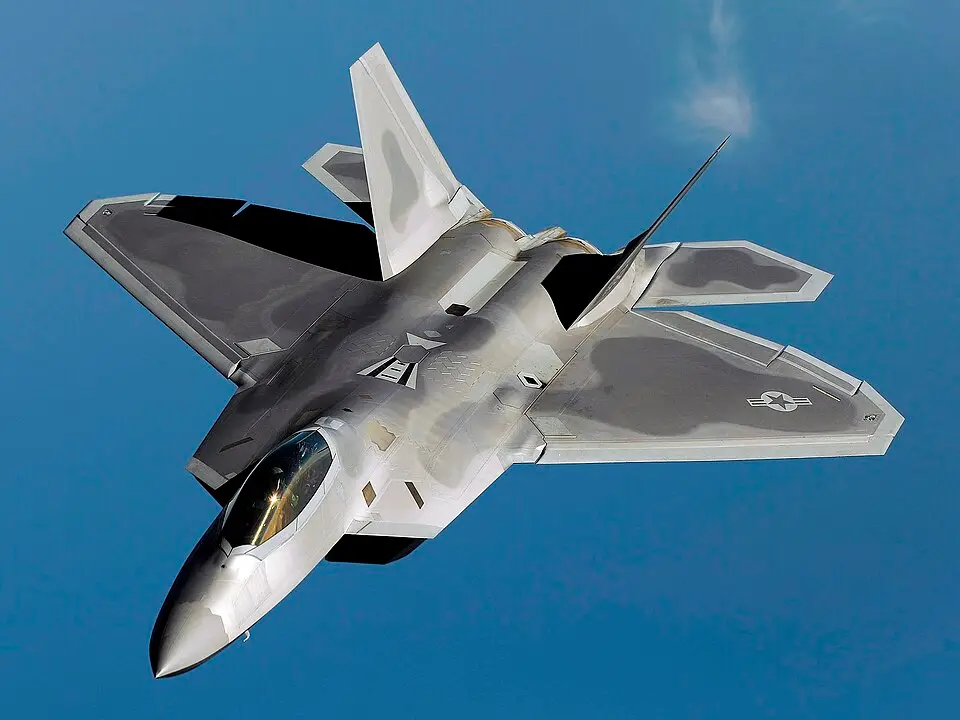
F-22 Raptor
The F-22 combines stealth, speed, and agility but it doesn’t come cheap when it comes to fuel efficiency. Although more efficient than older jets at cruising speeds, it can burn roughly 1,000 gallons per hour when flying in afterburner. With about 8,200 kg of internal fuel, it can fly short missions independently, but sustained operations still demand aerial tankers nearby. It's a high-tech marvel, but still not immune to the physics of fuel burn.
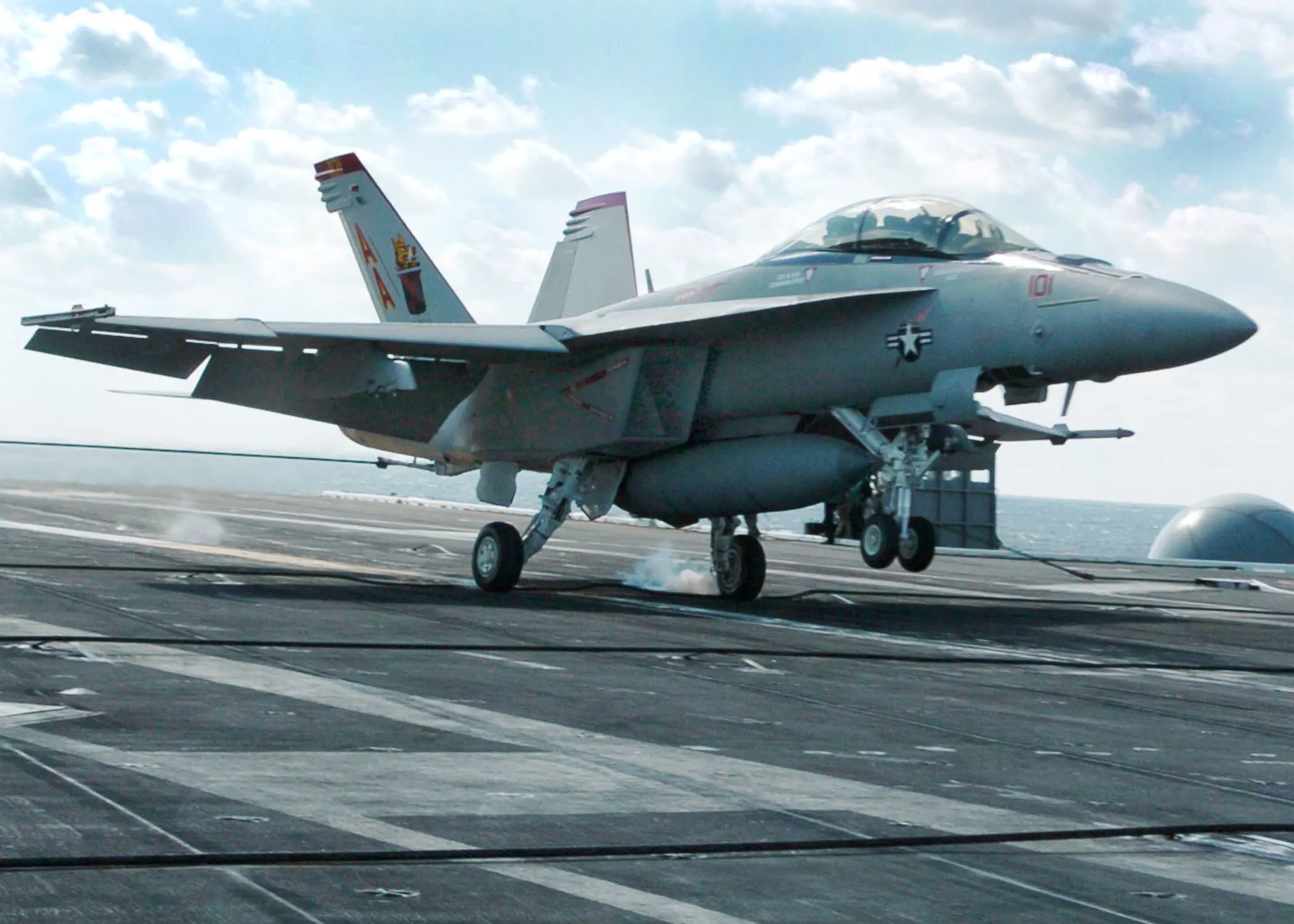
Pushing the limit
These jets push the limits of what’s possible in air combat but they do it at the cost of burning through fuel like water. In the modern battlefield, it’s not just speed and stealth that matter; logistics and refuelling support are just as critical. If you’re wondering why fighter jets often travel with tankers, now you know, power has a price, and in these cases, it’s measured in gallons per second.
)
)
)
)
)