5 fighter jets so silent, even radars can’t detect them

These five fighter jets are so stealthy that radar can barely see them. Using radar-absorbing materials, hidden weapons, and advanced designs, the F-22, F-35, and others redefine invisibility in combat. Explore how these jets stay unseen.
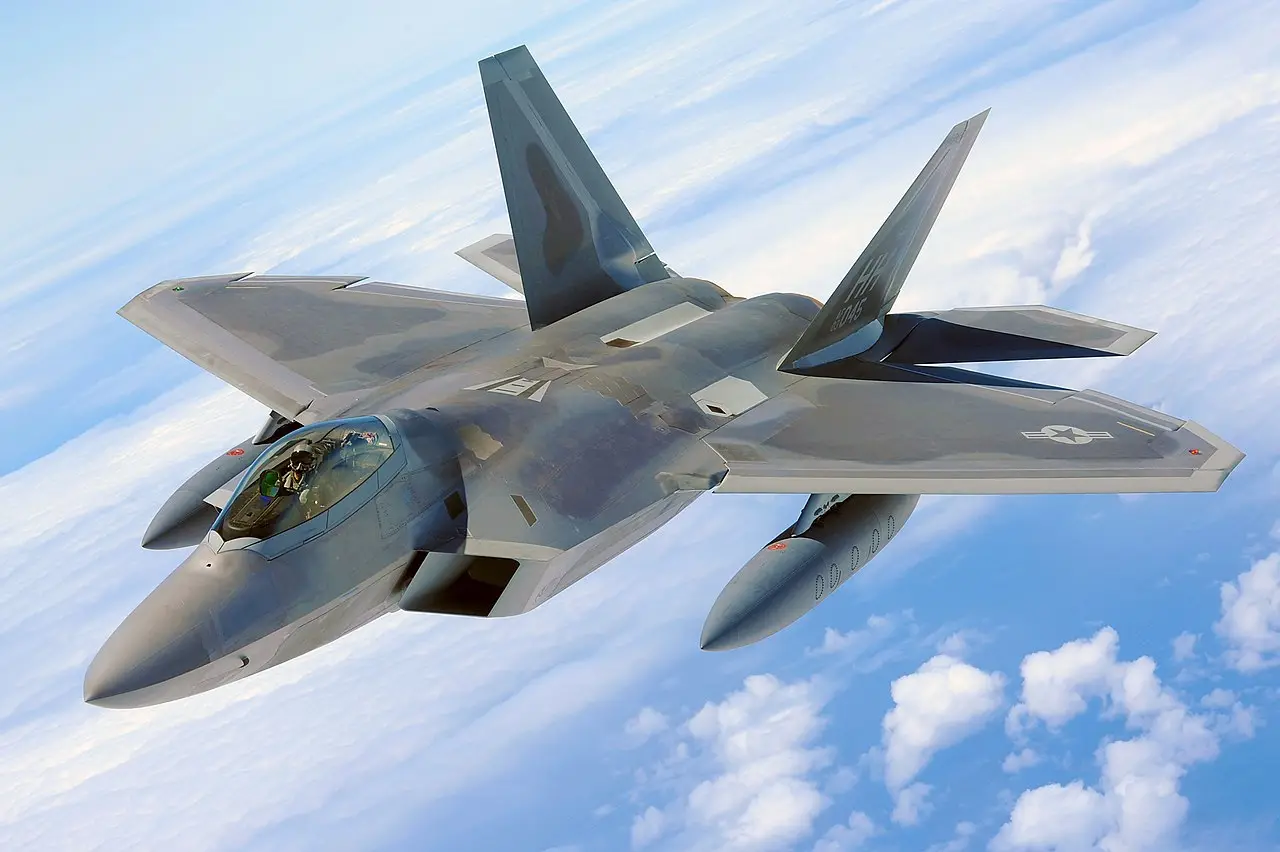
1. F-22 Raptor – The Most Stealth-Refined Jet
The American F-22 Raptor remains the most stealth-efficient fighter jet ever made. Its radar cross-section is estimated at around 0.0001 m², almost as small as a marble, according to AeroTime (2025). The jet’s shape, internal weapon bays, and radar-absorbing coating reduce reflections. Its engines also mask heat and sound to avoid infrared detection.
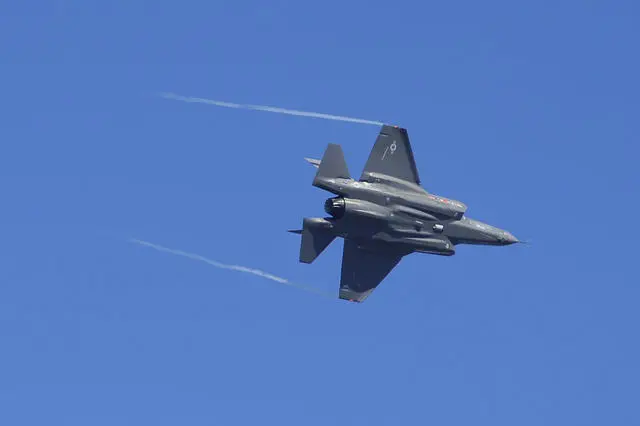
2. F-35 Lightning II – Multi-Role Stealth Power
The F-35 Lightning II uses a radar-absorbing paint and hidden weapon storage to stay unnoticed. According to Lockheed Martin and Business Insider (2025), its radar signature can be as small as a golf ball. Its electronic warfare suite jams radar signals and misleads tracking systems, giving it stealth both passively through design and actively with technology.
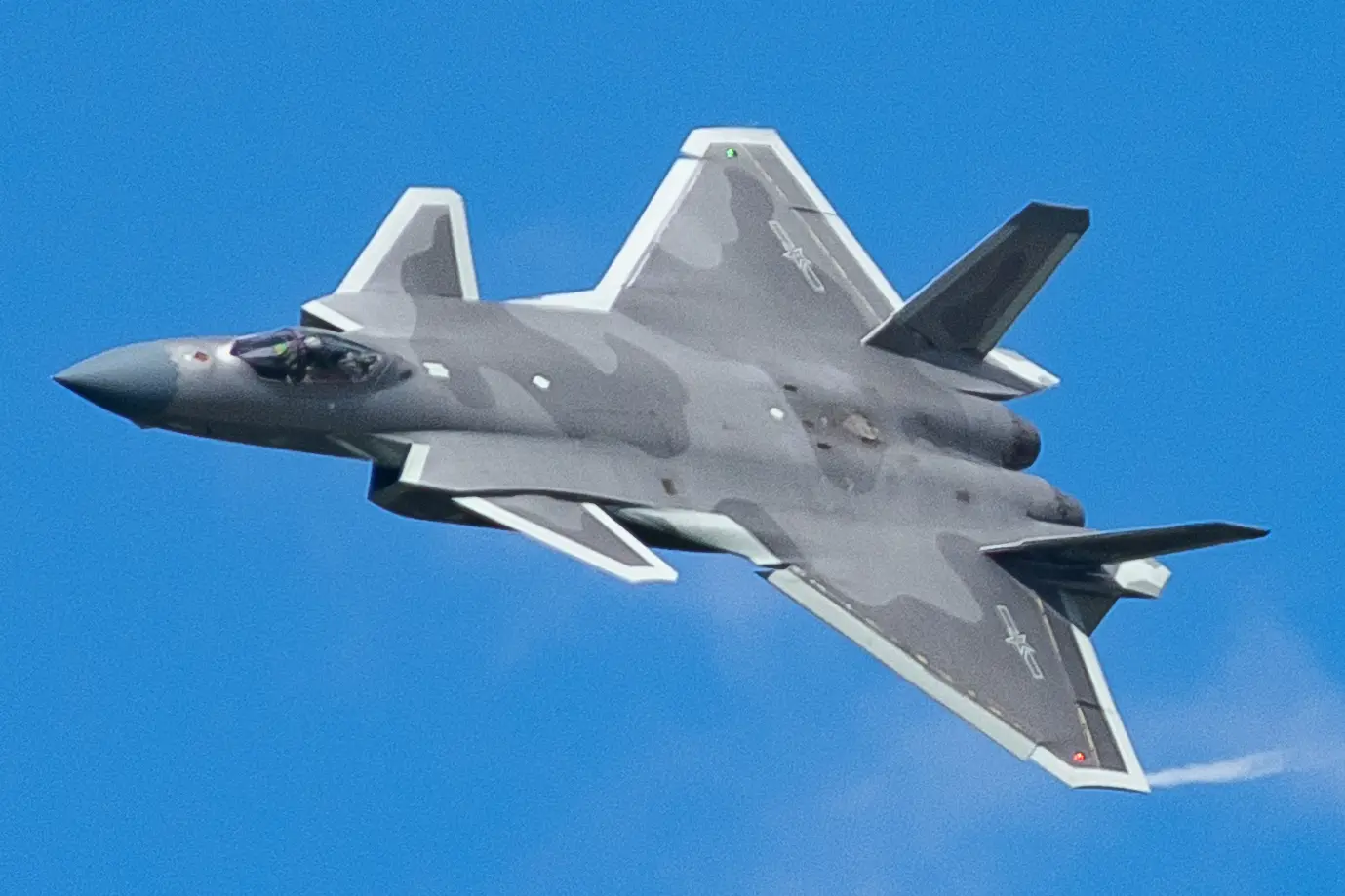
3. Chengdu J-20 Mighty Dragon – China’s Invisible Jet
China’s J-20 entered service in 2017 as the country’s first stealth fighter. Reports show its radar cross-section is about 0.05 m², roughly the size of a baseball. It uses radar-absorbing materials, an internal weapons bay, and heat-reducing engine design. The aircraft’s angled body helps scatter radar waves, making it harder to detect at long distances.
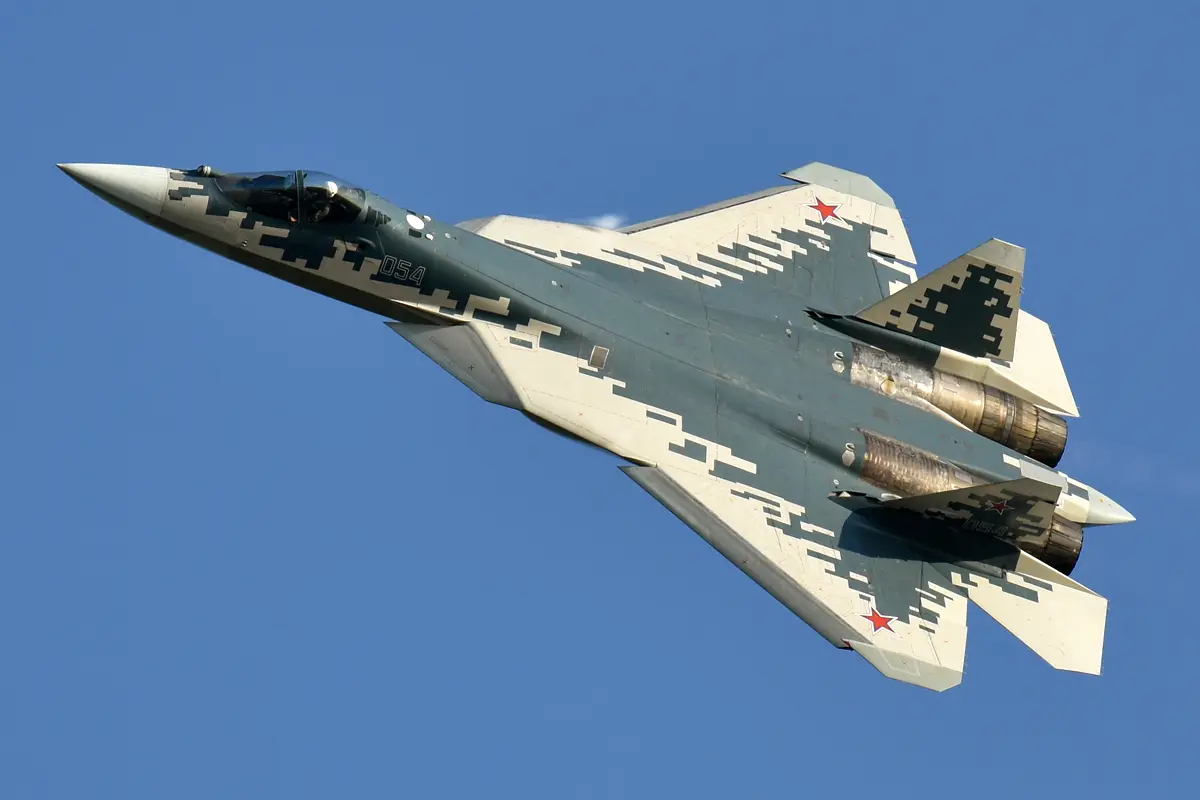
4. Sukhoi Su-57 Felon – Russia’s Stealth Step
The Russian Su-57 combines stealth with advanced aerodynamics. With a radar cross-section estimated between 0.1 and 1 m², it reflects minimal radar energy for a jet of its size. Its special coating absorbs radar signals, while its electronic countermeasure systems disrupt radar tracking. Russia designed it to strike without showing up easily on defence radar.
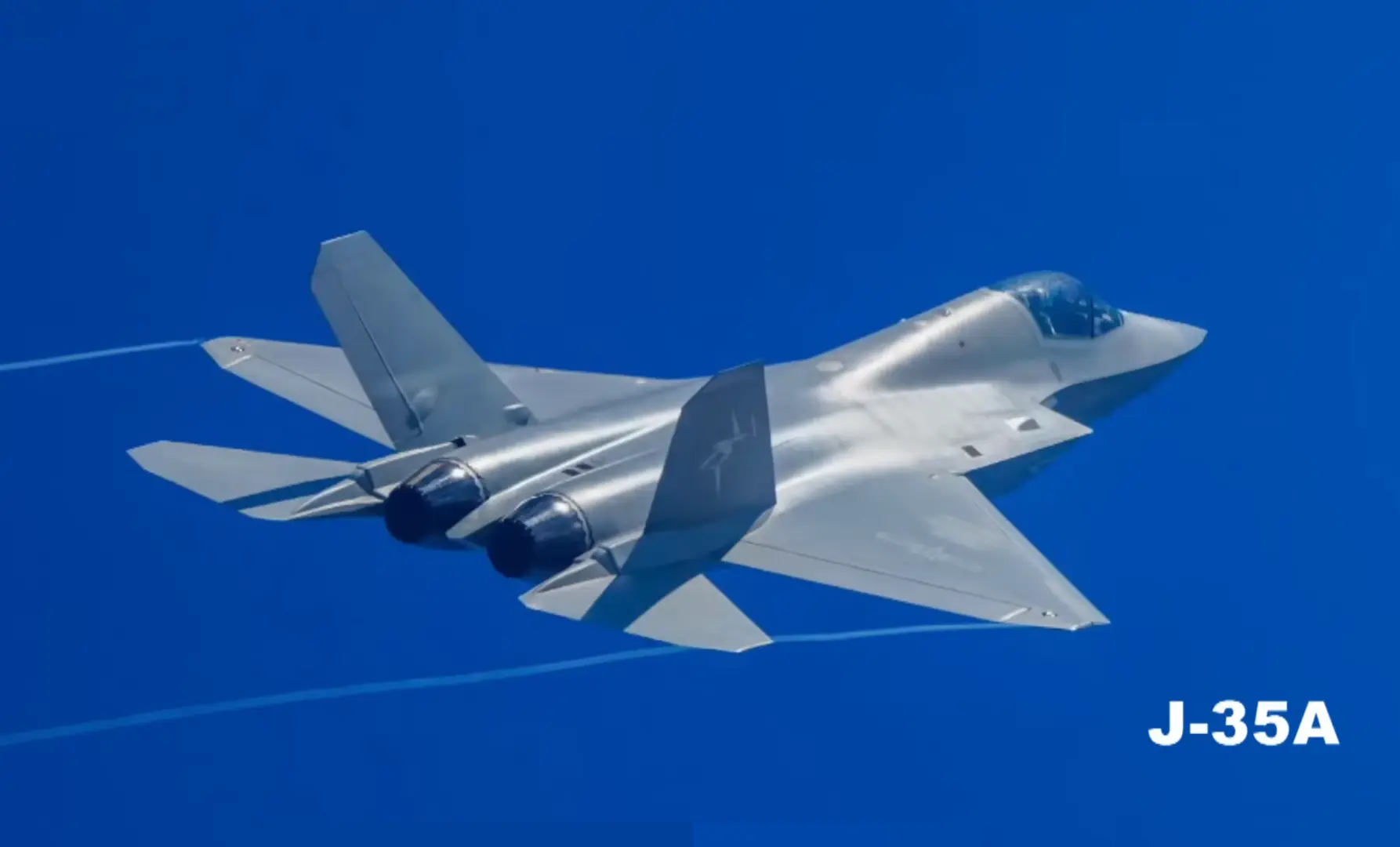
5. Shenyang J-35 – China’s Fifth-Generation Carrier Stealth Jet
The J-35, China’s newest stealth fighter, is built for use on aircraft carriers. Entering service in 2025, it uses advanced radar-absorbing material and internal weapon bays. Defence sources note that it matches the stealth performance of the F-35, focusing on low-observable sensors and minimal radar return angles. It can operate quietly over sea missions without being spotted.
)
)
)
)
)