5 deadliest US bomber jets that became legends but are now retired

Their stories reveal how yesterday’s engineering marvels paved the way for today’s cutting‑edge bombers that still patrol the skies.
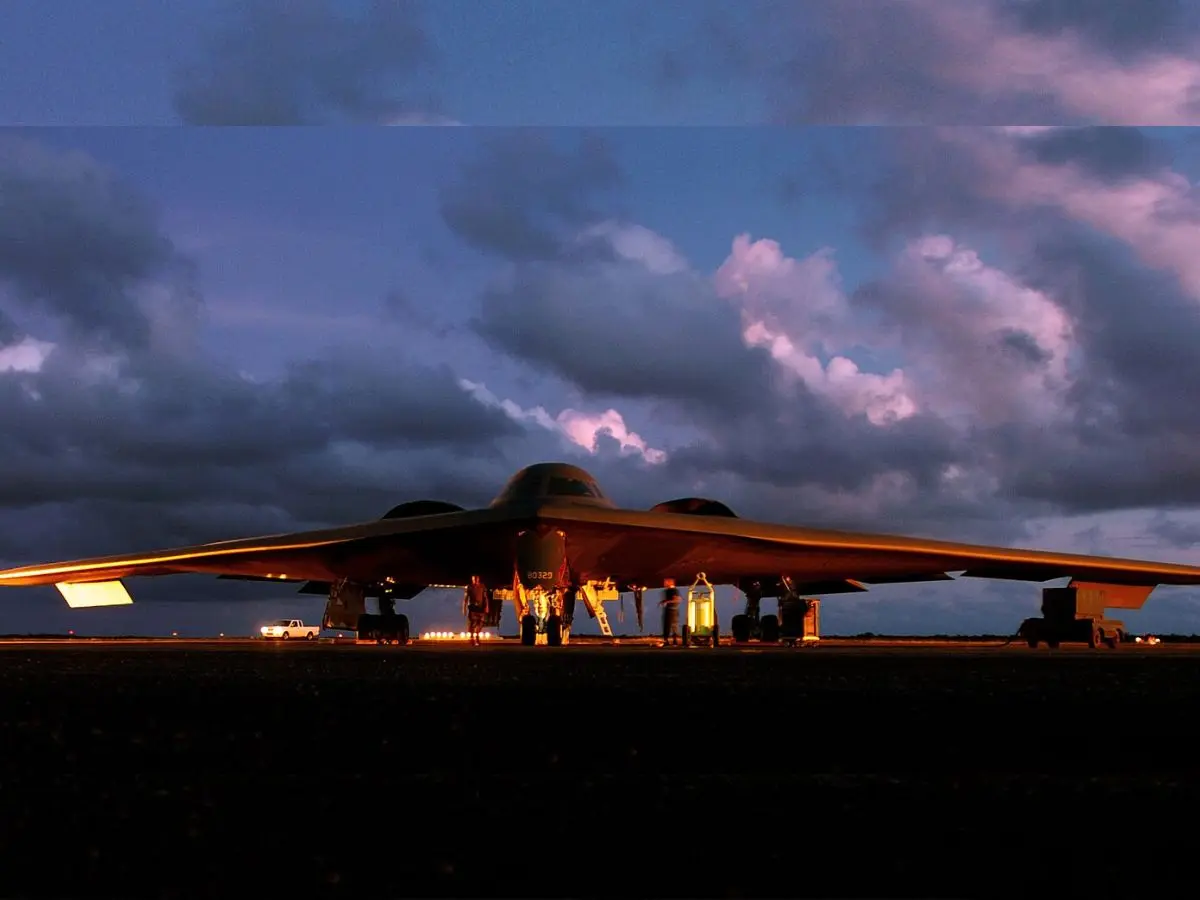
A legacy forged in steel and strategy
From the thunder of World War II runways to the quiet menace of today’s stealth giants, American bombers have shaped history and strategy alike. While modern icons like the B‑2 Spirit recently regained attention for their global deployments and precision strikes, it was older bombers, the B‑29, B‑36 and others, that first set the blueprint for airborne power. Retired yet legendary, these aircraft once carried nuclear payloads, flew at supersonic speeds and redefined warfare. Their stories reveal how yesterday’s engineering marvels paved the way for today’s cutting‑edge bombers that still patrol the skies. Here, we revisit five of the deadliest US bombers, exploring their service history, distinctive features and where these icons rest today.
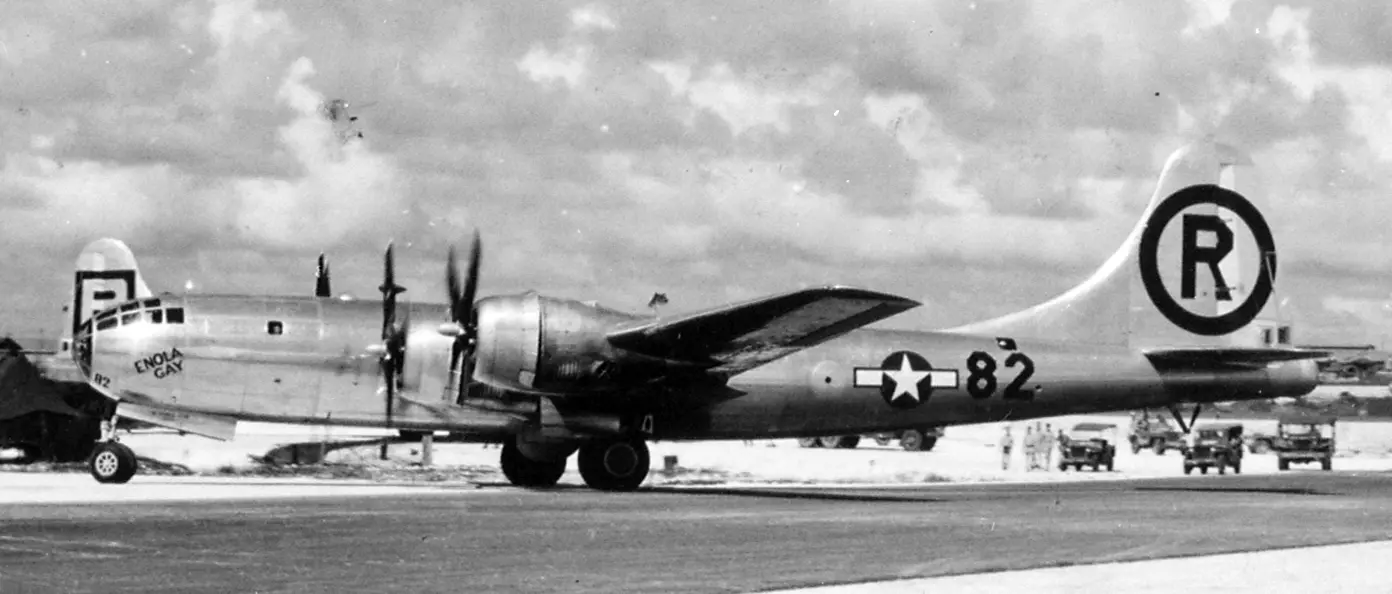
B-29 Superfortress: The nuclear shadow
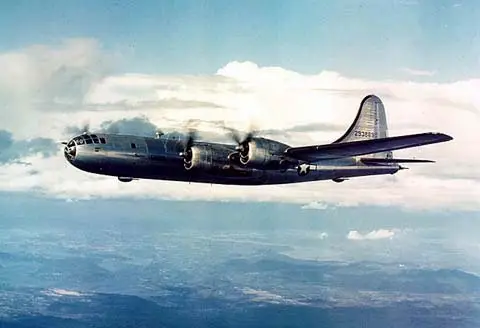
Introduced in 1944 by Boeing, the B-29 Superfortress became a symbol of both strategic might and devastating consequence. With a pressurised cabin, remote-controlled gun turrets and a maximum range of over 5,000 miles, the B-29 redefined long-range bombing. Its most infamous missions were the nuclear strikes on Hiroshima and Nagasaki in 1945. Some B-29s, like the Enola Gay, are now preserved in museums such as the Smithsonian’s National Air and Space Museum, where they serve as stark reminders of wartime decisions.
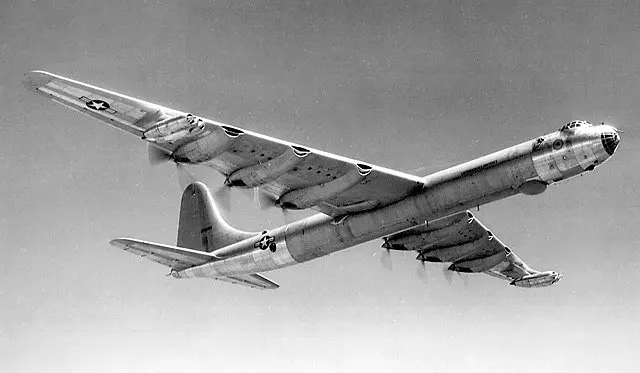
B-36 Peacemaker: Cold War deterrent
Convair’s B-36 Peacemaker entered service in 1949 and boasted the largest wingspan ever on a combat aircraft: 230 feet. Designed for intercontinental missions without refuelling, it carried both conventional and nuclear bombs, projecting American power during the early Cold War. The B-36 retired in 1959, replaced by jet-powered successors. Surviving examples, like the one displayed at the National Museum of the US Air Force in Ohio, stand as tributes to a unique chapter in strategic aviation.
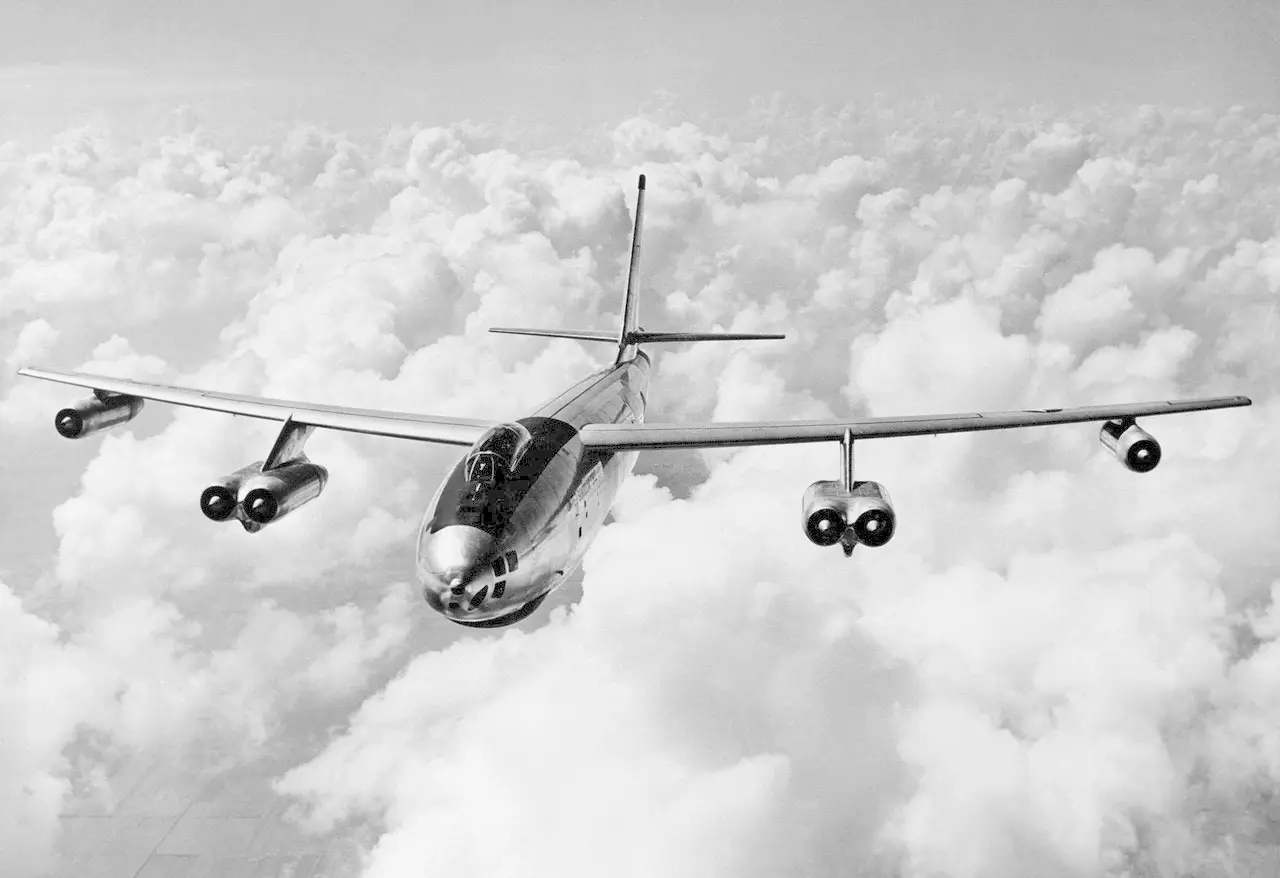
B-47 Stratojet: The jet age pioneer
Breaking new ground with swept wings and jet propulsion, the Boeing B-47 Stratojet brought speed to the Strategic Air Command from 1951. Able to fly at over 600 mph, it carried nuclear bombs deep into Soviet territory, embodying Cold War deterrence. The B-47 left service in 1969. A handful are preserved in US museums, representing an era when speed and altitude were the frontline defence.
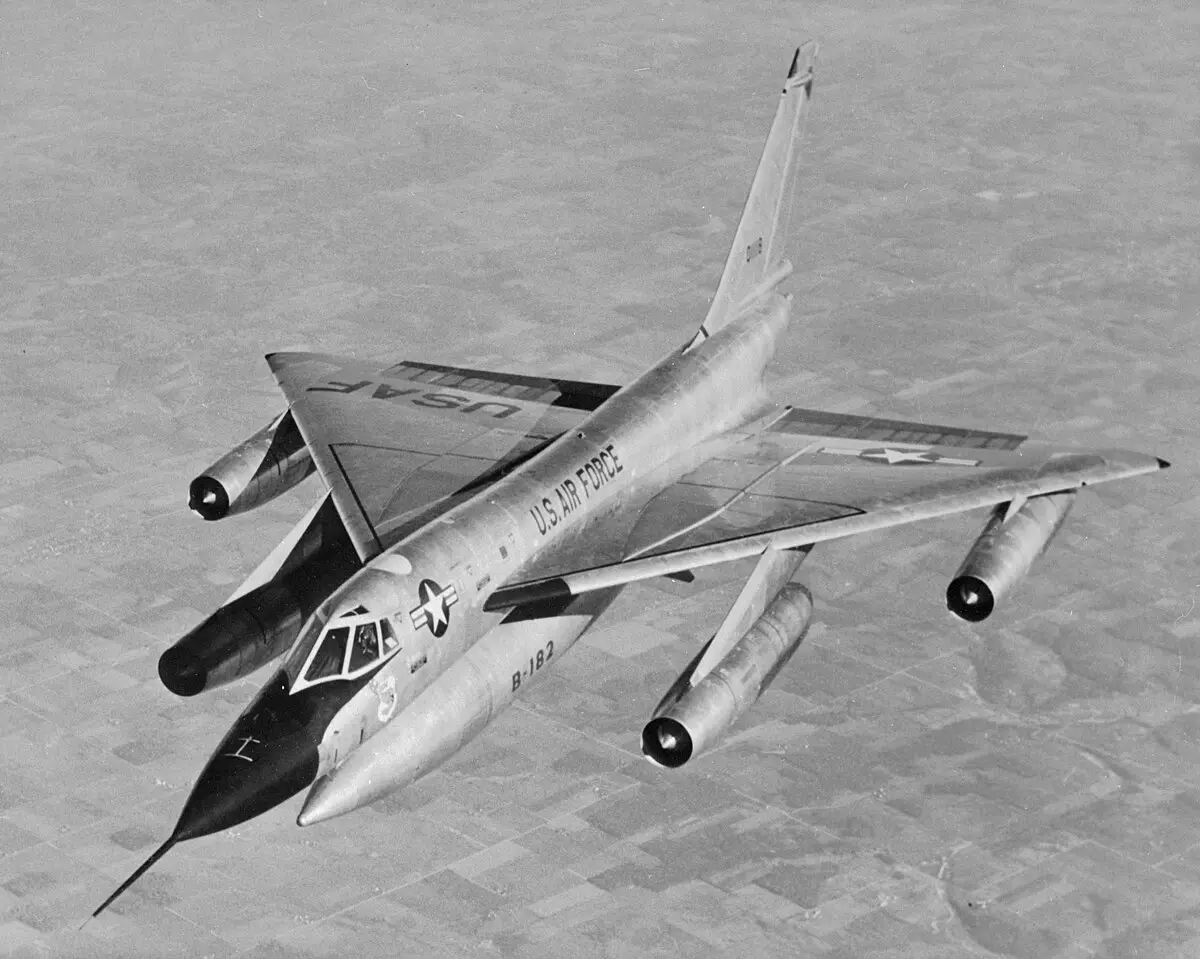
B-58 Hustler: Supersonic spearhead
Convair’s B-58 Hustler, operational from 1960 to 1970, was the first bomber capable of sustained Mach 2 flight. Its delta wing and advanced avionics set it apart, though high costs and vulnerability to new missile systems shortened its service. Today, museum displays keep alive the memory of this daring supersonic experiment.
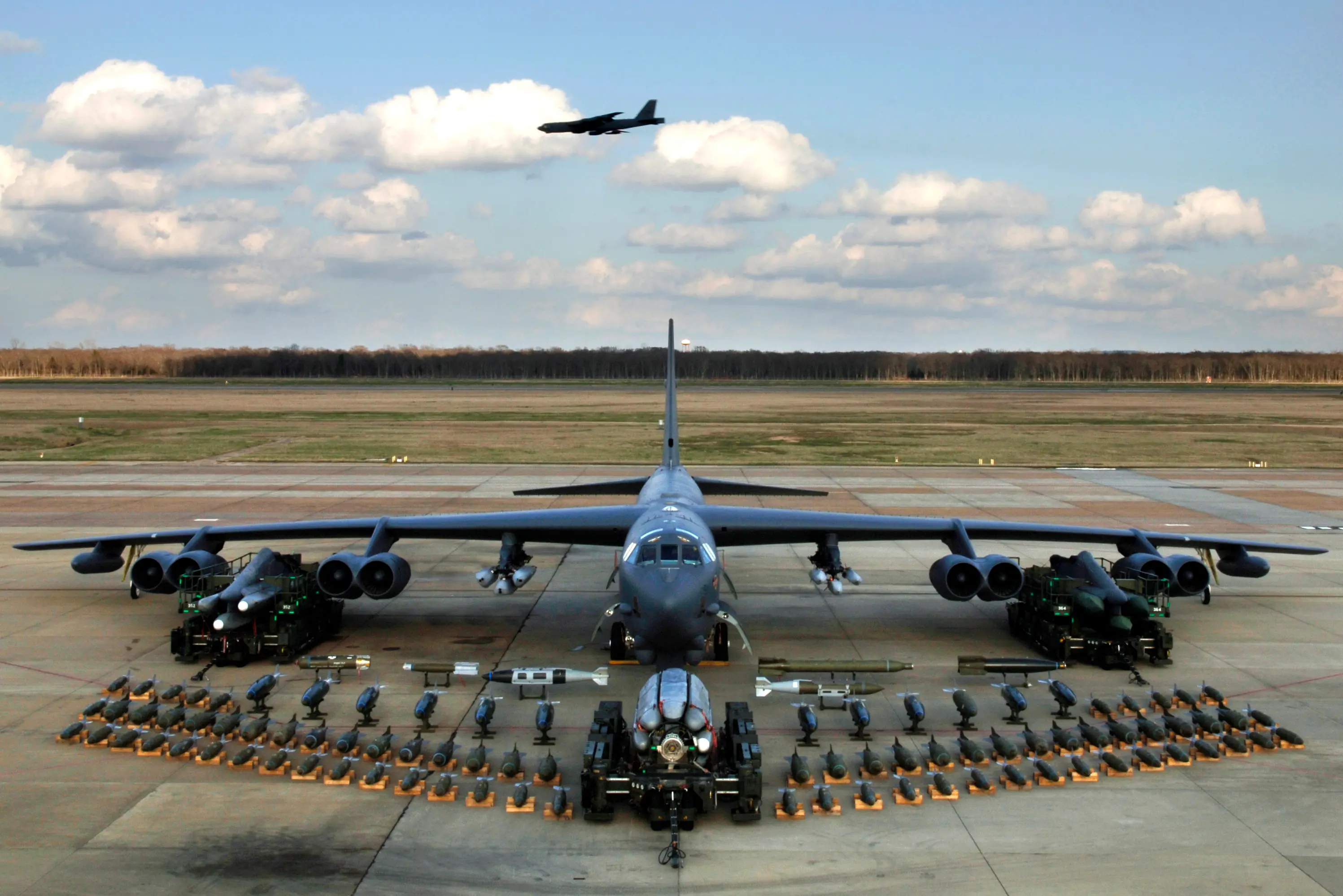
B-52 Stratofortress: Still flying, but older models retired
First flown in 1952, the Boeing B-52 remains in service today, though several early variants have been retired. With a payload of up to 70,000 pounds and intercontinental range, the B-52 served in Vietnam, the Gulf War and beyond. Retired airframes can be seen at multiple museums, while modernised B-52s continue to fly—proving the bomber’s remarkable adaptability over decades.
Echoes of power and legacy
These bombers once dominated skies and strategies alike. Though now grounded or museum-bound, they remain powerful reminders of how technology and policy intertwined to shape global history. Their stories are etched in steel, strategy and the lessons they leave behind.
)
)
)
)
)