5 countries with the most powerful internet surveillance capabilities

From China’s Great Firewall to the NSA’s global reach, five countries dominate digital surveillance. These nations use advanced tools to monitor citizens, control information, and shape the future of cybersecurity and privacy worldwide.

Internet surveillance
The digital world is now a space where nations compete for control and power. Internet surveillance lets governments track users, block websites, and intercept data blending national security with privacy concerns. The most powerful systems cross technical, legal, and ethical lines.
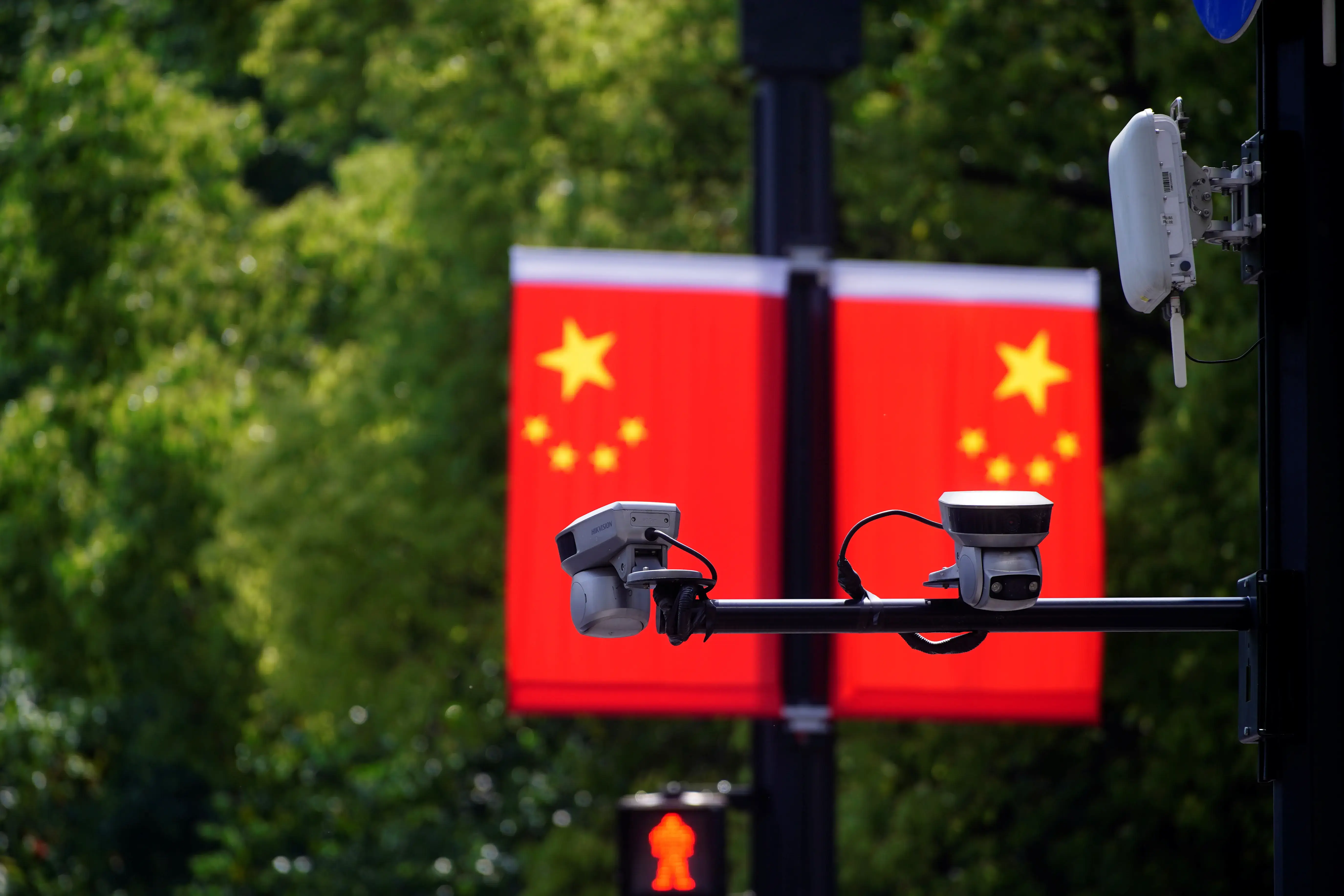
China ( The Great Firewall )
China is the undisputed leader in digital surveillance. “The Great Firewall” blocks and filters websites, while state-run systems monitor posts, chats, and searches in real time. China controls its internet backbone; foreign platforms are forced to obey strict data rules or get banned.
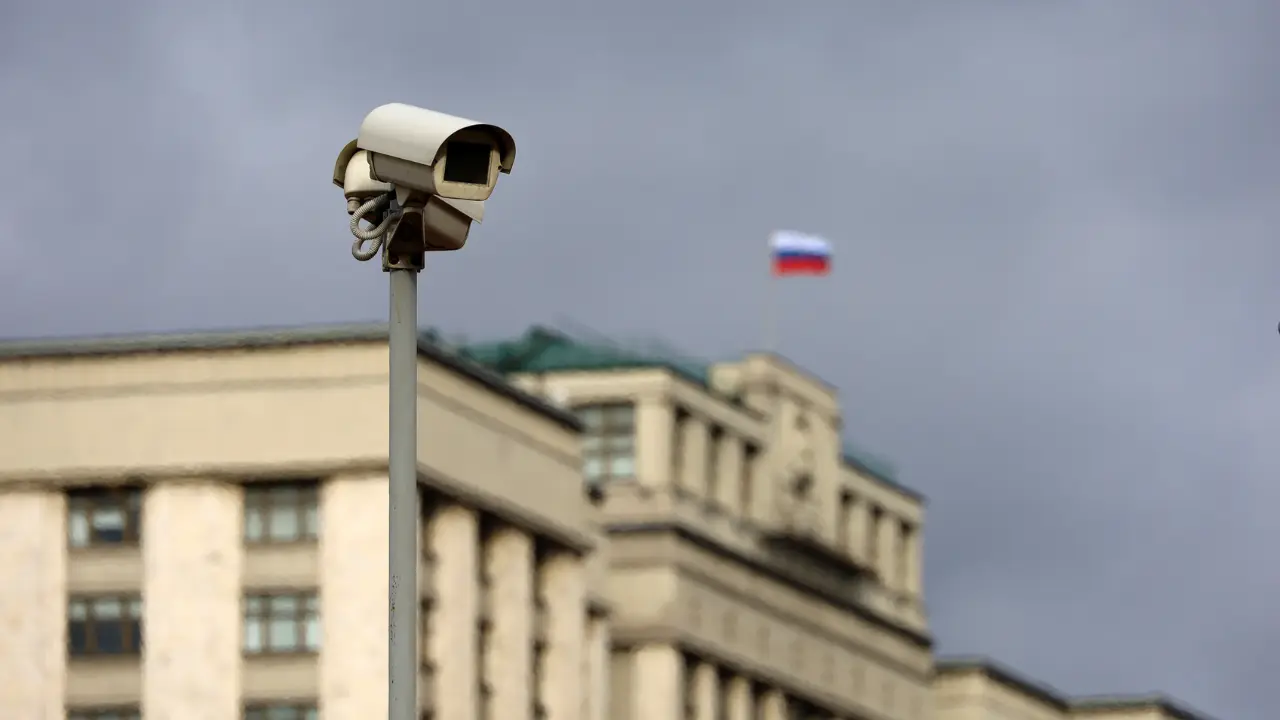
Russia ( The SORM system )
Russia combines sweeping laws, state-run telecoms, and technical expertise. The SORM system allows the government to tap phones and monitor all internet traffic. Russia has also moved toward creating a “sovereign internet,” isolating digital life from the outside world.

United States ( Five Eyes )
United States has vast surveillance power thanks to the NSA and “Five Eyes” network. Programmes like PRISM collect global data flows from internet companies. U.S. cyber law often favours national security over personal privacy, aided by global technology partnerships.
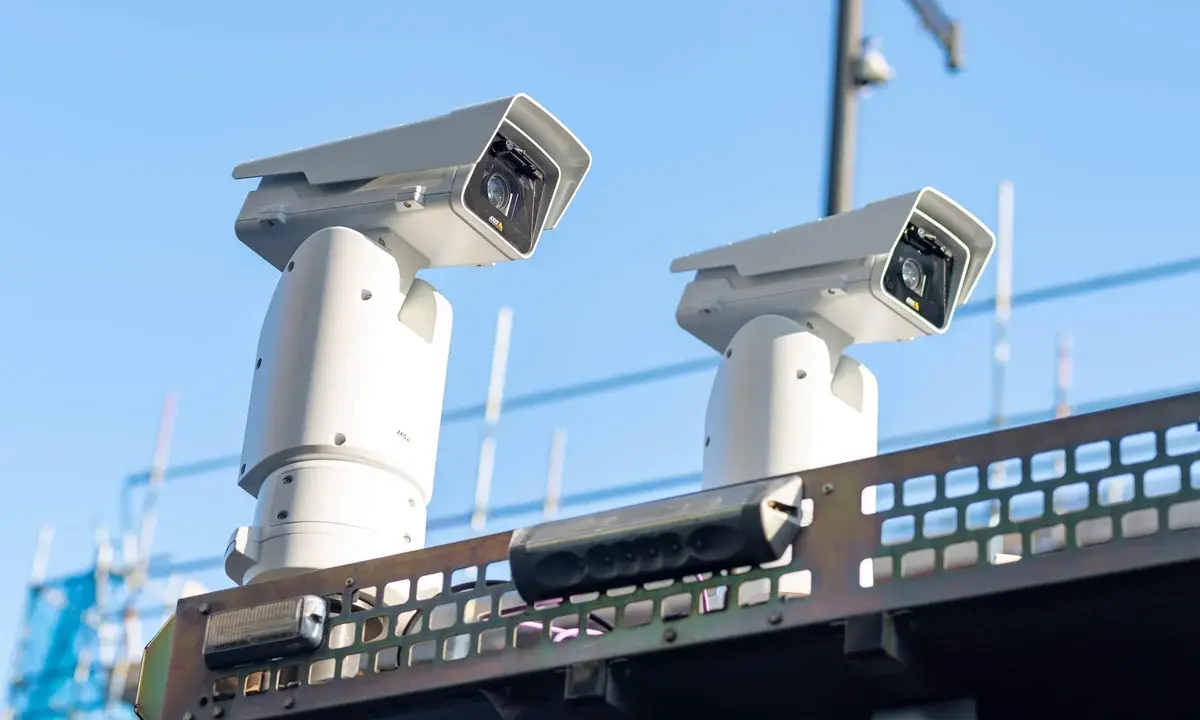
United Kingdom surveillance
United Kingdom leads in video and data surveillance, with millions of public and private cameras. Legal tools like the Investigatory Powers Act grant easy access to web histories, texts, and calls, and the UK is deeply integrated with global intelligence sharing.
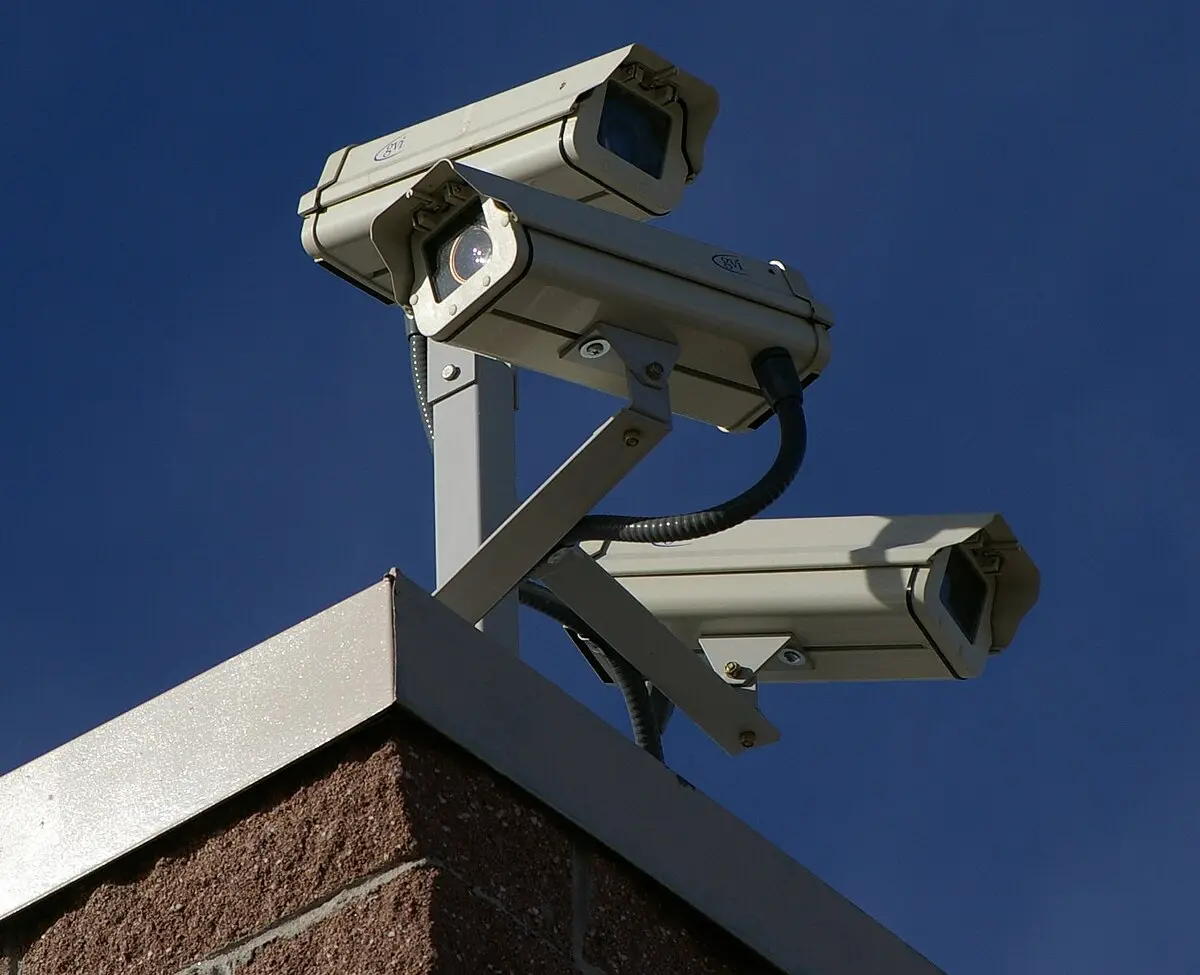
Germany digital surveillance
While it is an ally of the U.S., Germany has also been revealed to have extensive surveillance capabilities and cooperation with the Five Eyes alliance.
The government monitors online behaviour using digital surveillance.
)
)
)
)
)