From North Korea to United States, 5 countries with largest active armies in world, check where India stands

Here's a look at the top five countries with largest armies in world. This list includes the likes of India, China, and United States.
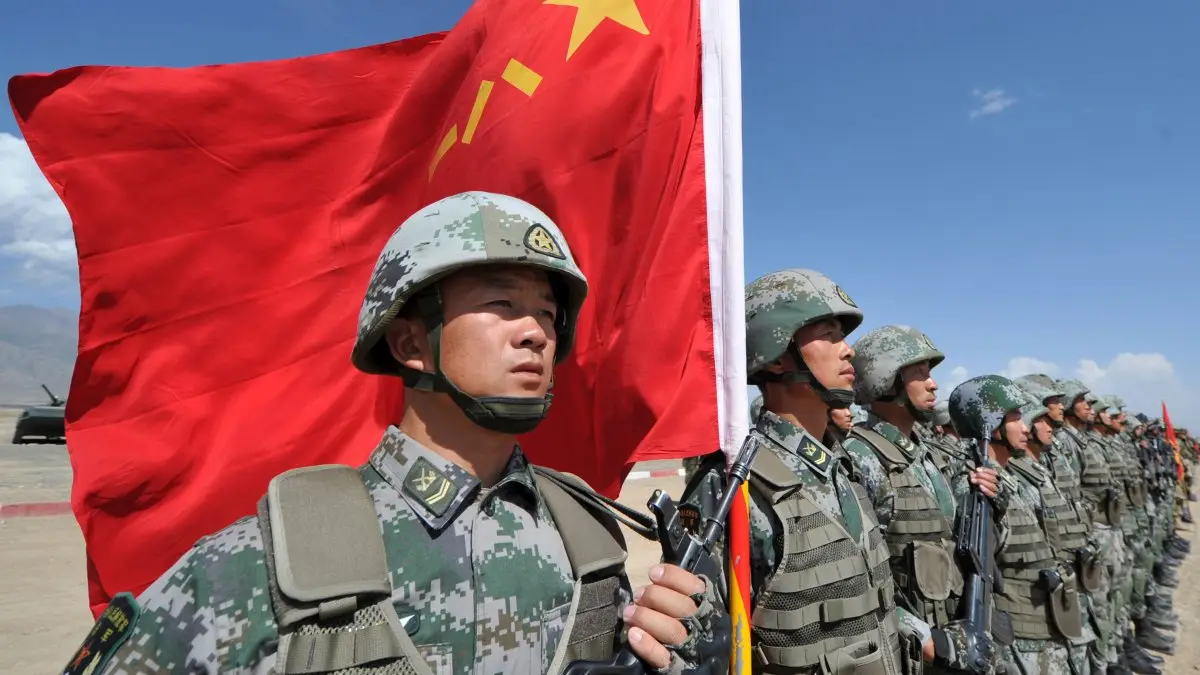
China - 2,035,000
The People’s Liberation Army (PLA) is China’s military and has about 2 million (2,035,000) active soldiers. It has four main branches - Ground, Navy, Air, and Rocket Force. It also has specialised units for space, cyber, logistics, and information warfare. In 2024, Beijing’s defence budget was about $314 billion (1.7% of its GDP), which supports rapid modernisation and covers areas like hypersonic missiles, aircraft carriers and advanced satellites.
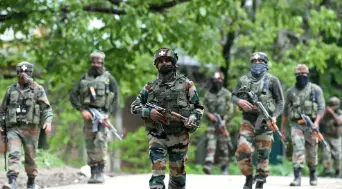
India - 1,475,750
The Indian Army is second on this list and has about 1.48 million (1,475,750) active soldiers and 1,155,000 reservists in it. These statistics make it the world’s second-largest standing army and the biggest all-volunteer force in the world. Over the years, India has been steadily modernising with new tanks like the Arjun and T-90S.
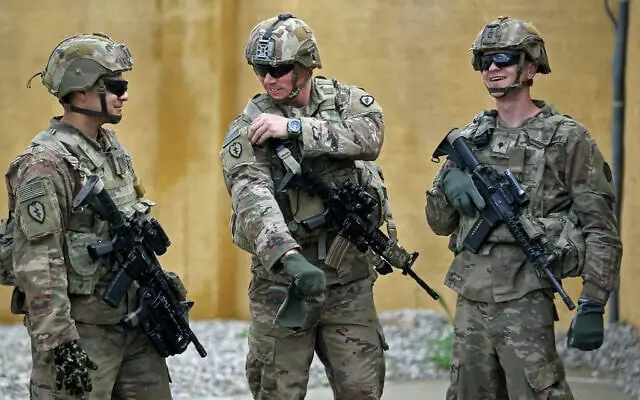
United States - 1,315,600
The United States Army is third on this list and has around 1.3 million (1,315,600) active soldiers. Its role is to ensure US dominance on land in all types of conflicts. The army runs global operations through six combatant commands, 11 active divisions, Special Operations Forces and a fleet of about 4,400 aircraft.
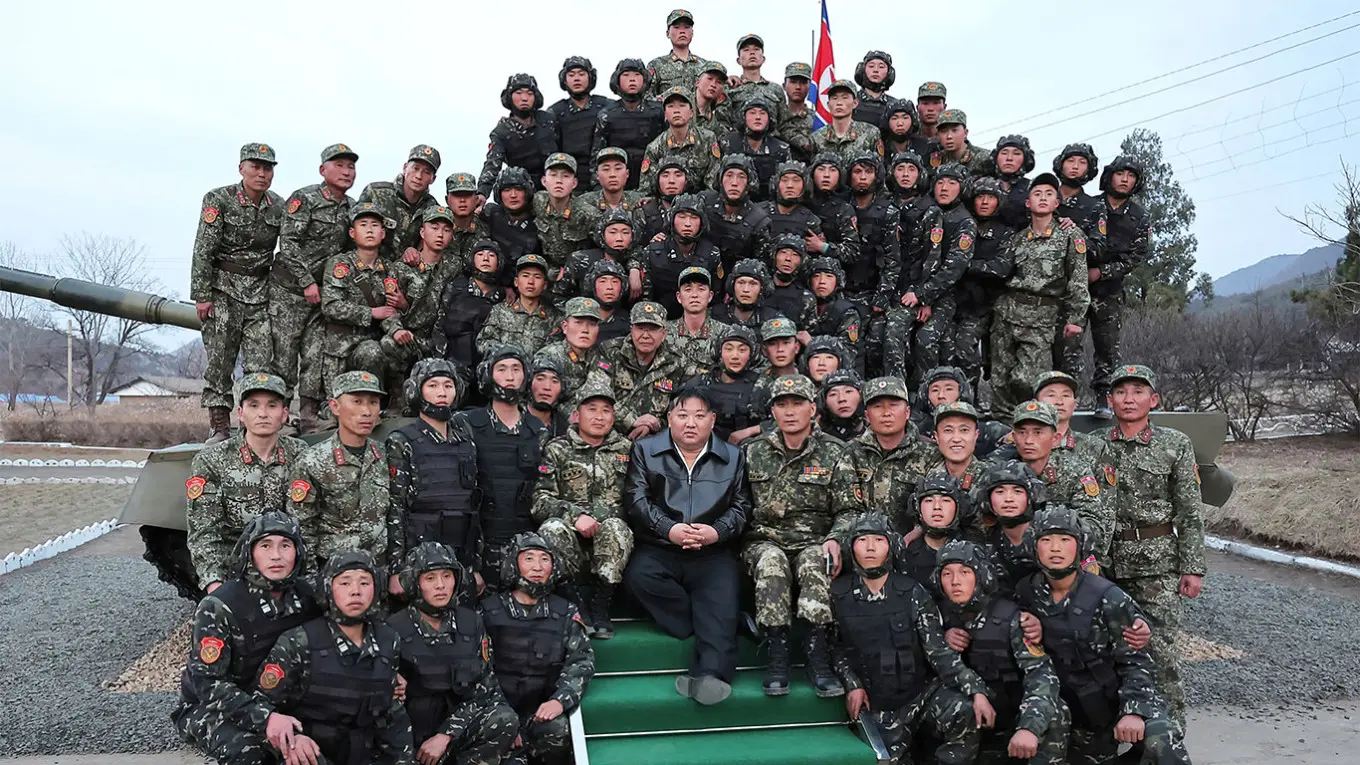
North Korea - 1,280,000
The Korean People’s Army (KPA) has about 1.28 million (1,280,000) active soldiers, 600,000 reservists and several million paramilitary personnel. It was first formed as a guerrilla unit in 1932 and became official over a decade later in 1948. The KPA is the armed wing of the ruling Workers’ Party, led directly by Kim Jong Un. It has five branches in the army – Ground, Navy, Air, Anti-Air Strategic Missile and Special Operations.
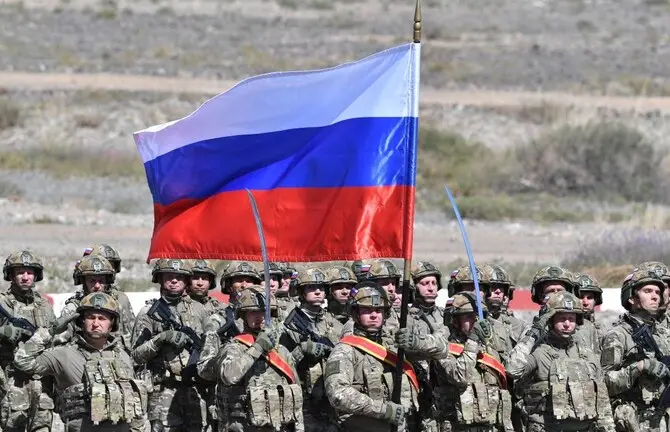
Russia - 1,134,000
Russia’s modern armed forces were reformed after the Soviet Union collapsed in 1992. With about 1.13 million (1,134,000) active soldiers, it is the world’s fifth largest active army. The military includes the Ground, Navy and Aerospace Forces. In 2024, Russia’s defence budget was around $149 billion (7% of GDP). However, the recent war in Ukraine has revealed major problems in the army, such as corruption, poor logistics, high casualties and pressure on its defence industry.
)
)
)
)
)