5 countries tracking Voyager 2 from Earth

In Voyager’s early years, NASA operated antennas near Johannesburg. While no longer in use for Voyager today, Hartebeesthoek provided valuable support during the early phase of the mission.

The Role of Ground Stations
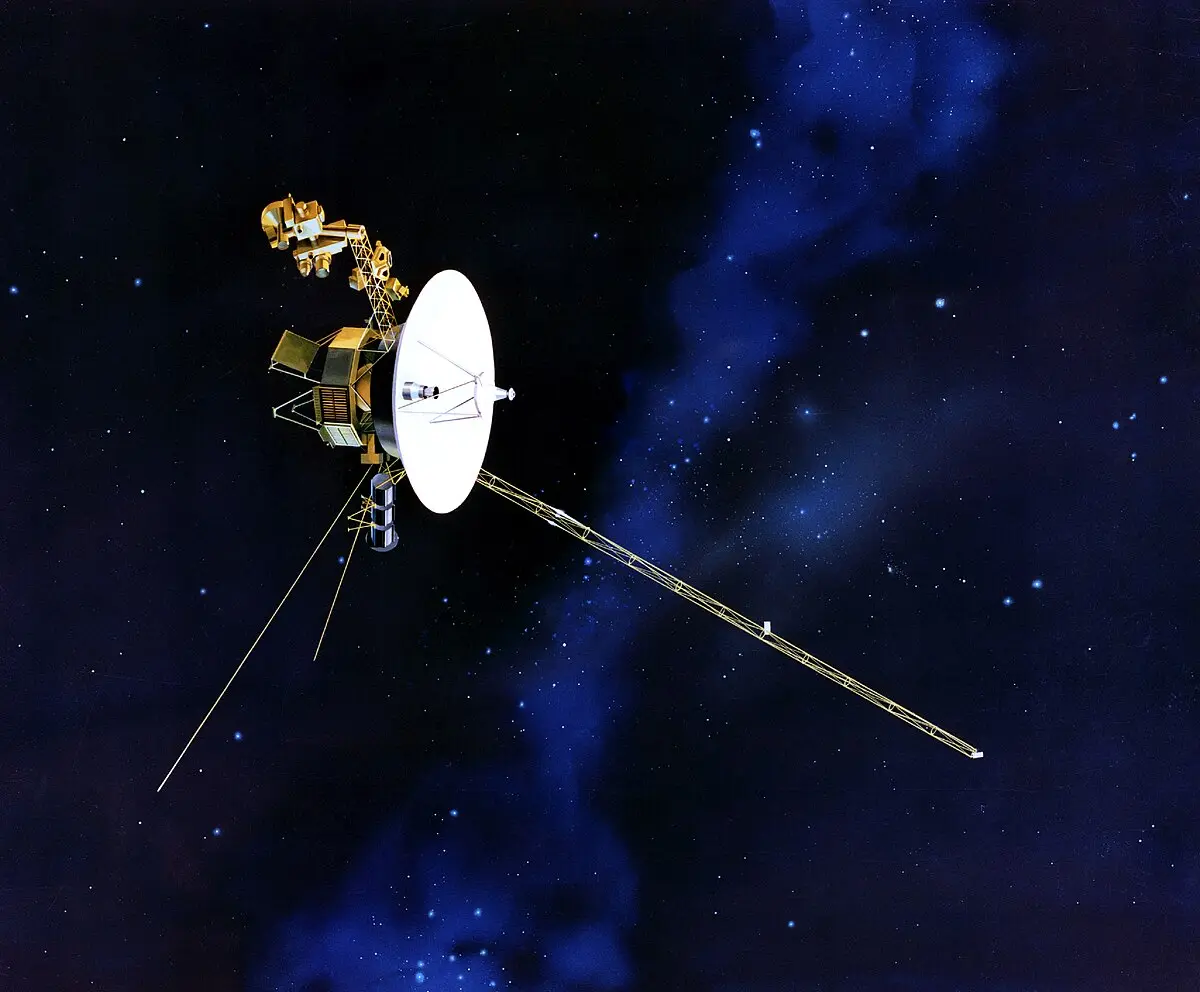
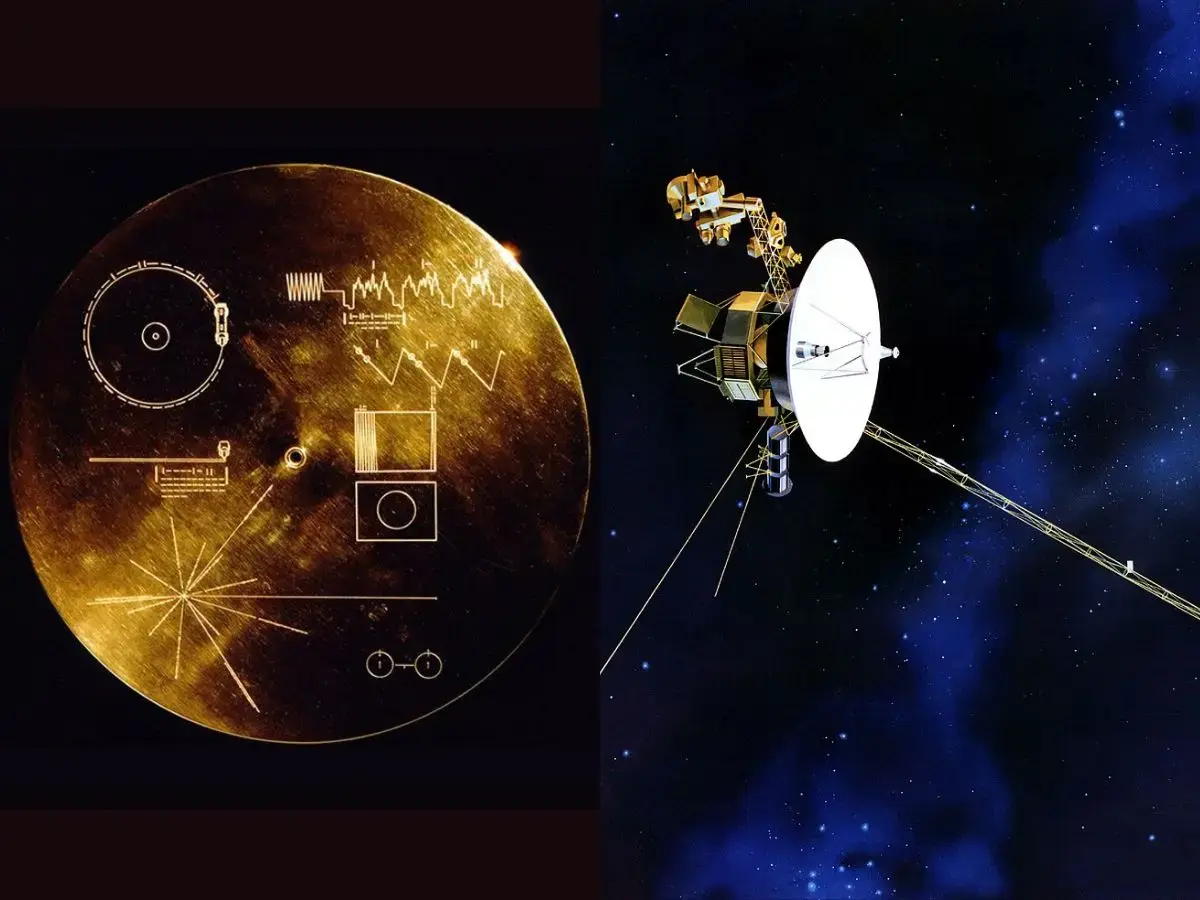
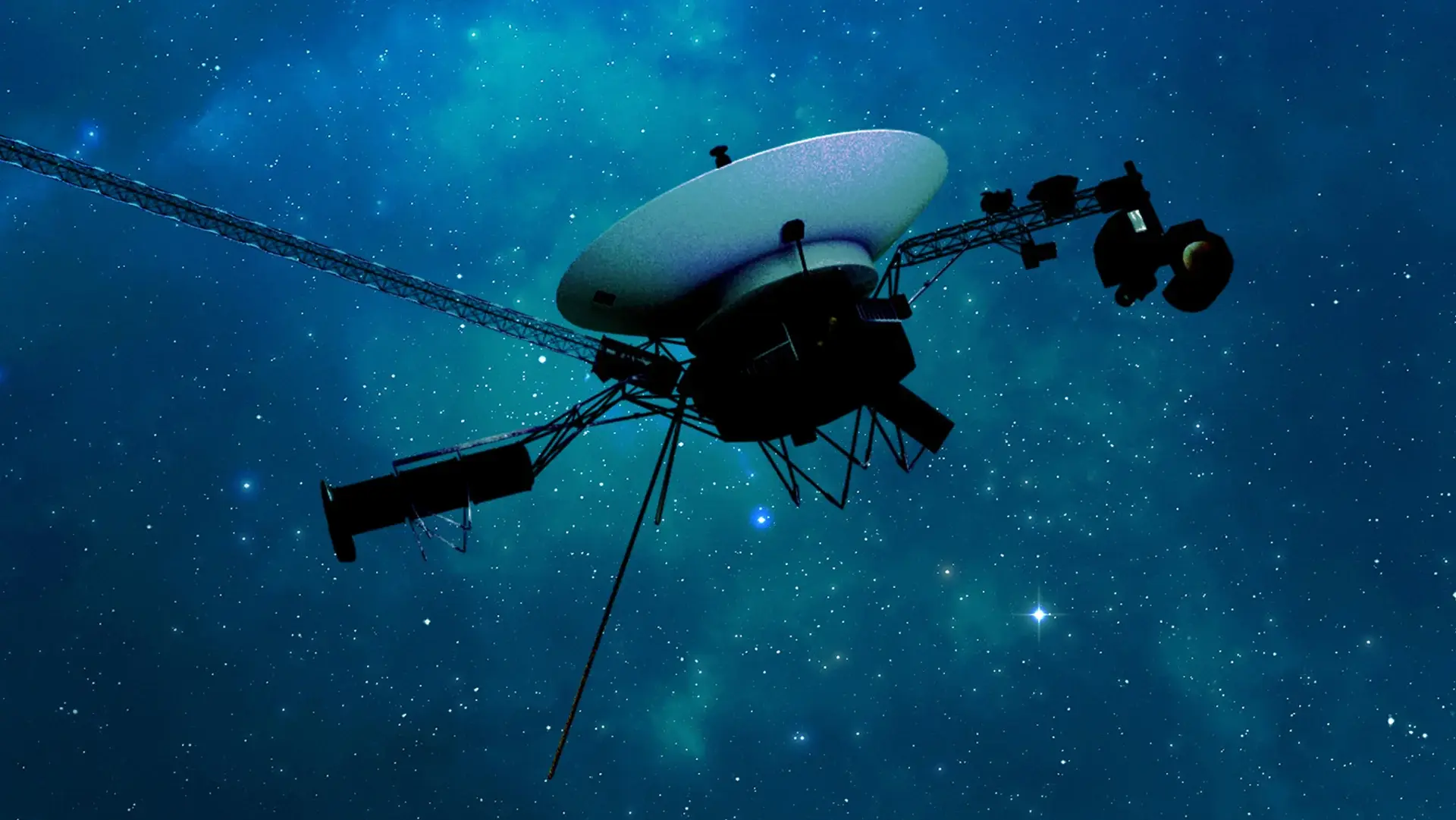
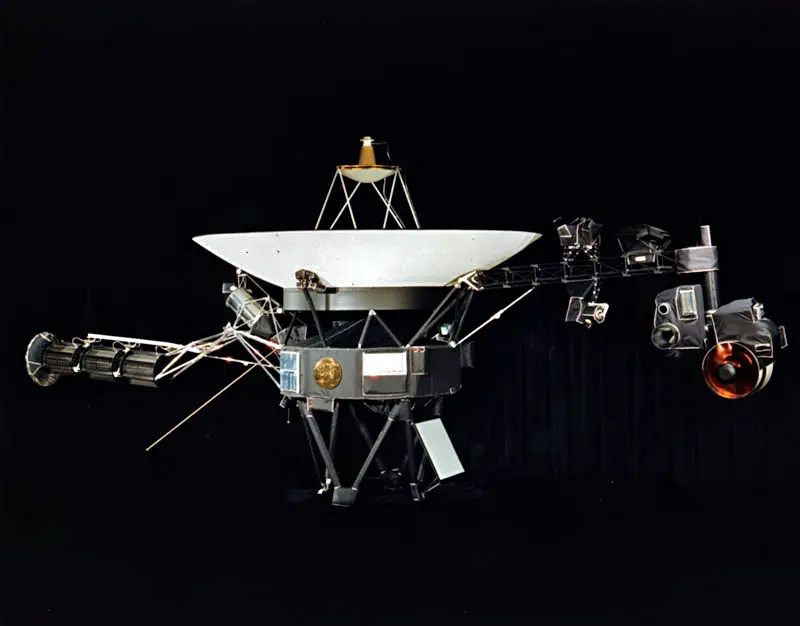
Voyager 2’s ability to communicate across billions of kilometres depends on Earth-based radio antennas. These facilities form part of NASA’s Deep Space Network (DSN) and its partner stations worldwide.
United States – Goldstone, California
The Goldstone complex is the DSN’s western anchor. It has handled Voyager 2 since launch in 1977, upgrading equipment over decades to detect its increasingly faint signals.
Spain – Madrid
The Madrid station provides coverage when Voyager 2 is above the European horizon. Its location ensures that signals are received as Earth rotates, filling gaps between California and Australia.
Australia – Canberra
Canberra is the DSN’s southern hemisphere hub. In 2020, it played a crucial role when Voyager 2 was briefly cut off and engineers restored contact using the largest antenna, DSS-43.
Argentina – Malargüe (ESA Station)
Though not part of the DSN core, the European Space Agency’s Malargüe station in Argentina can support deep-space communications, including backup services for NASA missions like Voyager 2.
South Africa – Hartebeesthoek
In Voyager’s early years, NASA operated antennas near Johannesburg. While no longer in use for Voyager today, Hartebeesthoek provided valuable support during the early phase of the mission.
Why This Network Matters
Together, these stations across five countries, ensured Voyager 2 could stay in contact as it journeyed beyond the Solar System. The global arrangement highlights how international collaboration is essential for long-term deep-space exploration.
)
)
)
)
)