5 countries hoarding the most gold and why it matters

Gold remains the ultimate reserve for global powers. Nations like the U.S., Germany, and Russia hold thousands of tonnes of gold. These gold hoards protect economies during crises and influence currency values and international politics.
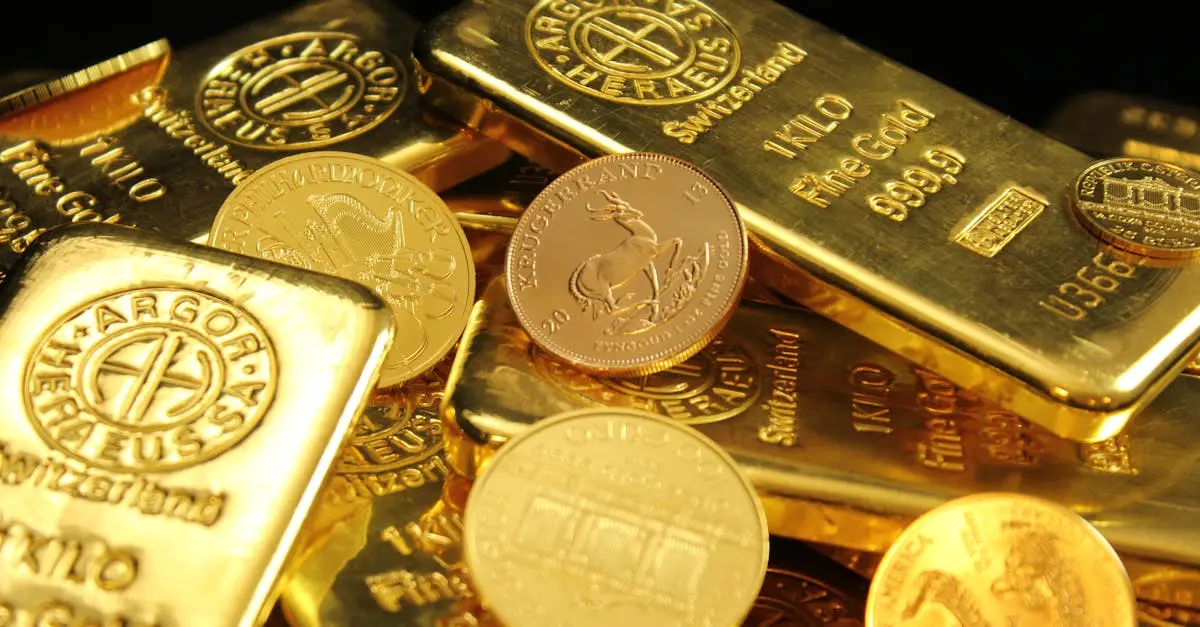
Top gold holders?
The United States leads with 8,133.46 tonnes of gold, followed by Germany (3,351 tonnes), Italy (2,451 tonnes), France (2,437 tonnes), and Russia (2,329 tonnes). These total data are from the World Gold Council and major central banks.
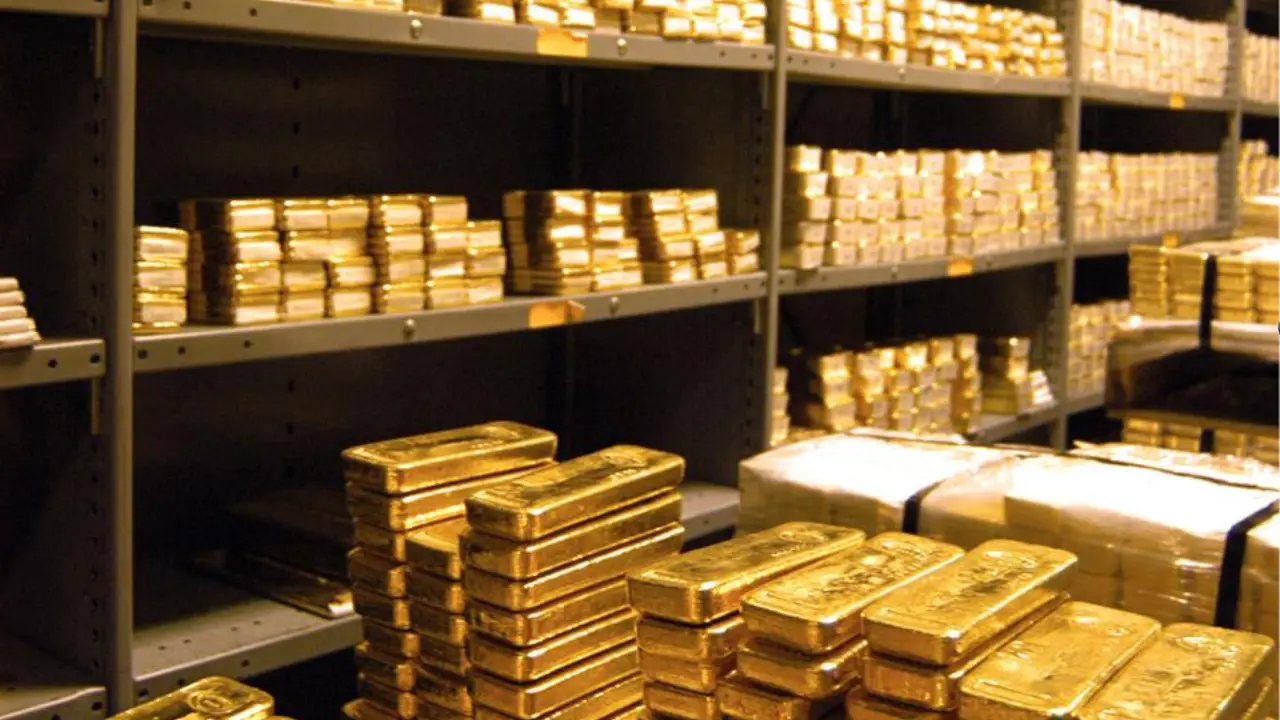
Why do countries hoard gold?
Gold is seen as a safe haven for wealth, especially when economies face inflation or uncertainty. By hoarding gold, countries insure themselves against currency collapse or global financial turbulence. Many central banks have increased gold buying since 2010.

United States (8,133 tonnes)
America’s gold (mostly in Fort Knox and the Federal Reserve Bank of New York) secures the dollar’s status as the world’s leading currency. U.S. holdings give stability to its financial system, supporting global trust in the dollar.

Germany (3,351 tonnes)
Germany is Europe’s top gold holder, keeping most in domestic vaults or repatriating gold from abroad. The country sees gold as insurance against eurozone risks and has returned over 300 tonnes from the U.S. and France since 2017.

Italy: 2,451 tonnes,
Italy maintain huge gold hoards as pillars of financial stability and tradition. Italy’s Bank has long resisted selling the gold, viewing gold as vital for independence.

France: 2,437 tonnes
France’s central banks hold huge gold reserves to secure their economies and calm investors during uncertain times.
Russia (2,329 tonnes)
Russia has aggressively multiplied its reserves, swapping U.S. dollars for gold to shield its economy against Western sanctions and market risks. Its gold vaults give Russia flexibility to weather geopolitics and protect its currency.
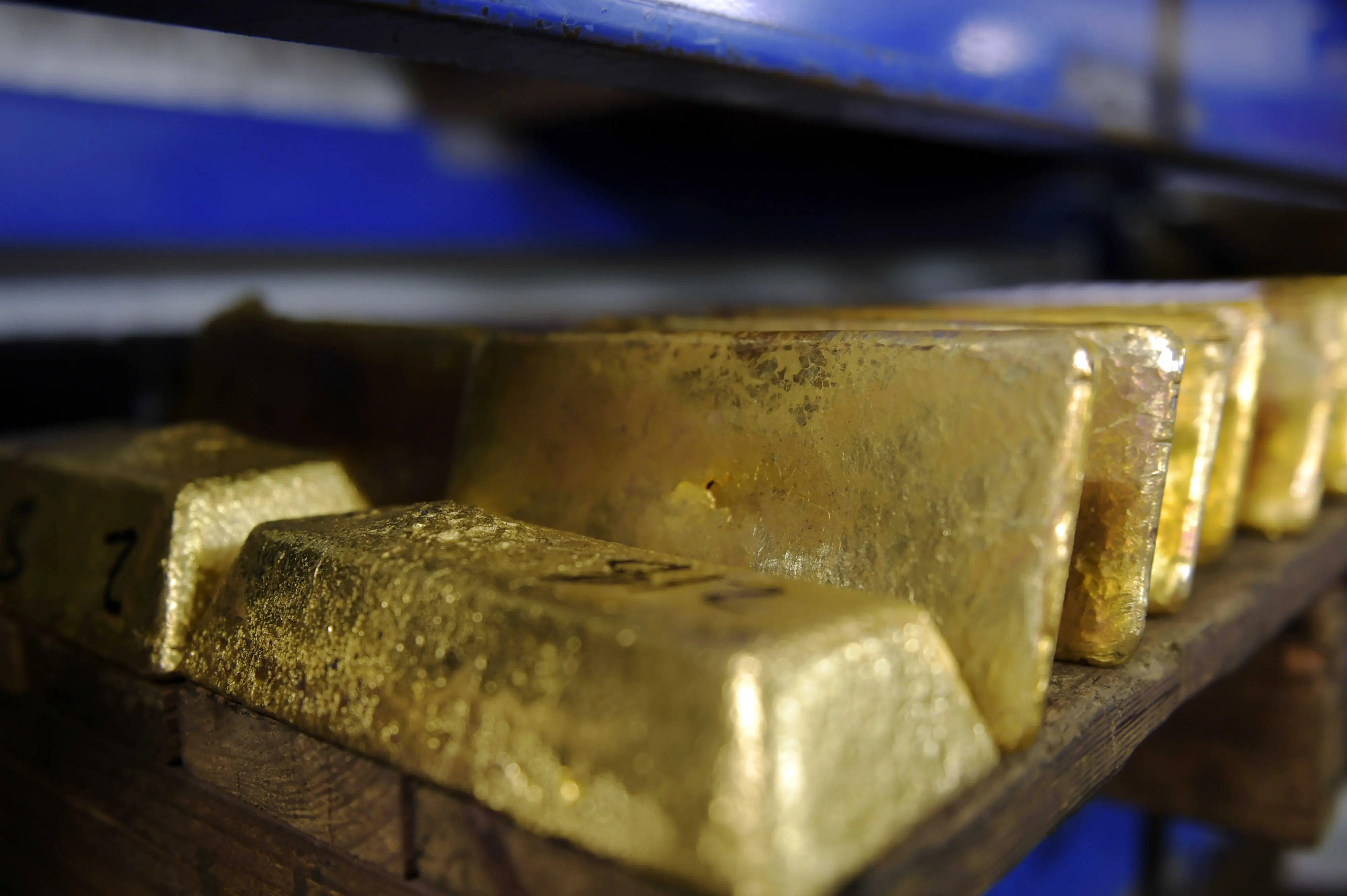
Gold reserves
Despite rises in digital currencies, gold remains central in global economics. Nations with high gold reserves can handle inflation, boost their credit rating, and face crises with more security. As currencies fluctuate, gold anchors independence and trust for decades.
)
)
)
)
)