5 challenges faced by humans in making hypersonic fighter jet engines

Here are five major challenges that make hypersonic propulsion one of the toughest frontiers in aerospace engineering.
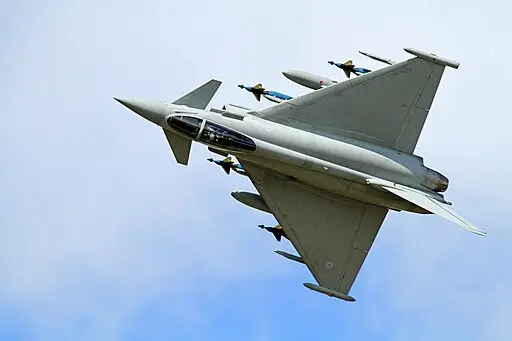
1. Surviving Extreme Temperatures
At hypersonic speeds, air friction can heat an aircraft’s surface to over 1,500°C, hot enough to melt steel. Designing engines that can operate under these scorching conditions without burning up is a monumental challenge. Engineers use heat-resistant alloys, ceramics, and even active cooling systems, but maintaining stability at such high heat remains difficult.
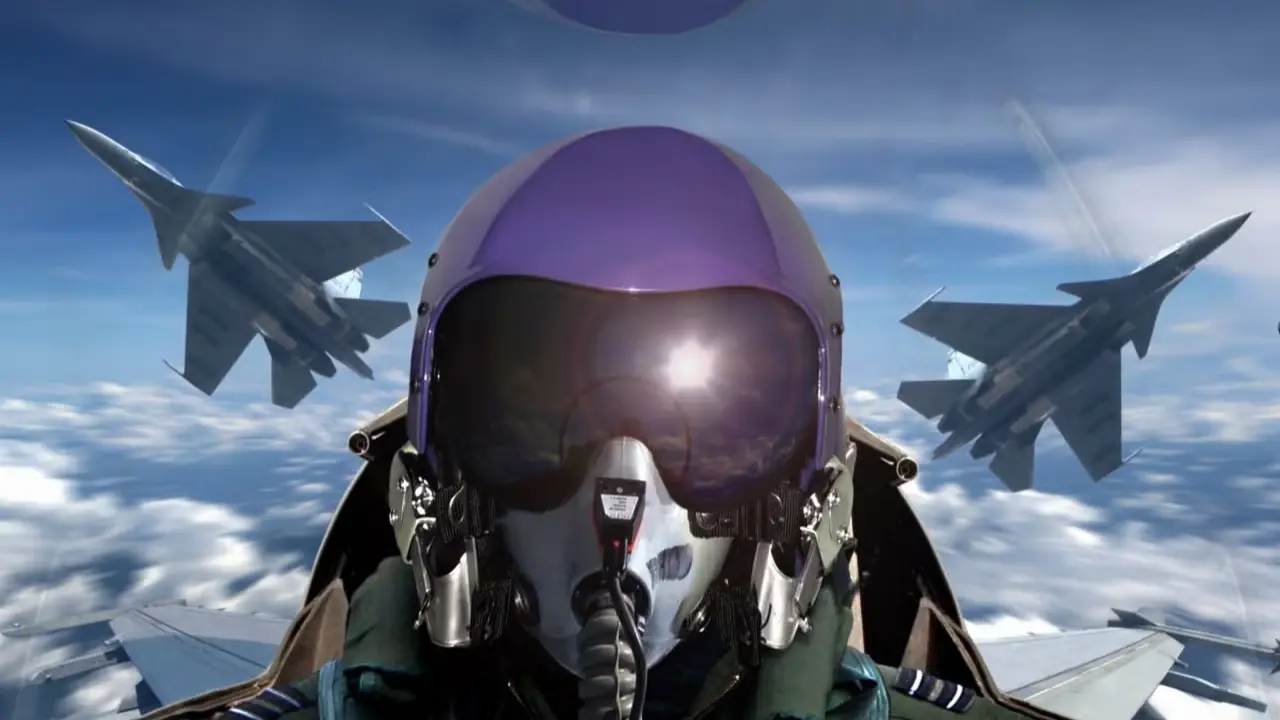
2. Managing Airflow at Mach 5+
A normal jet engine depends on steady airflow. But at hypersonic speeds, the air enters the engine at incredible pressure and temperature, making traditional turbines useless. Scramjets (Supersonic Combustion Ramjets) are used instead, but controlling how air compresses, mixes with fuel, and burns, while travelling faster than sound, is a complex aerodynamic puzzle.

3. Combustion Stability
At Mach 5, air passes through the combustion chamber in milliseconds. Getting fuel to ignite and burn efficiently in that brief window is a major obstacle. If the combustion is unstable or incomplete, it can cause engine stalls, surges, or catastrophic failures. Achieving “supersonic combustion” without losing thrust is one of the holy grails of hypersonic research.
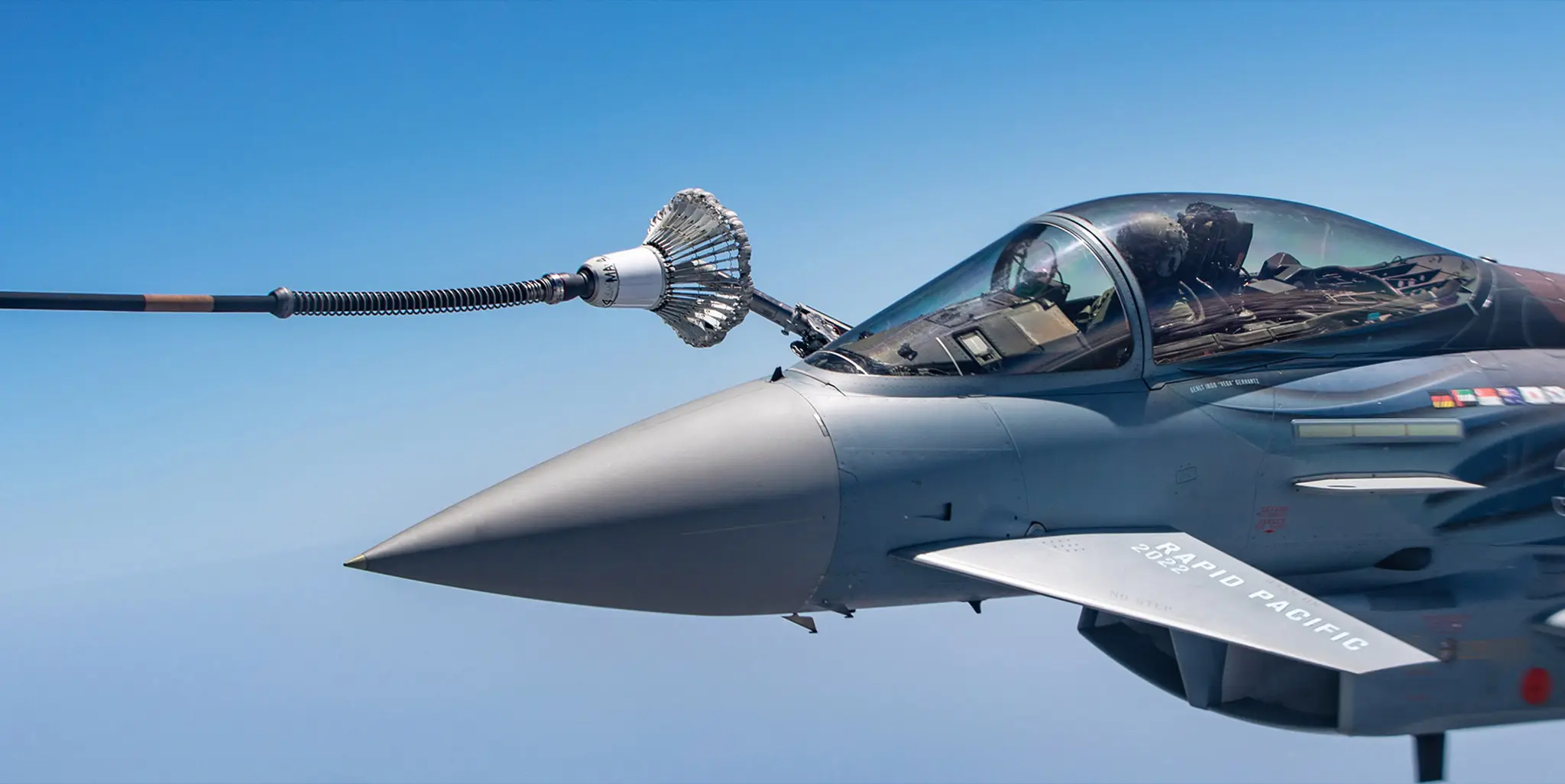
4. Materials and Manufacturing Limits
Even the strongest materials known to science, like titanium alloys or carbon composites, struggle to endure the mechanical and thermal stresses of hypersonic flight. Engineers are experimenting with nanomaterials, metallic foams, and thermal barrier coatings to develop structures that won’t crack or deform mid-flight.
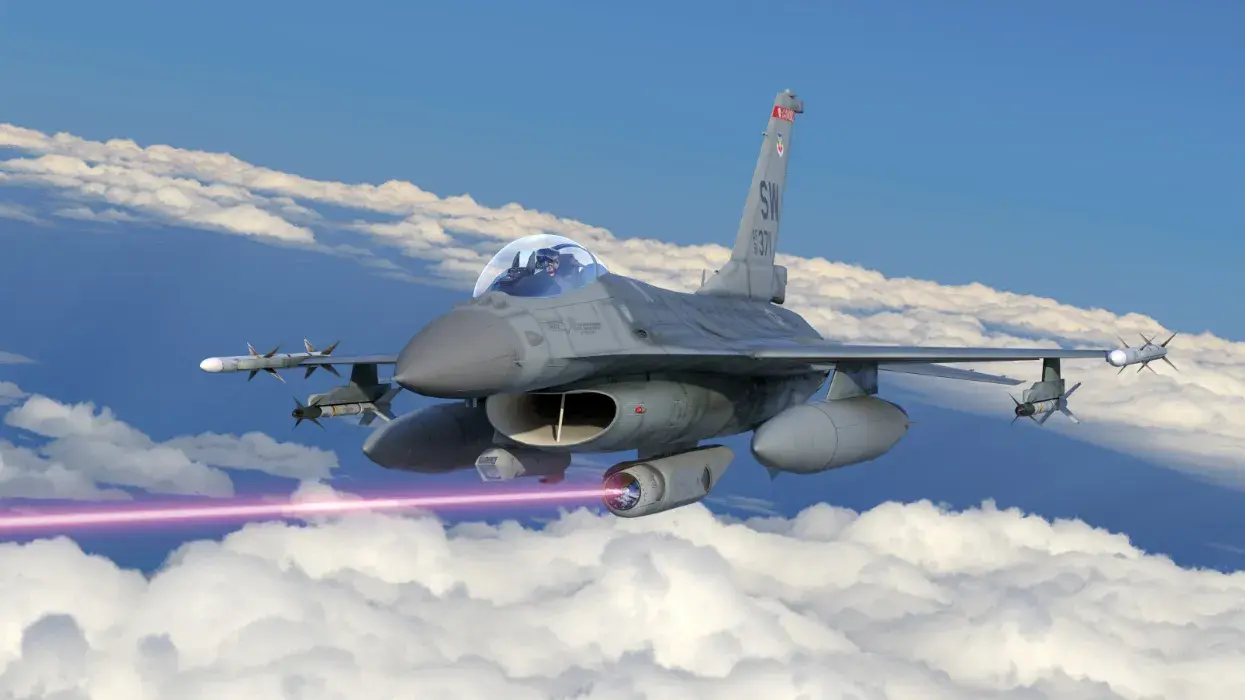
5. Testing and Validation
You can’t just test a hypersonic engine in a regular wind tunnel. Facilities capable of simulating Mach 5+ airflow are rare, expensive, and limited in duration. Each test only lasts a few seconds, making it difficult to collect complete data or predict real-world performance. This testing bottleneck slows down innovation across the globe.
The Bottom Line
While countries like the US, China, and Russia have made breakthroughs in hypersonic propulsion, creating a fully operational, reliable hypersonic engine remains the ultimate engineering challenge. Whoever solves it first could redefine aerial warfare and high-speed travel for generations.
)
)
)
)
)