5 banks caught moving cartel cash and how they got away

While cartels across the globe rely on violence and secrecy, their most crucial ally remains familiarly hidden: the banking system. This investigation spotlights five financial institutions that were once conduits for cartel finances.
HSBC
Between 2006 and 2010, HSBC’s Mexico unit became notorious as the “preferred bank” for drug traffickers, including the Sinaloa and Norte del Valle cartels. US prosecutors revealed that cartel members routinely deposited large sums of cash, delivered in boxes that matched tellers’ window dimensions to expedite transactions. Internal documents showed HSBC had processed over $670 billion in transfers and nearly $9.4 billion in US dollar purchases, despite acknowledging the high risk associated with those transactions. In 2012, HSBC paid a $1.9 billion fine and accepted a deferred prosecution agreement.

Wachovia
Wachovia, now part of Wells Fargo, ran what UL prosecutors described as one of the most egregious money-laundering failures in US history. Between 2004 and 2007, cartel cash from casas de cambio flowed into US accounts unchecked, often transported manually in bulk. The bank later admitted to lax anti-money laundering controls across US$378.4 billion in transfers. In 2010, it settled by forfeiting $110 million and paying a $50 million fine.
TD Bank
TD Bank’s US operations came under scrutiny for systemic failures in anti-money laundering (AML) enforcement. In August 2024, US regulators imposed a $3 billion settlement, including limitations on the bank’s growth. Acknowledging broad failures, TD pleaded guilty to criminal charges and agreed to reduce its US asset portfolio while funding improved monitoring mechanisms.
Mexican Banks Sanctioned for Cartel Ties
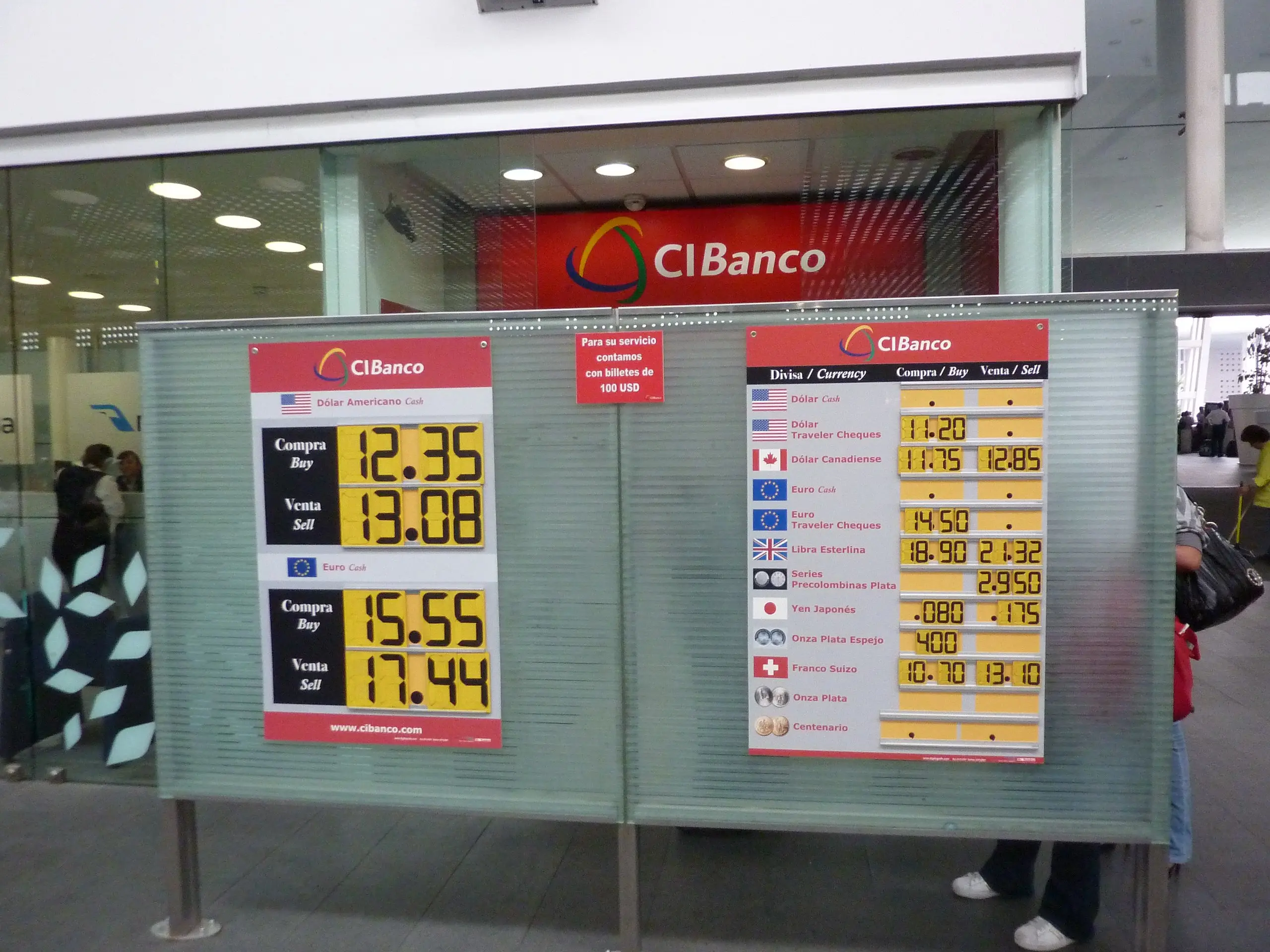
In mid-2025, the US Treasury sanctioned three Mexico-based financial entities CIBanco, Intercam Banco, and Vector Casa de Bolsa for facilitating cartel money transfers, including payments from Chinese brokers of fentanyl precursors. Vector was linked to at least $40 million in drug money, including alleged bribe payments to top officials.

Chinese Underground Networks and US Banks
While not a single bank, the US Treasury recently flagged how Chinese-linked money laundering networks have moved approximately $312 billion through American banks between 2020 and 2024. These networks, often funded by cartel proceeds, exploit regulatory blind spots and rely on money mules posing as everyday civilians. Their activity illustrates how non-cartel actors can directly compromise legitimate financial institutions.
)

)
)
)