From Greenland Sharks to Glass Sponges, 5 animals that live for more than 100 years

From Greenland Sharks to Glass Sponges, here's a look at the top five animals that live for more than 100 years.

Glass Sponges - 10,000 to 15,000 years
Glass sponges (Hexactinellida) are deep-sea animals with skeletons made of silica, giving them a glass-like look. Their skeletons help to protect them from predators. These deep ocean animals can live up to more than 10,000 years and a maximum of 15,000 years.
A glass sponge in Antarctica’s Ross Sea was found by the scientists and it is believed to be the oldest living animal on Earth. Scientists have also found a glass sponge skeleton in the East China Sea (estimated to be 11,000 years old).
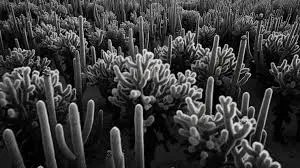
Black Coral - up to 5,000 years
Black coral (Antipatharia) grows in deep cold waters and has a dark tree-like skeleton. Surprisingly, two of the oldest corals were found in Hawaii. Black corals can live around 4,270 years. These corals also provide shelter for many sea creatures.
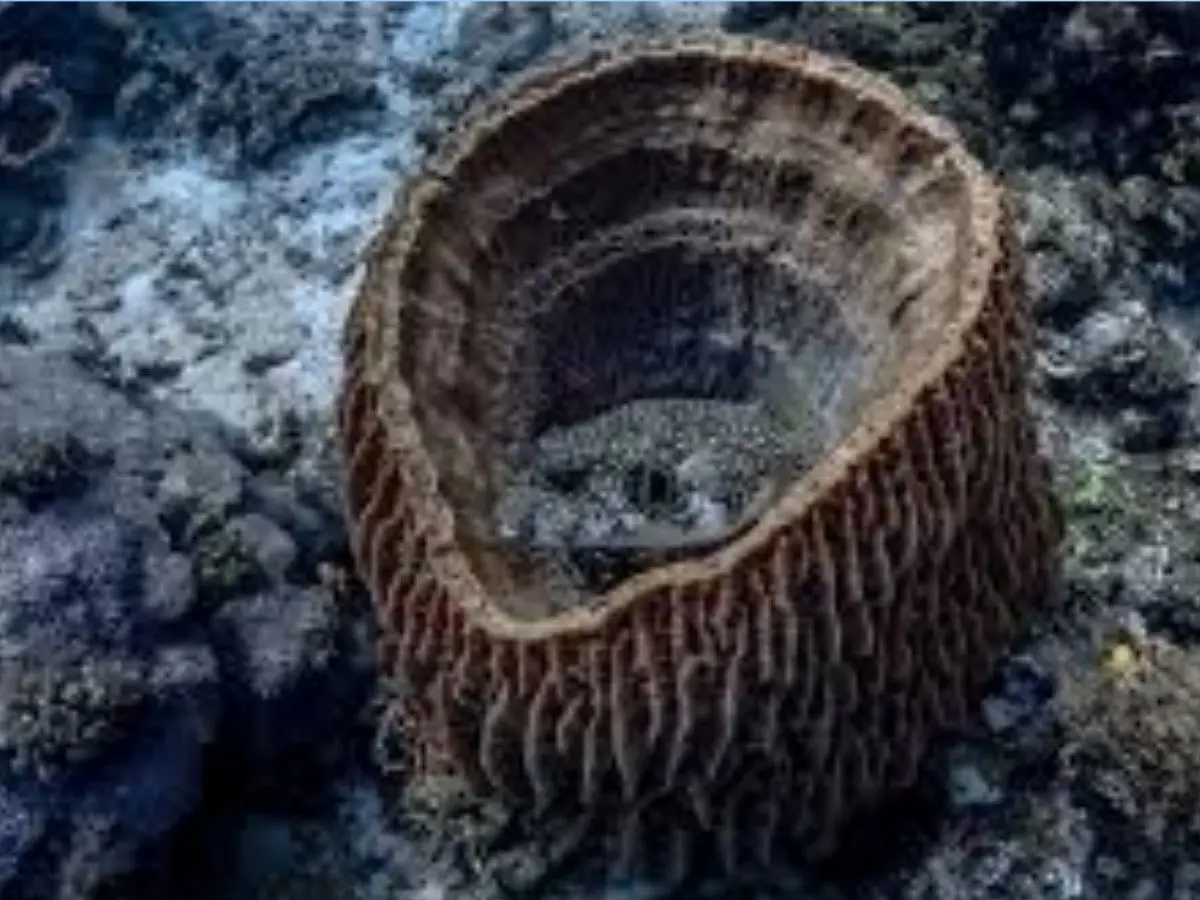
Giant Barrel Sponges - up to 2,300 years
Giant barrel sponges (Xestospongia muta) usually lives in the Caribbean and nearby tropical oceans. They can grow more than 6 feet (1.8 meters) tall and live for thousands of years.
Scientist have found one sponge near Key Largo in Florida and it is estimated to be lived for over 2,300 years. These sponges are important for reef health because they filter huge amounts of water, removes bacteria and offer shelter for many aquatic animals.
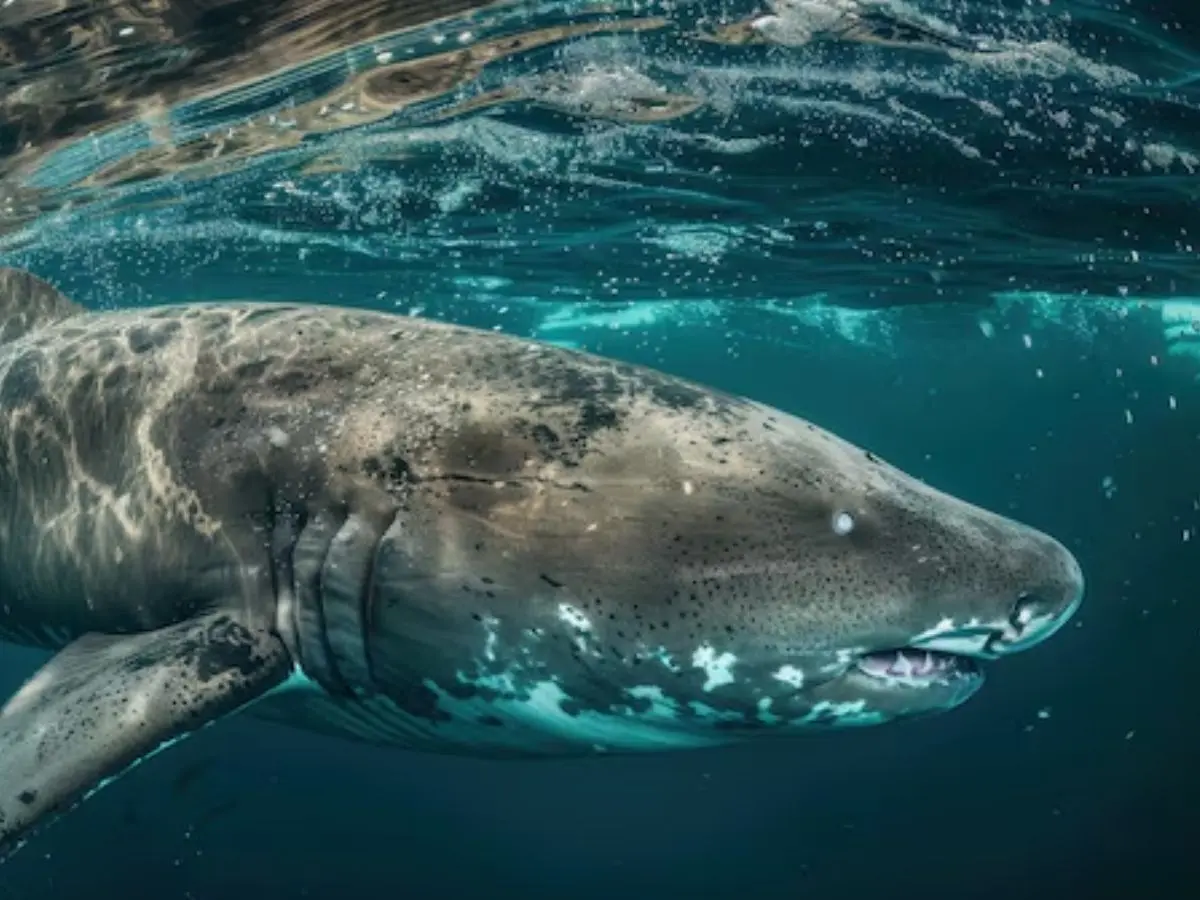
Greenland Sharks - up to 500 years
Greenland sharks are the longest-living vertebrates (animals with a vertebral column and a cranium) in the world. They usually lives in the cold waters of the North Atlantic and Arctic Oceans.
These sharks can grow up to 6.4 meters (21 feet) long and weigh over 1,000 kg (2,200 lbs). Their extremely slow metabolism due to icy waters likely helps them live for centuries.
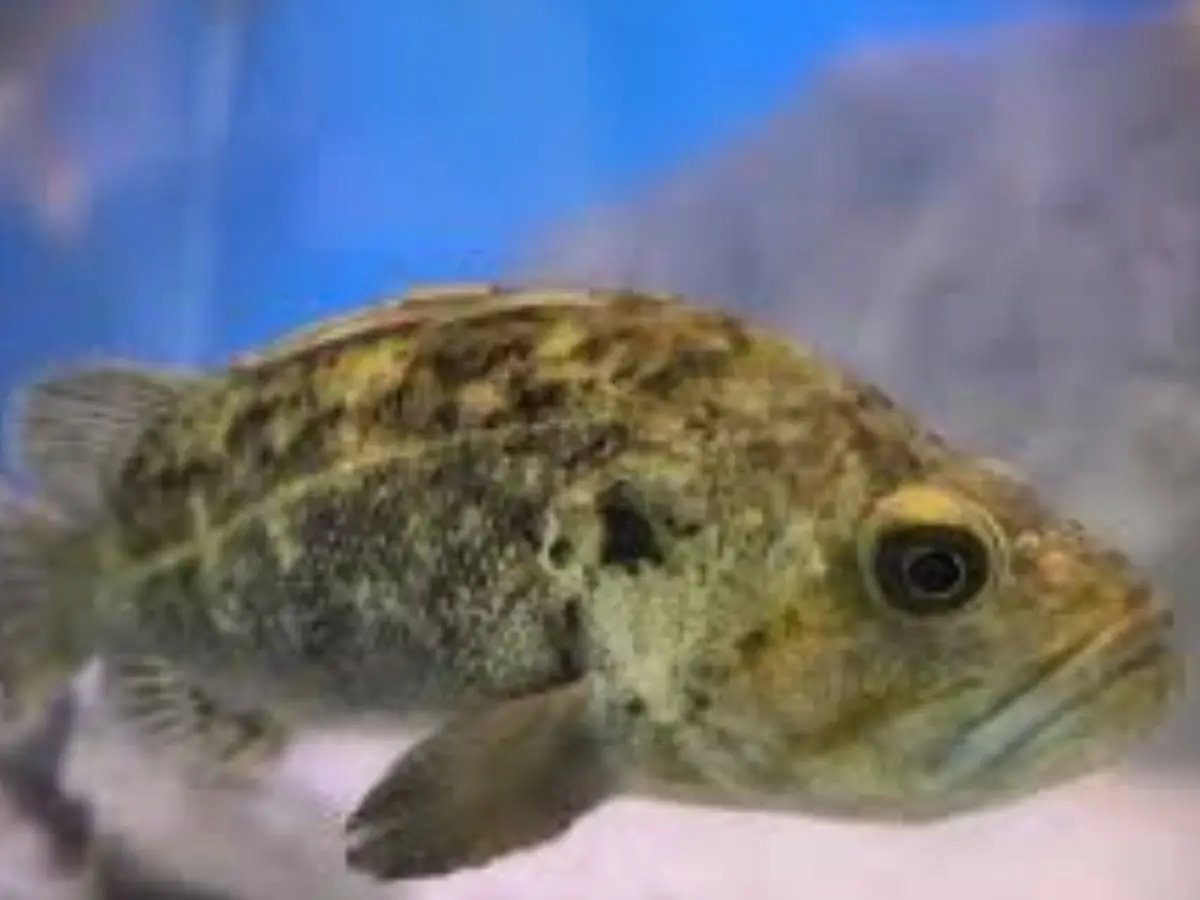
Rougheye Rockfish - up to 200 years
Rougheye rockfish lives in the North Pacific oceans (from Japan to California) in deep cold waters between 500 and 2,000 feet. They can grow about 3 feet long and have reddish-pink bodies with dark spots. They love to eat shrimp, crabs and small fishes.
The oldest recorded rougheye rockfish lived for 205 years. Scientists measure their age by counting growth rings in their ear bones, much like tree rings.
)
)
)
)
)