5 AI humanoid robots in Japan that too realistic that people are terrified

Japan’s AI humanoid robots are now so realistic they make some people uneasy. From the Actroid to Erica, meet 5 robots whose human-like looks and movements blur the line between human and machine. Read more below.
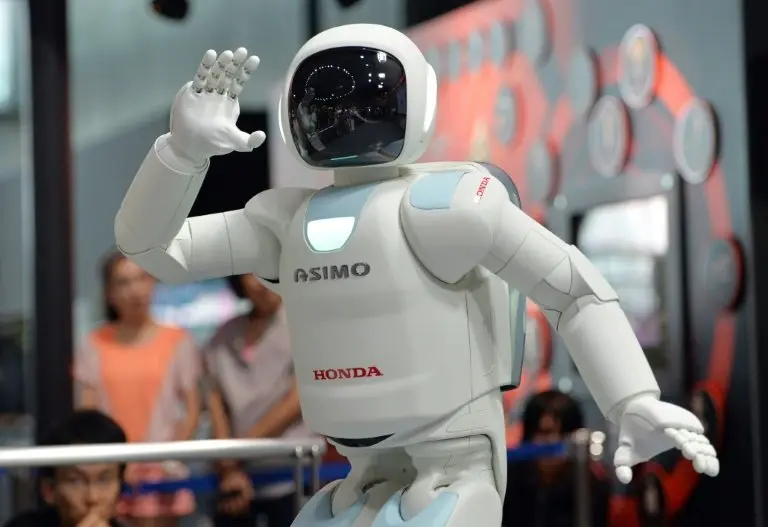
Why Are People Scared Of These Robots?
Japan leads the world in building humanoid robots. But some new robots, so close to human yet not quite have left people uneasy. This feeling is known as the “uncanny valley,” as reported in science journals and by Osaka University researchers.
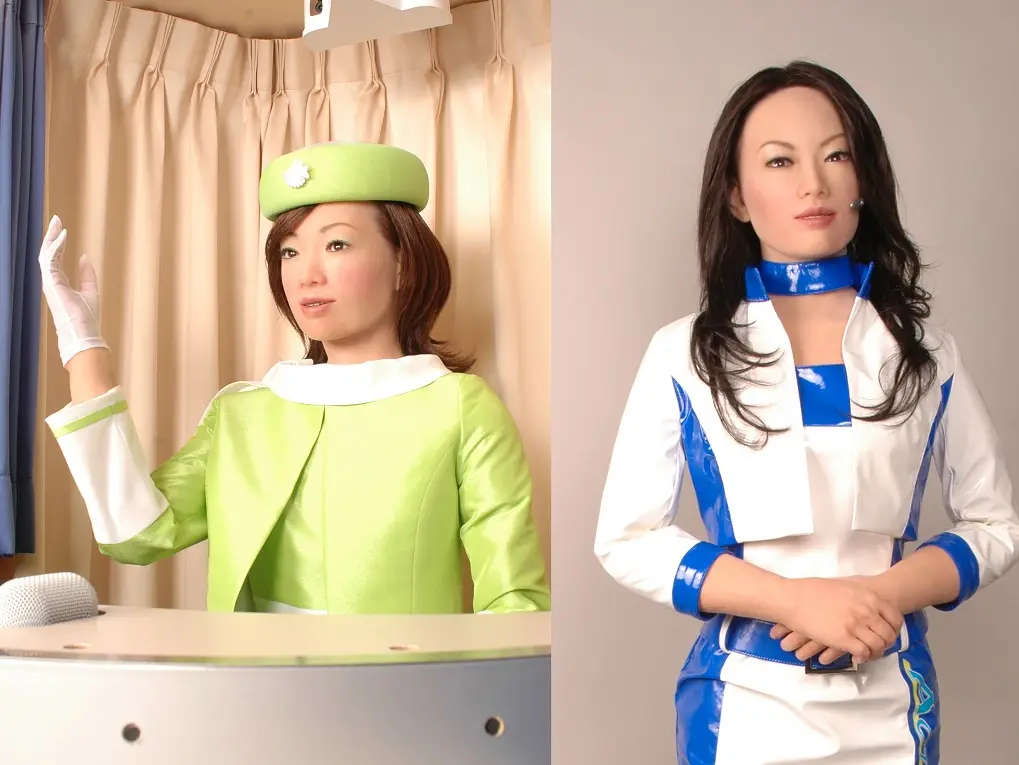
Actroid The Human Replica
Actroid robots are made by Kokoro and Osaka University. Their silicone skin, eye contact, and gentle head turns mimic a real person shockingly well. These robots use AI to move their lips in sync with speech, and have been used as receptionists in Japan.
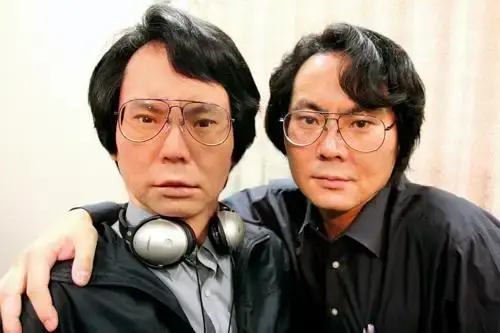
Geminoid - The Double
Geminoids are near-exact copies of real people. Robotics expert Hiroshi Ishiguro famously built Geminoid HI, a robotic version of himself. The robot’s detailed facial movements and blinking make visitors forget which is which.
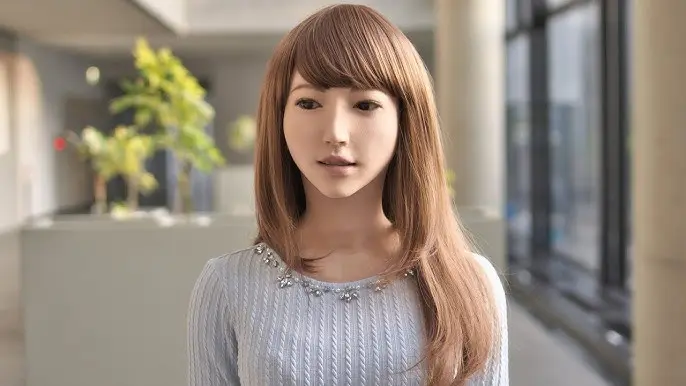
Erica - The Talking Robot
Erica, designed by teams at Osaka and Kyoto Universities, talks and even shows emotions. Guests say Erica’s facial features and movement almost trick them into thinking she is human. She has appeared in films and worked as a news anchor in Japan.
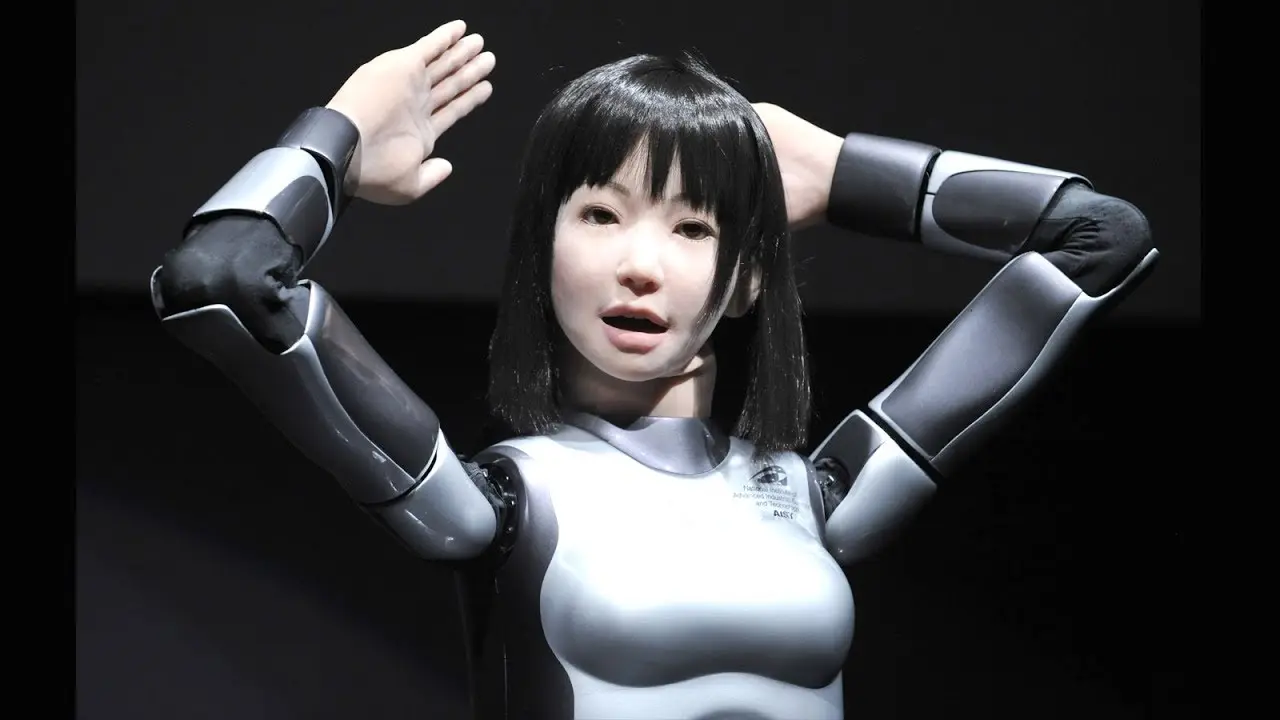
HRP-4C - The Cybernetic Human
The HRP-4C, or Cybernetic Human, was built by the Humanoid Robotics Project. It performs in fashion shows, moves its mouth in real-time singing, and can mimic a range of human mannerisms even winking and raising eyebrows.
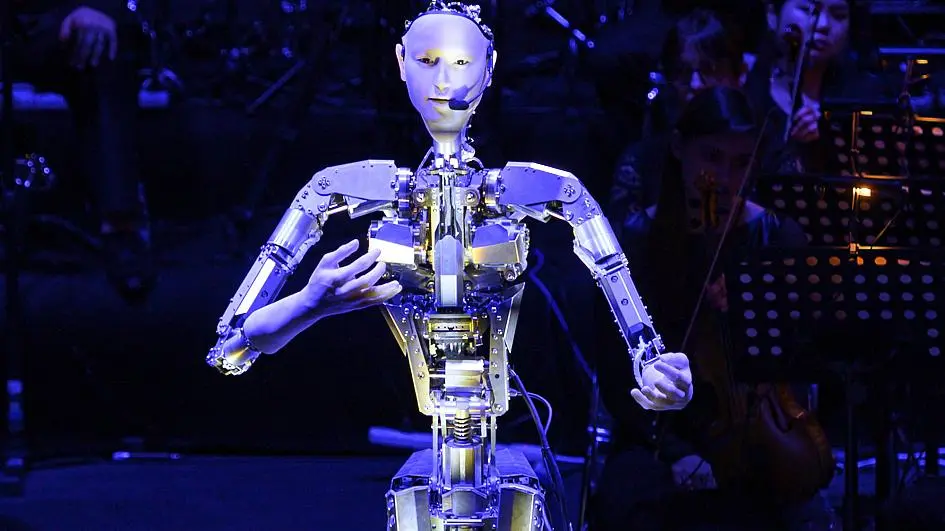
Alter - The Art Robot
Alter, created by Osaka and Tokyo University teams, can gesture and talk using neural AI. With cameras for eyes and a robotic voice, Alter’s movements are unpredictable and sometimes unsettling. It has even starred in live music performances in Japan.
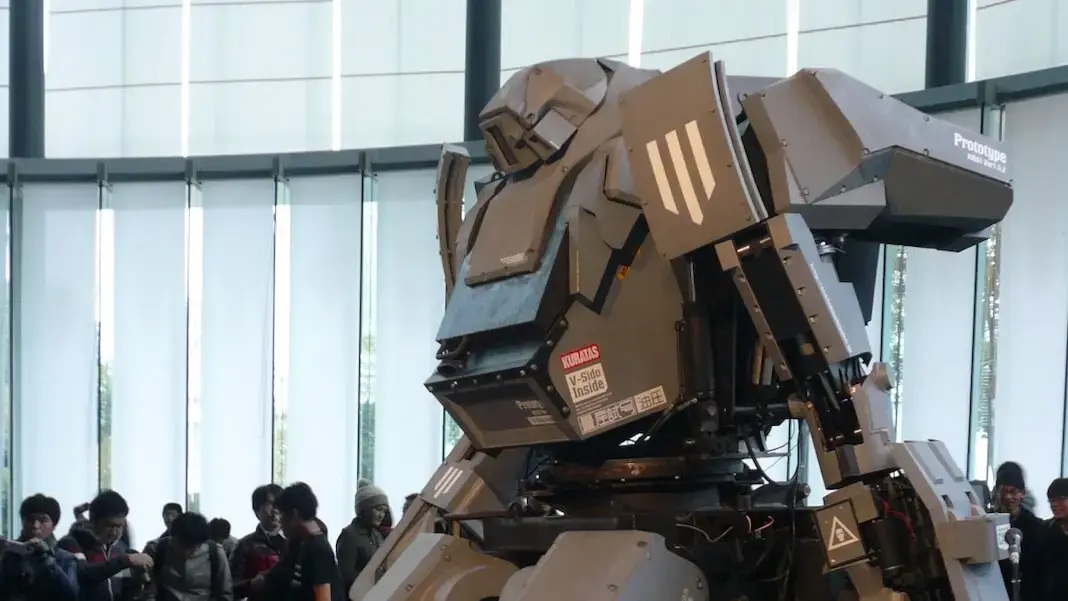
The Future - Too Real To Ignore?
Experts predict these ultra-realistic robots will soon help in care homes and shops. But as they become more human-like, the debate grows: do we welcome these robots, or does the uncanny valley prove we want a gap between man and machine?
)
)
)
)
)