'47 hours in a flying war machine': What B-52 crew members eat, sleep and do when nature calls

The B-52 Stratofortress can stay in the air for up to 47 hours without landing. Its crew of five cannot step outside. Here is what life inside the bomber actually looks like during the world's longest combat missions.
Five People, No Exit
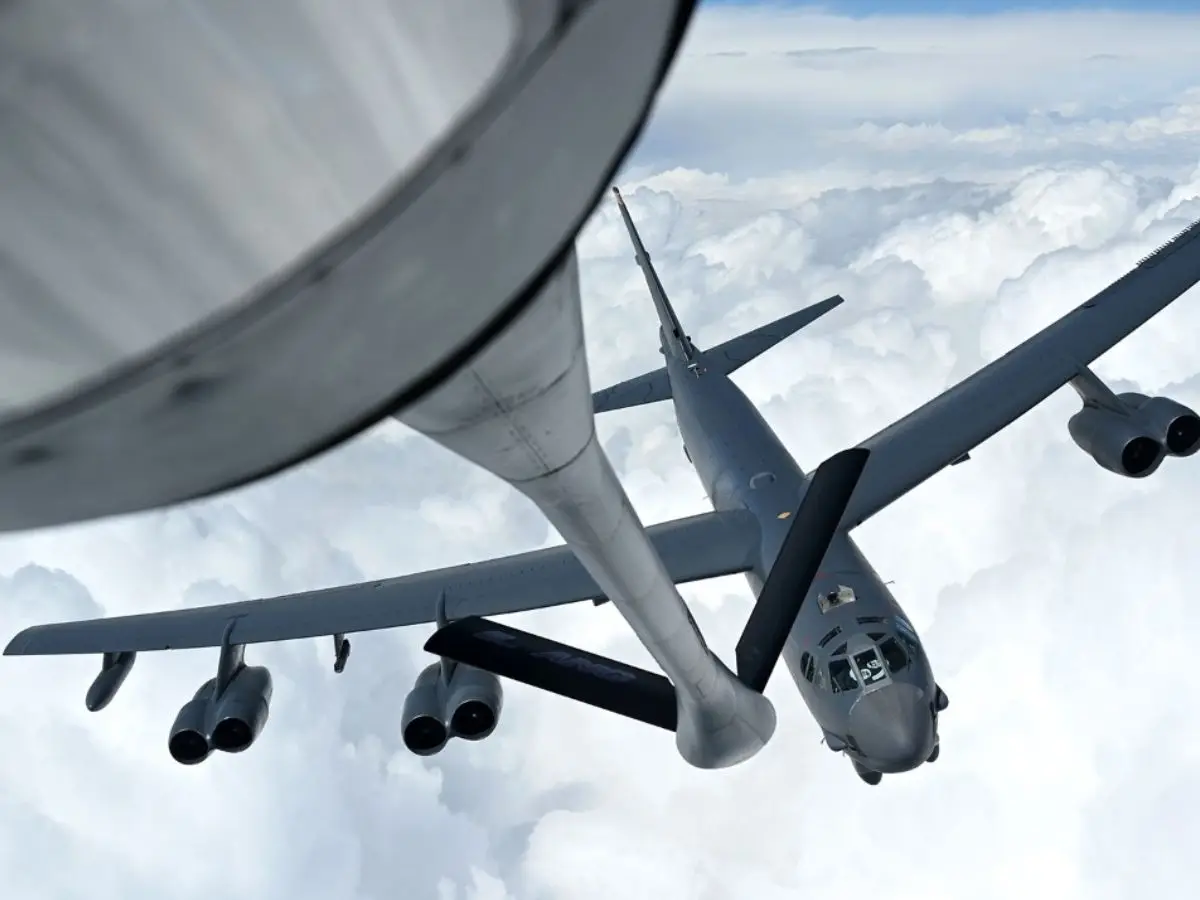
A B-52 crew consists of five members: two pilots, a radar navigator, a navigator, and an electronic warfare officer. For up to 47 hours, these five people share a pressurised tube roughly the size of a small van, travelling at 500 miles per hour at 50,000 feet.
What They Eat At 50,000 Feet
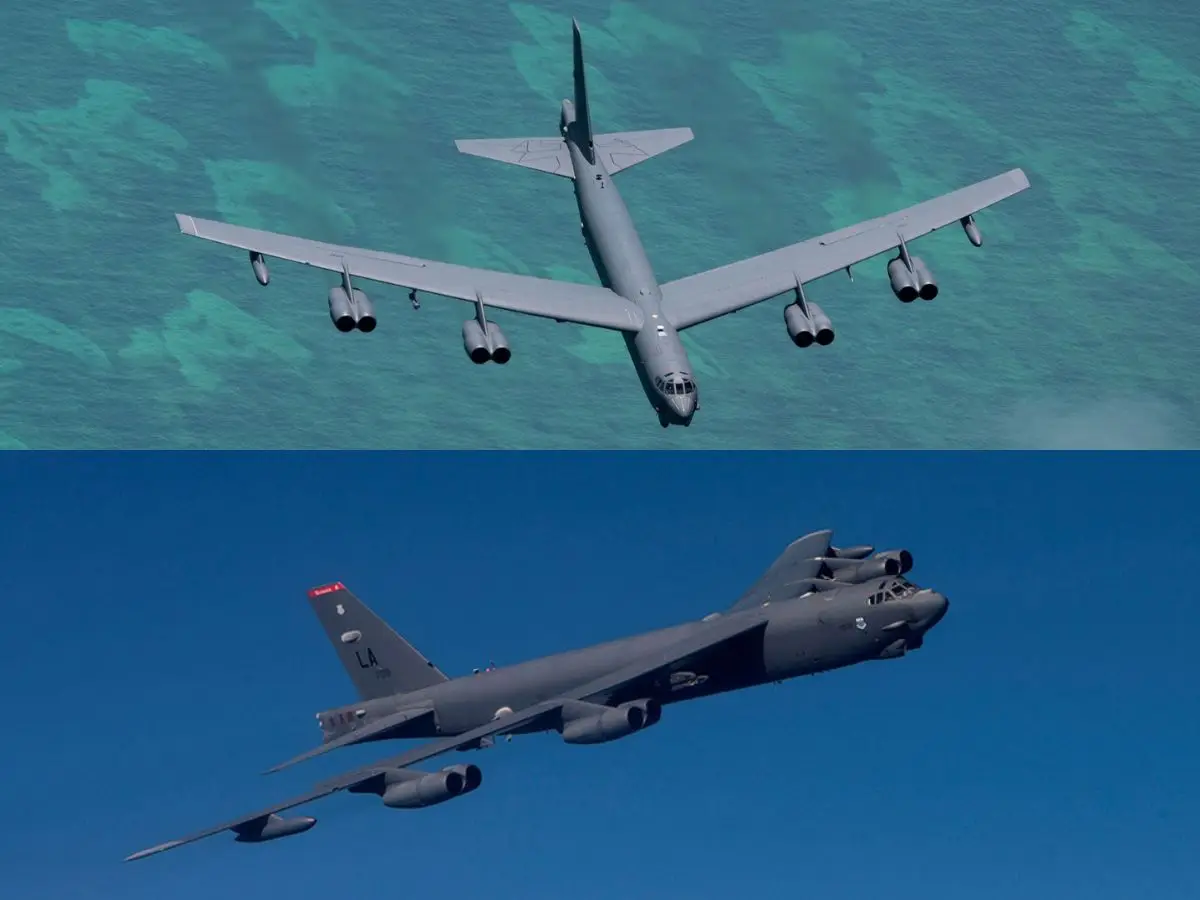
Meals on ultra-long missions are military MREs — Meals Ready to Eat — pre-packaged food that requires no refrigeration or cooking. Think vacuum-sealed pasta, energy bars, and instant coffee. There is no galley, no microwave, and no meal service. You eat when you can, where you sit.
Sleeping In Shifts At 500mph
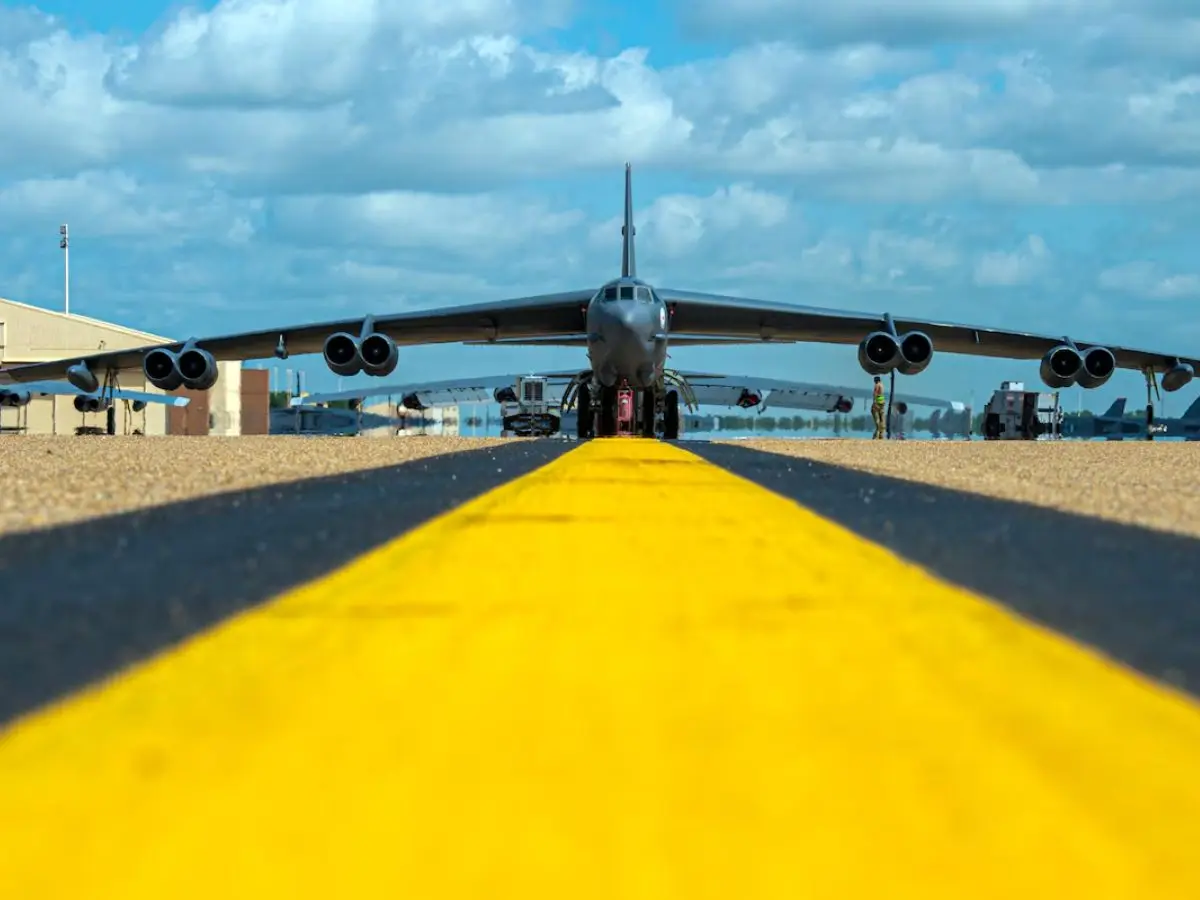
On missions exceeding 24 hours, crew members sleep in rotation — one rests while others maintain the aircraft. There are small crew rest areas with thin pads installed in the fuselage. Sleeping in full flight gear, helmet nearby, with engine noise constant, is the standard experience.
The Bathroom Problem Nobody Talks About
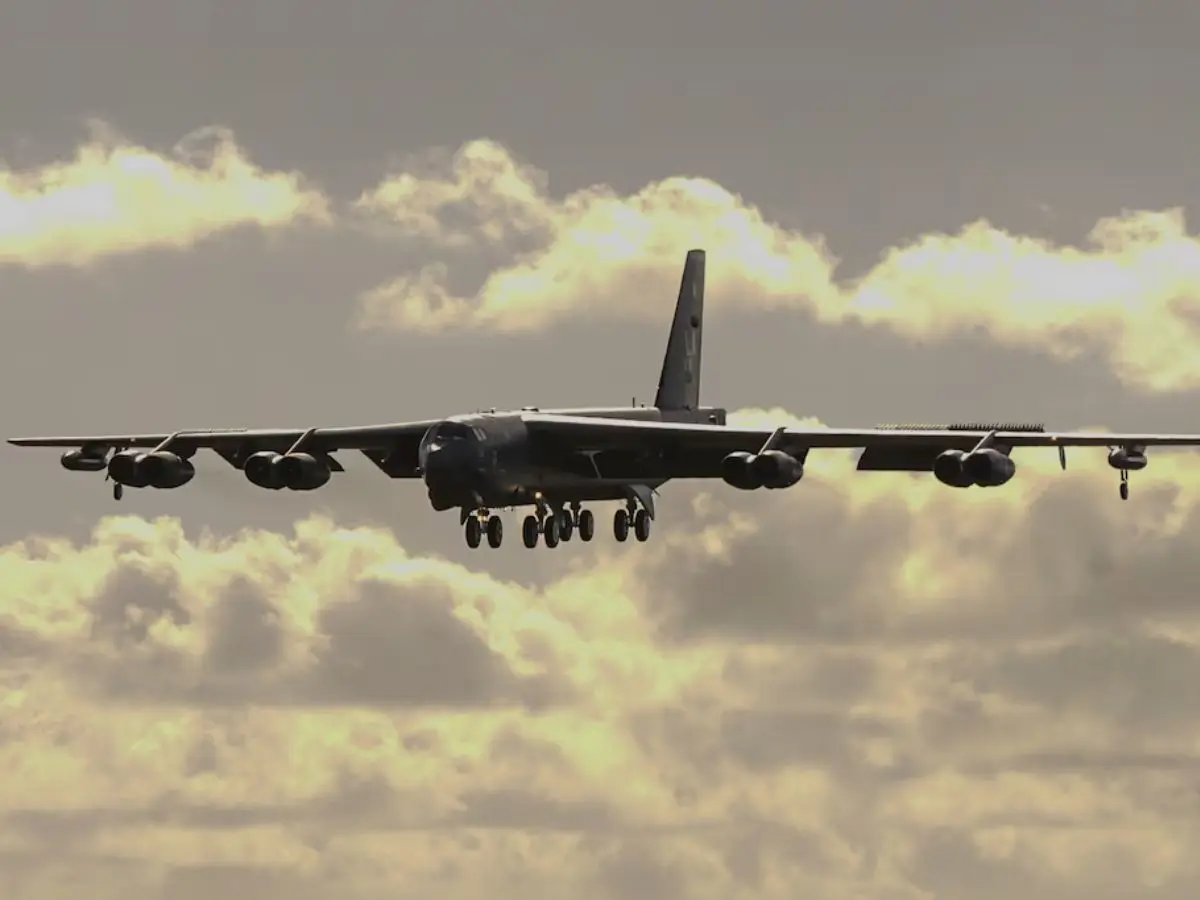
The B-52 has a basic relief tube and chemical waste containers. There is no enclosed bathroom. Privacy is limited. On a 47-hour mission, managing basic human biology in a cramped, professional military environment becomes a logistical exercise that no pilot manual fully prepares you for.
Staying Alert For Two Days Straight
Fatigue management on ultra-long missions is a serious operational concern. Crews use rotation, caffeine, regulated rest periods, and mission planning that assigns critical tasks during peak alertness windows. Mistakes made at hour 40 of a bomber mission have consequences that mistakes in an office do not.
The Record Mission — 47 Hours Non-Stop
During Operation Iraqi Freedom in 2003, B-52s flew missions from Barksdale Air Force Base in Louisiana to Iraq and back — journeys lasting over 35 hours. The longest recorded B-52 flight was approximately 47 hours, involving multiple aerial refuellings and a crew rotation that ran like a military shift schedule.
Why It Takes A Special Kind Of Crew
B-52 crew selection and training emphasises not just flying skill but psychological resilience, teamwork in confined spaces, and the ability to make critical decisions after extreme fatigue. It is one of the most demanding crew environments in aviation — and one of the least discussed outside military circles.
)
)
)
)
)