'45,000 rescued, one baby born': How USS Abraham Lincoln's true capabilities were revealed during a volcanic disaster

In June 1991, USS Abraham Lincoln (CVN-72) was steaming toward the Persian Gulf when Mount Pinatubo erupted in the Philippines — one of the most powerful volcanic explosions of the 20th century.
Mount Pinatubo Erupts: A Carrier Diverted Mid-Voyage
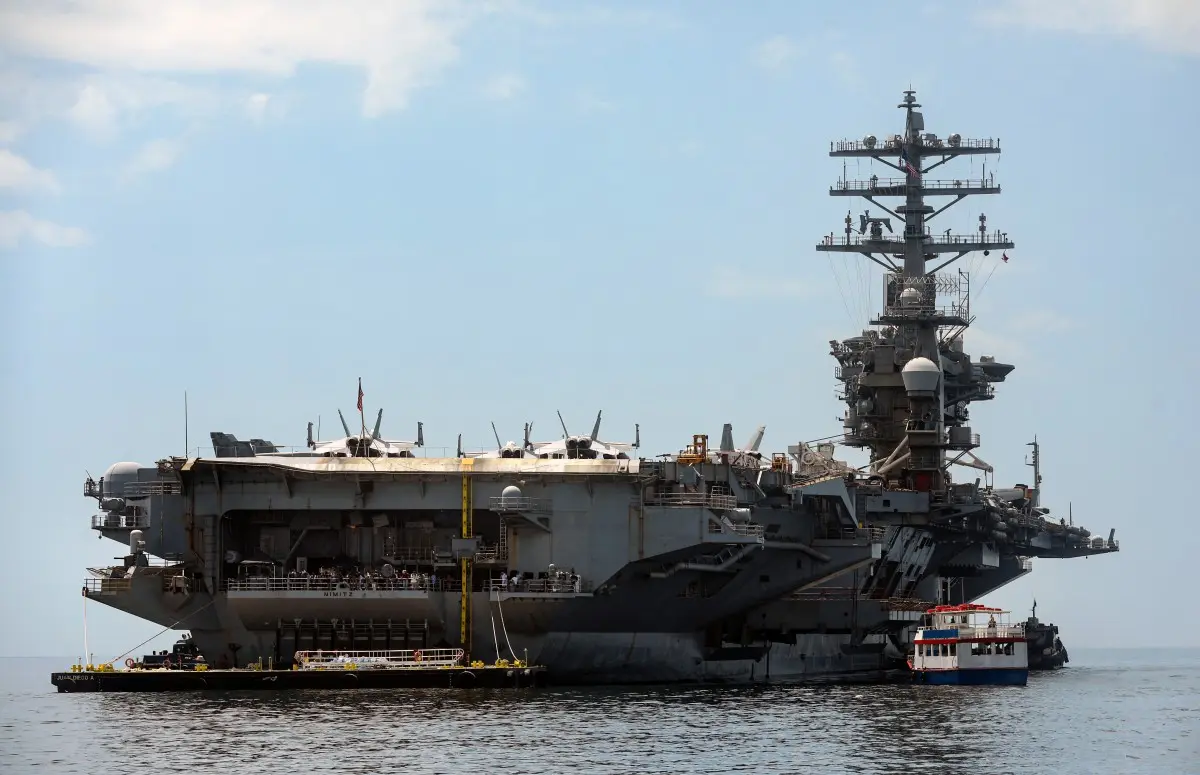
On June 9, 1991, Mount Pinatubo in the Philippines began its catastrophic eruption, the second-largest volcanic event of the entire 20th century, ejecting 10 cubic kilometres of material and sending ash columns 35 kilometres into the stratosphere. USS Abraham Lincoln, commissioned just two years earlier in 1989 at a cost of $2.24 billion, was already at sea heading for the Persian Gulf on a scheduled deployment. The U.S. Navy immediately recognised that Subic Bay Naval Station, one of America's largest overseas military bases, was in the eruption's direct path and ordered Abraham Lincoln to divert. No conventional carrier could have made the same call without calculating fuel reserves. Abraham Lincoln simply turned around.
Operation Fiery Vigil: The Largest Peacetime Military Evacuation In U.S. History
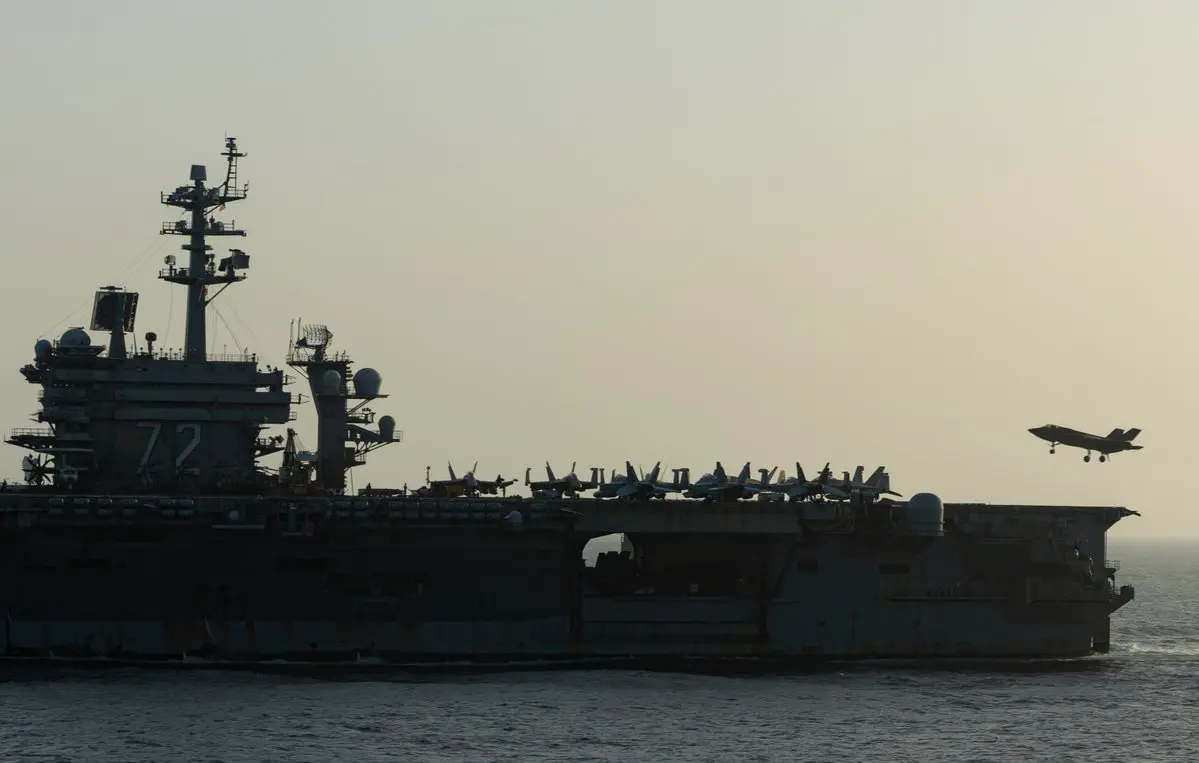
What followed the Navy's diversion order became Operation Fiery Vigil, a 23-ship armada led by USS Abraham Lincoln tasked with extracting American military personnel and their families from the ash-engulfed Subic Bay region. Over the course of the operation, more than 45,000 American military personnel and dependents were evacuated to the port of Cebu in the Visayas islands. It remains the single largest peacetime evacuation of active U.S. military personnel and their families in American history, larger than any Cold War evacuation exercise and accomplished not by a dedicated evacuation fleet but by a combat carrier battle group rerouted on the fly.
The Nuclear Advantage: Why Abraham Lincoln Could Just 'Go'
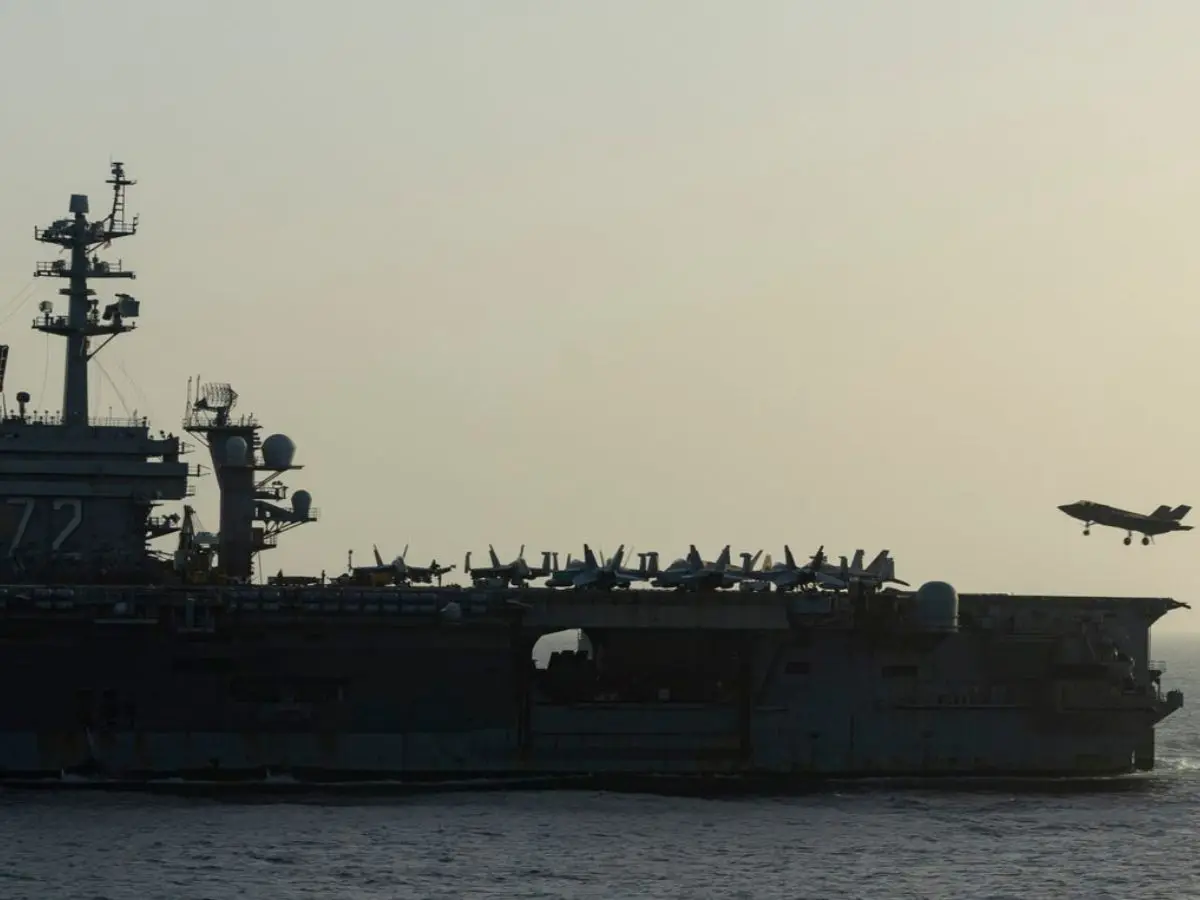
The critical factor that made Abraham Lincoln's sudden diversion possible and made her the right ship to lead the armada was nuclear propulsion. Her two Westinghouse A4W nuclear reactors produce 260,000 shaft horsepower and give the carrier a theoretical range of unlimited nautical miles. A conventionally-fueled carrier of comparable size must calculate fuel remaining at all times and plan port calls around replenishment schedules. Abraham Lincoln had no such constraint. When Pinatubo erupted, the Navy did not need to ask ‘does she have enough fuel to divert?’ The answer was always yes. She was redirected, and she went turning a combat deployment into a humanitarian mission without missing a beat.
A Baby Born In The Eye Of The Storm — Named After The Ship
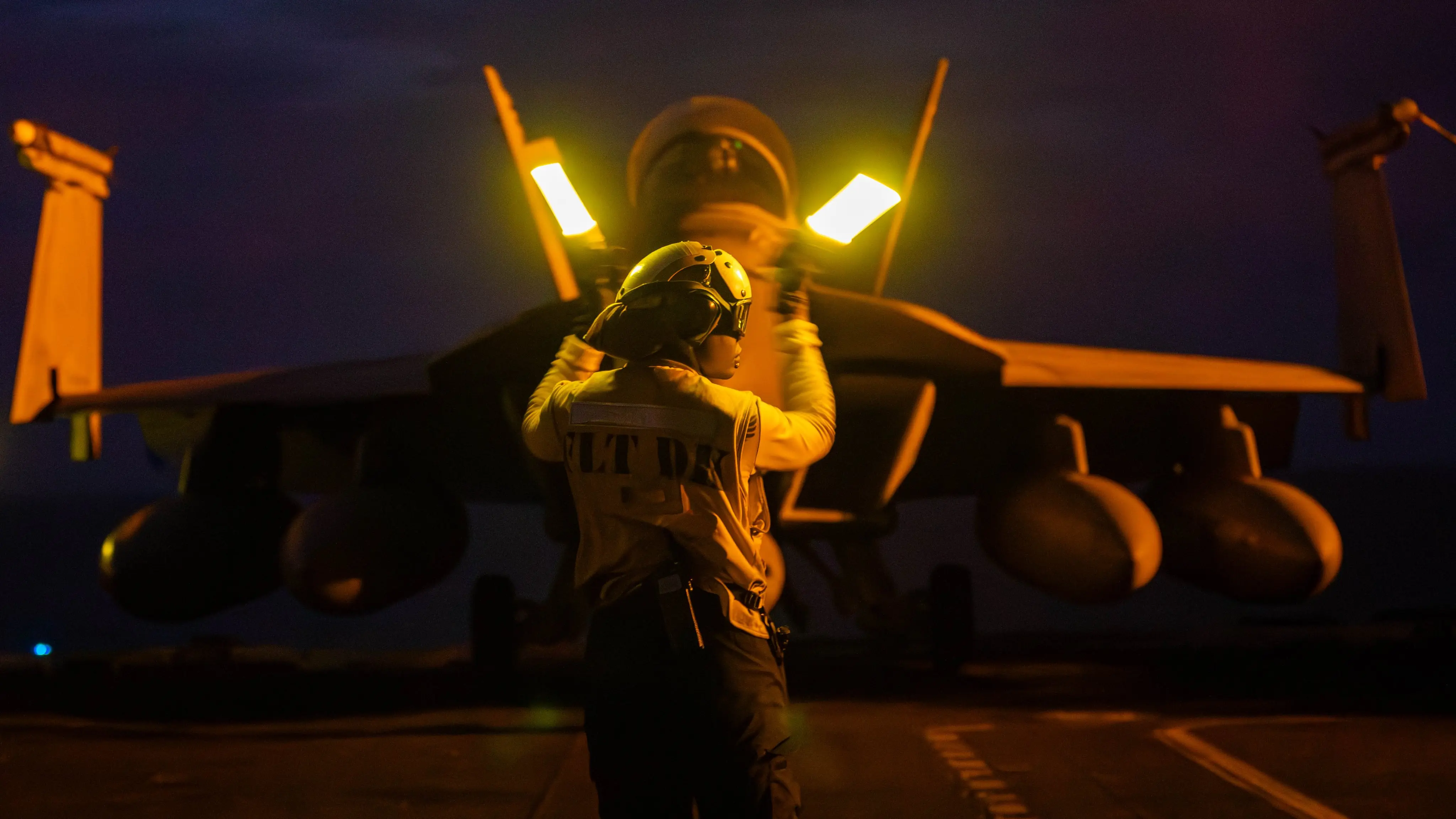
In the chaos of Pinatubo's eruption and the scramble to board 45,000 evacuees, an extraordinary personal drama unfolded aboard USS Abraham Lincoln. A dependent family member went into labour during the evacuation, and the ship's medical staff delivered a healthy baby boy in the carrier's sick bay as ash rained across the Philippine archipelago. The parents, overwhelmed with gratitude for the crew that had saved their family and helped bring their son into the world, chose to honour the ship: they named their newborn son Abraham Lincoln Prestera. The carrier's namesake, the 16th President of the United States, had acquired a living namesake of his own.
Subic Bay's Last Days: A Carrier Witnessed History's End
Pinatubo's eruption accelerated the closure of Subic Bay Naval Station, one of the most strategically important American overseas bases of the Cold War era. The ash damage to infrastructure was so severe that the Philippine Senate, already debating the base's future, voted in September 1991 to end the U.S. lease. Subic Bay was formally closed in 1992. USS Abraham Lincoln, by participating in Operation Fiery Vigil, thus became a witness to a pivotal geopolitical moment: the involuntary end of America's largest Western Pacific forward base and the beginning of a fundamentally different U.S. military posture in Southeast Asia. The carrier that helped evacuate the base was present at the end of an era.
The Ship's Vital Statistics: A Nuclear City At Sea
USS Abraham Lincoln (CVN-72) is, in every measurable sense, a city at sea. She stretches 1,092 feet longer than the Eiffel Tower is tall and displaces 104,300 long tons when fully loaded. Her crew totals approximately 5,680 personnel when her air wing of 2,480 is embarked alongside 3,200 ship's company. Her flight deck covers 4.5 acres and supports a full carrier air wing of approximately 80 aircraft. The ship was commissioned on November 11, 1989, cost $2.24 billion to build (approximately $6.82 billion in 2024 dollars), and underwent a single lifetime Refuelling and Complex Overhaul from 2013 to 2017 at a cost of roughly $3 billion, a four-year, 2.5-million-man-hour operation.

From Pinatubo To Iraq To Iran: A Carrier That Has Seen Everything
USS Abraham Lincoln's career arc from Operation Fiery Vigil in 1991 to her record-breaking 295-day deployment in 2019–2020 traces three decades of American power projection. She served in Operation Southern Watch enforcing Iraqi no-fly zones throughout the 1990s, launched strikes during Operation Iraqi Freedom in 2003, hosted President Bush's ‘Mission Accomplished’ declaration, deterred Iranian aggression in the Strait of Hormuz in 2019, and returned to the Pacific theatre for exercises with allied navies. From saving 45,000 civilians from a volcano to fighting two Gulf Wars, Abraham Lincoln stands as arguably the single most operationally eventful aircraft carrier in the history of the United States Navy.
)
)
)
)
)