40 years of Chernobyl disaster: What really happened that night? — See details in PICS

In 1986, a botched test at the Chernobyl plant triggered the worst nuclear disaster, killing 31 people and exposing millions to radiation. Around 5,000 later died from related illnesses. The plant was shut down in 2000 after massive cleanup efforts.
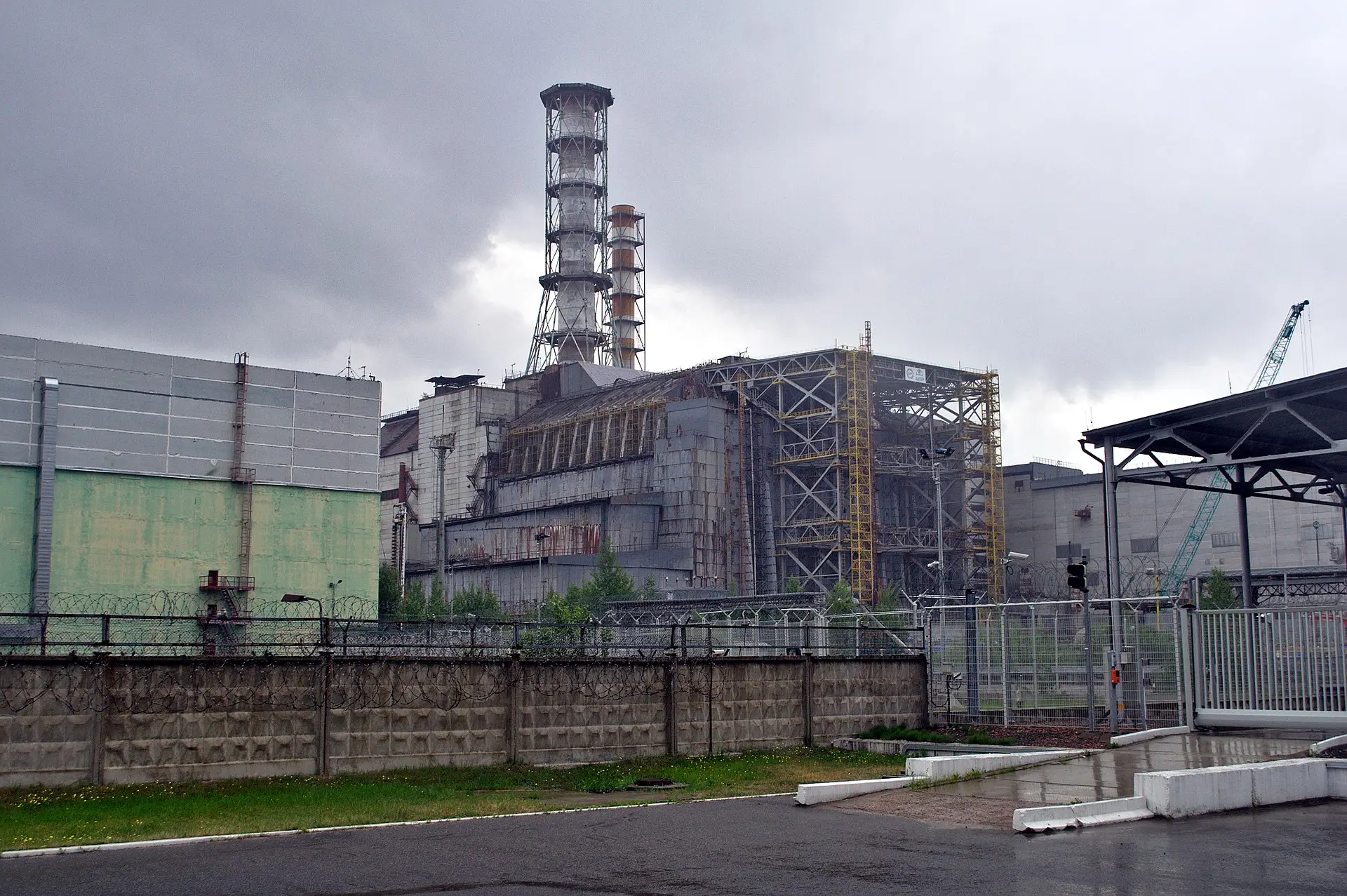
Chernobyl Nuclear Power Plant disaster
Ukraine is marking 40 years since the explosion at the Chornobyl Nuclear Power Plant, the world’s worst civilian nuclear disaster in history, which claimed the lives of at least 31 people, including 28 emergency workers from acute radiation syndrome (ARS). In 2005, the UN predicted that a further 4,000 might eventually die as a result of the radiation exposure.
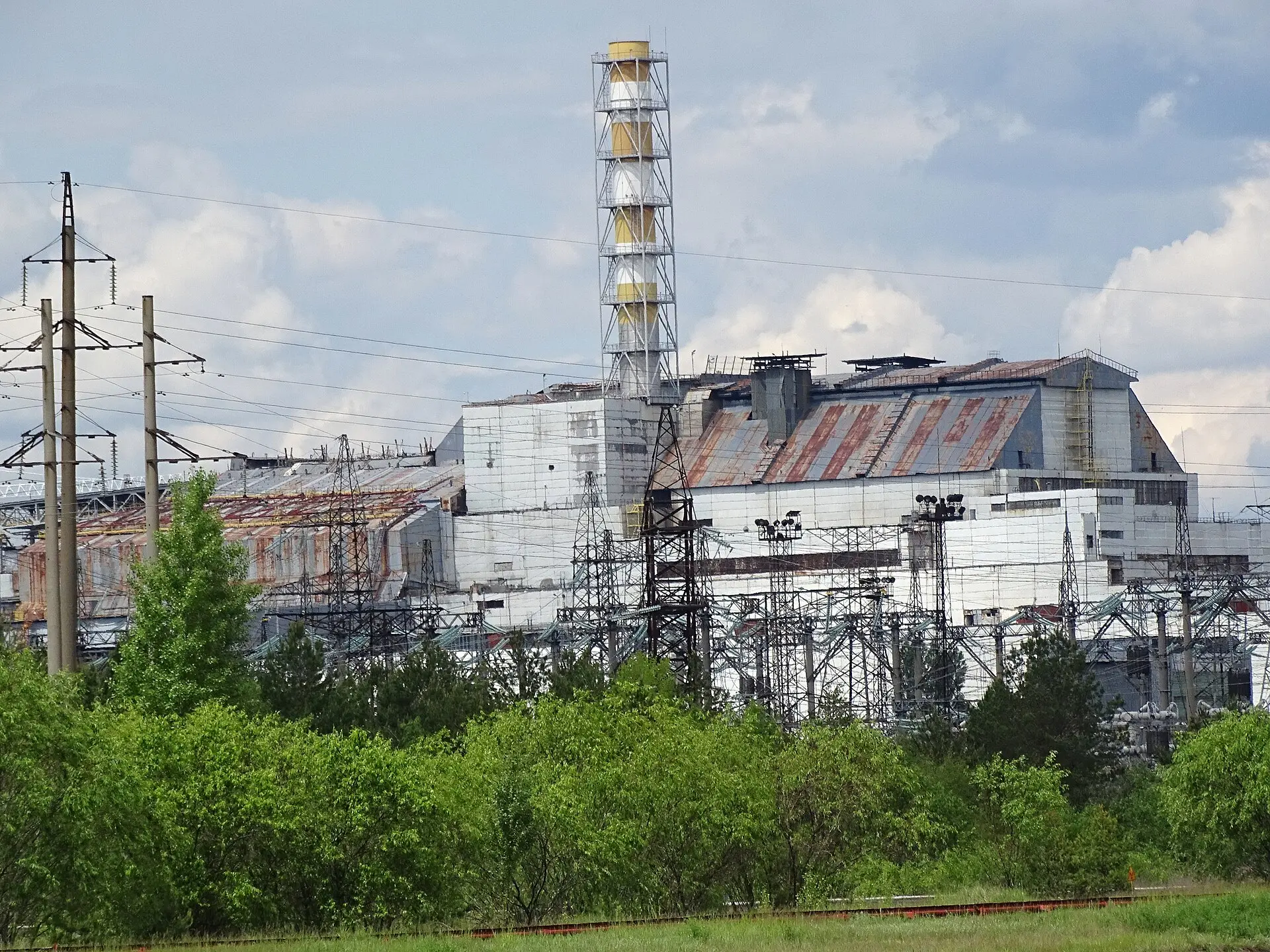
How and when the disaster happened?
Disaster at Chernobyl Nuclear Power Plant in northern Ukraine on the banks of the Pripyat River (then part of the Soviet Union) occurred at 1:23 am on April 26 (22:23 GMT, April 25), 1986, where a botched safety test triggered a catastrophic blast in reactor four, where a steam explosion and subsequent graphite fire blew off the reactor roof. The explosion penetrated through the wall of the building, sending an enormous amount of radioactive smoke into the atmosphere, where nuclear fuel burned for over 10 days. In response, helicopters were used to dump thousands of tonnes of sand, clay and lead in a desperate bid to smother the fire.
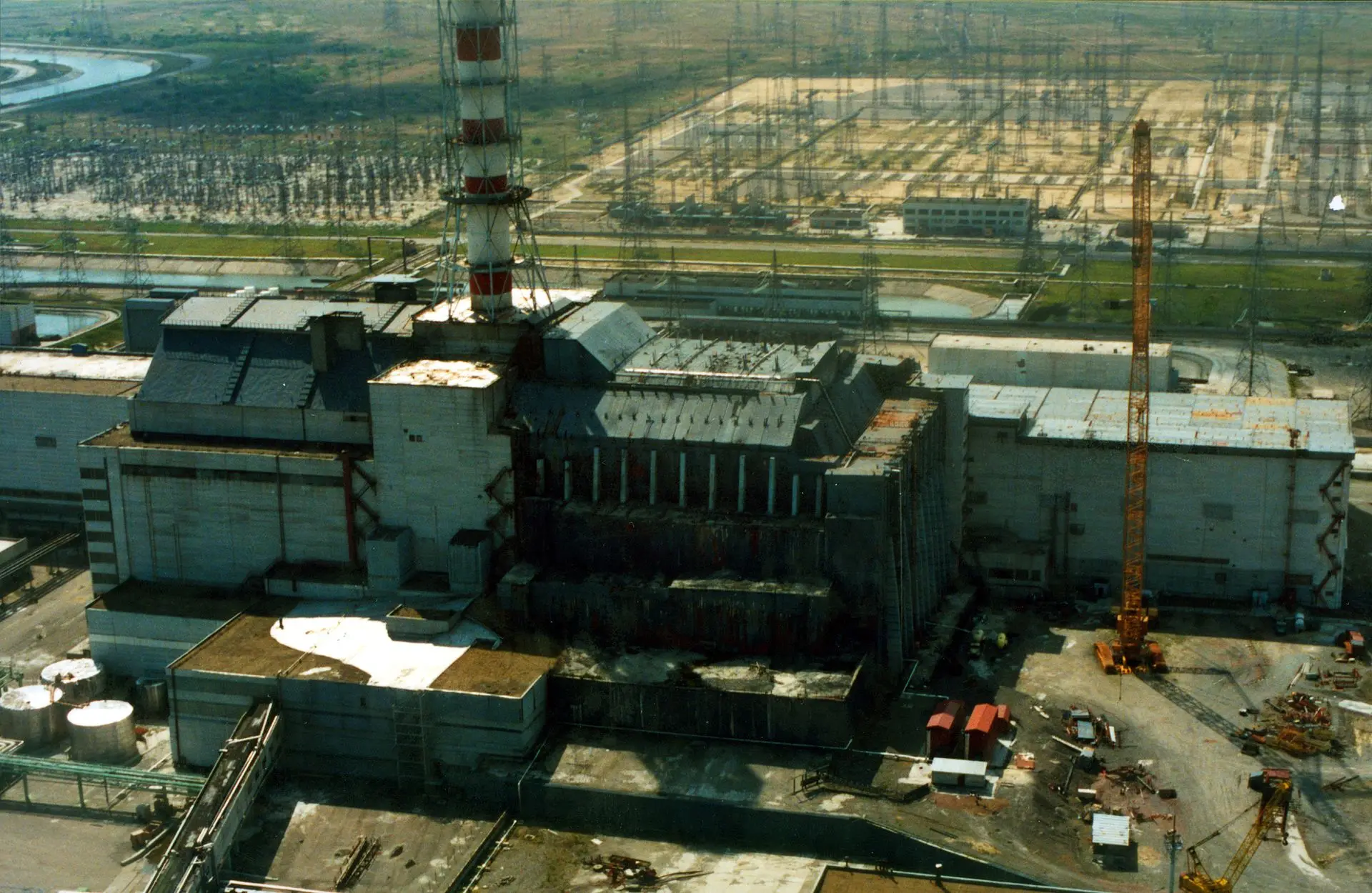
IAEA blames 'severe deficiencies in design'
The International Atomic Energy Agency later attributed the disaster to major design flaws in the reactor and its shutdown system, along with breaches of operational protocols. Radioactive fallout contaminated vast regions of Ukraine, Belarus and Russia, eventually spreading across Europe. In the following four years, around 600,000 “liquidators”, including soldiers, firefighters, engineers, miners and medical staff, were deployed across the Soviet Union to contain and clean up the catastrophe.
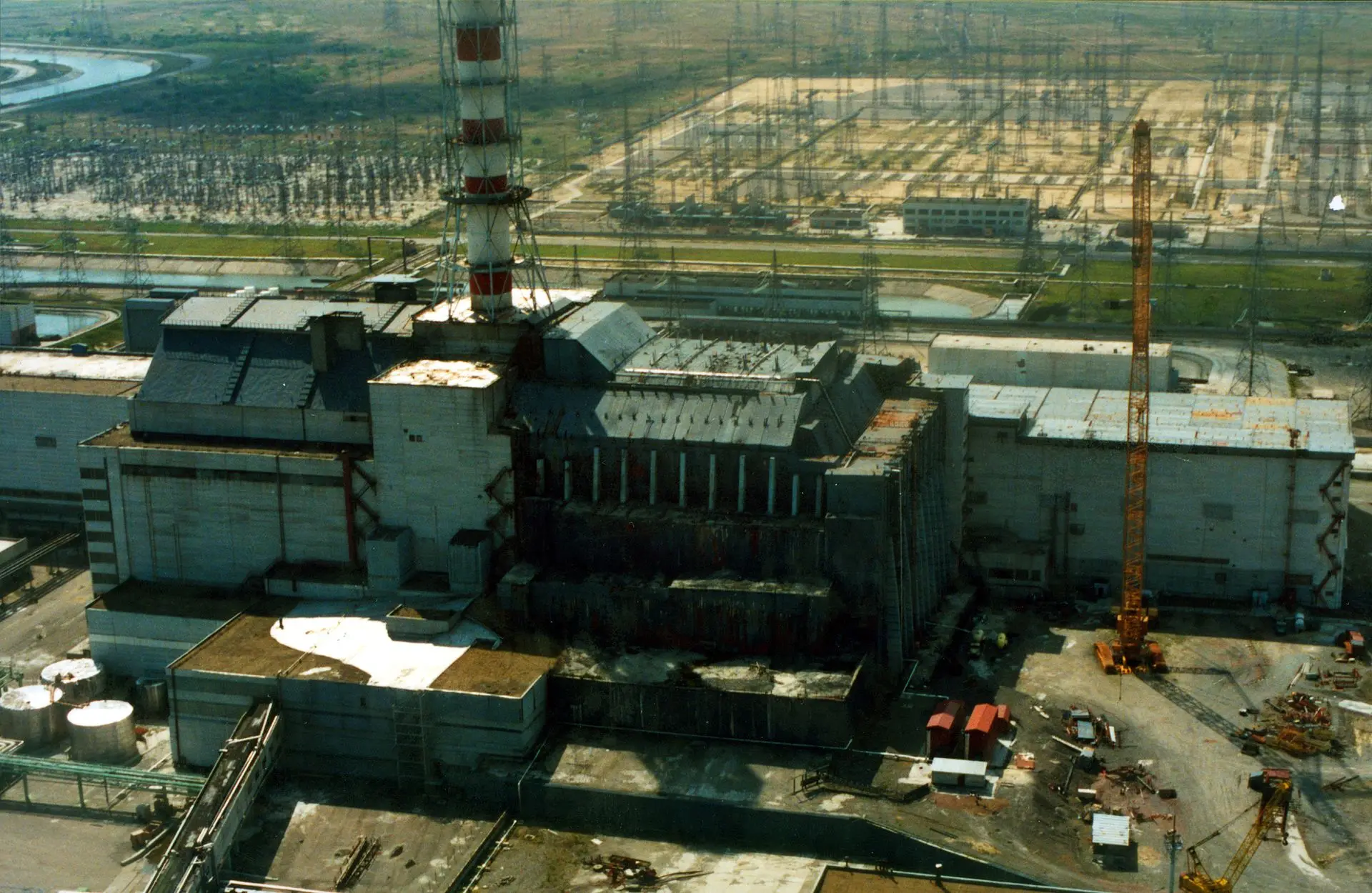
Evacuation drive at Pripyat
On April 27, Soviet officials initiated the evacuation of around 30,000 inhabitants of Pripyat. Authorities initially tried to conceal the incident, but on April 28, radiation monitoring stations in Sweden, over 800 miles from Chernobyl, detected levels about 40 per cent above normal. Later that day, the Soviet news agency confirmed that a serious nuclear accident had taken place at Chornobyl.
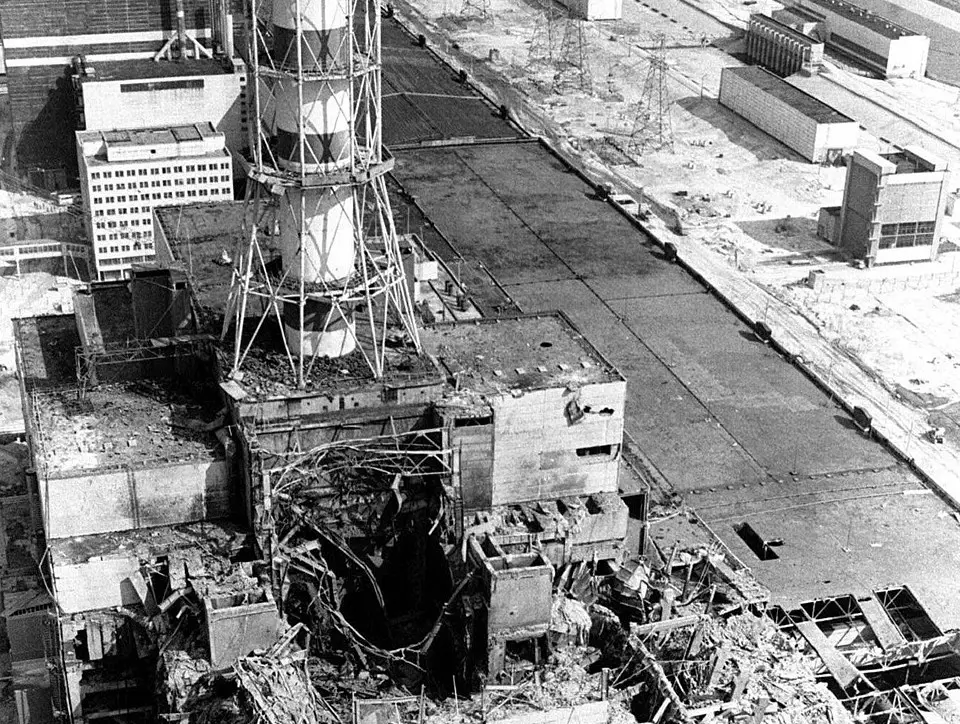
Millions of acres of forest and farmland were contaminated
Following the disaster, the radioactive material released into the atmosphere, far exceeding the levels from the Hiroshima and Nagasaki atomic bombings, was carried by winds across Northern and Eastern Europe, polluting vast areas of forests and farmland. Around 5,000 Soviet citizens later died from cancer and other radiation-related illnesses, while millions more suffered health effects. By 2000, the final operational reactors at Chornobyl were shut down, marking the plant’s official closure.
)
)
)
)
)