‘4 million times the Sun’s mass’: 5 facts about the closest supermassive black hole to Earth

Despite being invisible, black holes betray their presence through their powerful effects on nearby stars and gas.
What is a black hole?
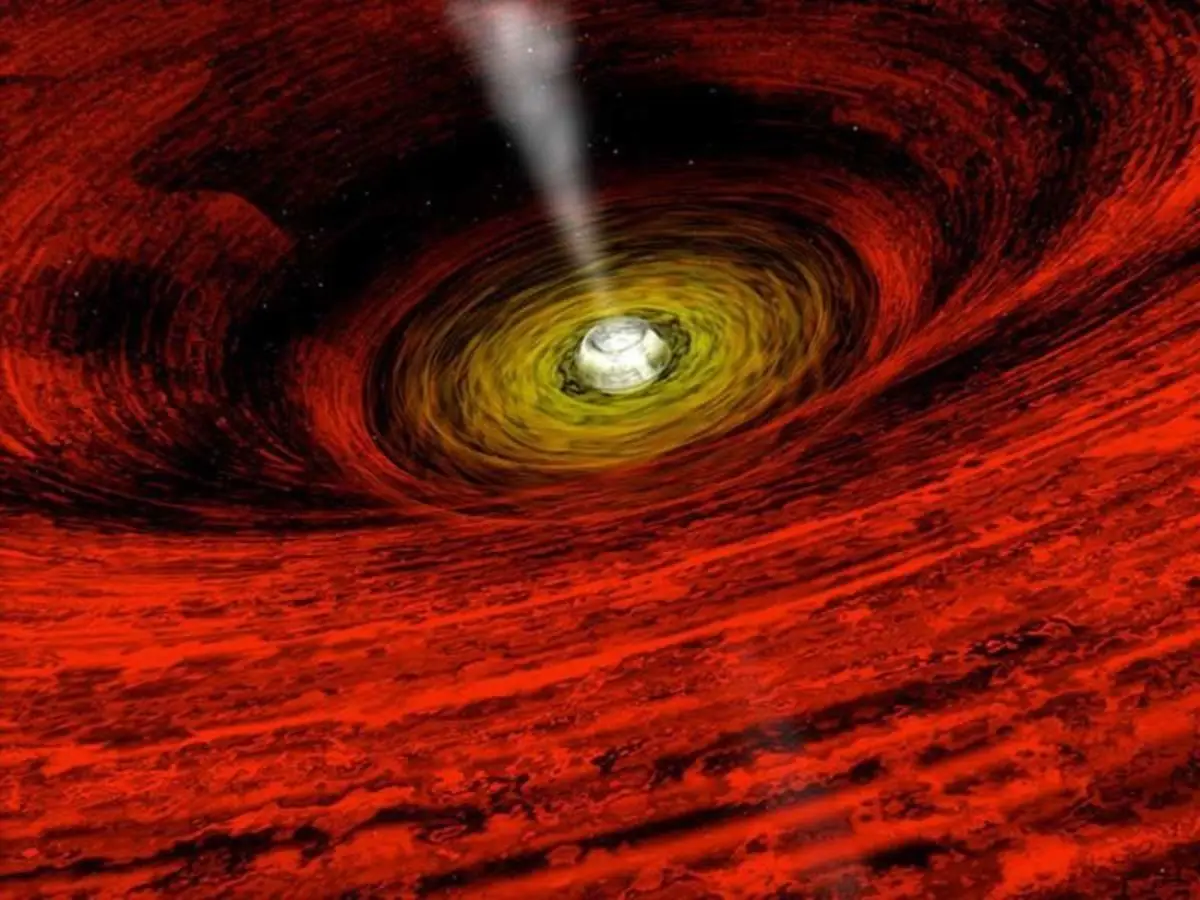
A black hole is a region of space where gravity is so intense that nothing, not even light, can escape. It forms when a massive star collapses at the end of its life, compressing its matter into a singularity surrounded by an event horizon, the point of no return beyond which anything crossing is inevitably pulled inward. Despite being invisible, black holes betray their presence through their powerful effects on nearby stars and gas. But do you know which supermassive black hole is closest to Earth, and just how massive it really is?
At the heart of the Milky Way
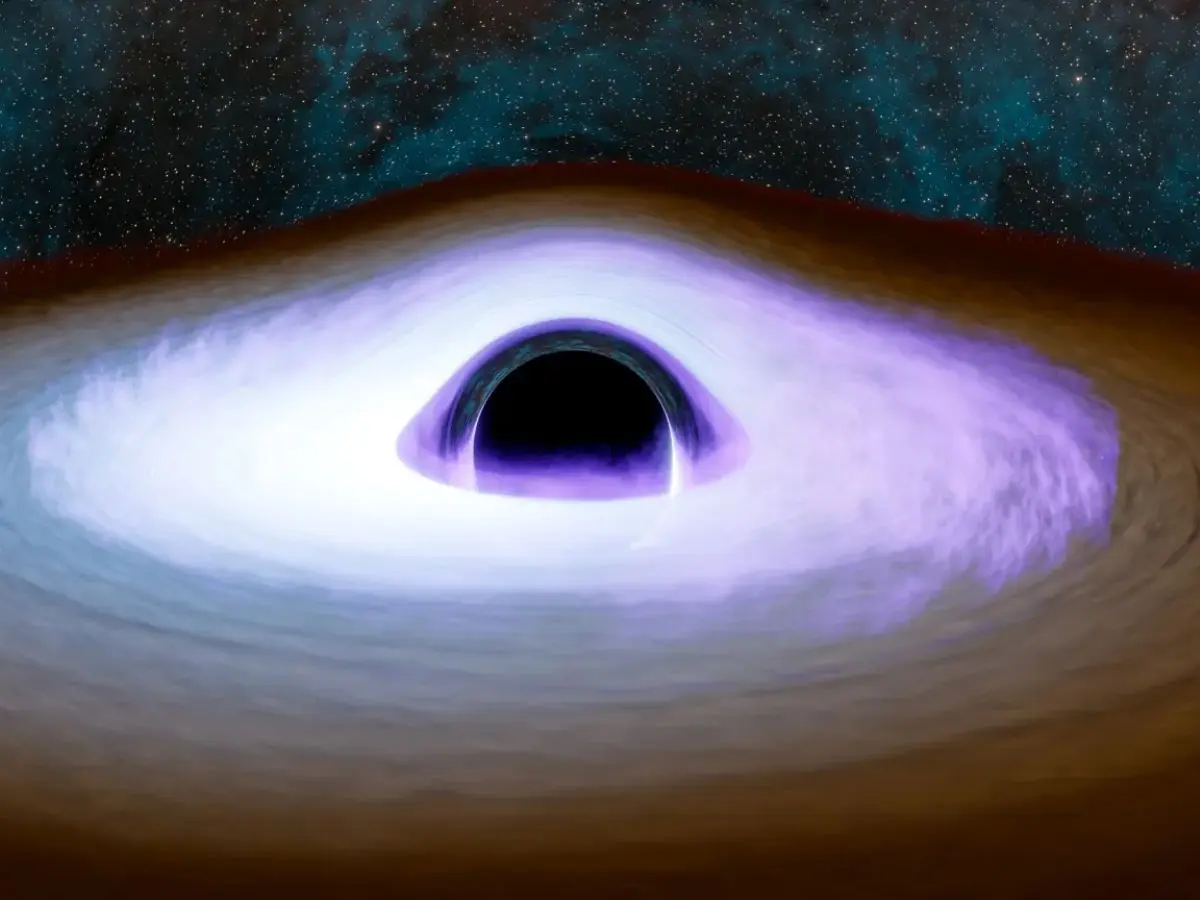
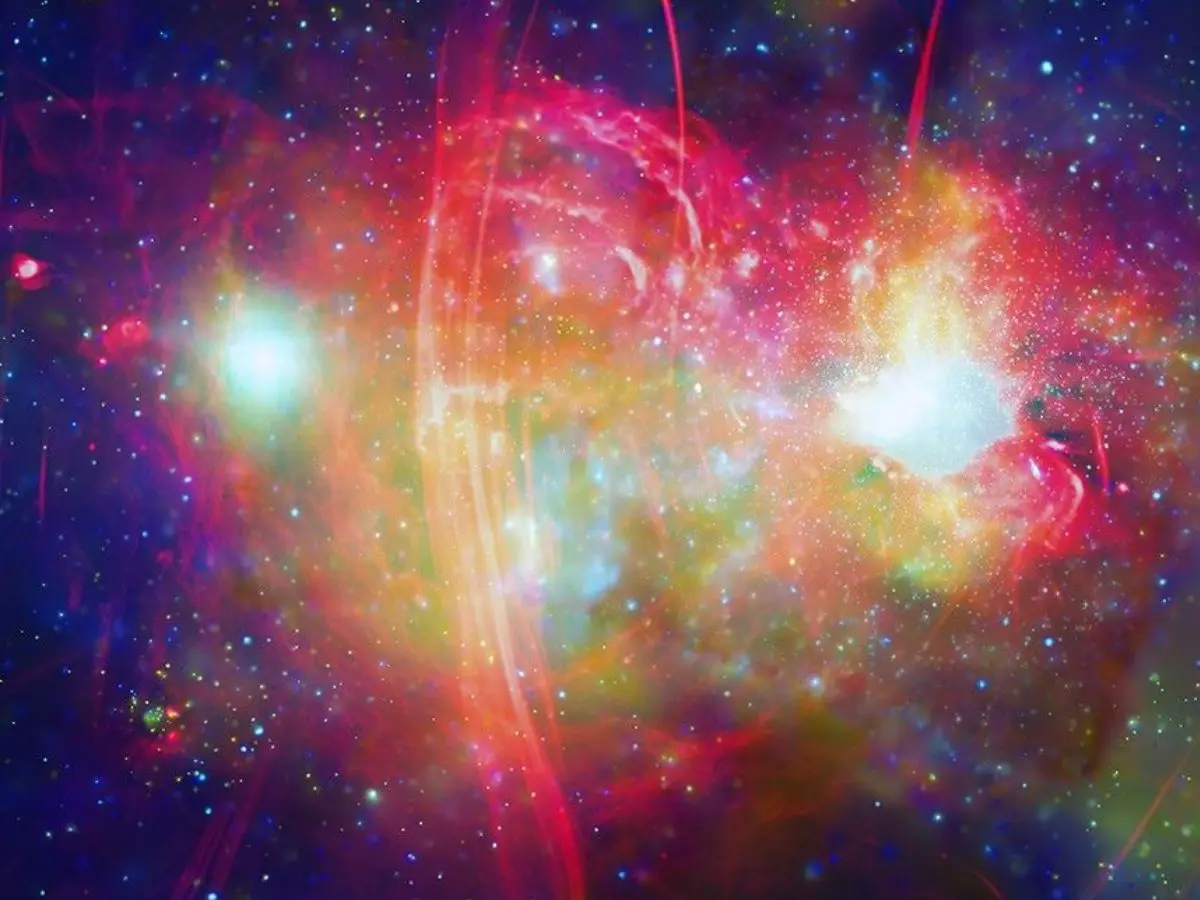
Sagittarius A* is the supermassive black hole at the centre of our galaxy, about 27,000 light years from Earth. It was first detected in 1974 by radio astronomers and later confirmed as a black hole when observations of nearby stars revealed they were orbiting an invisible but immensely massive object. Here are five facts about Sagittarius A*:
1. A dense gravitational giant
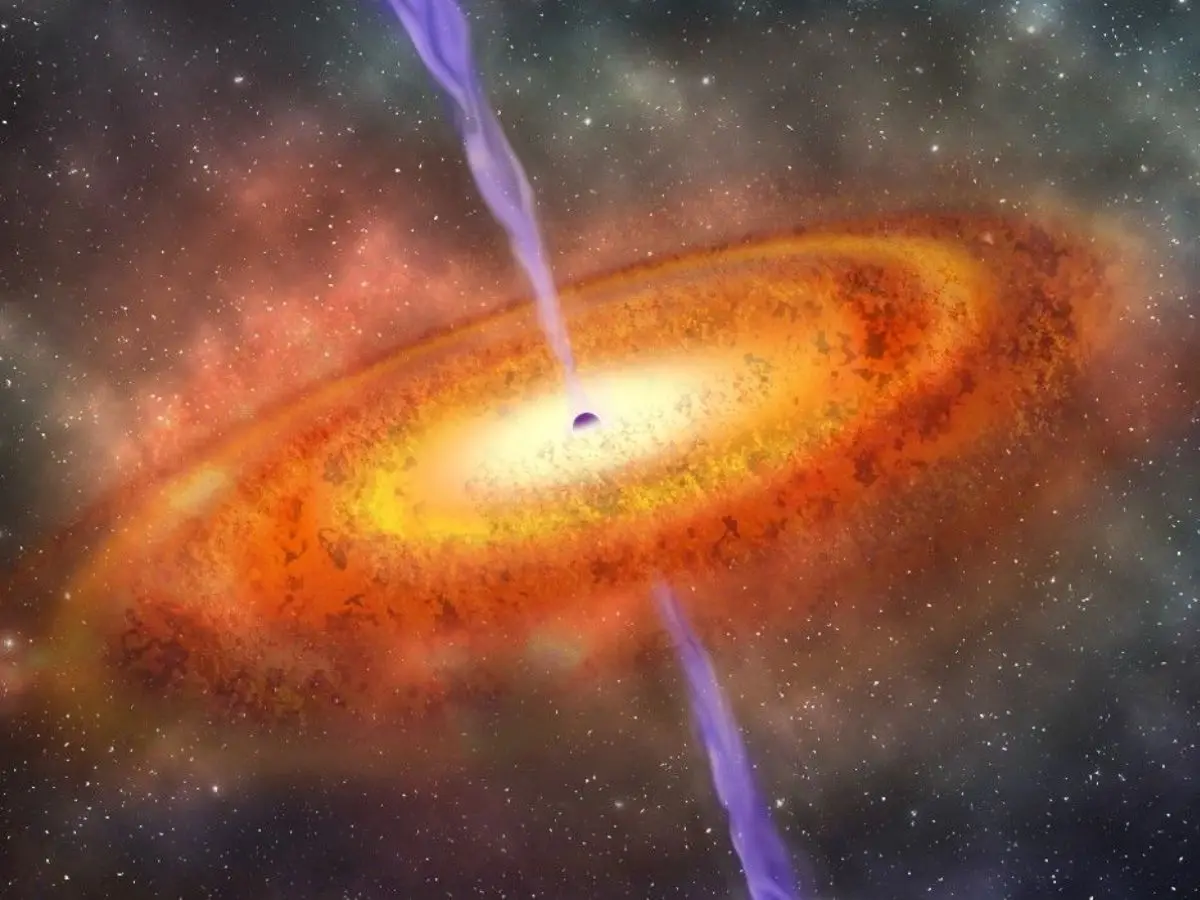
Sagittarius A* has a mass of roughly 4.3 million Suns. Despite this, its actual diameter is relatively small on a cosmic scale. The boundary from which nothing can escape, known as the event horizon, would fit well within the orbit of Mercury if placed in our solar system.
2. What it looks like
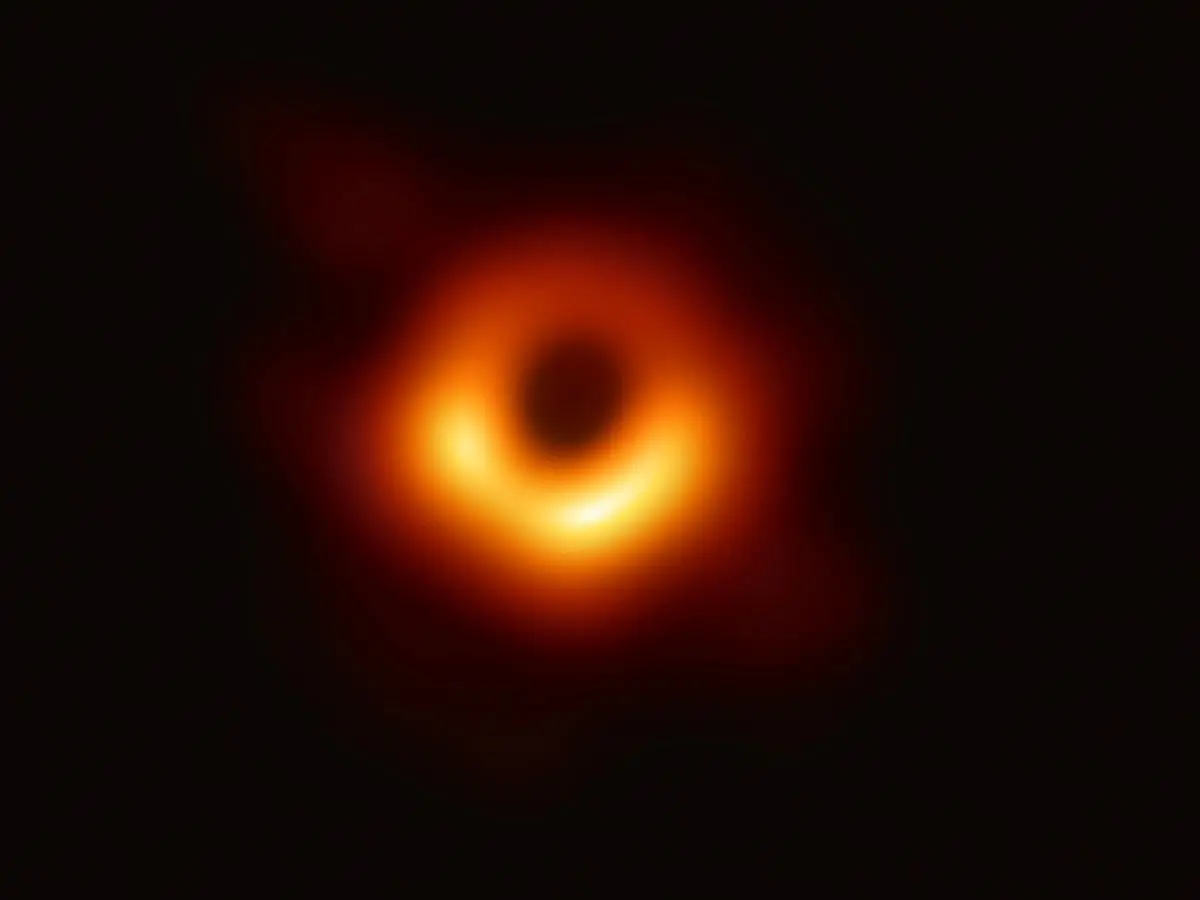
In May 2022, the Event Horizon Telescope captured the first direct image of the glowing gas and dust swirling around Sagittarius A*. The image shows a bright, lopsided ring encircling a dark central shadow, the outline of the event horizon against a backdrop of superheated material spiralling inward.
3. It eats only what strays too close
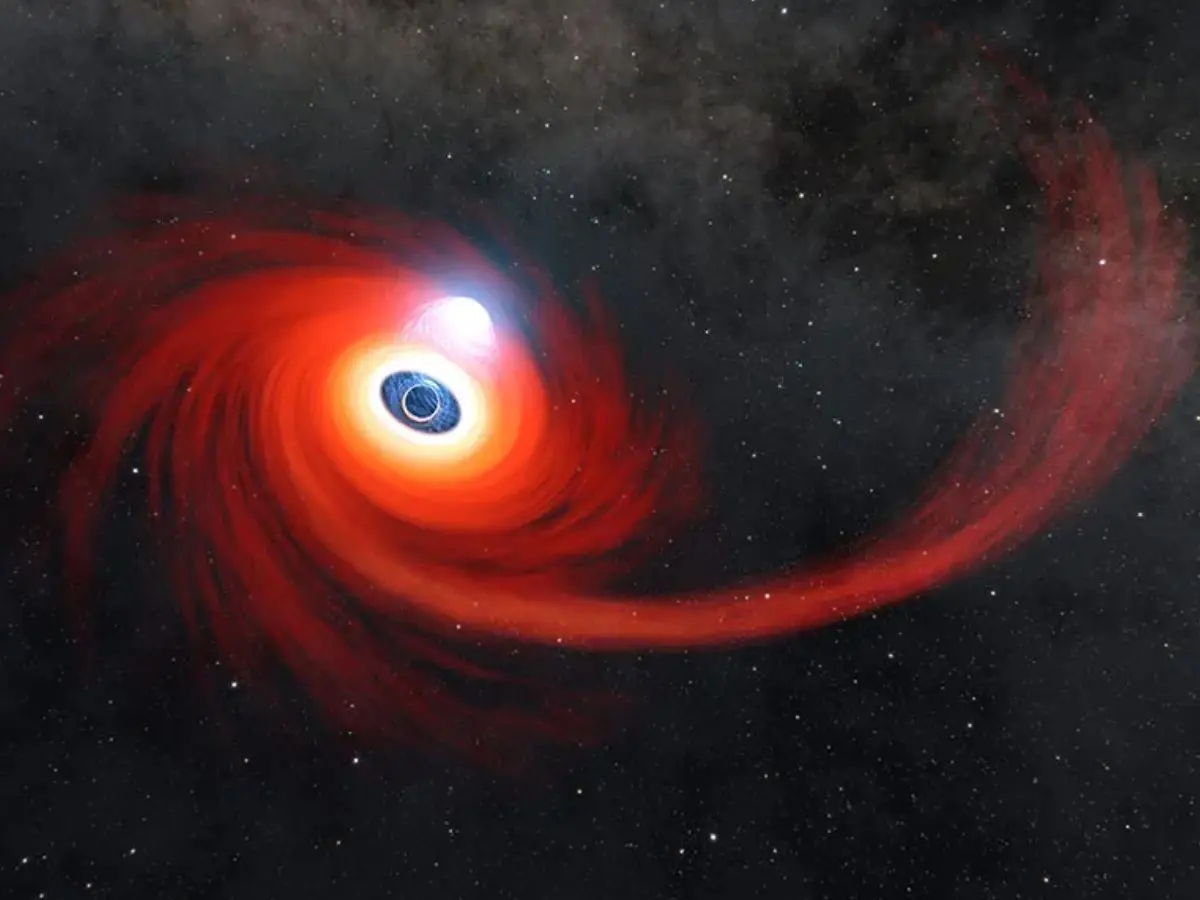
Black holes do not roam the galaxy sucking in everything in their path. Their gravitational influence, though intense nearby, weakens with distance like any massive object. Only matter that crosses the event horizon is consumed, while stars and planets at a safe distance continue on stable orbits.
4. Rare flaring events
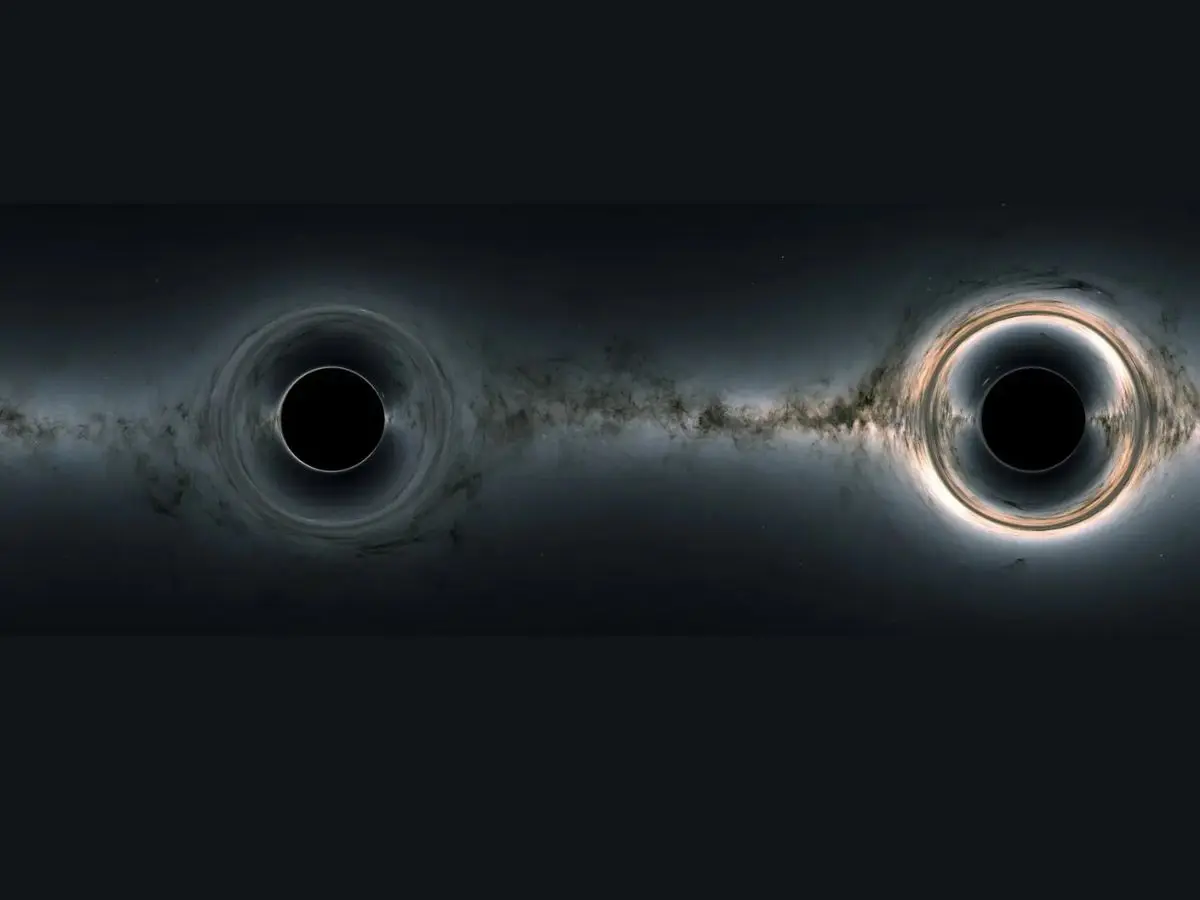
Although generally quiet, Sagittarius A* can flare dramatically. Around two centuries ago, it emitted a burst of X-rays so powerful that surrounding molecular clouds still carry the signature of that event. Such episodes occur when material falls in and is heated to extreme temperatures before disappearing beyond the horizon.
5. Extreme stellar neighbourhood
Astronomers have spotted stars orbiting extremely close to Sagittarius A*, some travelling at thousands of kilometres per second. Their motion provides direct evidence for the black hole’s mass and allows scientists to test Einstein’s theory of general relativity under extreme conditions.
No threat to the universe
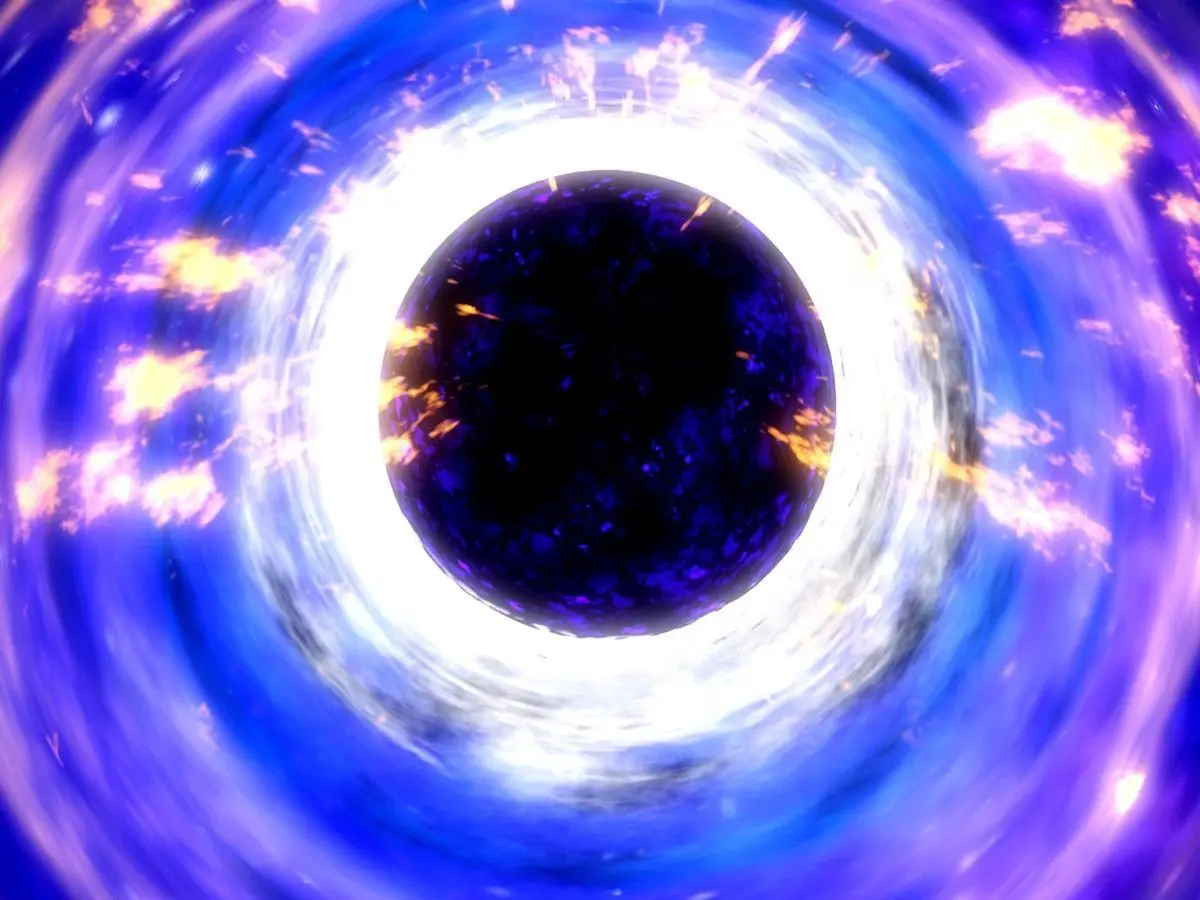
Despite their fearsome reputation, even supermassive black holes cannot swallow entire galaxies, let alone the universe. Their reach is limited to their immediate surroundings. The expansion of the universe is carrying most galaxies further apart, and over unimaginable time spans, black holes themselves will slowly evaporate through a process known as Hawking radiation.
)
)
)
)
)