• Wion
  • /Photos
  • /4 days of Chhath Puja and the hidden spiritual lessons every devotee should know

4 days of Chhath Puja and the hidden spiritual lessons every devotee should know

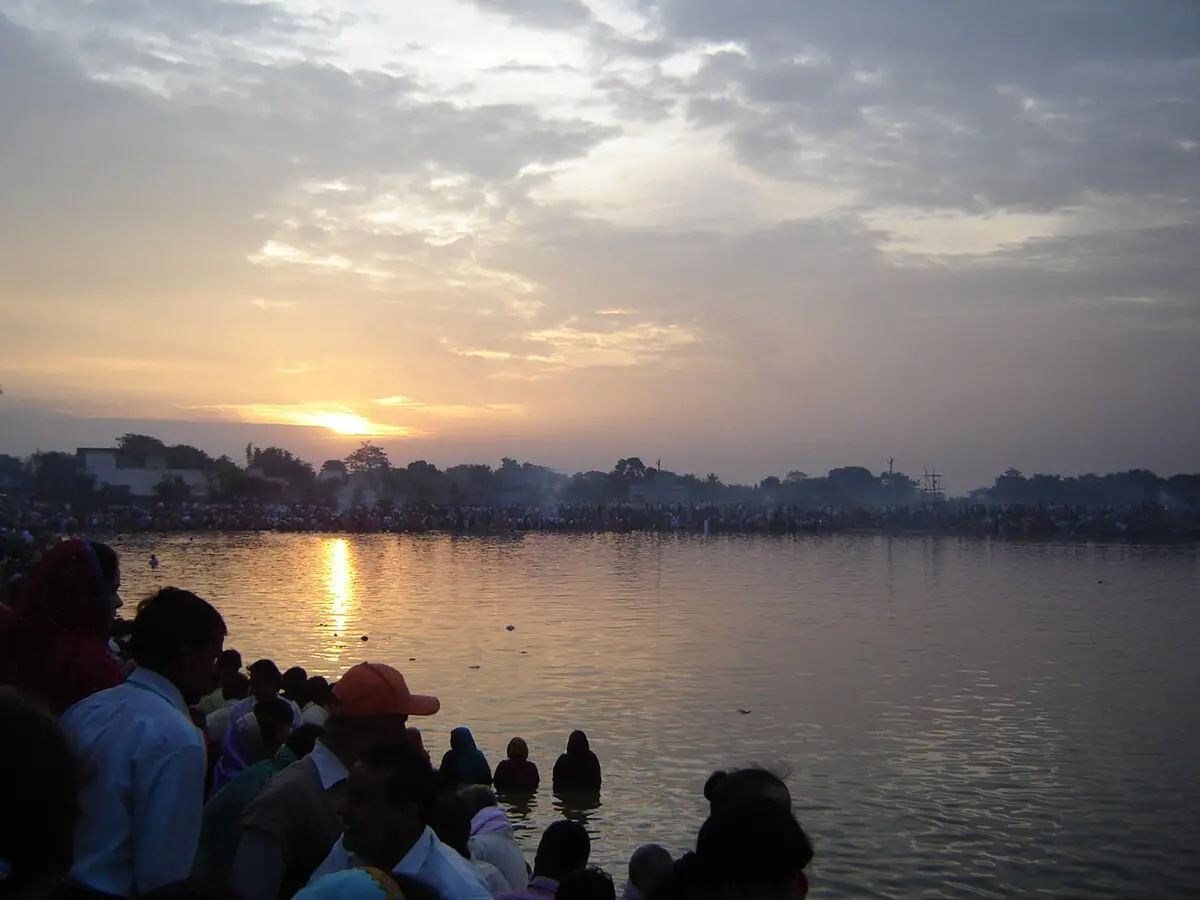
On the evening of the third day, devotees gather at riverbanks to offer arghya (prayers and offerings) to the setting sun. 
Introduction
1 / 6
(Photograph: Wikimedia Commons)

Introduction

Chhath Puja, a revered festival celebrated primarily in Bihar, Jharkhand, Uttar Pradesh, and Nepal, spans four days and is dedicated to Surya Dev (the Sun God) and Chhathi Maiya (the Goddess of energy and well-being). This unique festival is distinguished by its rigorous rituals, including fasting, holy bathing, and offering prayers to the setting and rising sun. Each day carries profound spiritual significance, offering devotees lessons in discipline, purity, and gratitude.


Day 1: Nahay Khay – Purification and Preparation
2 / 6
(Photograph: Wikimedia Commons)

Day 1: Nahay Khay – Purification and Preparation

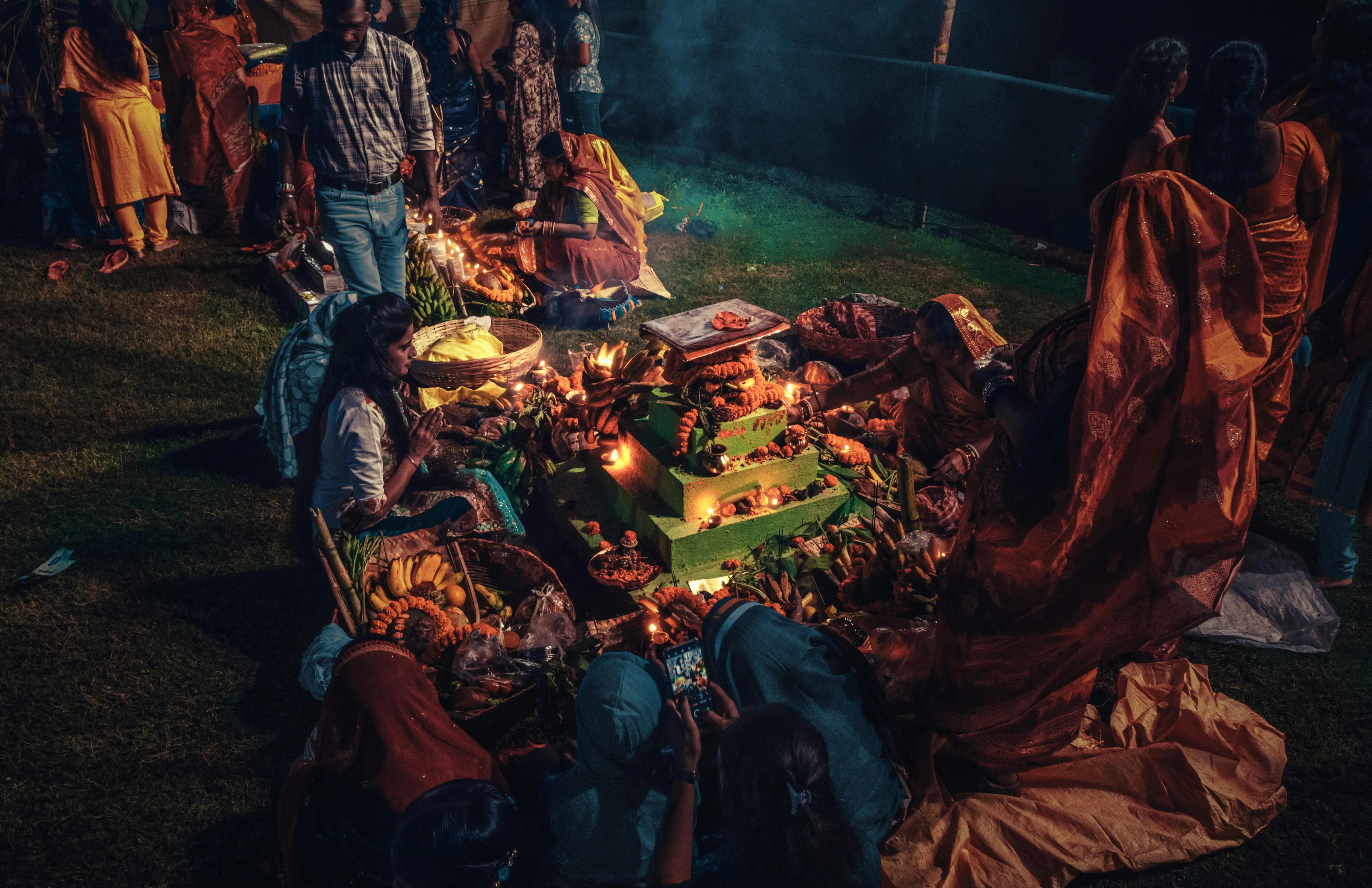
The festival commences with Nahay Khay, a day dedicated to physical and spiritual purification. Devotees take ritualistic baths in holy rivers or ponds, followed by cleaning their homes and surroundings. A sattvik meal, typically consisting of arwa rice, chana dal, and bottle gourd, is prepared and consumed. This meal marks the beginning of the fasting period and symbolizes the cleansing of the body and mind, setting the tone for the days ahead.


Day 2: Kharna – Day of Fasting and Offerings
3 / 6
(Photograph: ANI)

Day 2: Kharna – Day of Fasting and Offerings

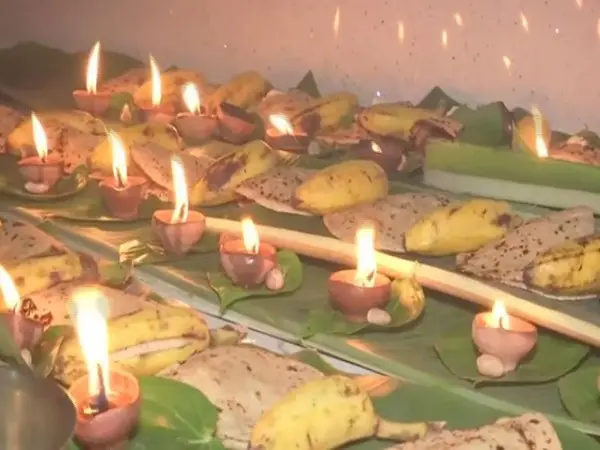
Kharna is observed with a strict waterless fast, broken only in the evening after offering jaggery-based kheer (sweet pudding) and roti (flatbread) to the Sun God. This act of fasting and offering signifies devotion and self-discipline. The preparation of the prasad (offering) is done with utmost care, and the consumption of the prasad marks the commencement of a 36-hour nirjala (without food and water) fast, emphasising endurance and spiritual focus.


Day 3: Sandhya Arghya – Evening Offering to the Setting Sun
4 / 6
(Photograph: Pexels)

Day 3: Sandhya Arghya – Evening Offering to the Setting Sun

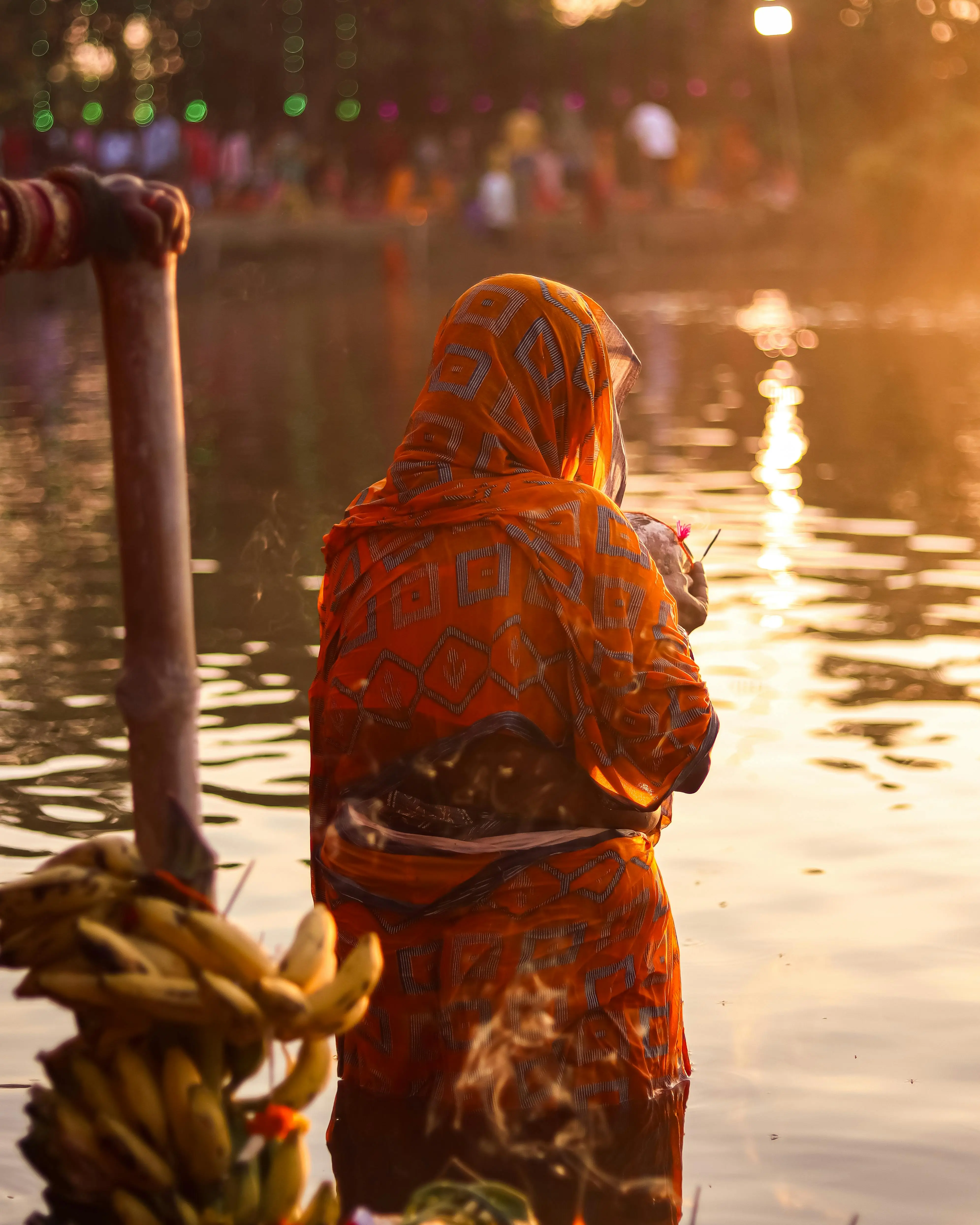
On the evening of the third day, devotees gather at riverbanks to offer arghya (prayers and offerings) to the setting sun. This ritual involves presenting the prasad, including thekua (a traditional sweet), fruits, and other items, while singing hymns dedicated to the Sun God and Chhathi Maiya. The Sandhya Arghya symbolises gratitude, surrender, and acceptance of the transient nature of life, fostering a sense of humility and reverence.


Day 4: Usha Arghya – Morning Offering to the Rising Sun
5 / 6
(Photograph: Pexels)

Day 4: Usha Arghya – Morning Offering to the Rising Sun

The final day culminates with Usha Arghya, where devotees offer prayers to the rising sun. This ritual signifies hope, renewal, and spiritual awakening. After the offering, the fast is concluded with the partaking of prasad, marking a sense of completion and fulfillment. The Usha Arghya emphasises the cyclical nature of life and the continuous blessings of the Sun God, reinforcing themes of resilience and optimism.


Spiritual Lessons of Chhath Puja
6 / 6
(Photograph: Pexels)

Spiritual Lessons of Chhath Puja

  • Discipline and Self-control: The strict fasting and adherence to rituals teach self-discipline and control over desires.
  • Purity and Cleanliness: Emphasis on physical cleanliness and purity reflects the importance of inner purity.
  • Gratitude and Humility: Offering prayers and thanks to the Sun God fosters a sense of gratitude and humility.
  • Community and Unity: The collective participation in rituals strengthens community bonds and promotes unity.