3I/ATLAS races towards Earth: Here is when it will make its closest approach as NASA and ESA observe a hyperactive comet

Interstellar comet 3I/ATLAS is moving towards Earth now at breakneck speed. NASA and ESA have both captured a hyperactive body hurtling through space. It became more intense after its encounter with the Sun at end of October.
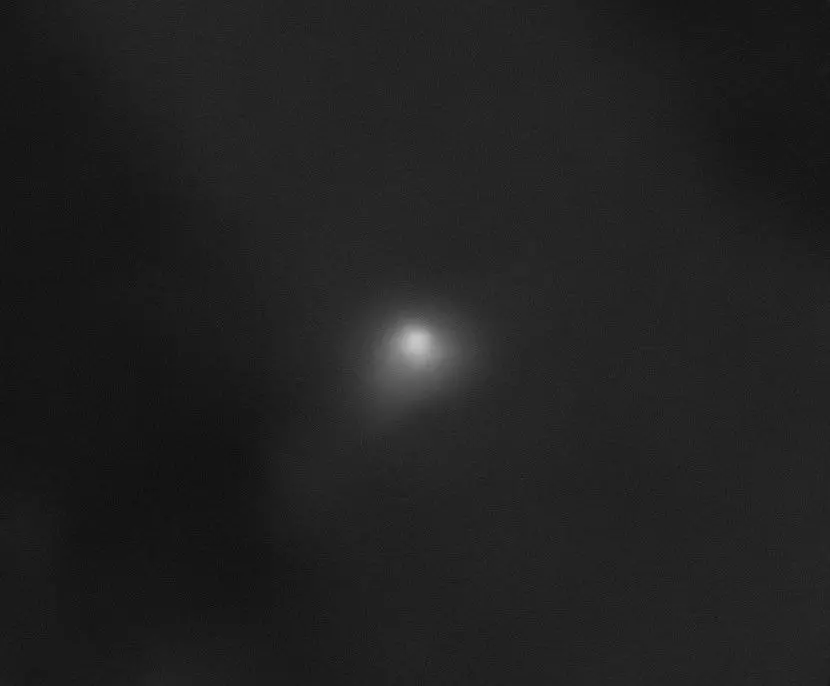
3I/ATLAS photo captured by NASA
3I/ATLAS is starting to become more active as it zooms towards Earth. The comet will make its closest approach to our planet on December 19. NASA recently released new images showing a bright halo glow around its coma. It added that the interstellar visitor is showing signs of extreme activity.
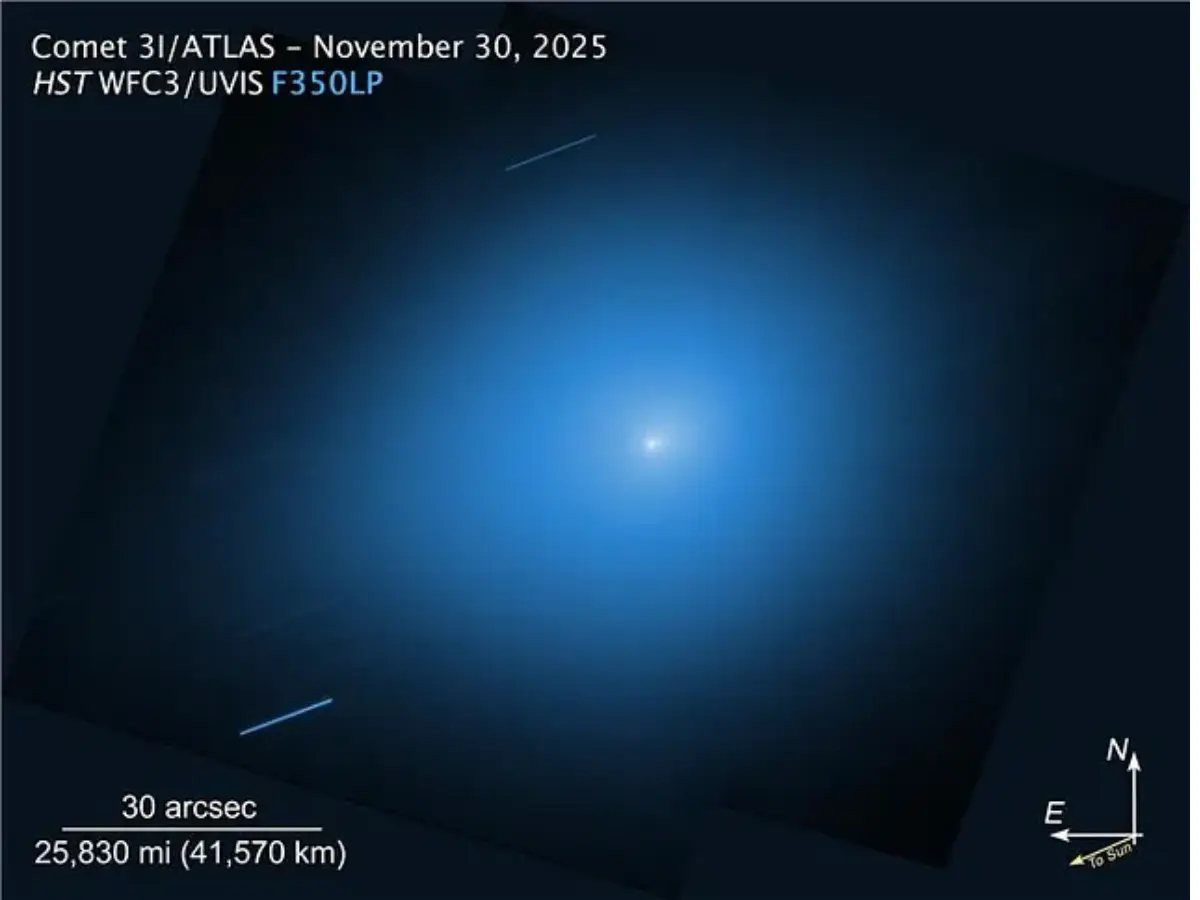
3I/ATLAS has turned extremely active as it approaches Earth
The latest photo was captured by the Hubble Telescope, which also took pictures of 3I/ATLAS in July. NASA and ESA both have spacecraft watching the comet and released fresh images last week. It appears to be very bright and active following its close flyby of the Sun.
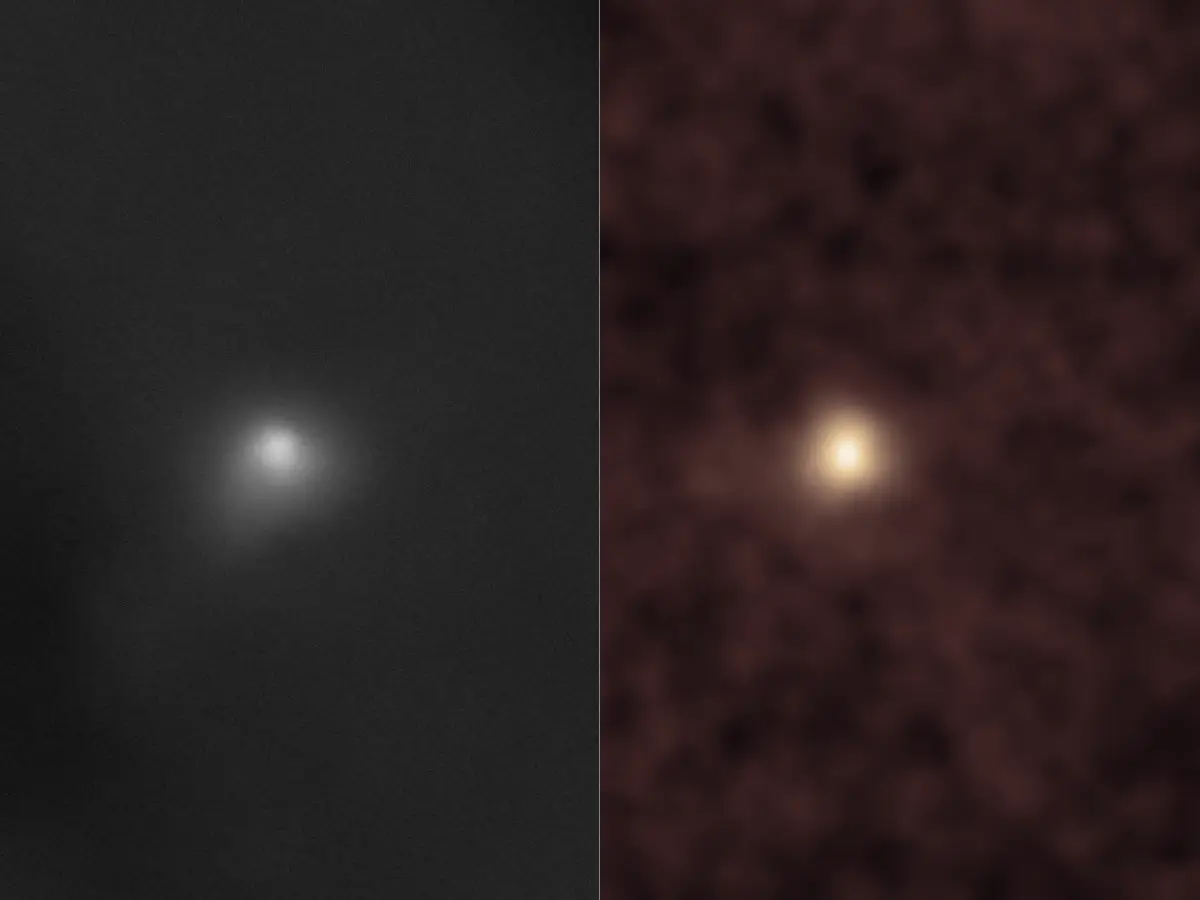
3I/ATLAS is moving at a speed of 210,000 km/hr
The American space agency's telescope captured a glowing white dot, which is the comet's nucleus, and coma, which is gas and dust around the comet. Other stars in the picture appear stretched as Hubble keeps its focus on 3I/ATLAS, moving at a speed of 210,000 km/hr.
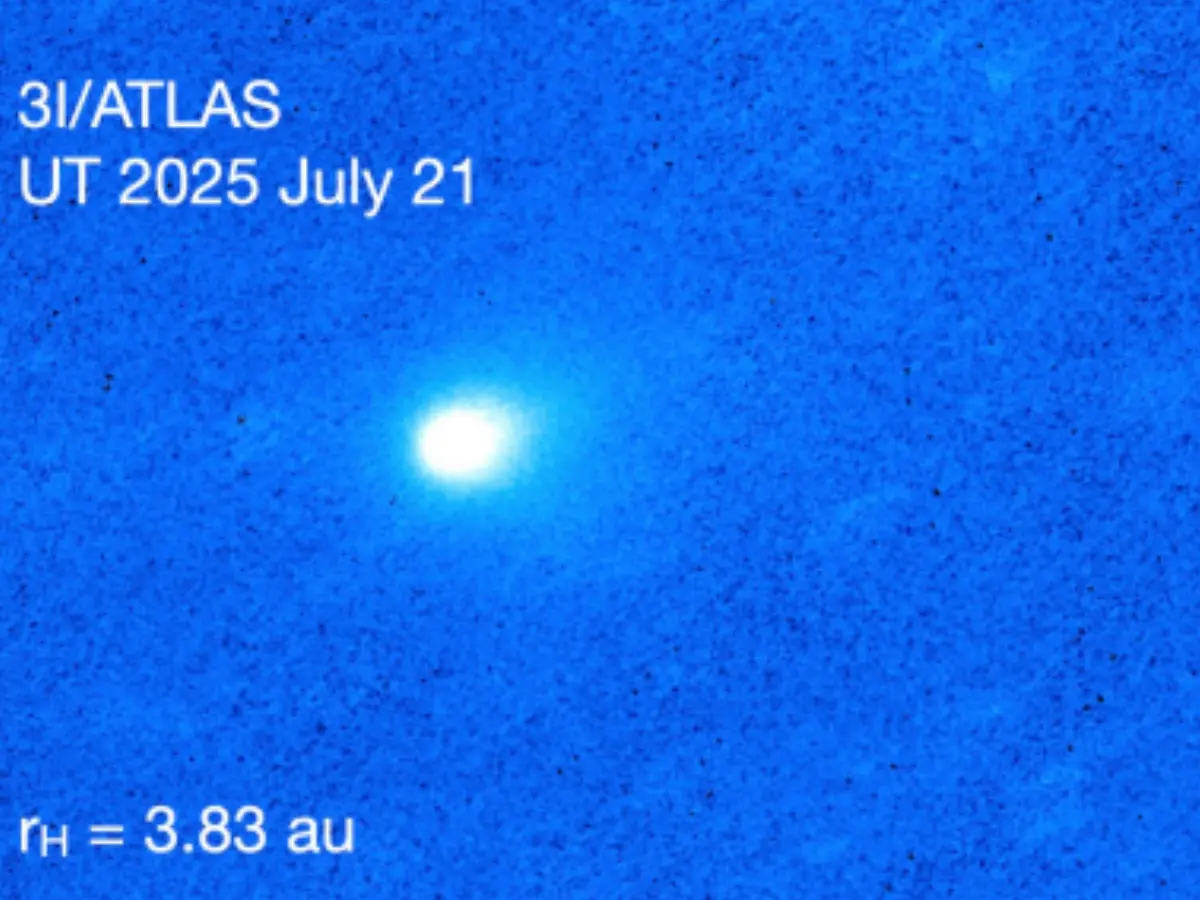
3I/ATLAS photo captured in July by Hubble
The photo was taken on November 30, nearly a month after 3I/ATLAS reached perihelion. Hubble was around 286 million km from the comet at this time. Both images taken by the telescope hint that it is around 1,400 feet in length and 5.6 km wide.
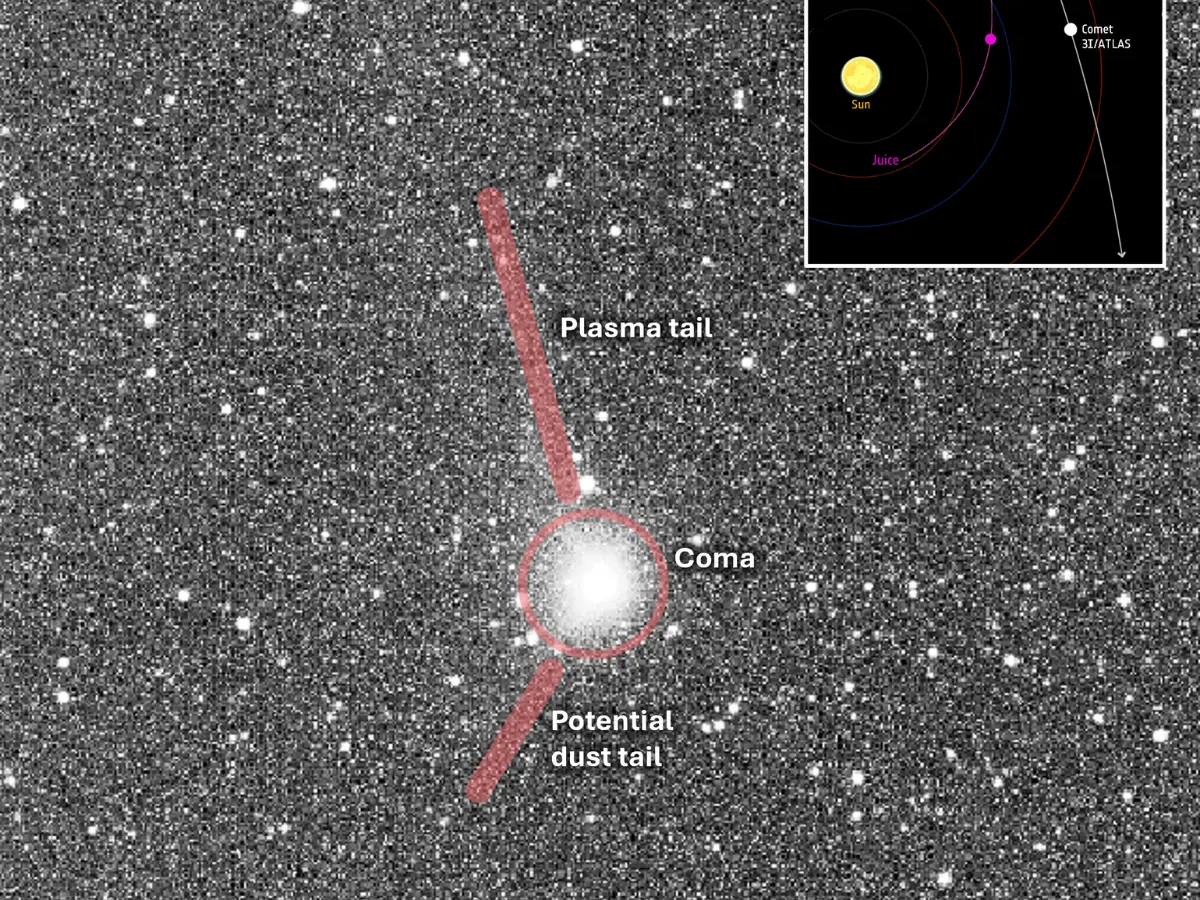
ESA's Juice probe captures 3I/ATLAS
The European Space Agency also released a picture of 3I/ATLAS captured by its Jupiter Icy Moons Explorer (Juice) probe. It was only 66 million km from the comet at the time. What the spacecraft sent back is only a fraction of the data. It captured the composition and shape of the plume of gas and dust around the comet.
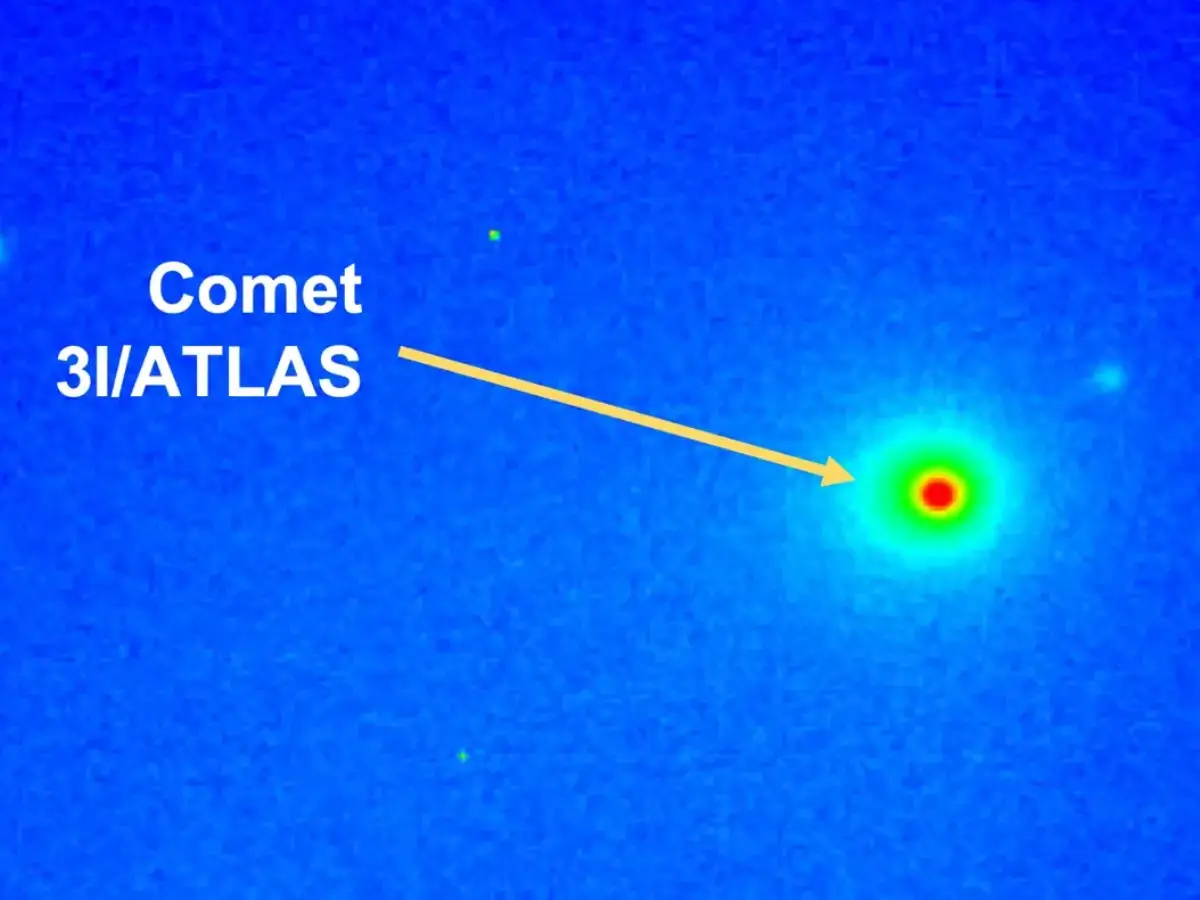
3I/ATLAS photo taken from India
The full image will be available only in February as it is transmitting data slowly. Juice is using its main high-gain antenna to protect itself from the Sun's heat and radiation. So it is using its smaller medium-gain antenna to send the picture at a lower rate.
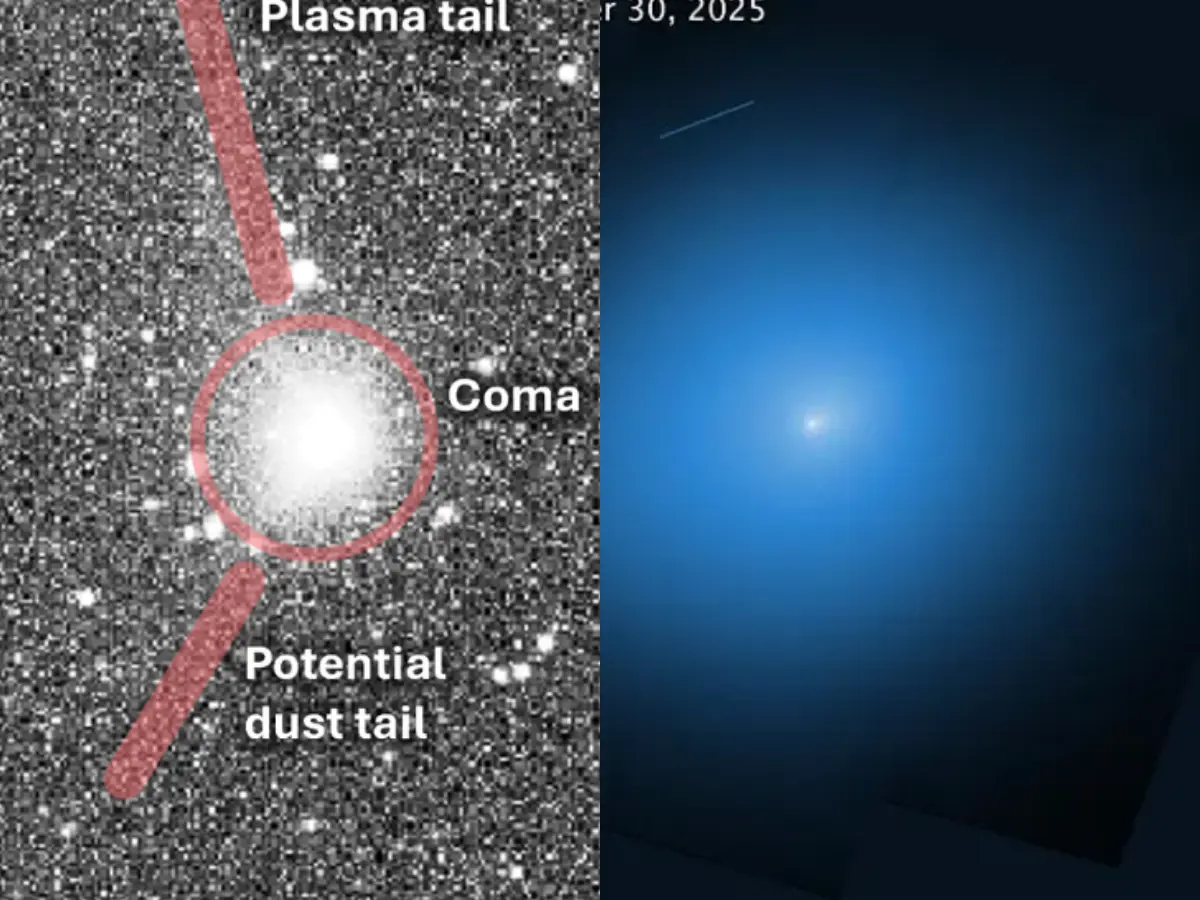
Dust tail and plasma tail on 3I/ATLAS
The Juice photo captured two tails, one of them being the "plasma tail made up of electrically charged gas", stretching out towards the top of the frame. There is also a "fainter dust tail" comprising tiny solid particles. "Not only do we clearly see the glowing halo of gas surrounding the comet known as its coma, we also see a hint of two tails," an ESA spokesperson wrote in a statement.
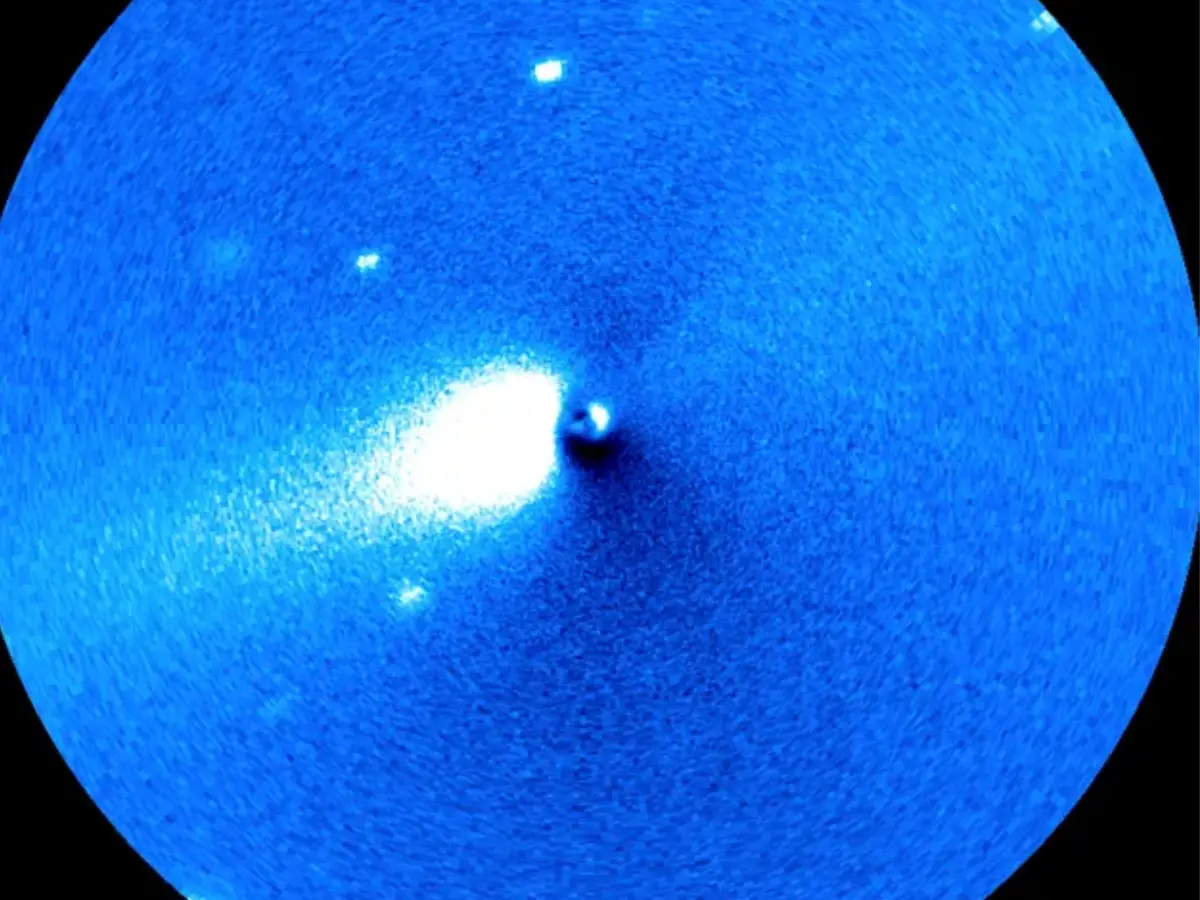
3I/ATLAS is nearing Earth
It is only a matter of a few days before 3I/ATLAS makes its closest approach to Earth. On December 19, it will be 275 million kilometres. The comet does not pose any threat to Earth and will remain at a comfortable distance. However, it presents scientists with a great opportunity to study the third interstellar visitor.
)
)
)
)
)