TALE of the TAIL — 3I/ATLAS is defying the comet rulebook

3I/ATLAS has become an astronomical enigma that scientists have been trying to decode for weeks. Sometimes it acts like a comet, other times it doesn't. It does strange things, makes weird manoeuvres and lights up when it shouldn't. What's going on with the interstellar visitor?
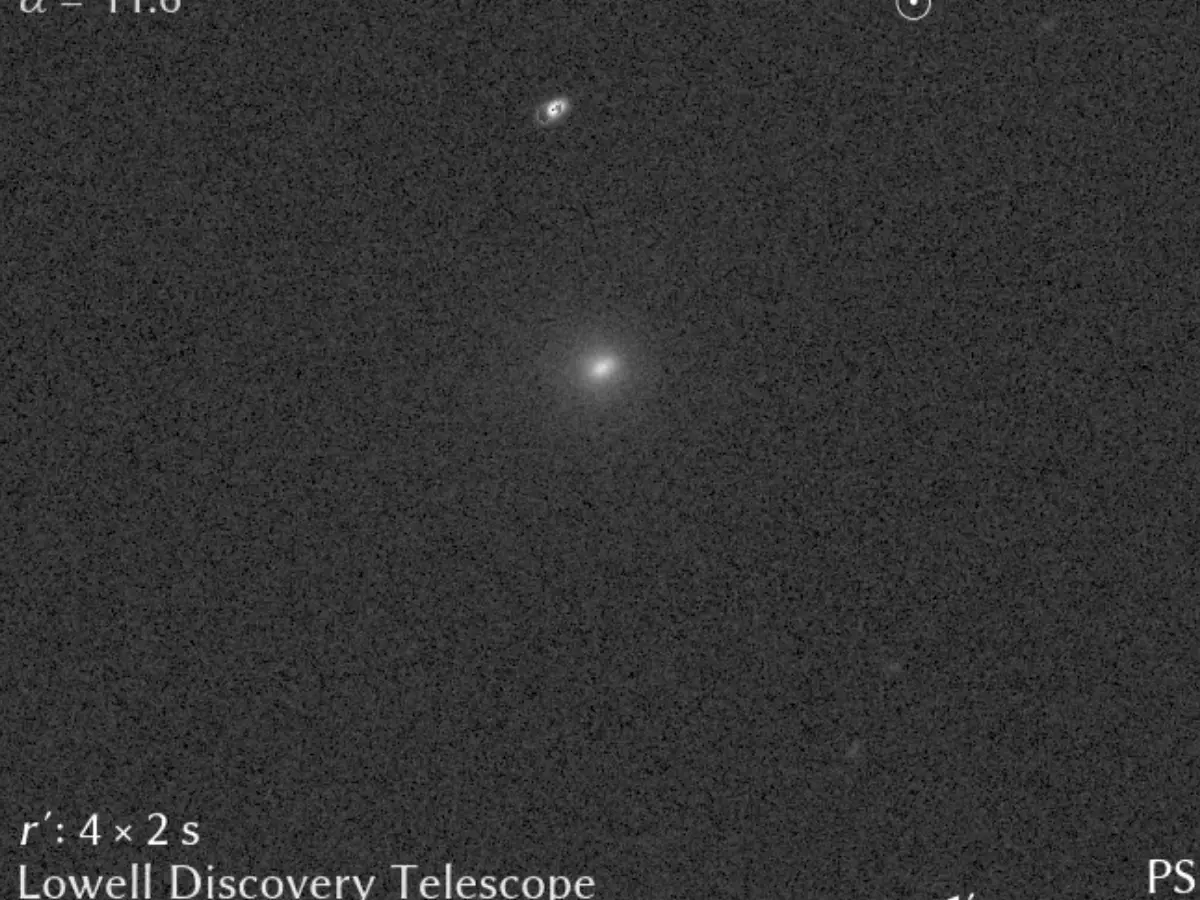
3I/ATLAS enigma deepens
As 3I/ATLAS swung by the Sun at the end of October, it grew more mysterious. The interstellar object is only the third visitor from outer space after Oumuamua and Borisov. Ever since it was observed on July 1, it has been a mystery to astronomers. It didn't show a tail for a long time, with a faint one observed only in September.
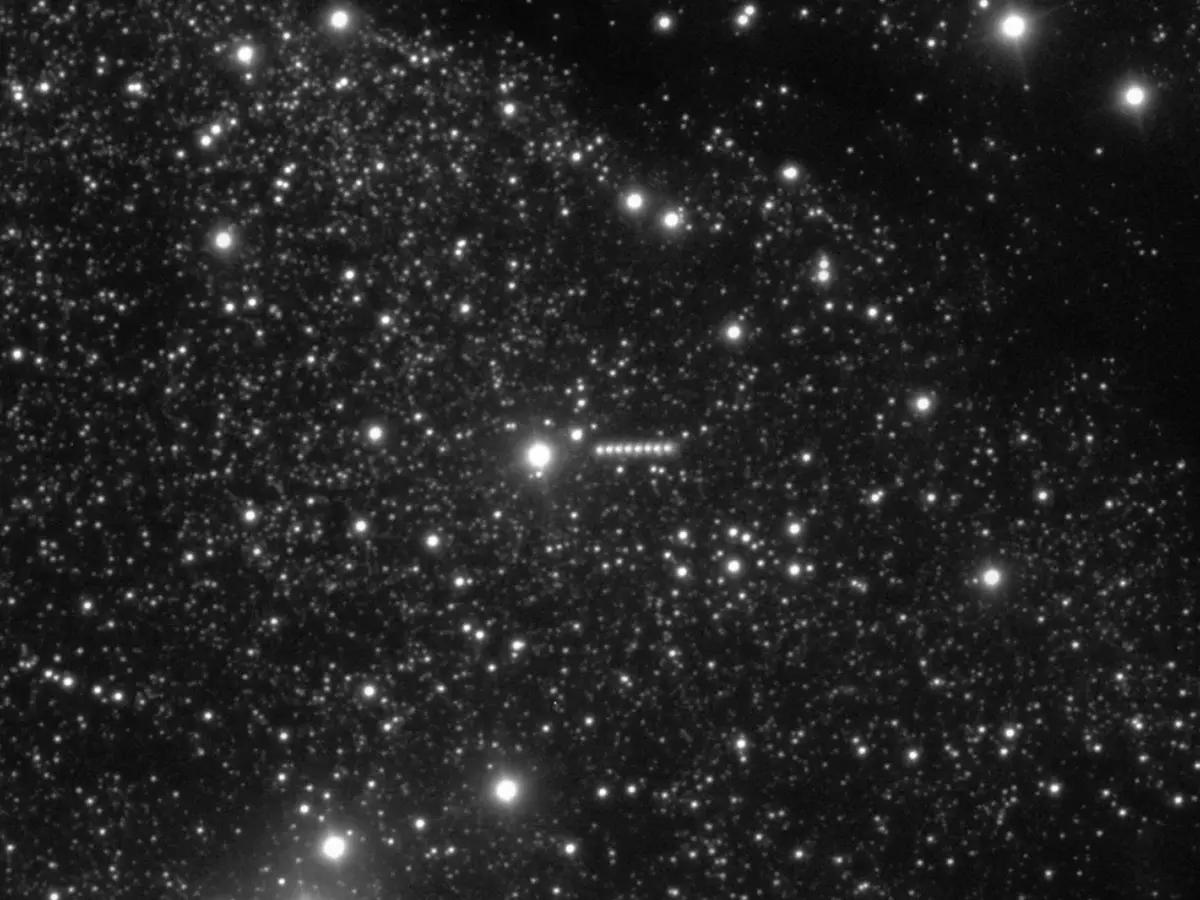
3I/ATLAS precovery - When it became give times brighter
In the precovery images taken by NASA's Transiting Exoplanet Survey Satellite (TESS) way back in May-June, it displayed sudden brightening by mid/late May. In fact, 3I/ATLAS suddenly became five times brighter. This should not have happened, as per cosmic rules. Based on its position, it should have only brightened by 1.5 times.
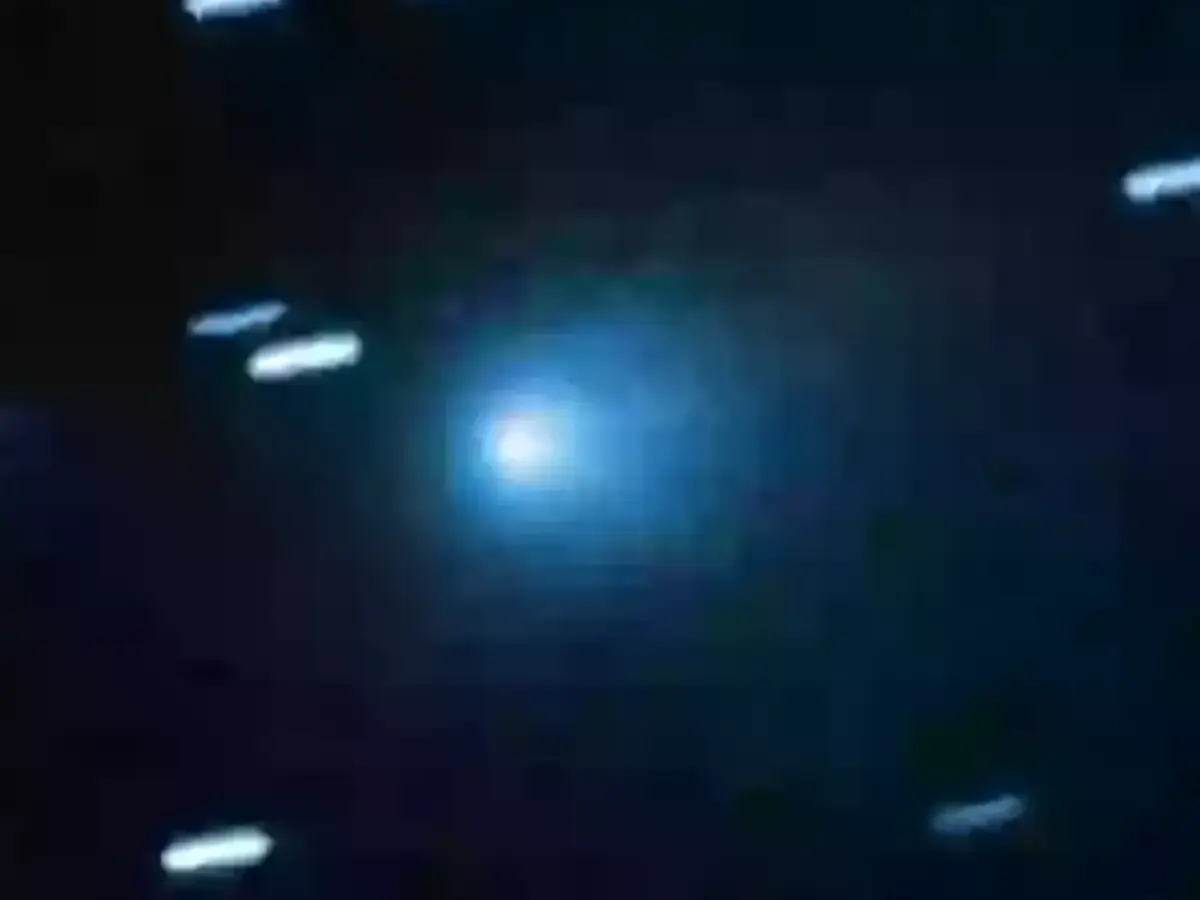
Absence of cometary tail on 3I/ATLAS
The tail remained a point of contention for a long time. Even though there was no clear cometary tail until September, scientists were sure that it was a comet. However, Harvard professor Avi Loeb flagged it as an anomaly, saying that it had an anti-tail, one that was not going away from the Sun.
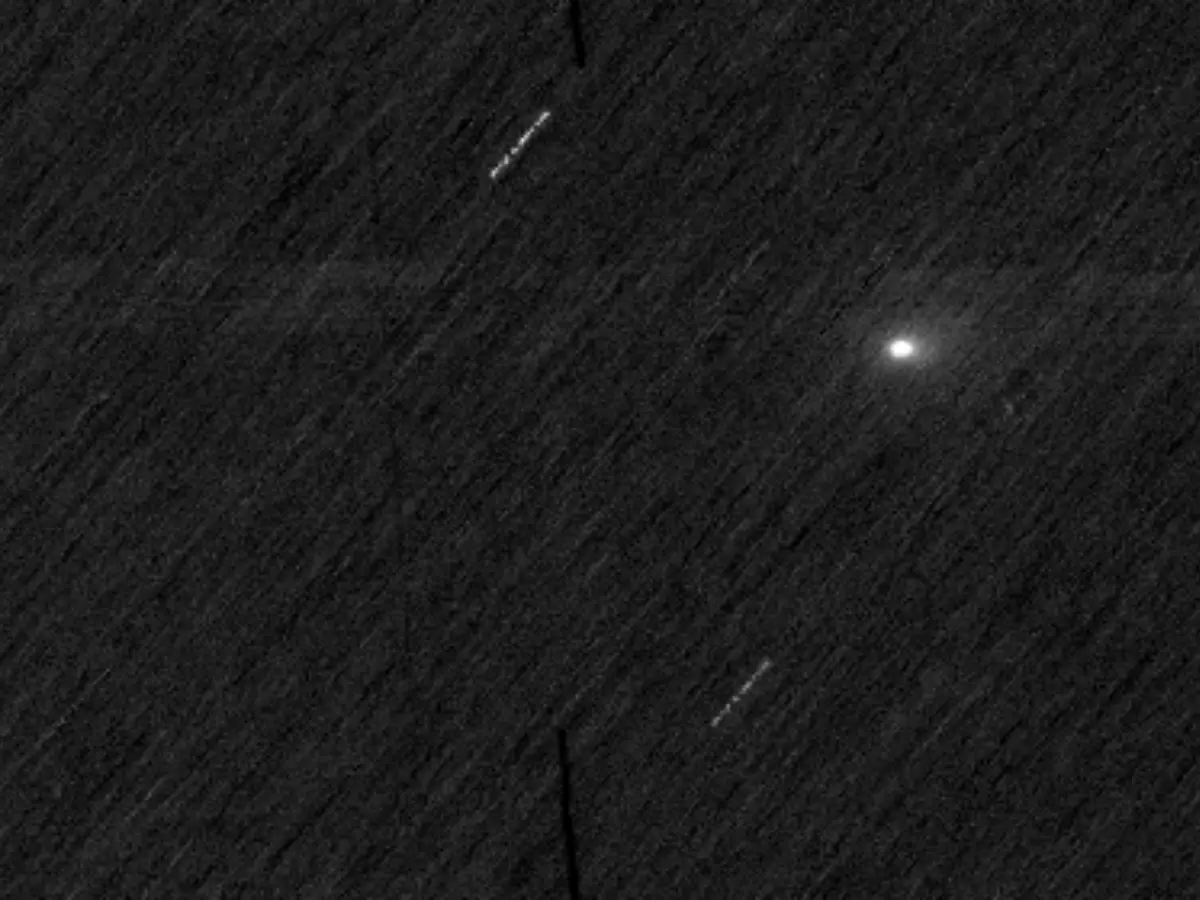
3I/ATLAS Mars encounter showed coma but no tail
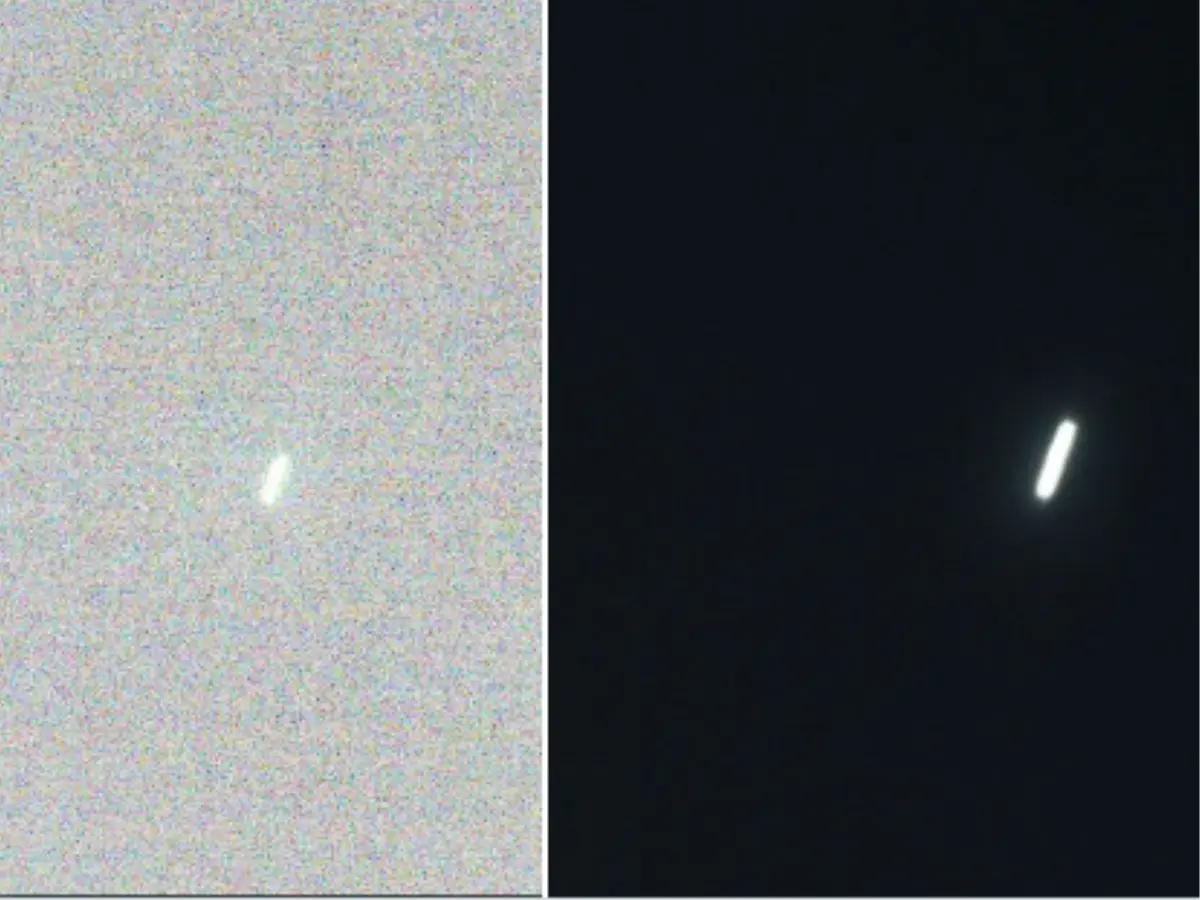
When 3I/ATLAS flew by Mars on October 2-3, the tail again turned into an enigma. European Space Agency's ExoMars Trace Gas Orbiter (TGO) captured a white ball of light, but no tail. “This dot is the centre of the comet, comprising its icy-rocky nucleus and its surrounding coma,” the ESA wrote.
Dim tail was expected to brighten, but it didn't
The space agency said that the photos do not show a tail, which is typically millions of kilometres long as comets move towards the Sun. However, it stated that it was dim and should brighten up in the coming days. "We can’t see the tail in the CaSSIS images, but it may become more visible in future observations," it said. However, that hasn't happened.
3I/ATLAS brightened way too much near the Sun
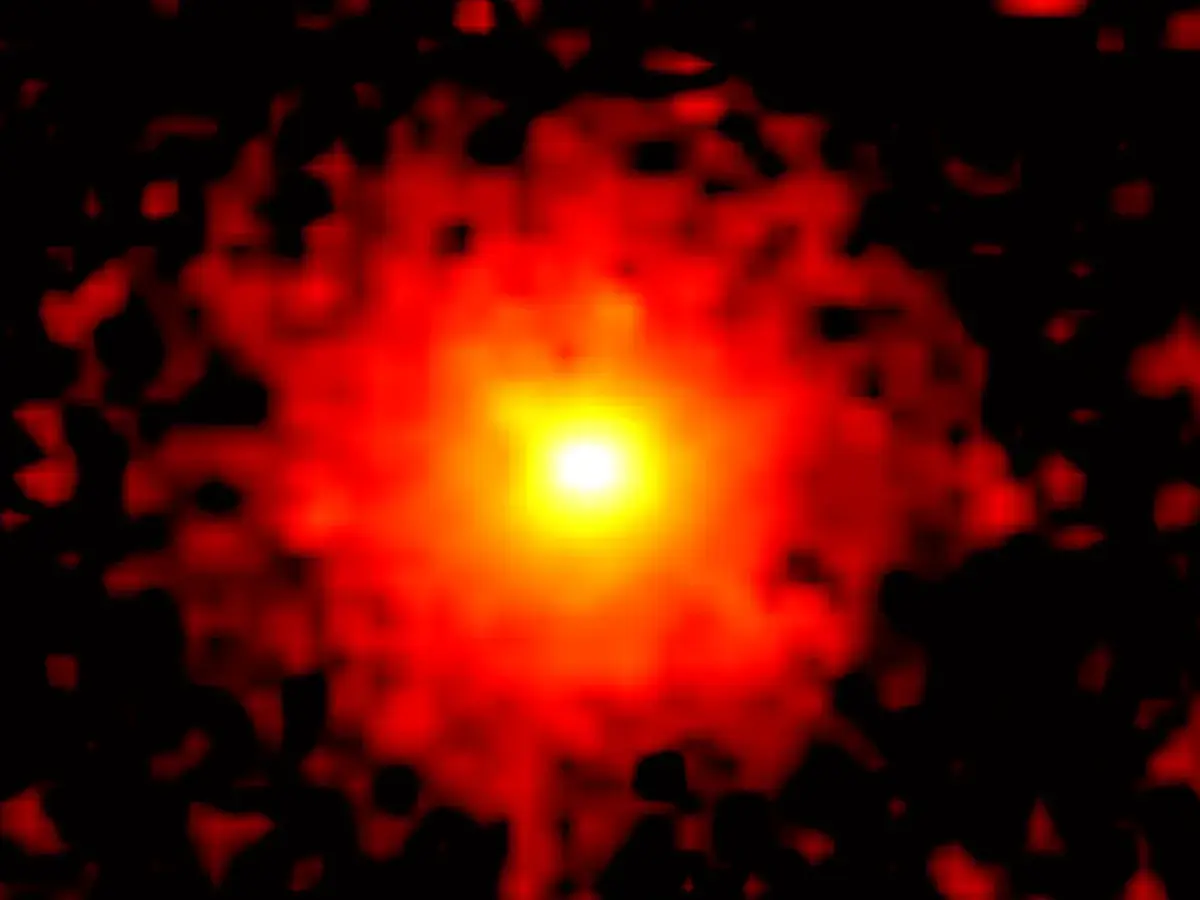
The day of reckoning came on October 29-30 when 3I/ATLAS reached perihelion, its closest point to the Sun. It distinctly threw up three things. First was its brightness, which had suddenly shot up several notches. While this was expected, the brightness was more than what the principles of physics dictate.
3I/ATLAS turned bluer than the Sun
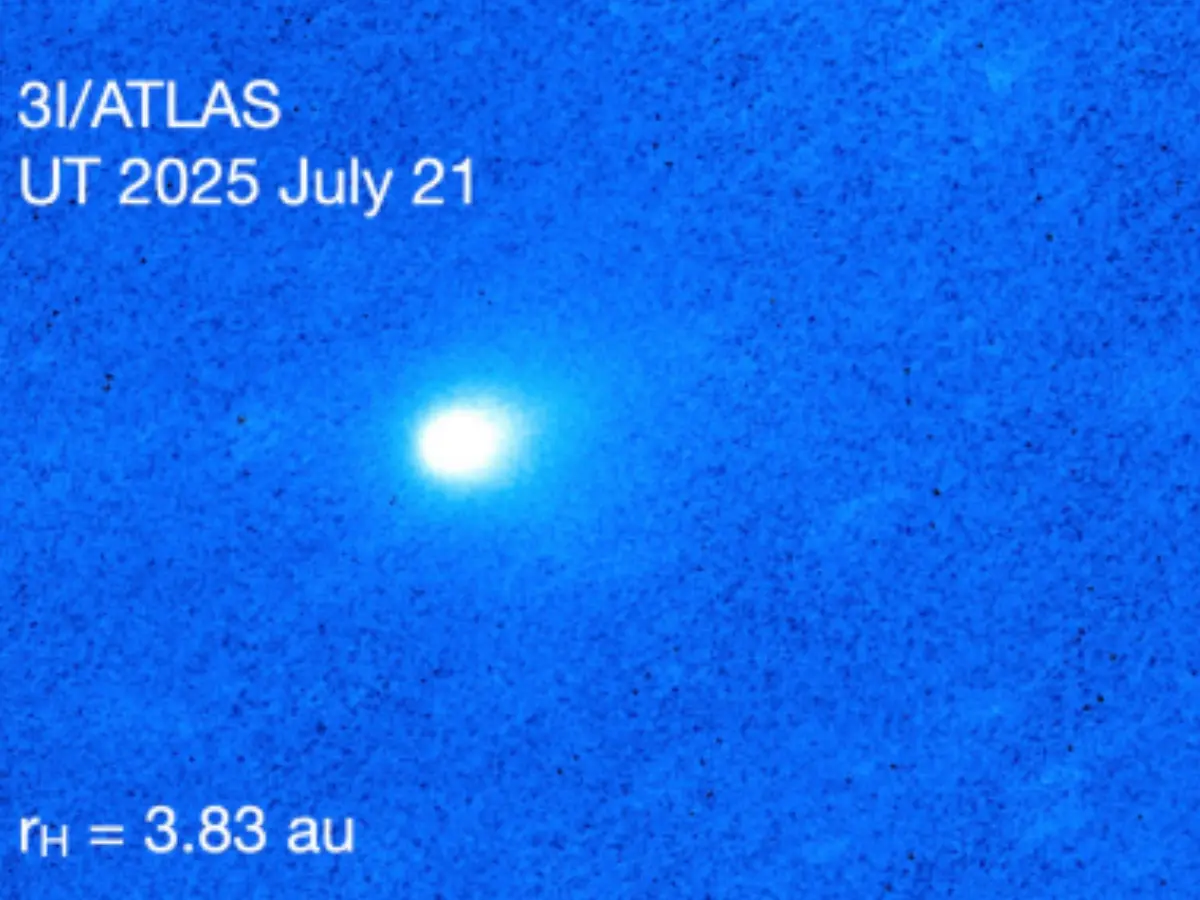
Next, it turned a bright blue. A paper reported that 3I/ATLAS was bluer than the Sun. This should not have happened since comets typically turn red when they come near the Sun because of the scattering of sunlight from the dust.
3I/ATLAS non-gravitational acceleration is an anomaly
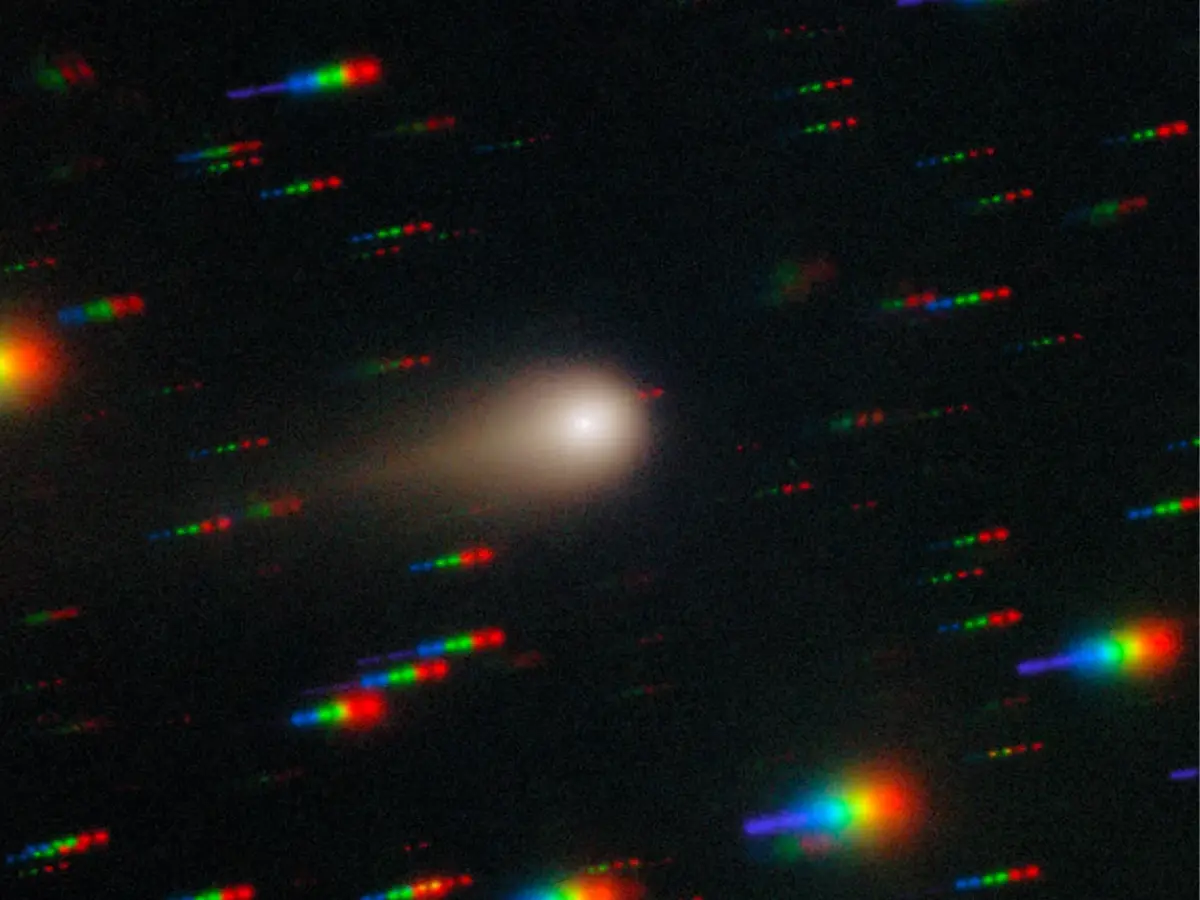
It also showed non-gravitational acceleration near the Sun, which Loeb says could signal the presence of an engine, an extraterrestrial entity inside 3I/ATLAS. He says if we do not soon see at least 5 billion tons of cloud of gas and dust around the object, then it would mean there is something off with it.
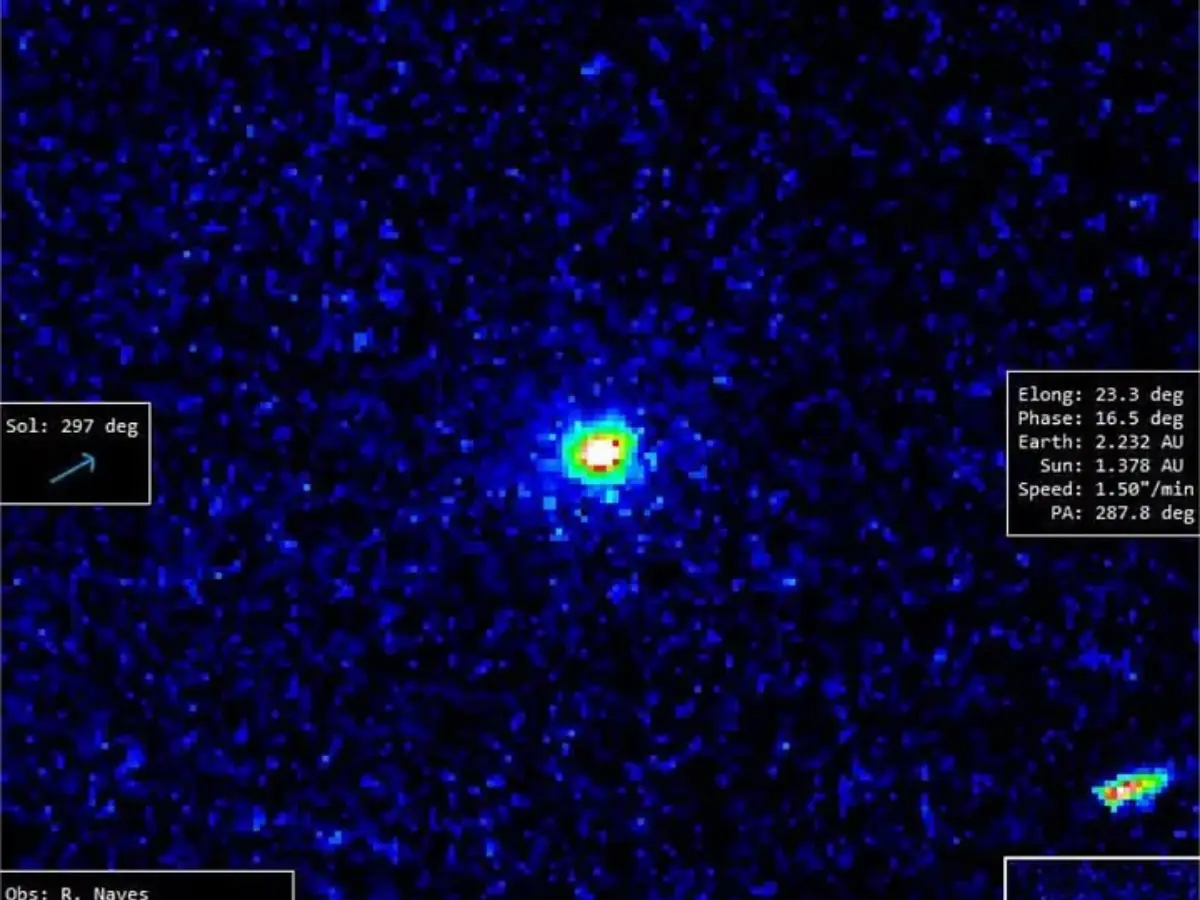
3I/ATLAS shows no tail after emerging from the Sun's glare
Now, 3I/ATLAS has emerged from the Sun's glare. Images again show the lack of a tail with only a tiny dot visible. This has once again led Loeb to question the nature of the object. He also added that the "coma is not very different in morphology than its appearance in the Hubble Space Telescope on July 21, 2025."
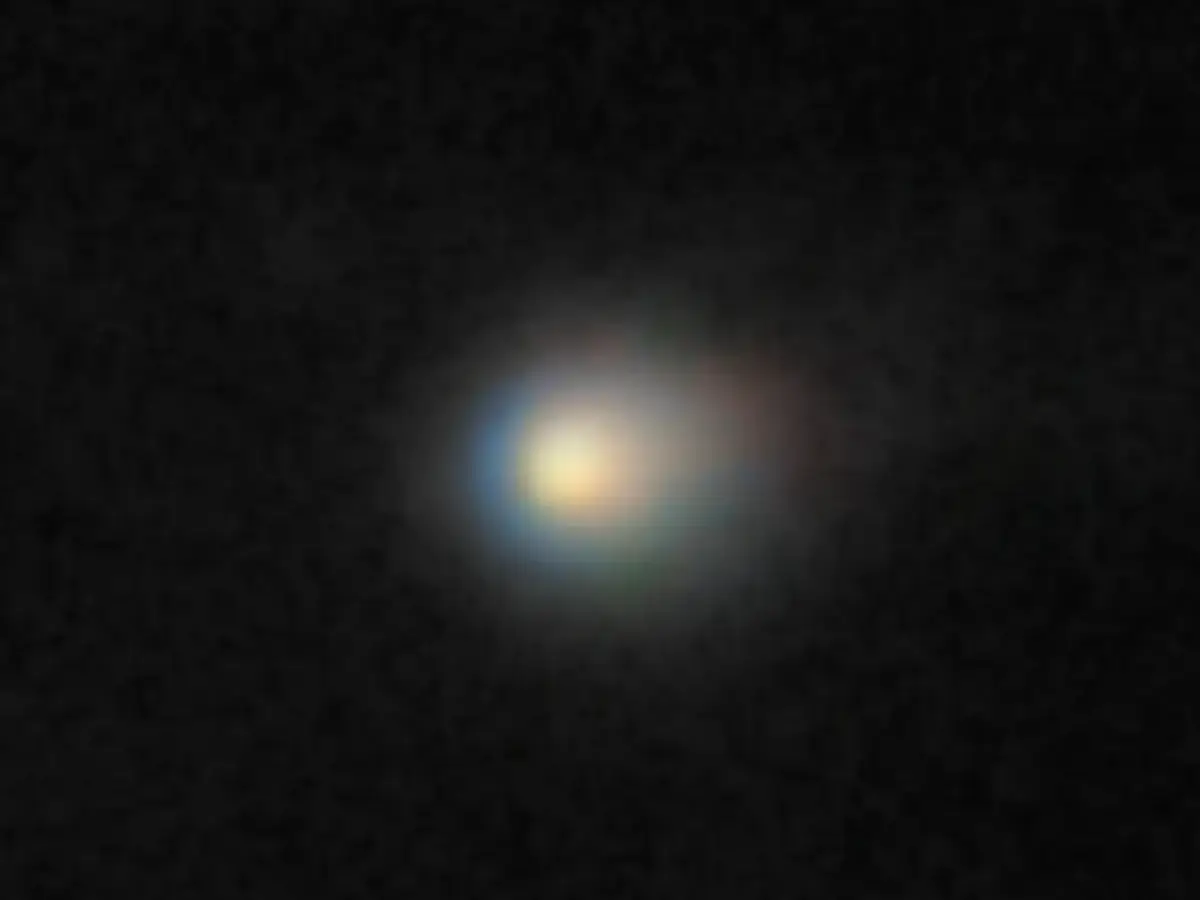
3I/ATLAS speeds up
Fresh data from NASA also shows that 3I/ATLAS suddenly sped up near the Sun and shifted away from our star. While NASA thinks this happened because of the Sun's gravity, other scientists are trying to figure out what really happened that led the comet to change path.
)
)
)
)
)