3I/ATLAS live tracker: How to watch the comet’s cosmic journey through space

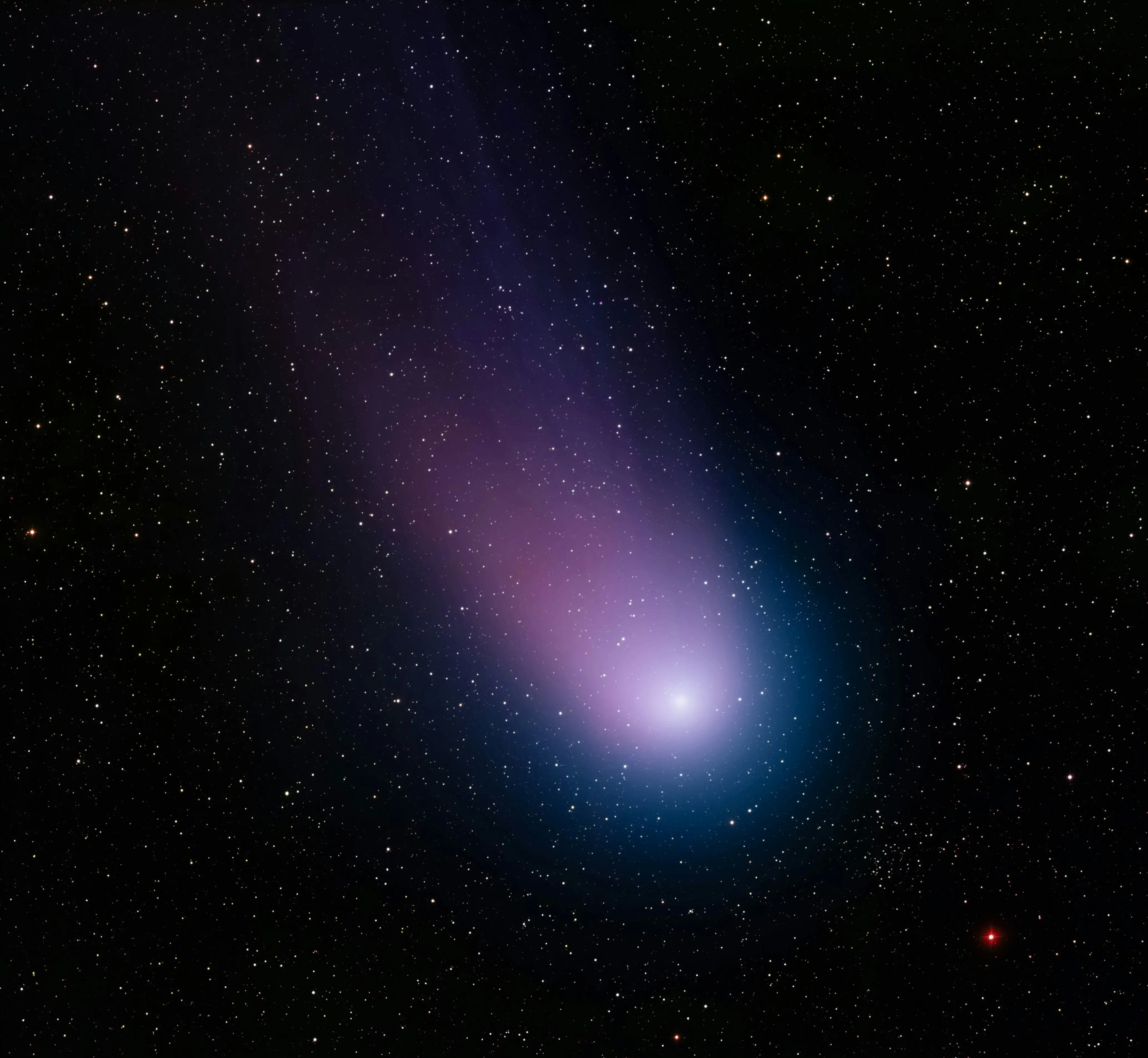
As 3I/ATLAS approaches the Sun, it will heat up, causing its icy nucleus to release gas and dust, forming a glowing coma and a visible tail.

1. What Is 3I/ATLAS?
3I/ATLAS, also known as C/2025 N1, is the third known interstellar object to enter our Solar System. Discovered in 2024 by the ATLAS survey in Hawaii, it has a hyperbolic orbit, confirming its extra-solar origin. The comet is currently passing through the constellation Octans, located in the southern sky. It will make its closest approach to the Sun in October 2025, offering a unique opportunity for observation.
2. How to Track 3I/ATLAS in Real Time
To follow the comet's journey, several online tools provide live tracking:
TheSkyLive: Offers real-time position data, sky charts, and ephemerides for 3I/ATLAS. You can access the live position tracker here:
Star Walk 2: A mobile app that allows you to point your device at the sky to identify celestial objects, including 3I/ATLAS. Simply search for "C/2025 N1" within the app.
Sky Tonight: Another mobile app that provides interactive sky maps and allows you to track 3I/ATLAS's position over time. Search for "C/2025 N1" to locate the comet.

3. Best Times to Observe
3I/ATLAS is currently located in the southern sky, making it best visible from the Southern Hemisphere. However, observers in the Northern Hemisphere can still catch glimpses of the comet during its closest approach. The best times to observe are during the early morning hours, just before dawn, when the sky is darkest. Use the aforementioned apps to determine the comet's position relative to your location.
4. What to Expect
As 3I/ATLAS approaches the Sun, it will heat up, causing its icy nucleus to release gas and dust, forming a glowing coma and a visible tail. The comet's brightness is expected to increase, potentially making it visible to the naked eye under dark skies. Observers can expect to see a faint, greenish glow with a tail stretching across the sky.

5. Tools You’ll Need
Binoculars or a Telescope: While 3I/ATLAS may become visible to the naked eye, binoculars or a small telescope will enhance the viewing experience.
Sky Map or App: Use a sky map or one of the apps mentioned above to locate the comet's position in the sky.
Dark Sky Location: Find a location away from city lights to reduce light pollution and improve visibility.

6. Mark Your Calendar
Key dates to watch for include:
October 2025: Closest approach to the Sun.
Late 2025: Best viewing opportunities as the comet becomes brighter.
Keep an eye on updates from astronomical organizations for precise dates and visibility forecasts.

7. Stay Updated
For the latest information on 3I/ATLAS, including updates on its brightness and position, visit:
NASA's Planetary Defense Coordination Office: Provides updates on Near-Earth Objects and comets.
TheSkyLive: Offers real-time data and sky charts for 3I/ATLAS.
)
)
)
)
)