Latest bizarre observations of interstellar comet 3I/ATLAS explained

Interstellar comet 3I/ATLAS latest update: Some more strange observations about the comet have come to light. Earliest pictures show no coma, while it is not releasing water like a fire hose. What's going on with this visitor from outside the solar system?
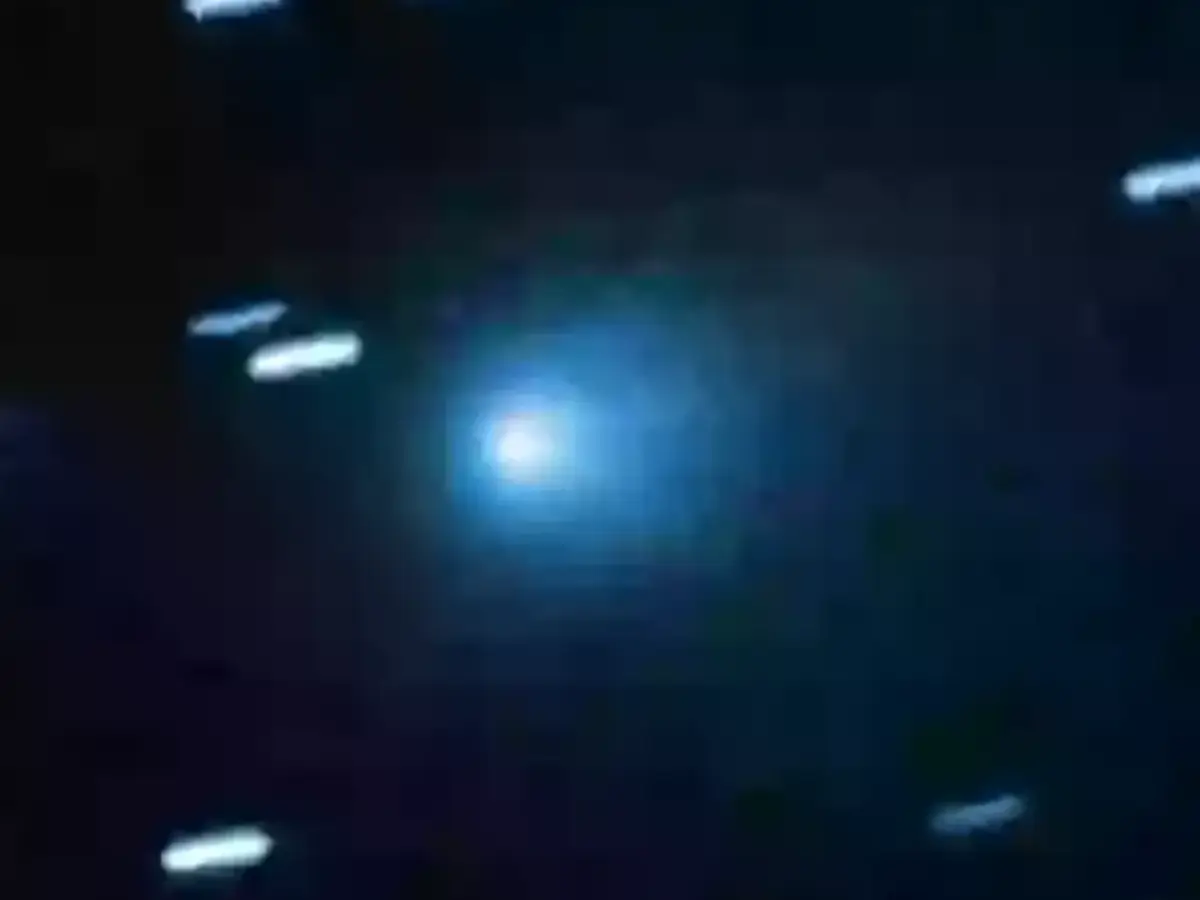
Recent bizarre observations made about 3I/ATLAS
Interstellar comet 3I/ATLAS is breaking all known rules. It has been acting strangely ever since it was officially discovered on July 1. When scientists revisited the data from other telescopes, they discovered even more bizarre occurrences. It recently flew by Mars in early October, and two pictures were released, and both featured something strange.
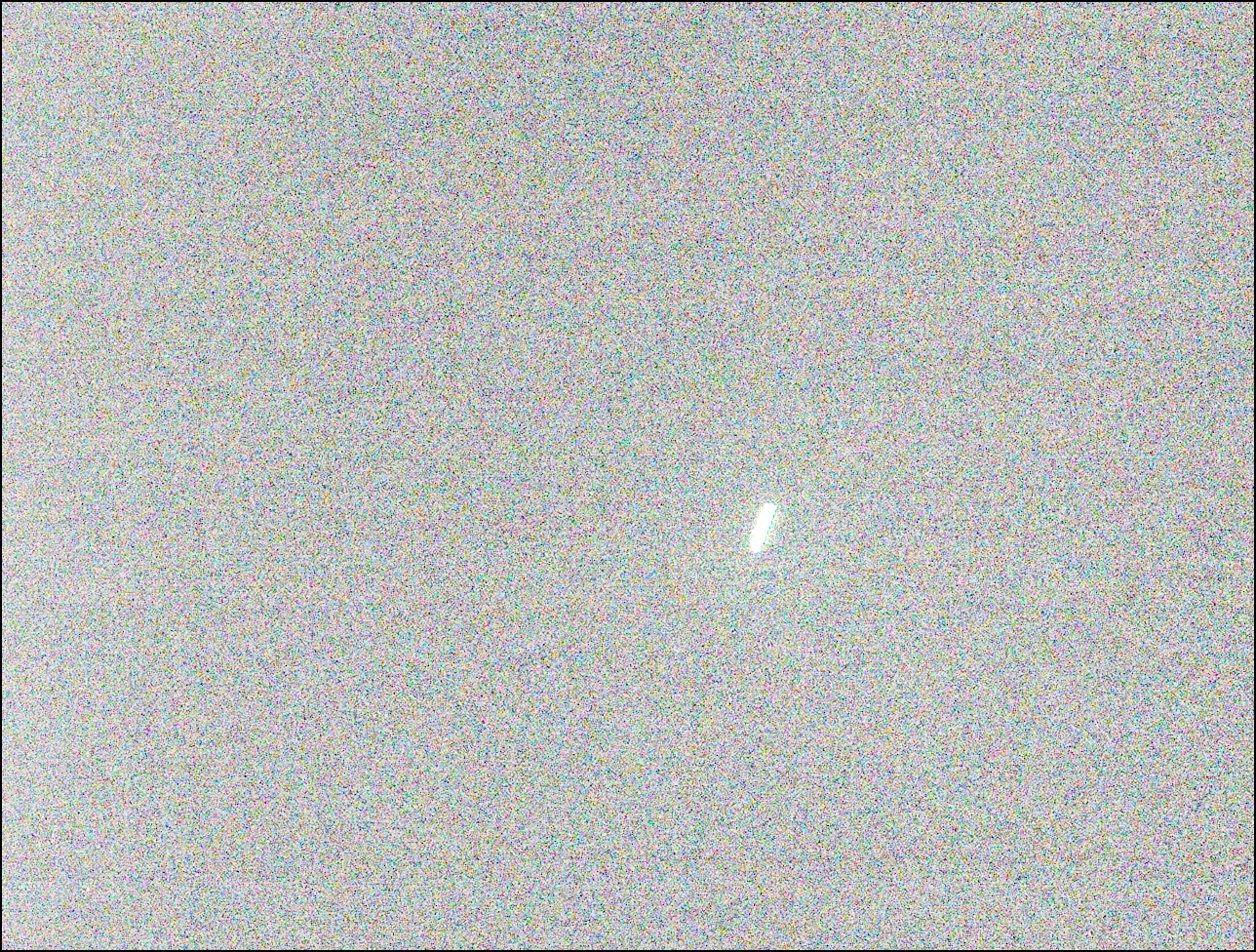
3I/ATLAS photo from Mars
A picture released by NASA and claimed to be of 3I/ATLAS, showed a white cylindrical object flying over Mars. The image was captured by the Perseverance rover. The bright object triggered panic on social media, since it clearly showed a straight object shining brightly.
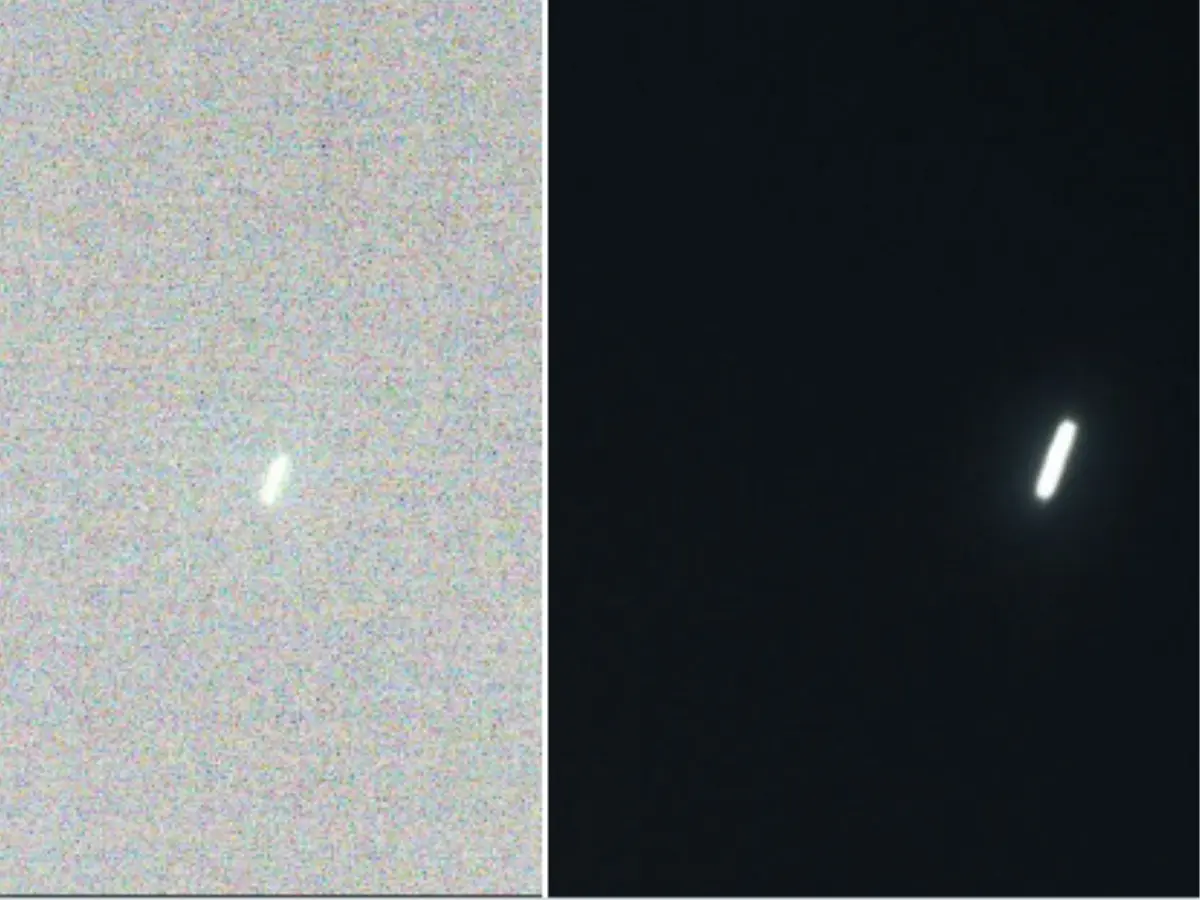
Explanation - 3I/ATLAS likely only appears elongated because of stacking of images
A user on X wrote, "A perfect glowing cylinder drifting across the Martian sky. No dust plume. No fragmentation. Just… structure." The photo was taken from a distance of about 38 million kilometres from Mars by the Navcam on the Perseverance rover. Harvard professor Avi Loeb thinks the object appears elongated because hundreds of pictures taken by the NAVCAM were stacked over a total time interval of about 10 minutes.
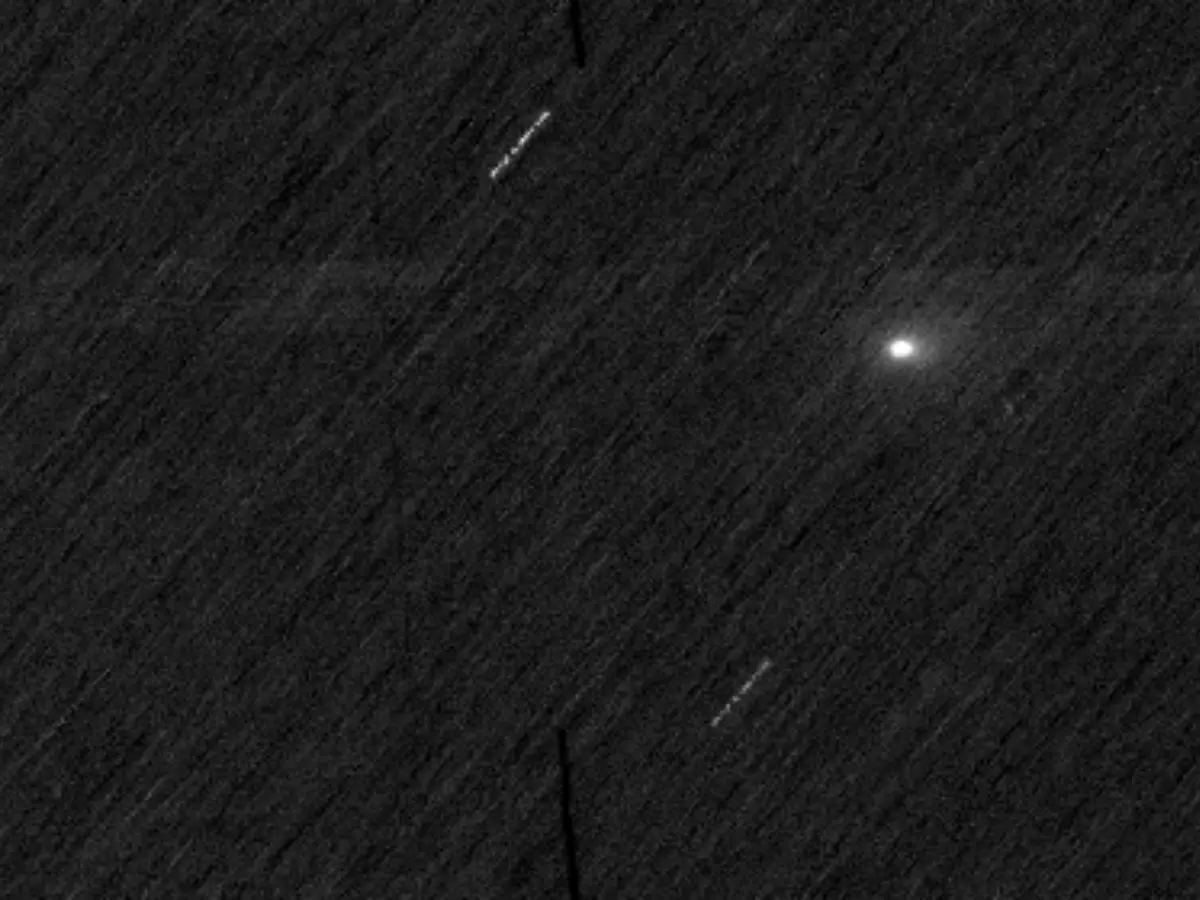
3I/ATLAS photo taken by ESA's ExoMars (TGO) showed no tail
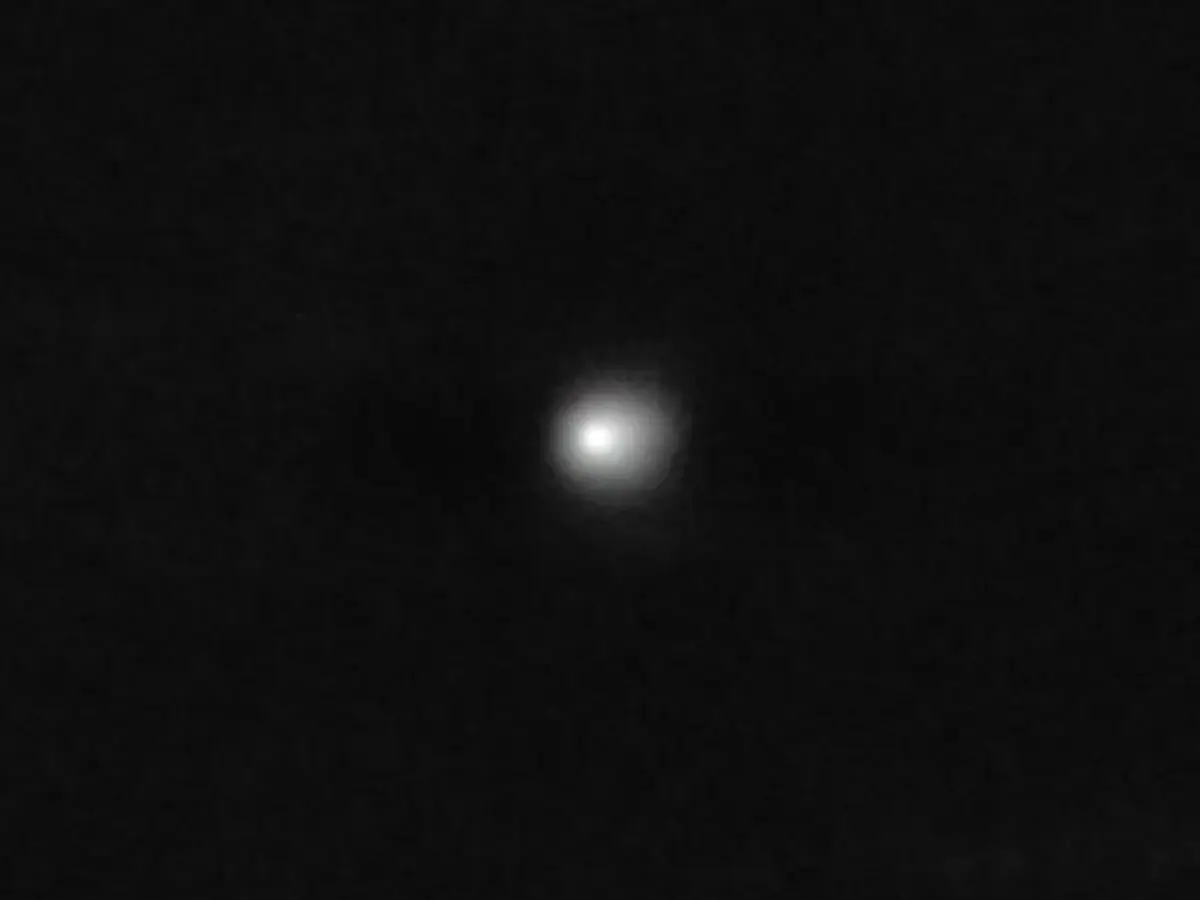
The European Space Agency later released photos of 3I/ATLAS taken by its Mars orbiter ExoMars (TGO). It captured a white ball of light zooming through space from a distance of 30 million km. “This dot is the centre of the comet, comprising its icy-rocky nucleus and its surrounding coma,” the ESA wrote.
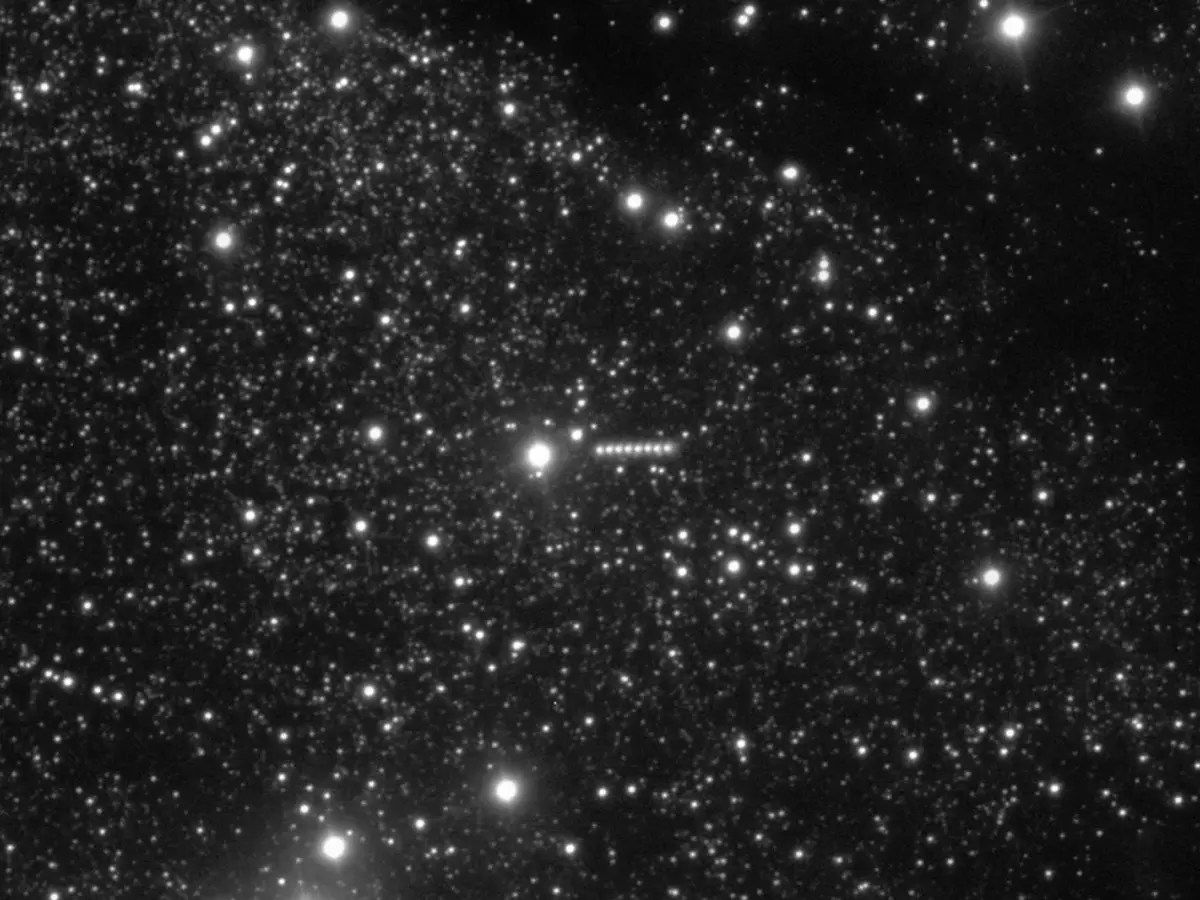
Explanation - ESA said the 3I/ATLAS tail was quite dim, and so could not be captured
The space agency said the orbiter could not capture the nucleus because it was only about a kilometre wide, but TGO captured a bright coma. However, there was no cometary tail. Comets typically have millions of kilometres long tails as they move towards the Sun. But in the case of 3I/Atlas, ESA said the tail was much dimmer than the coma, and so could not be photographed.
3I/ATLAS is releasing water like a "fire hose"
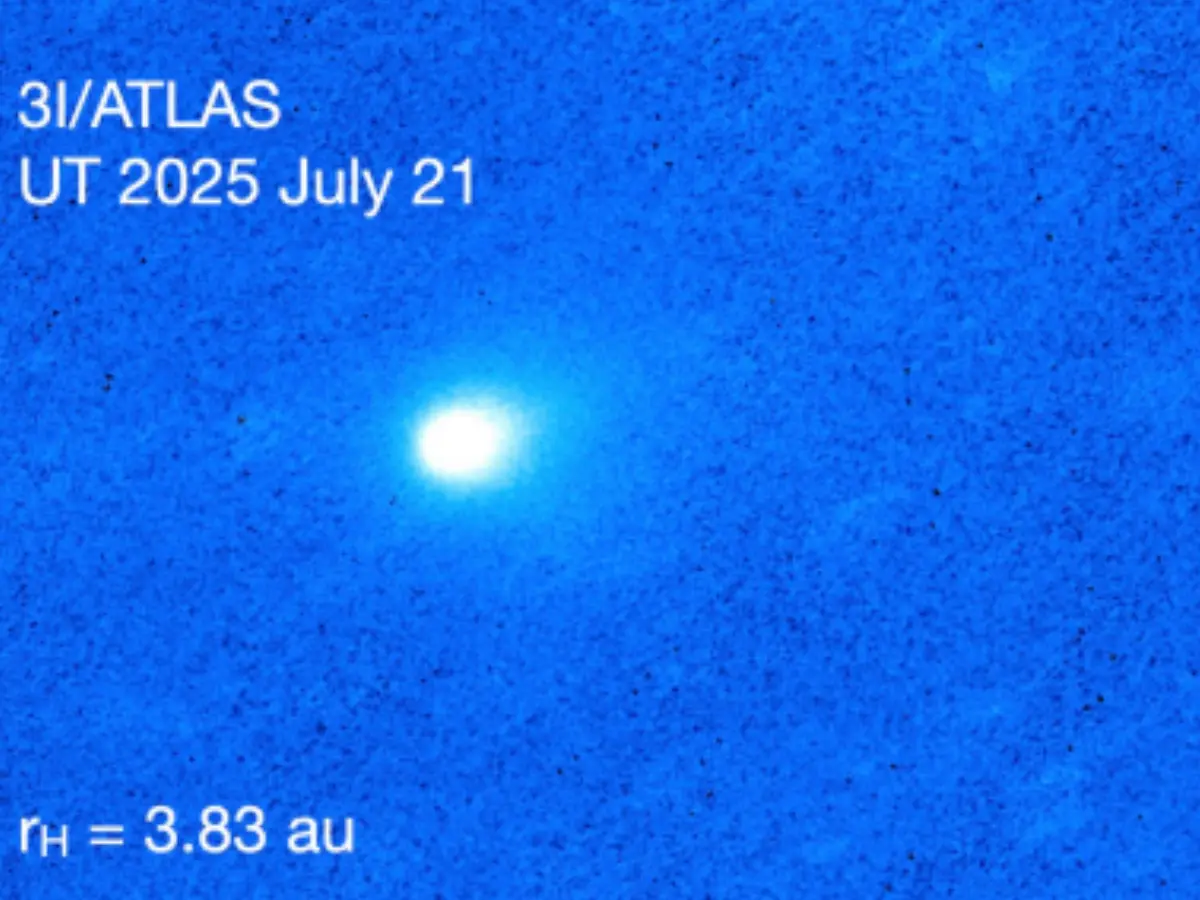
Another strange observation recently made about 3I/ATLAS is that it is releasing water like a "fire hose running at full blast". Scientists at NASA's Neil Gehrels Swift Observatory spotted 3I/ATLAS in July and August 2025, at a distance of about 2.9 times farther from the sun than Earth. This is far beyond the point at which water ice typically vapourises.
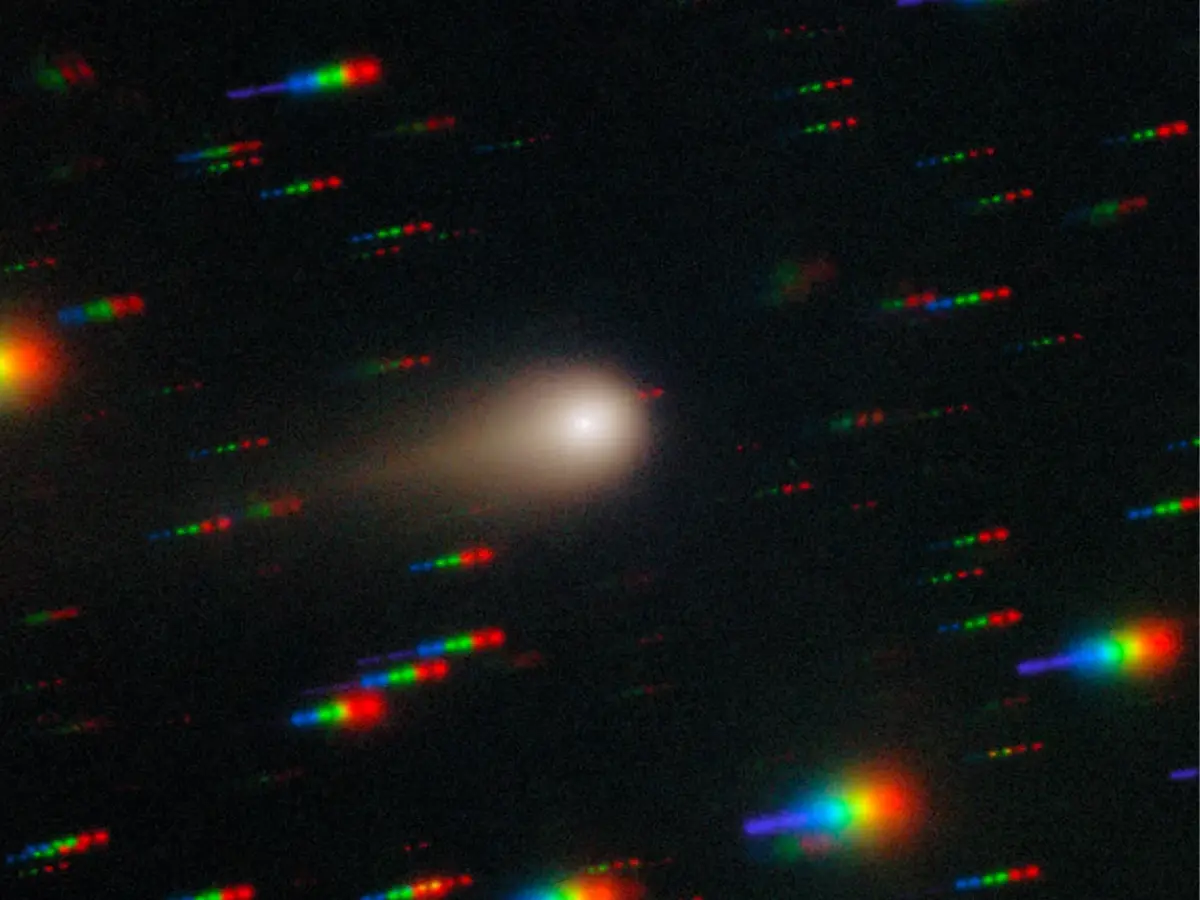
Explanation - Water released is icy debris and not from the surface of 3I/ATLAS
But, 3I/ATLAS was found to be losing water at a rate of roughly 40 kilograms per second. This led them to conclude in the October study that at least 8 per cent of the comet's surface must be active, when this number in typical comets is only around 3% - 5%. The authors say this is happening not from its solid surface, but by icy debris drifting around it.
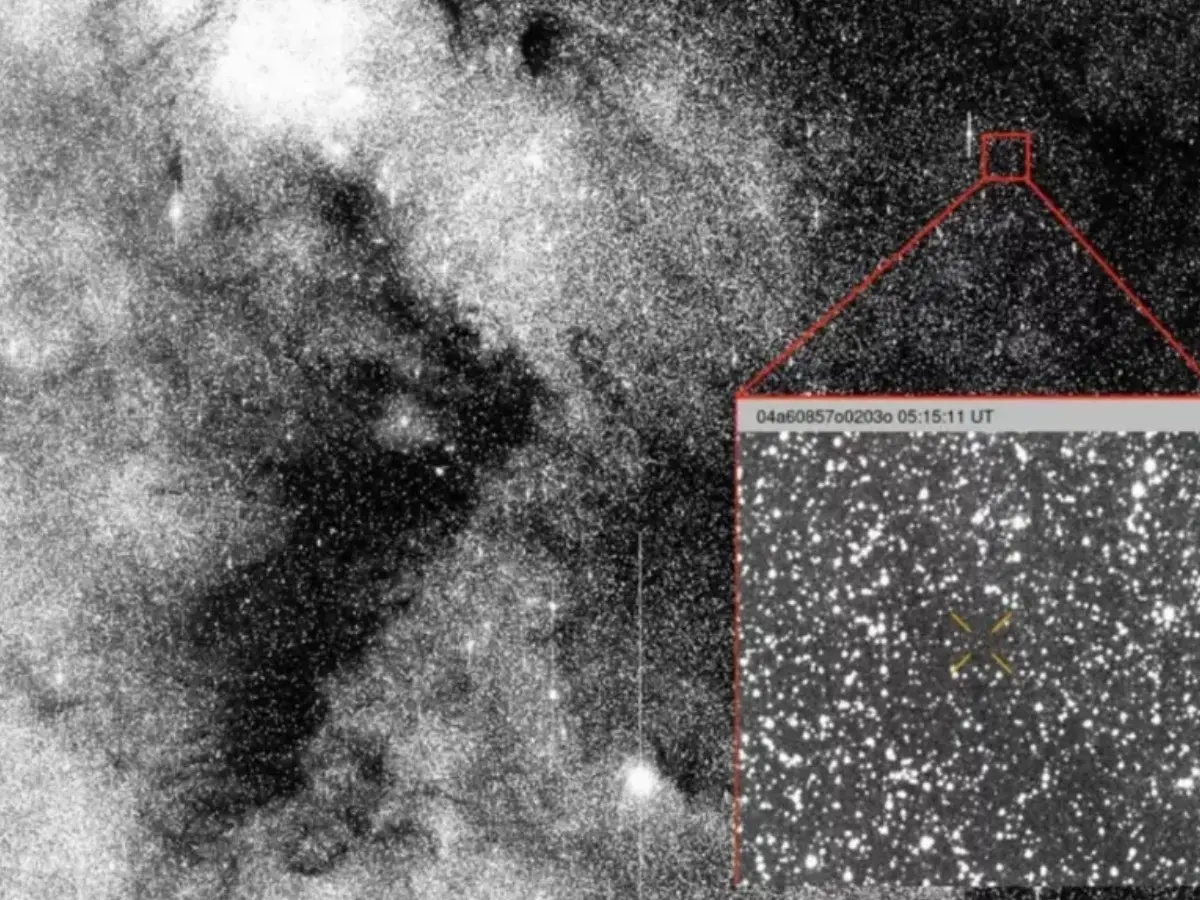
NASA's TESS did not see a coma around 3I/ATLAS
Scientists from the American Astronomical Society (AAS) observed precovery images of 3I/ATLAS taken by NASA's Transiting Exoplanet Survey Satellite (TESS) in May-June. The aim was to look for a coma, but there was none. In their paper, the researchers stated that "a faint extended coma" was only seen in follow-up observations after July 1, when TESS was no longer looking at 3I/ATLAS.
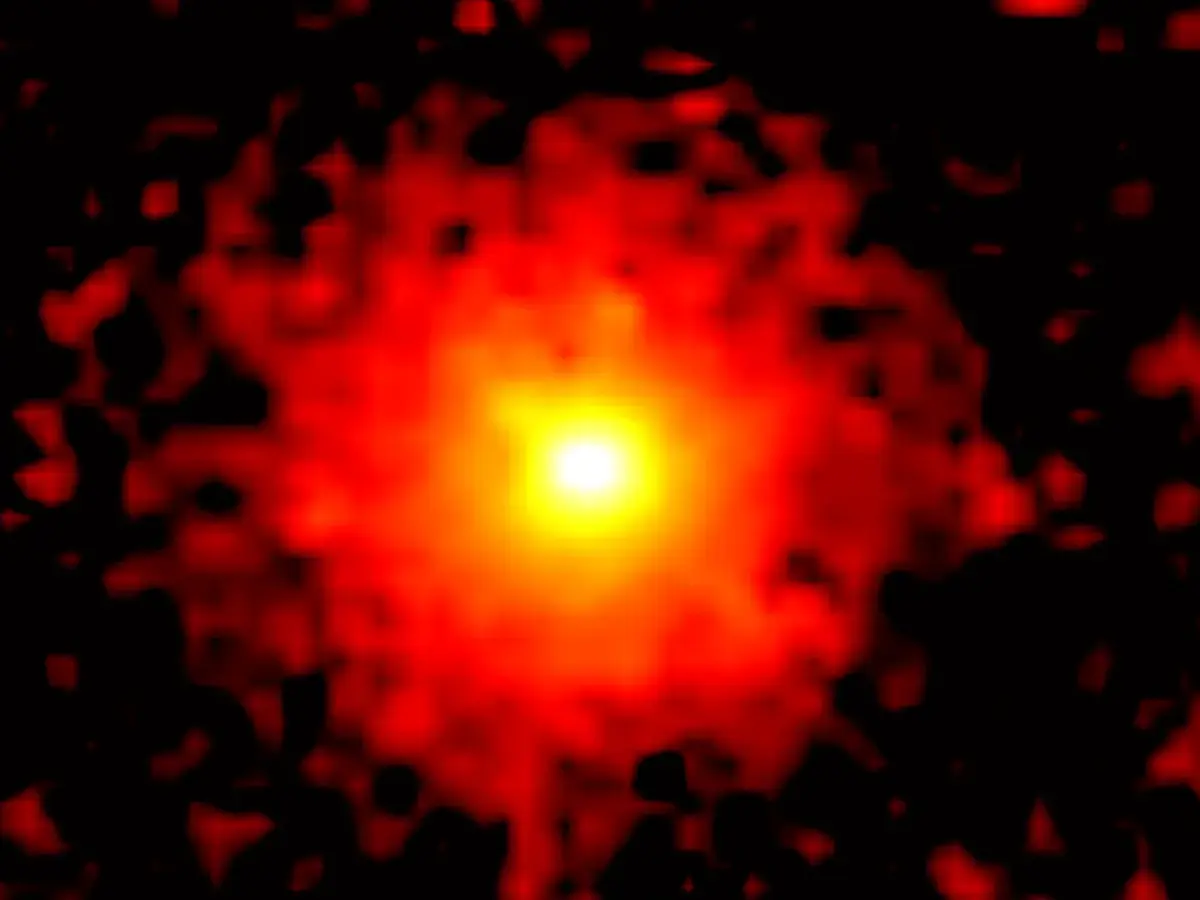
Explanation - TESS was only looking at 3I/ATLAS for 20 days and any gas or dust emitted later could not be captured
TESS had recorded 3I/ATLAS over 20 days between May 7 and June 1. To detect the coma, thousands of frames of images taken by TESS were co-added to produce a very deep image. They found that the profiles of the alien comet are comparable to those of the four asteroids, "indicating that there is no extended coma detected." However, the researchers say that this does not mean that 3I/ATLAS was inactive at the time of the TESS observations since "any gas or dust emitted in late May would not be expected to produce an extended coma in the TESS observations."
Nickel emission but no evidence of iron
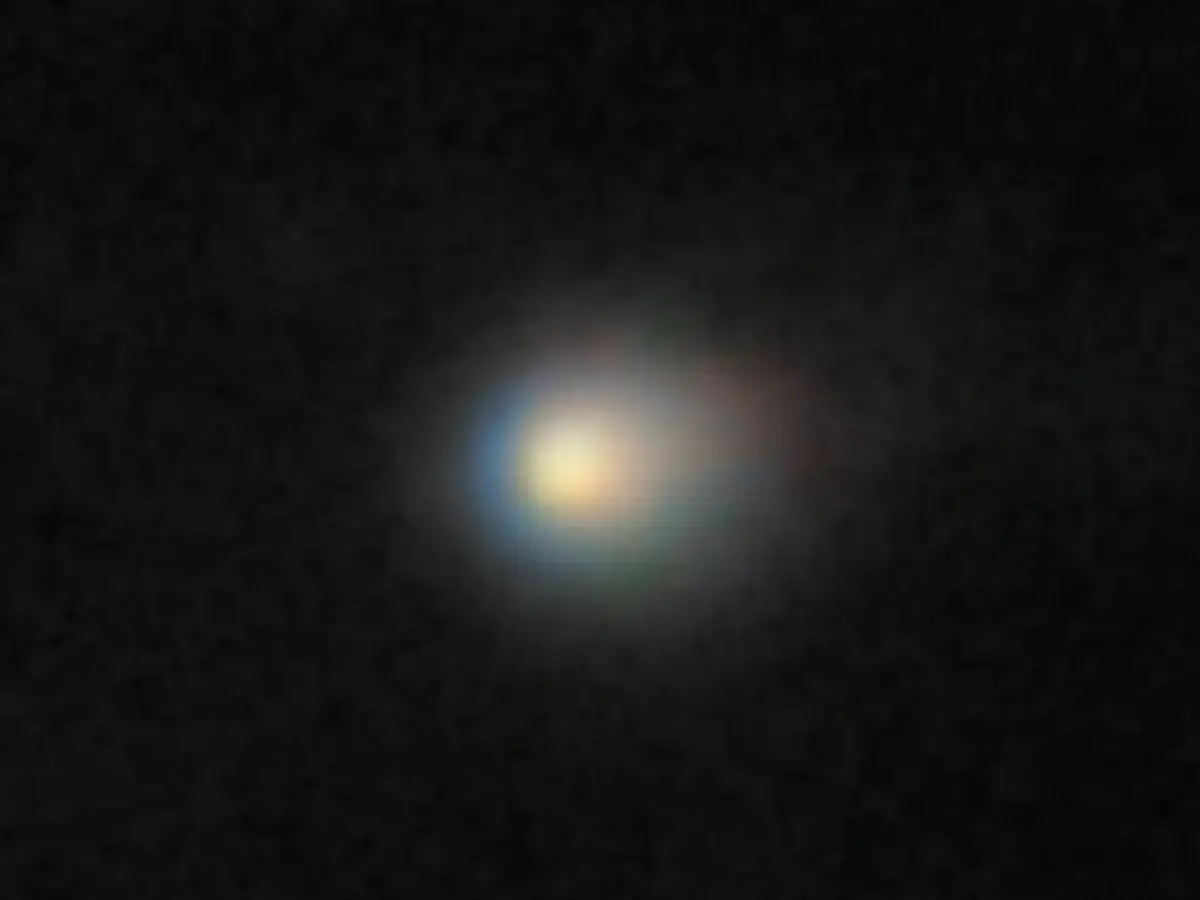
On October 15, a new paper flagged a prominent nickel emission but no evidence for iron in 3I/ATLAS, citing observations made by the Keck observatory in Hawaii on August 24, 2025. Harvard scientist Avi Loeb says no known comets, either from within the solar system or interstellar, have ever had this happen.
Explanation - The nickel and no iron anomaly remains unexplained
He says this anomaly was only known to exist in industrially produced nickel alloys. The emissions by the surrounding gas plume have a huge radius of 600 kilometres for nickel and 840 kilometres for cyanide, the paper states. "The production rate of nickel relative to cyanide is higher than in 2I/Borisov and orders of magnitude above the solar system comet median," the authors wrote.
)
)
)
)
)