3I/ATLAS and telescopes: How scientists are tracking it now

3I/ATLAS, a rare interstellar comet discovered by NASA’s ATLAS telescope, is passing through our solar system for the first and only time. Is being tracked by global telescopes and real-time data systems. New discoveries are happening every week. Know more below.
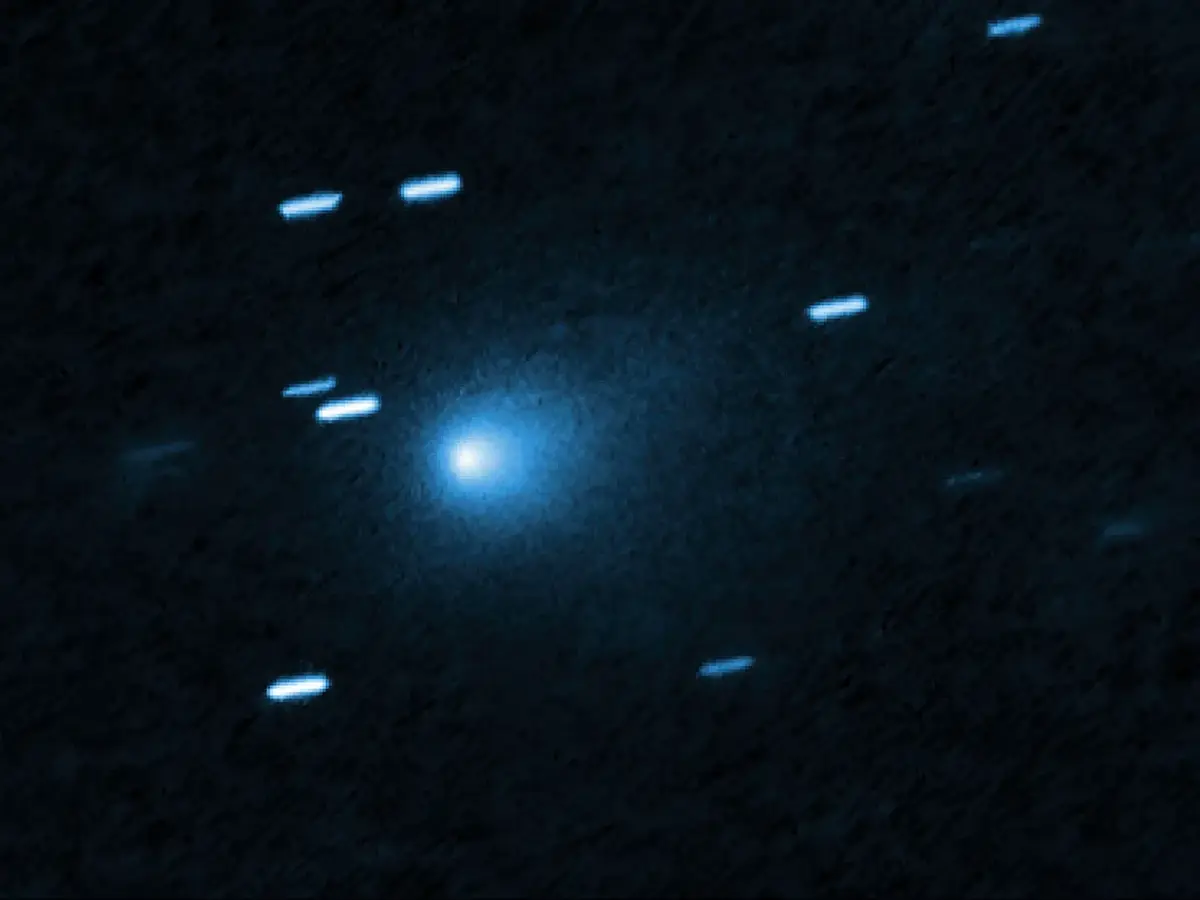
3I/ATLAS - An Interstellar First
3I/ATLAS is only the third object ever seen passing through our solar system from beyond the Sun. Discovered by the NASA-funded ATLAS (Asteroid Terrestrial-impact Last Alert System) telescope in Chile on July 1, 2025, it follows a hyperbolic path, meaning it will not return after its flyby.
Powerful Global Telescope Network
ATLAS is a network of robotic telescopes across Hawaii, Chile, South Africa, and Spain, watching the night sky for moving objects. With large wide-field cameras, these telescopes scan the whole sky several times each night, sending data worldwide for instant analysis.
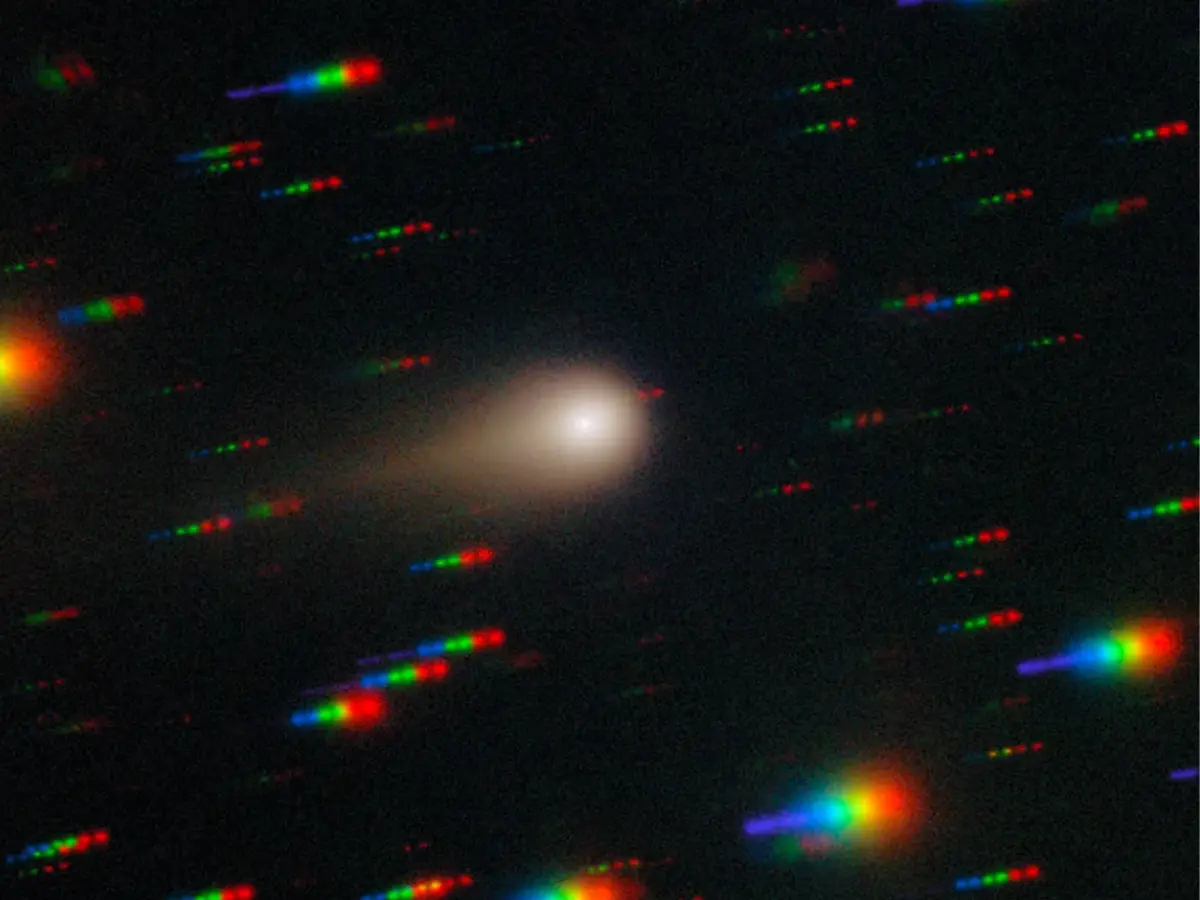
How Scientists Track the Comet
As soon as the first images of 3I/ATLAS appeared, experts used past data, space-based telescopes (like Hubble and Webb), and Mars probes to gather details. Multiple observations help confirm its path, measure its speed, and reveal its brightening coma as sunlight melts its icy surface.
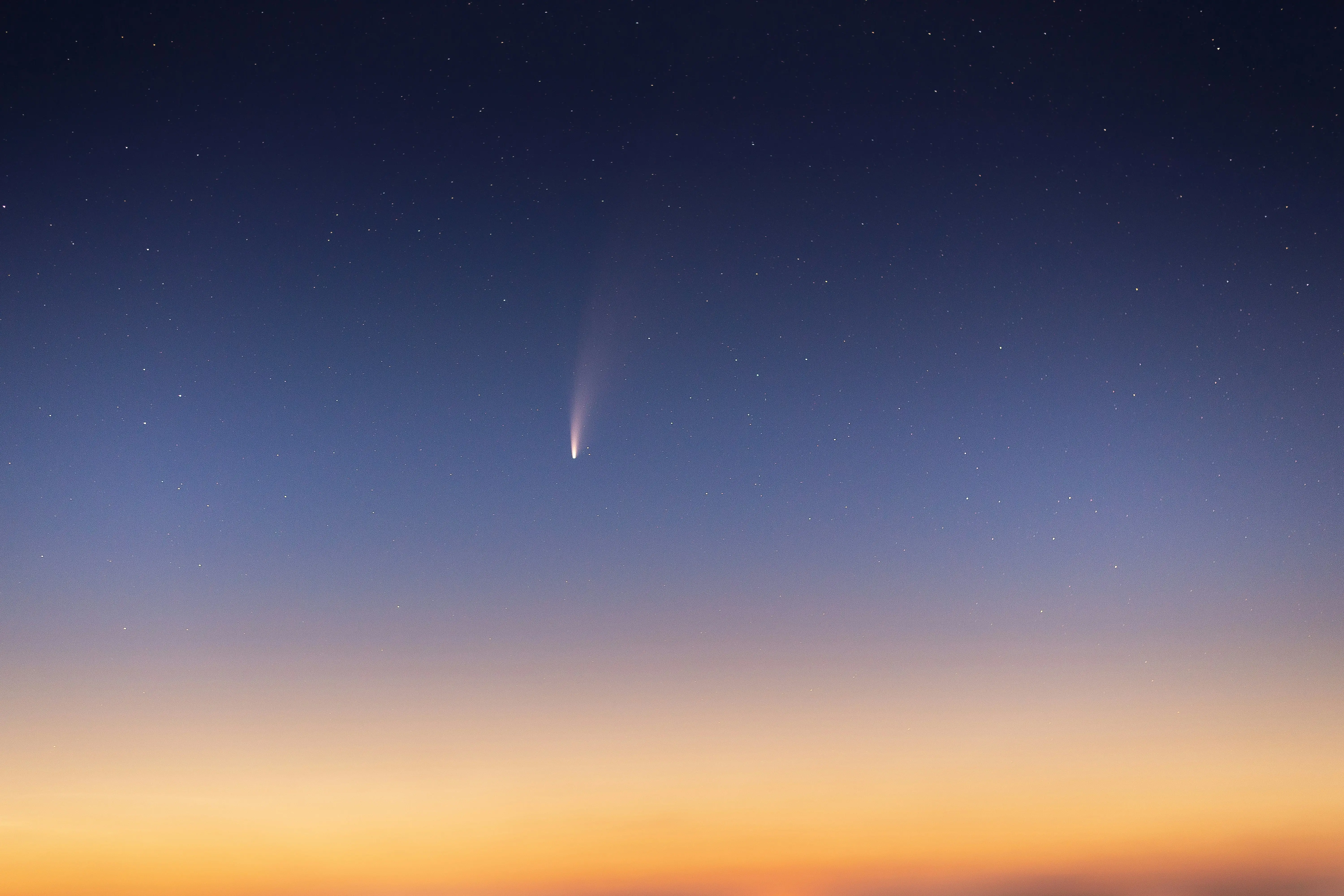
Seeing a Cosmic Traveller Up Close
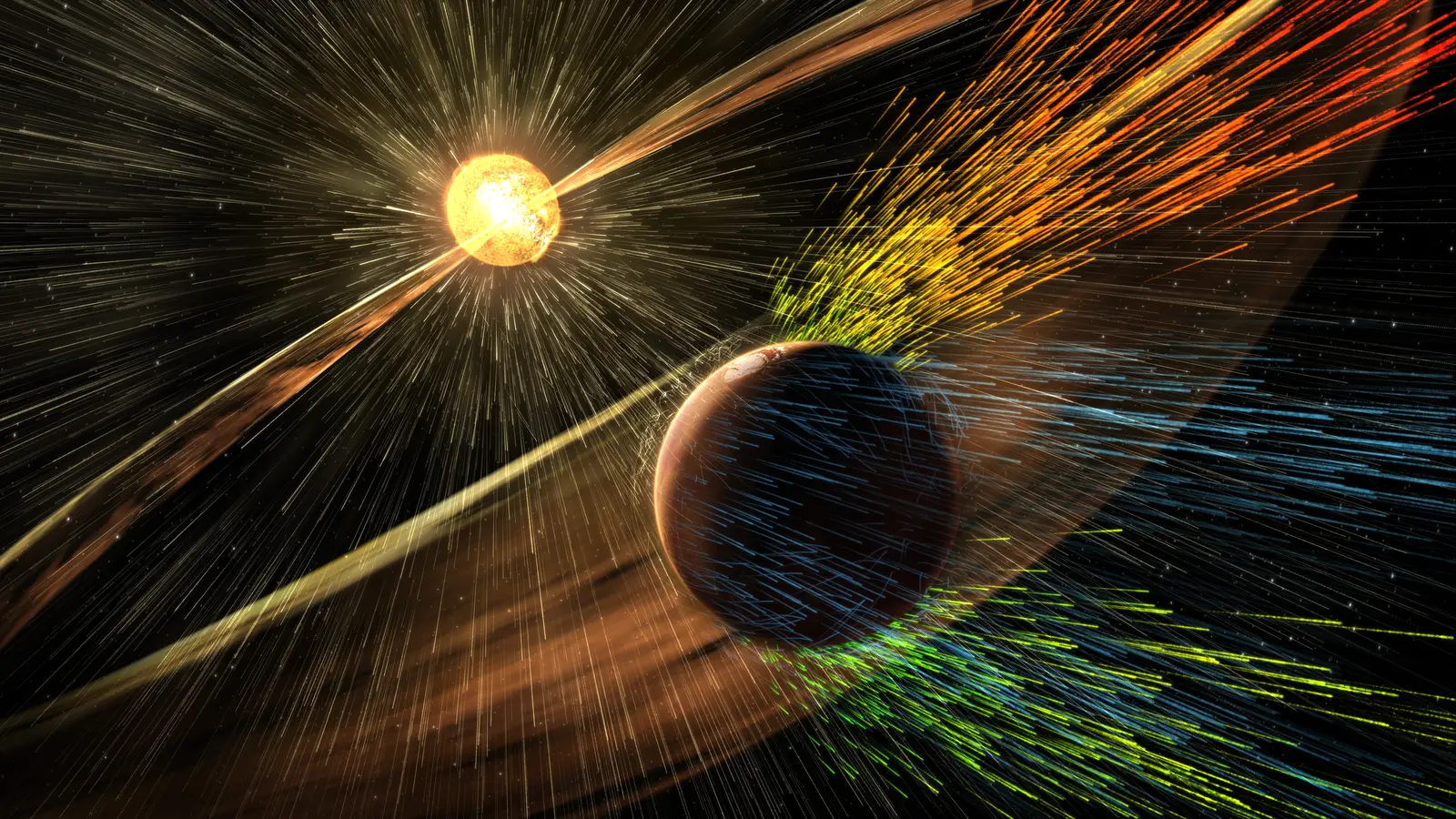
The comet is closest to Mars and the Sun in October 2025, about 130 million miles from the Sun and 1.8 times farther than the Earth. ESA’s Mars orbiters have already imaged its long coma, while NASA crafts wait to capture more data as the comet swings past.
Online Trackers and Real-Time Data
Sites like The Sky Live and NASA’s “Eyes on the Solar System” give anyone real-time maps, expected brightness, and viewing times. These let amateur astronomers and curious readers alike follow 3I/ATLAS as it travels through the night sky, even when it’s too faint for the naked eye.
What Scientists Are Finding
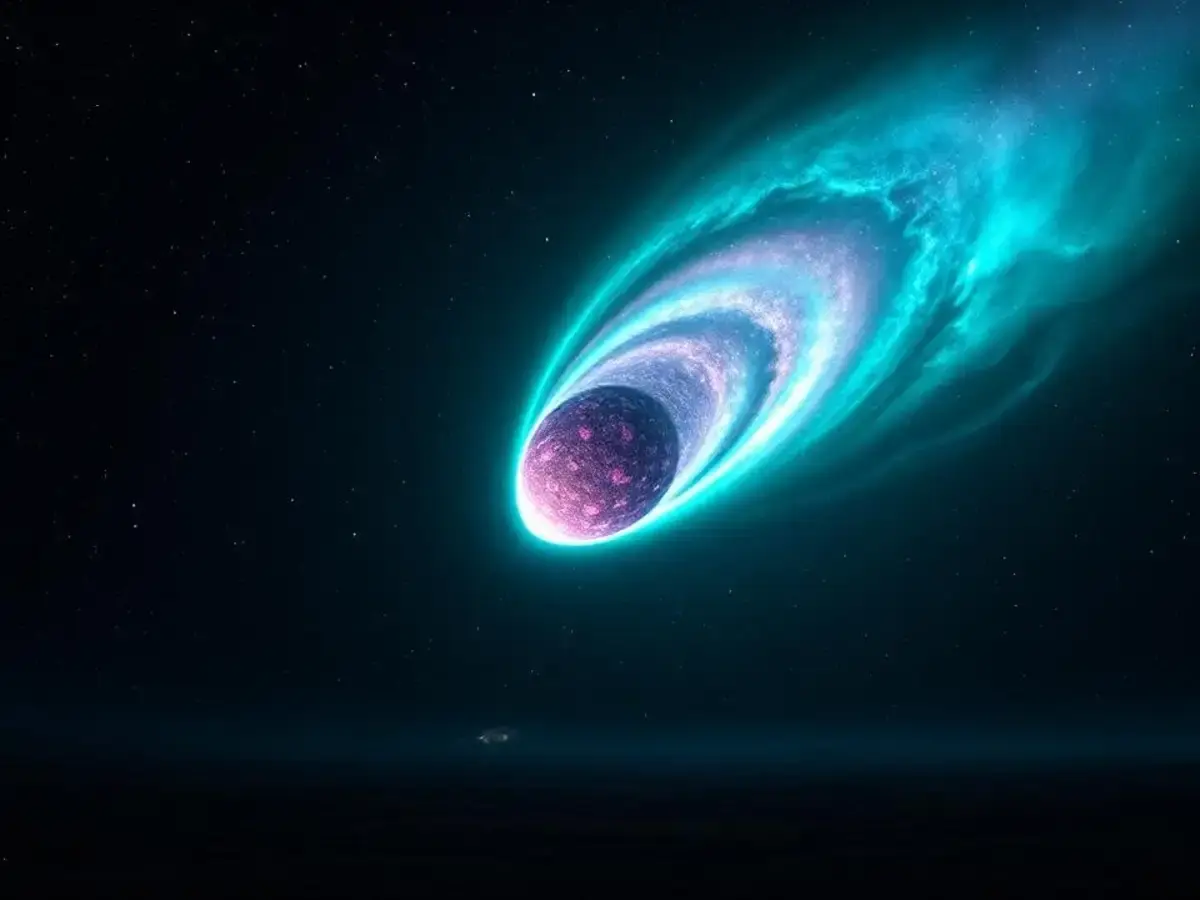
Scientists have measured the comet’s coma as thousands of kilometres wide, found rare gases and molecules with giant telescopes, and tracked signs of mysterious activity. These results help us understand both the comet and the distant place it came from.
The Future - What Will We Learn Next?
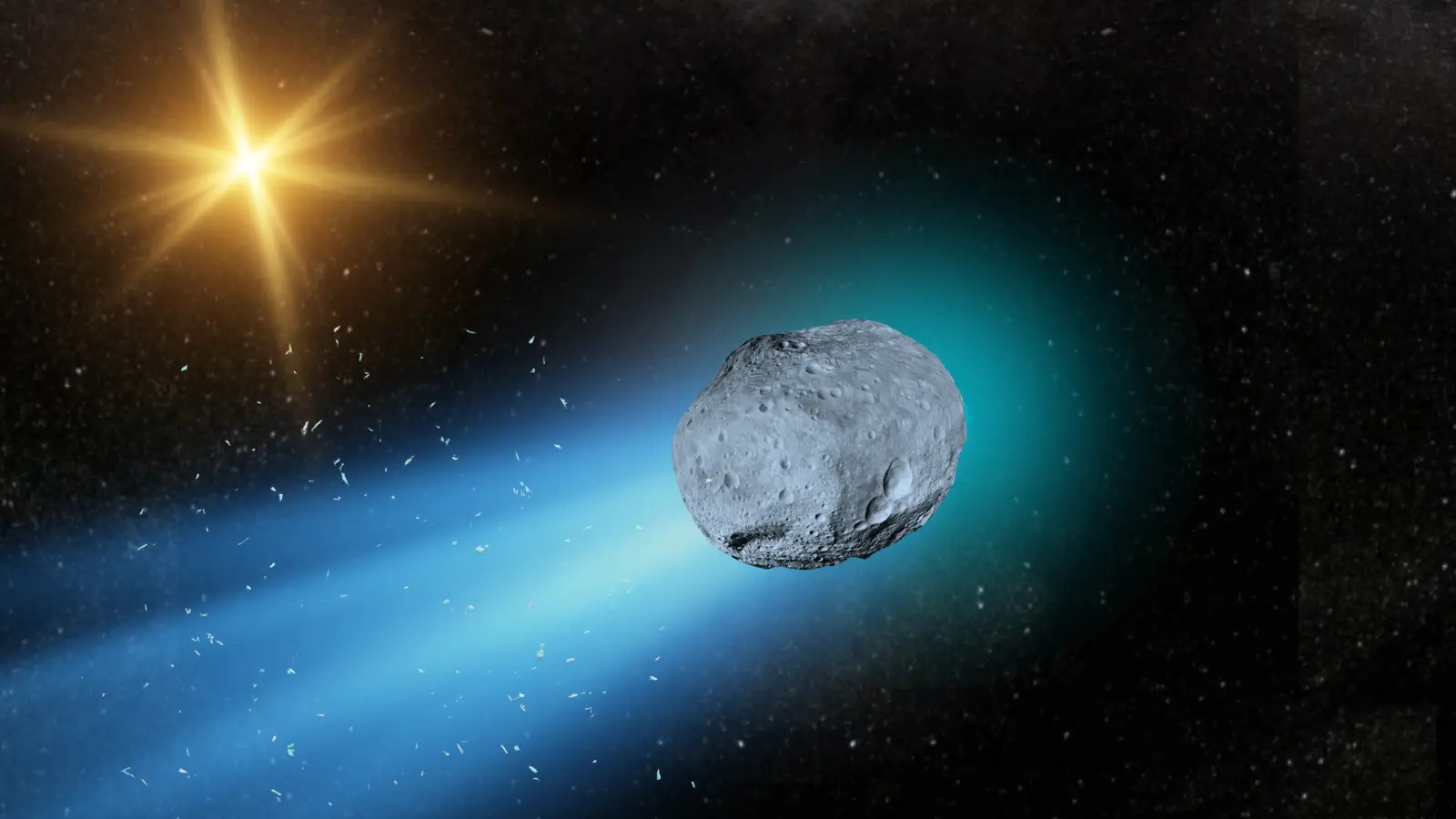
With new telescopes coming online and spacecraft in position, the next months will see even more detailed images and possibly the first close-up studies of a true interstellar comet. Every new observation helps shape our picture of the universe and our cosmic neighbourhood.
)
)
)
)
)