3I/ATLAS and Earth’s safety: Should we really be worried?

The comet 3I/ATLAS has caught the attention of scientists worldwide. 3I/ATLAS, an interstellar comet nearing the Sun and Earth, poses no collision threat. Scientists worldwide track it to learn about its unique features and improve space safety.
What Is 3I/ATLAS?
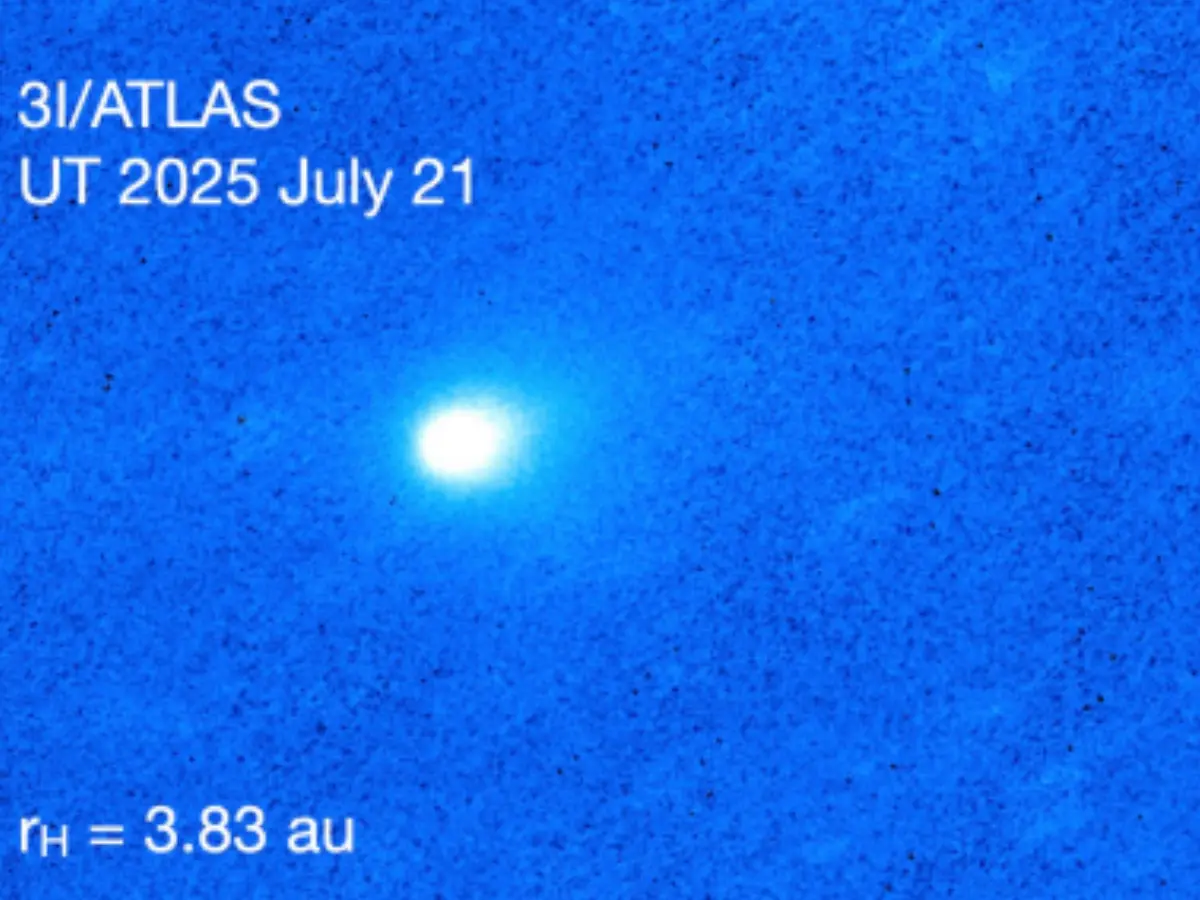
3I/ATLAS is only the third known comet to enter our solar system from outside the Sun. It was first discovered by NASA’s ATLAS telescope in Chile on 1 July 2025. It has a hyperbolic orbit, meaning it will just pass through and never return.
Its Journey Near Earth
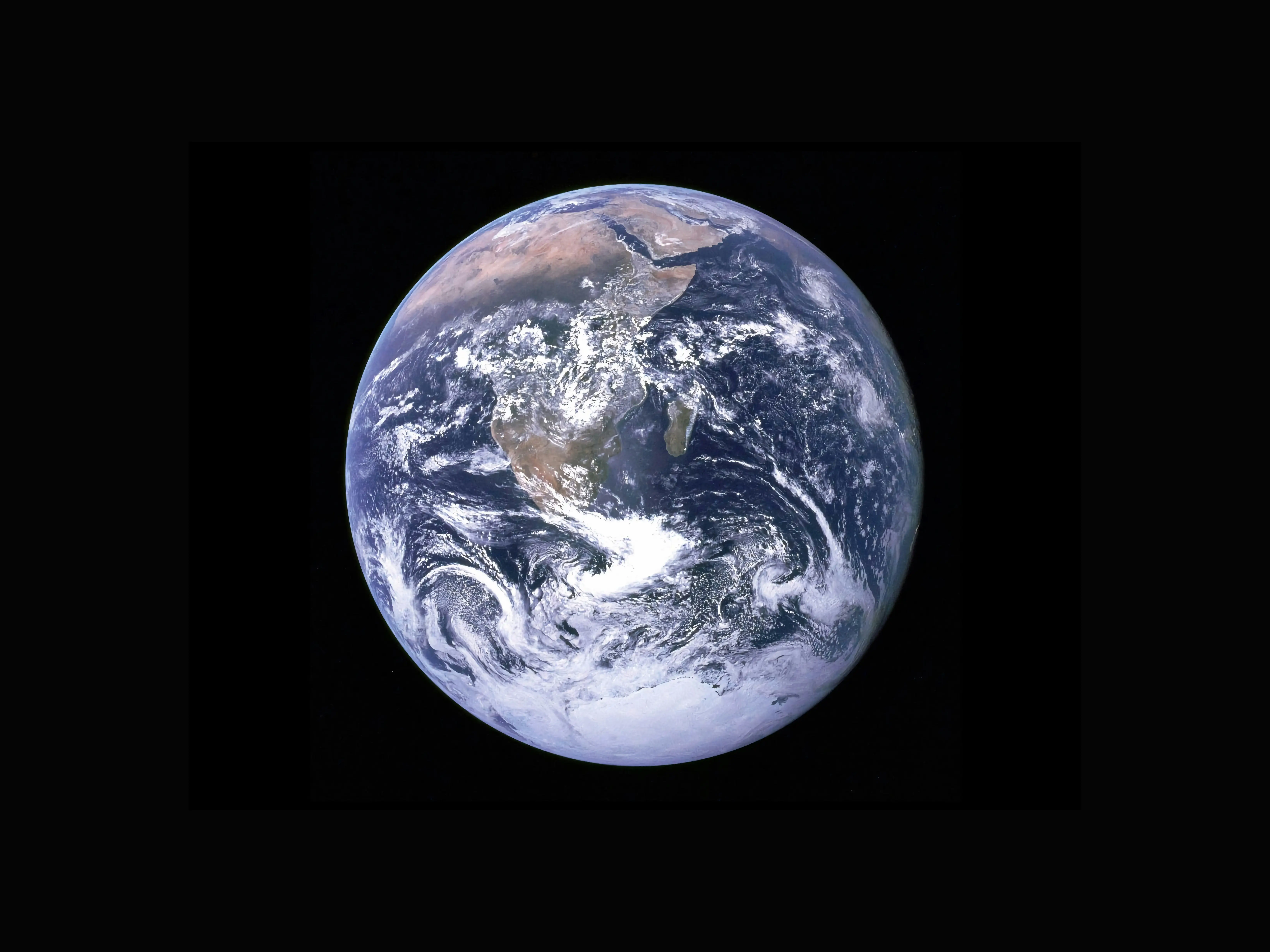
3I/ATLAS will come closest to Earth on 19 December 2025, at a very safe distance of about 1.8 astronomical units (about 270 million km). It is much too far to pose any collision threat.
Approach to the Sun
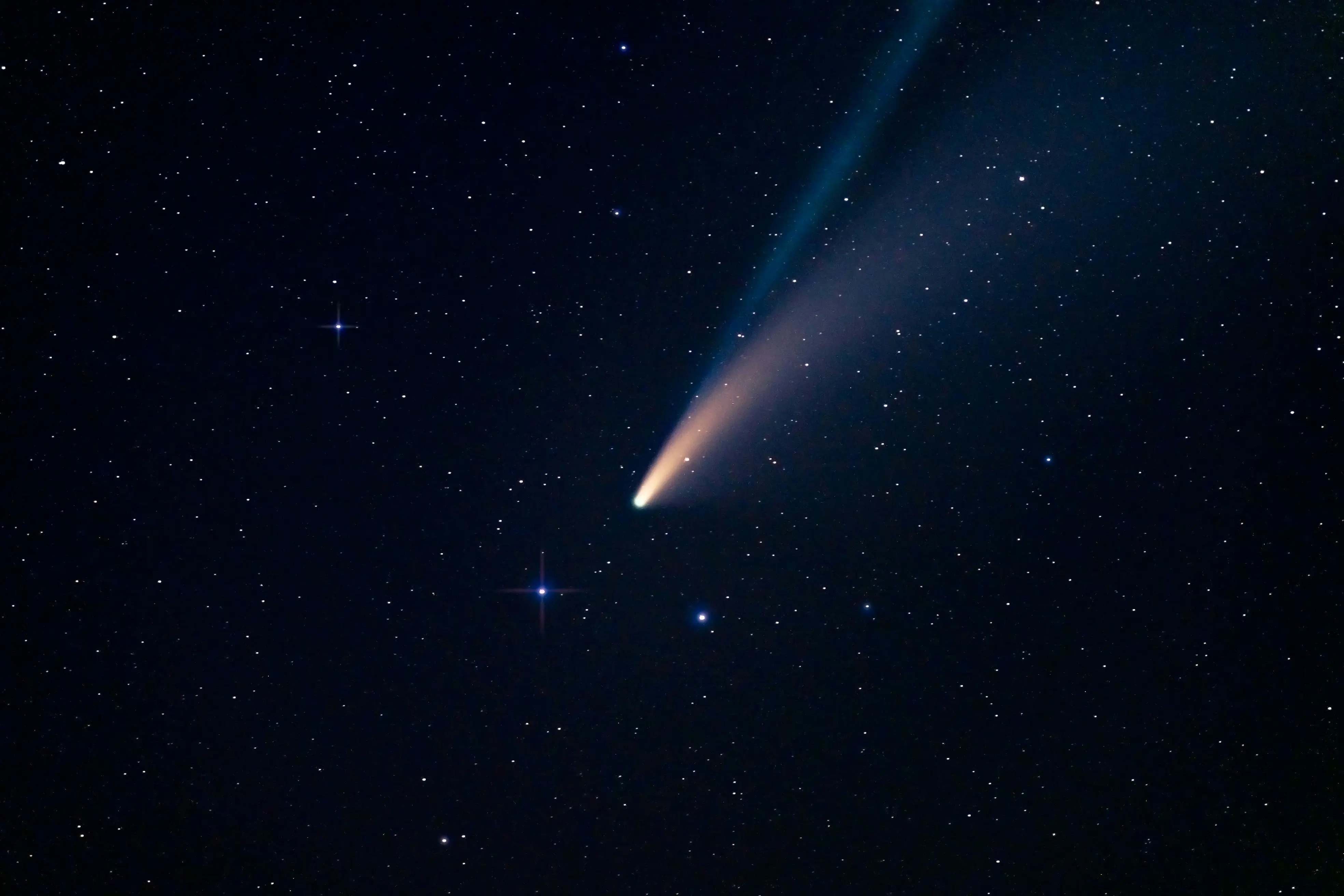
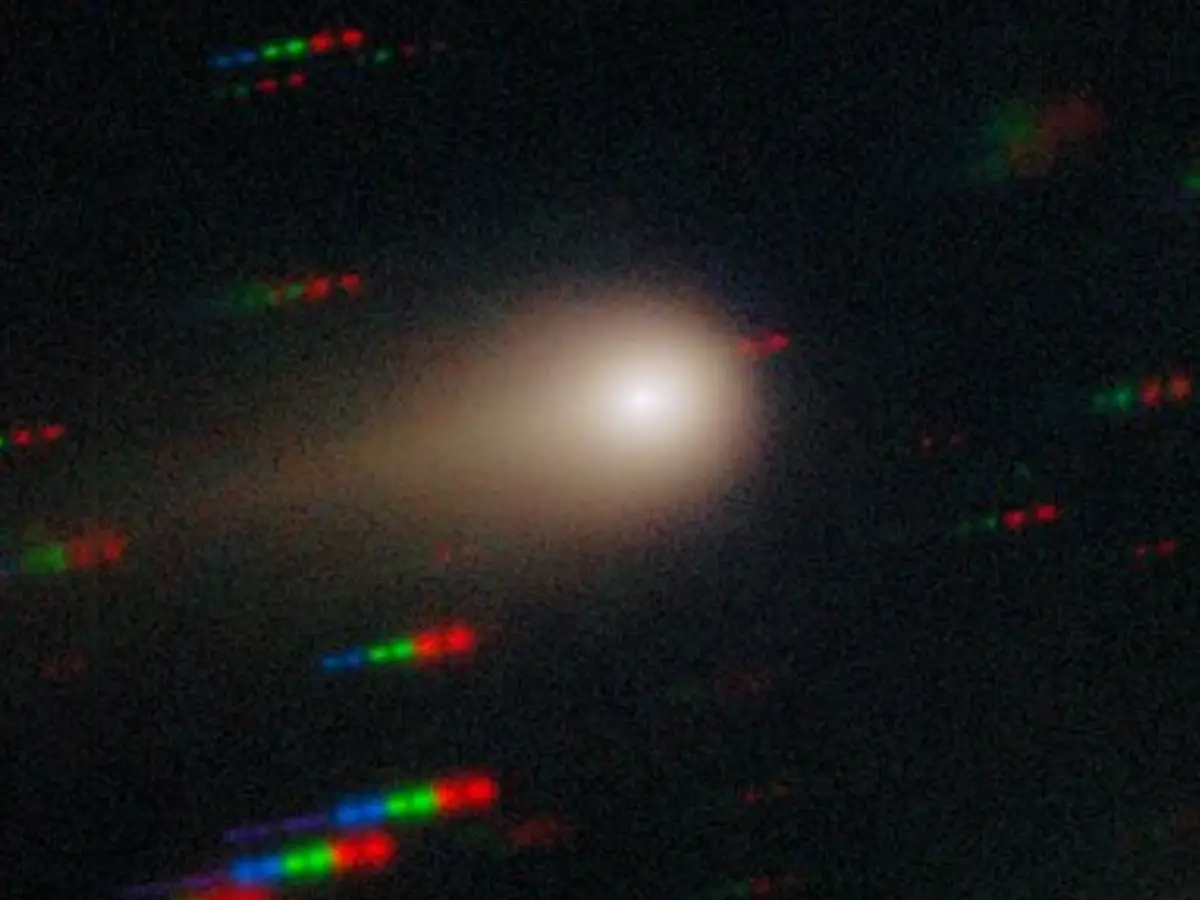
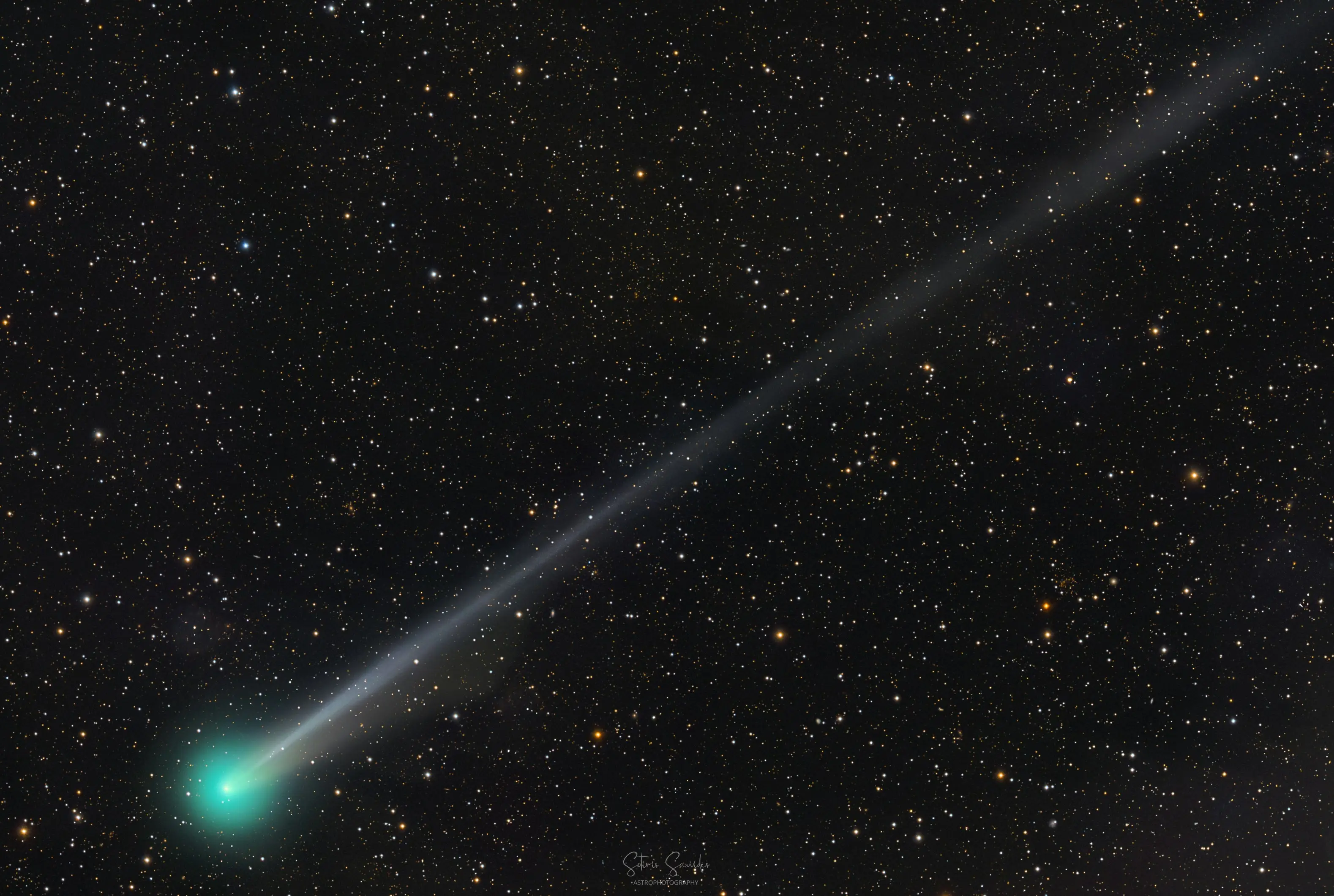
The comet will reach its closest point to the Sun around October 29 - 30, 2025, passing between Earth and Mars. During this time, the Sun’s heat will cause the comet’s icy surface to vaporise, creating a bright coma and long tail.
Why No Threat to Earth?
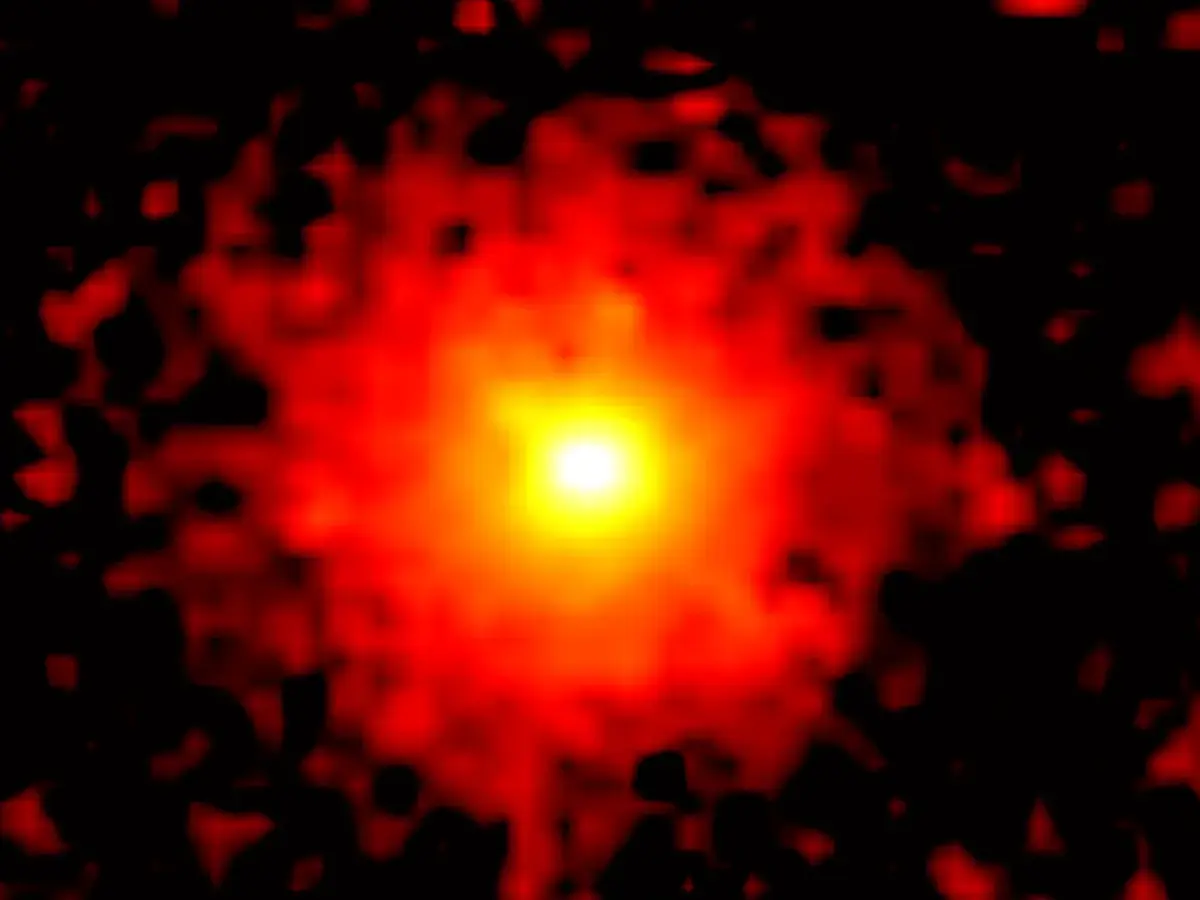
Every potential threat to Earth from space objects is closely monitored by NASA and other agencies. 3I/ATLAS’s path has been carefully calculated and shows zero risk of hitting Earth or any other planets.
Strange Features Creating Curiosity
While the comet is safe, scientists have noticed unusual behaviour. Harvard astrophysicist Avi Loeb suggested a possible non-natural origin, fueling speculation. However, NASA experts confirm the comet is a natural object, and such speculation remains unproven.
Scientists’ Global Monitoring Efforts
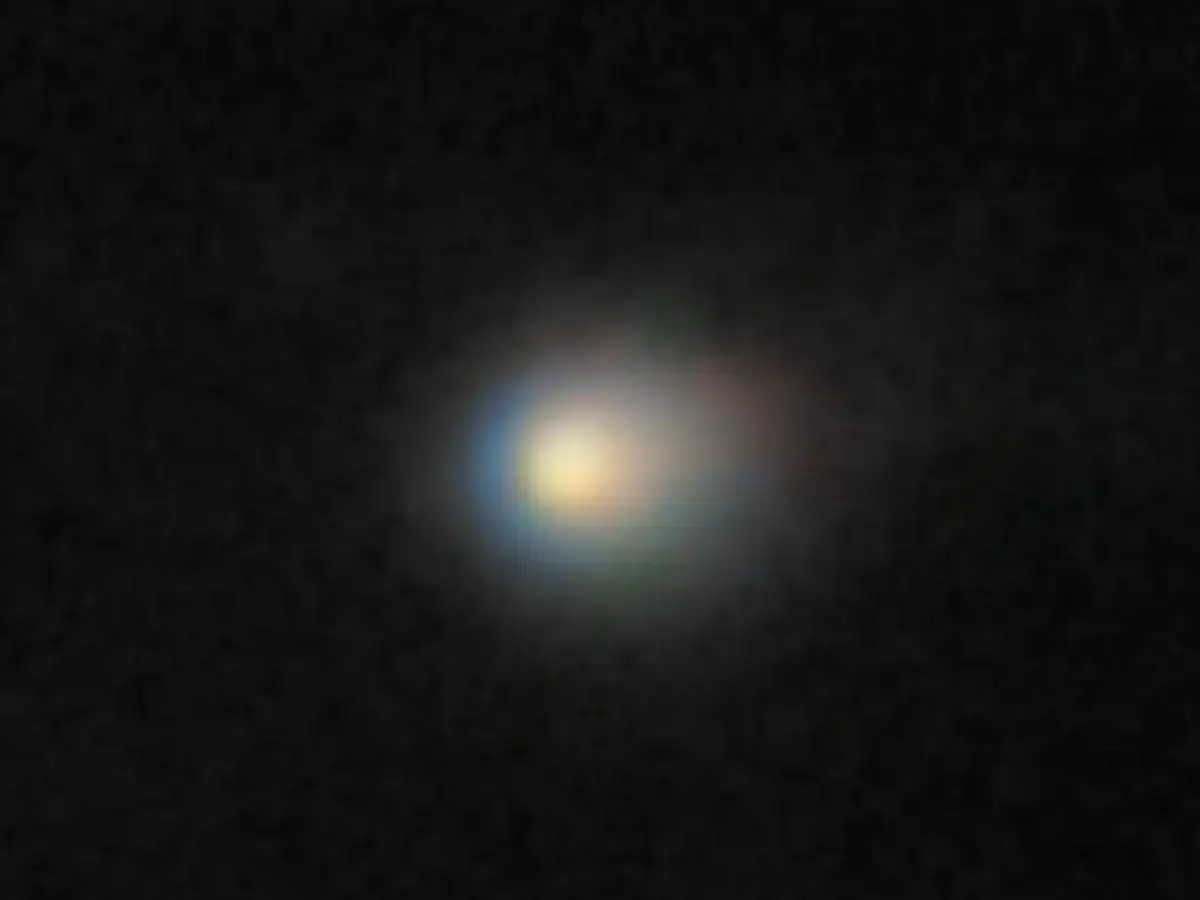
Telescopes worldwide, including ESA’s Mars orbiters and NASA’s space observatories like Hubble, are tracking 3I/ATLAS closely. The data gathered will help improve comet tracking methods for future space safety.
What We Can Learn from 3I/ATLAS
This comet offers a rare chance to study material from outside our solar system up close. Observations can reveal new information about the formation of stars and planets beyond our cosmic neighbourhood. It’s a scientific treasure, not a danger.
)
)
)
)
)