3I/ATLAS, 2I/Borisov and Oumuamua: How interstellar visitors are upending theories on planet and comet formation

3I/ATLAS, 2I/Borisov and Oumuamua, the three interstellar visitors, are extremely different from each other in their construction, trajectory and other aspects. They have changed the way scientists

Three interstellar objects are vastly different from each other
Three interstellar objects have paid us a visit in the past eight years. It is highly likely that there were, and are, others, we just didn't see them. 'Oumuamua, 2I/Borisov, and now 3I/ATLAS, all of them are different from each other, baffling scientists and upending all their theories about the formation of planets and comets.
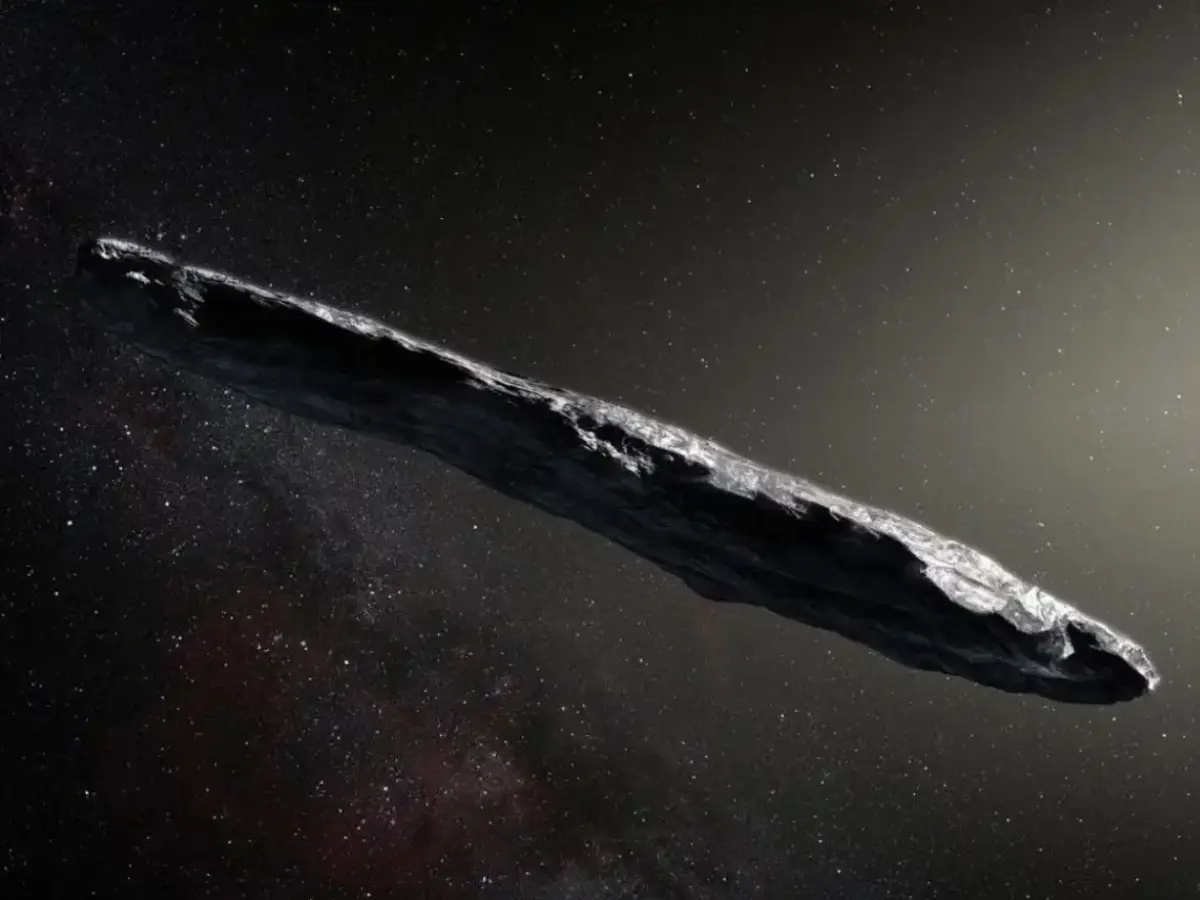
Oumuamua - First interstellar visitor
'Oumuamua visited us first in the year 2017. It was the first confirmed interstellar object, but not a comet. Then what was it? It was a reddish rocky cosmic object shaped like a cigar. There were no signs of a coma or a tail. It exhibited non-gravitational acceleration as it moved away from the sun.
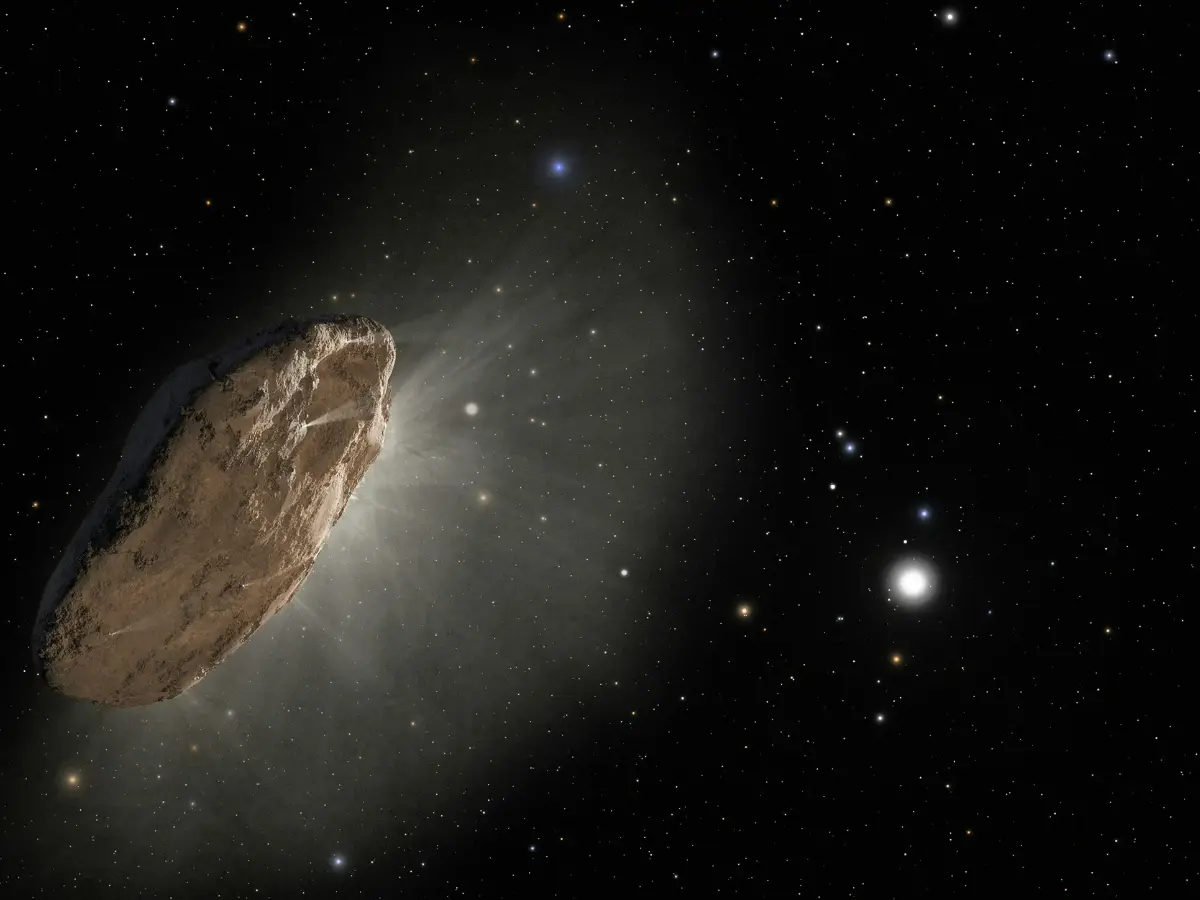
Oumuamua - A relic from another civilisation?
Its name is Hawaiian and means "a messenger from afar arriving first". Could it have been an interstellar relic left by another civilisation? Scientists are still intrigued by 'Oumuamua as it was unlike anything seen before. It is still not unknown where it came from and why it was so different from a regular comet.
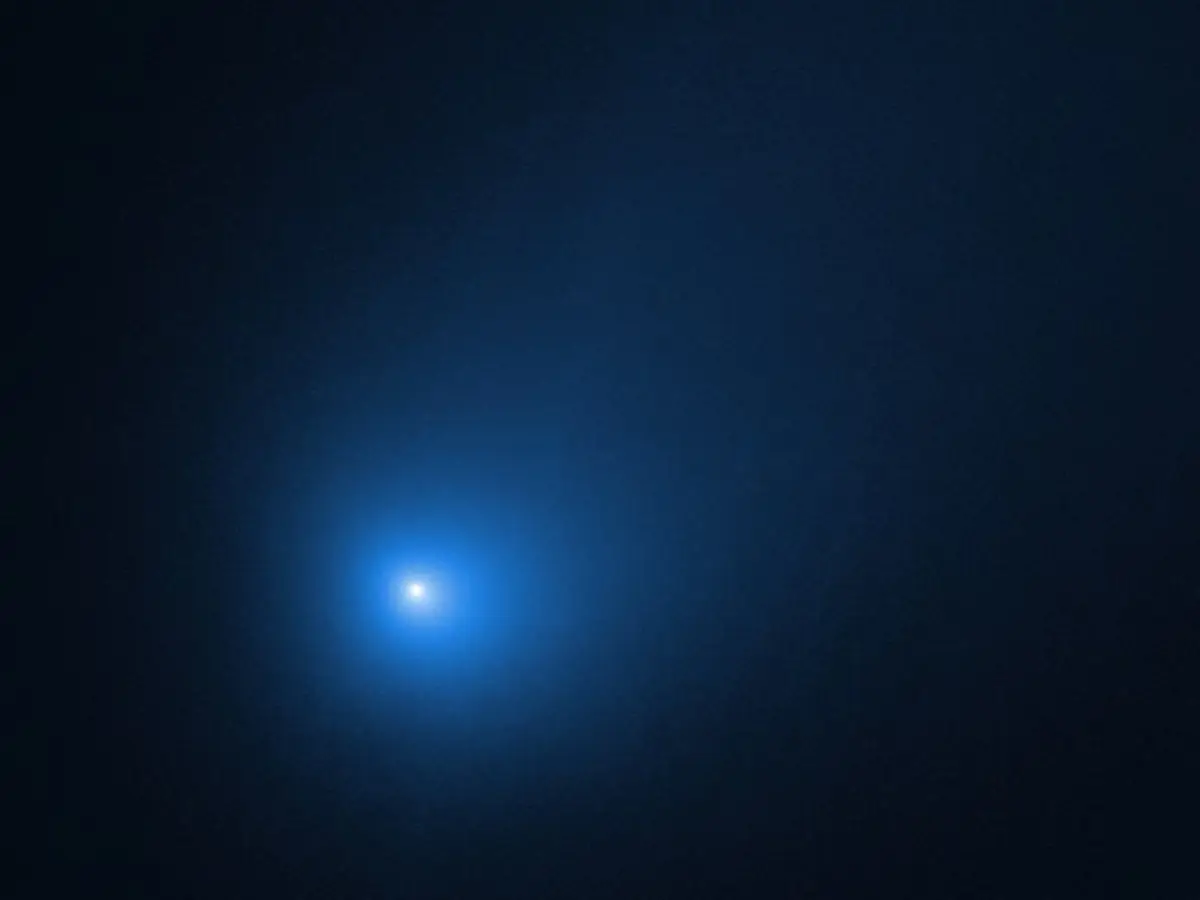
2I/Borisov - Second interstellar visitor
2I/Borisov came next, in the year 2019. It was a confirmed rogue comet, with a tail 14 times the size of Earth. Initially, it was assumed to have originated in the solar system. But later observations showed it was a hyperbolic comet, following which, many other astronomers concluded that it was an interstellar body.
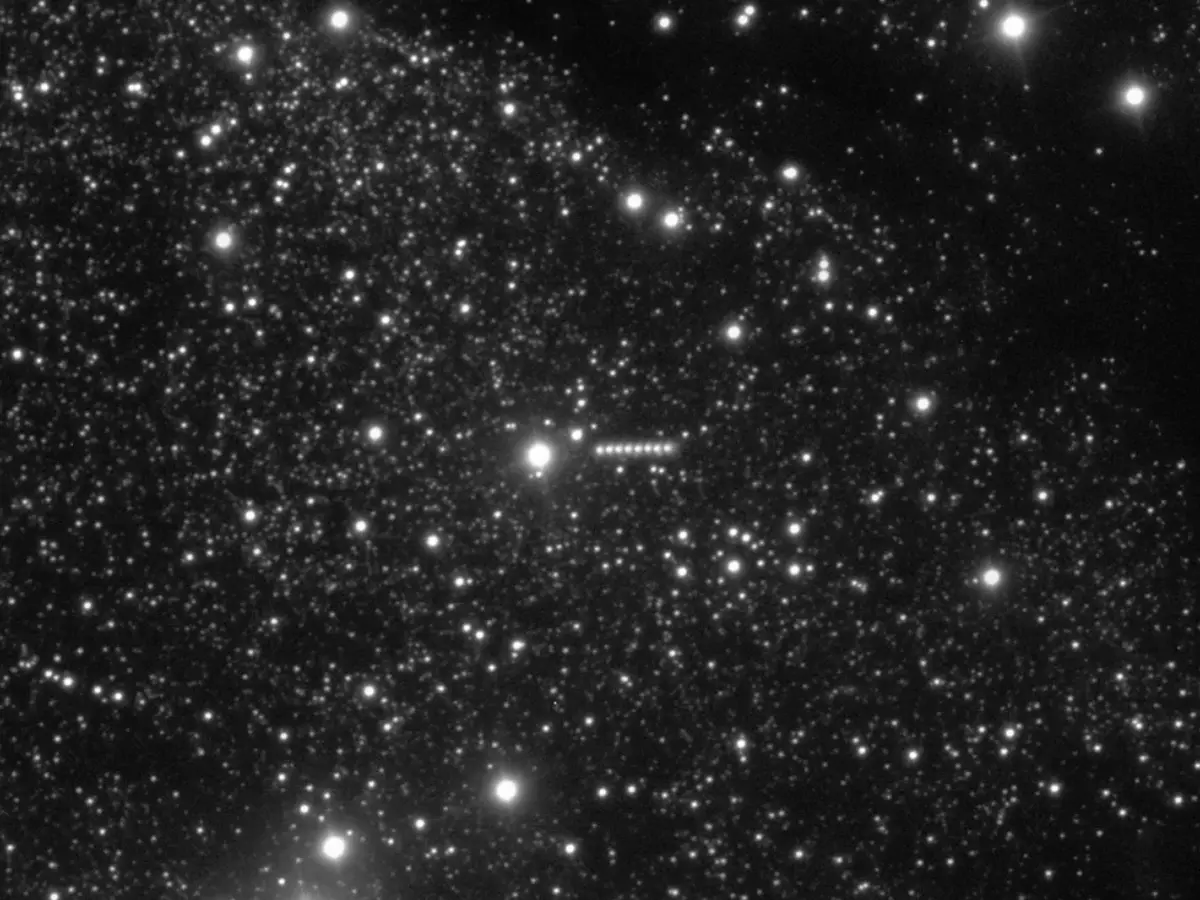
3I/ATLAS - Third interstellar visitor
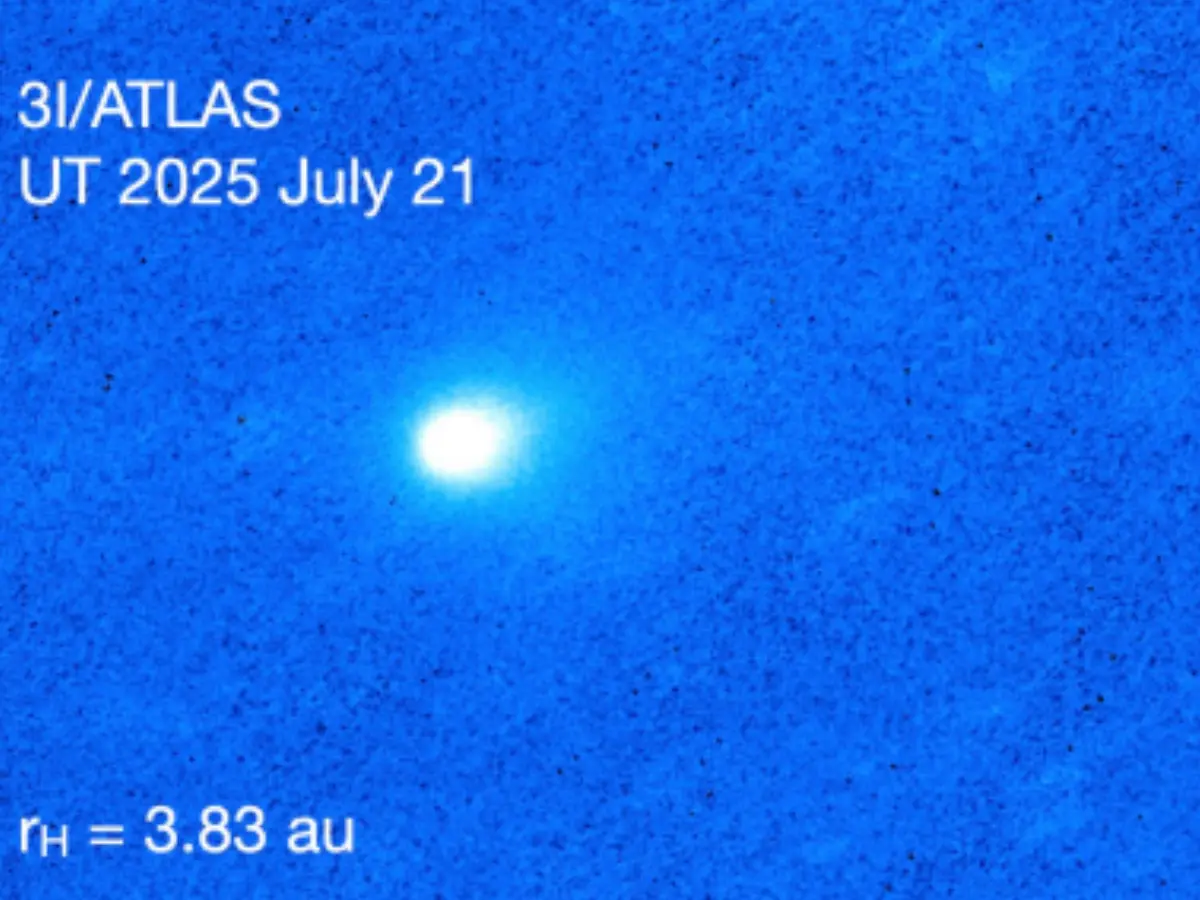
3I/ATLAS was officially spotted on July 1 by the Asteroid Terrestrial-impact Last Alert System station in Chile. Its trajectory was a dead giveaway that it was travelling from outside the solar system. Its speed, estimated size, and the gases it was releasing, all of them were strange. One scientist even believes that it could be an alien spaceship.

A dry rock, carbon monoxide and water-releasing object
All three interstellar objects are different from each other, exhibiting varying traits, forcing scientists to change their beliefs about planet and comet formation. Oumuamua was a dry piece of rock, Borisov was rich in carbon monoxide, and ATLAS is releasing water at a distance it shouldn't be. "Each one is rewriting what we thought we knew about how planets and comets form around stars," Zexi Xing, a postdoctoral researcher at Auburn University in Alabama, said in a statement.
3I/ATLAS is older than the solar system
The point of origin of each interstellar object is still unknown. They could be coming from anywhere in the Milky Way. 3I/ATLAS has been estimated to be much older than the solar system, dating anywhere between 7 to 14 billion years. In comparison, our sun and the bodies around it were formed only about 4.6 billion years ago.
)
)
)
)
)