36,000-pound thrust: 5 ways China's J-20 fighter jet's new engine can completely changes the aerial balance

China's J-20 stealth fighter just integrated the domestic WS-15 engine, fundamentally changing Pacific air combat. This upgrade unlocks true supercruise, masks thermal signatures, extends combat radius, and severs reliance on Russian supply chains.
Breaking the Supply Chain
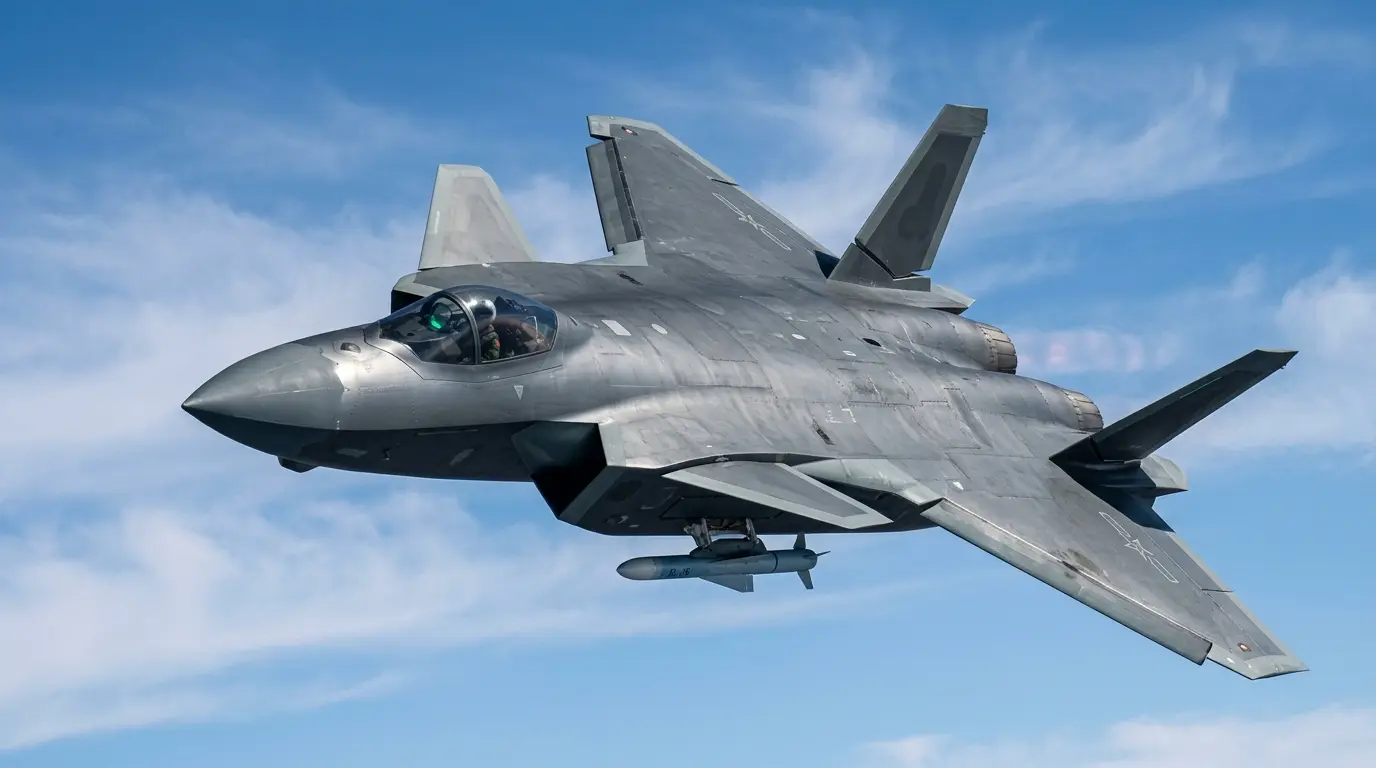
Early J-20 variants relied heavily on imported Russian AL-31 engines, creating massive supply chain bottlenecks for Beijing. By mass-producing the domestic WS-15 turbofan, China has completely severed its reliance on Moscow, enabling uninterrupted, high-volume manufacturing of its USD 120 million stealth fighter.
1. Unlocking True Supercruise
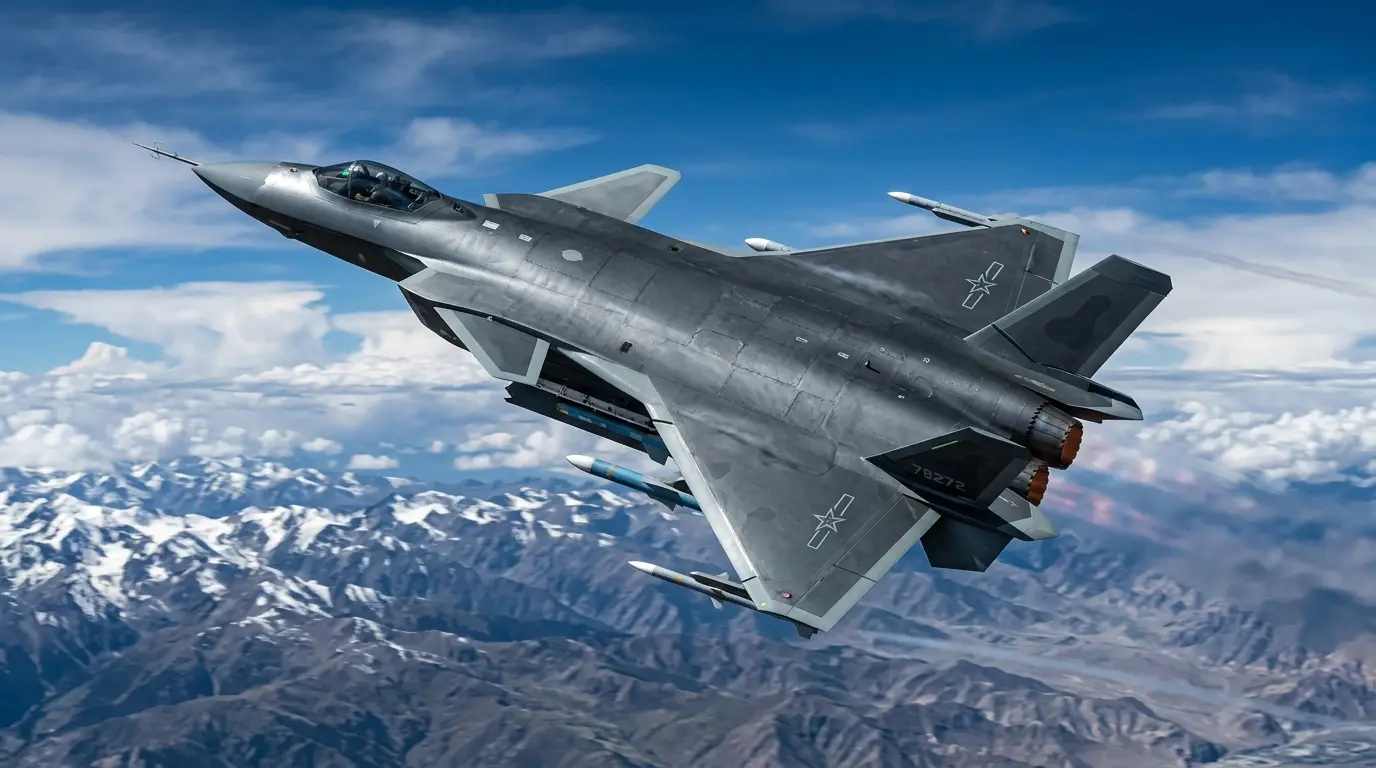
The WS-15 finally grants the Mighty Dragon 'supercruise' capability, a feature long monopolised by the American F-22 Raptor. This allows the J-20 to maintain sustained supersonic flight without using fuel-guzzling afterburners, drastically reducing its time to intercept targets across the Taiwan Strait.
2. A Massive Thrust Upgrade
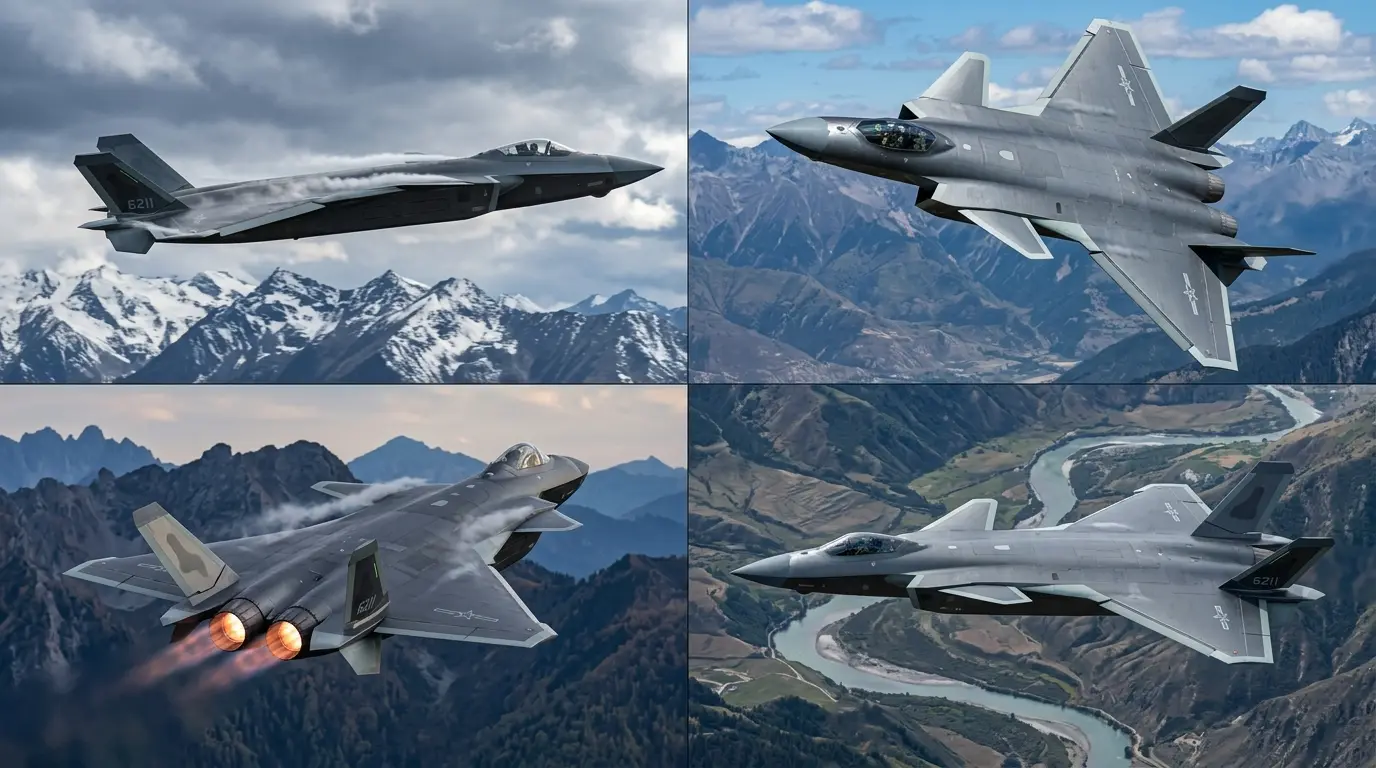
Defence analysts estimate the new WS-15 engine generates an incredible 36,000 pounds of thrust per unit. This sheer kinetic power allows the heavy, twin-engine interceptor to execute rapid vertical climbs and sharp aerodynamic manoeuvres previously impossible with older WS-10C engines.
3. Masking the Thermal Signature
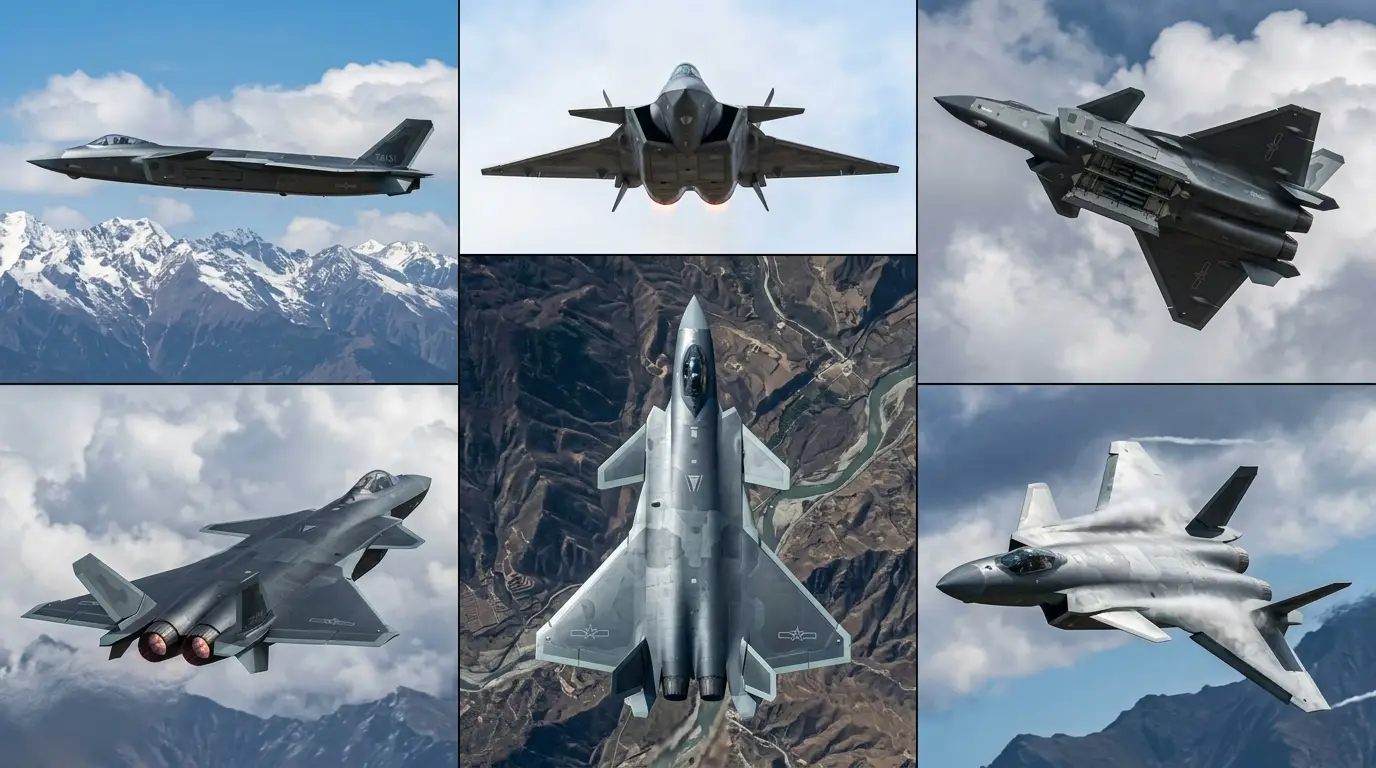
Traditional afterburners generate massive heat plumes that act as beacons for US infrared tracking systems. By relying on the WS-15's raw thrust for supersonic speeds, the J-20 effectively eliminates this thermal exhaust bloom, making it significantly harder for F-35 sensors to secure a missile lock.
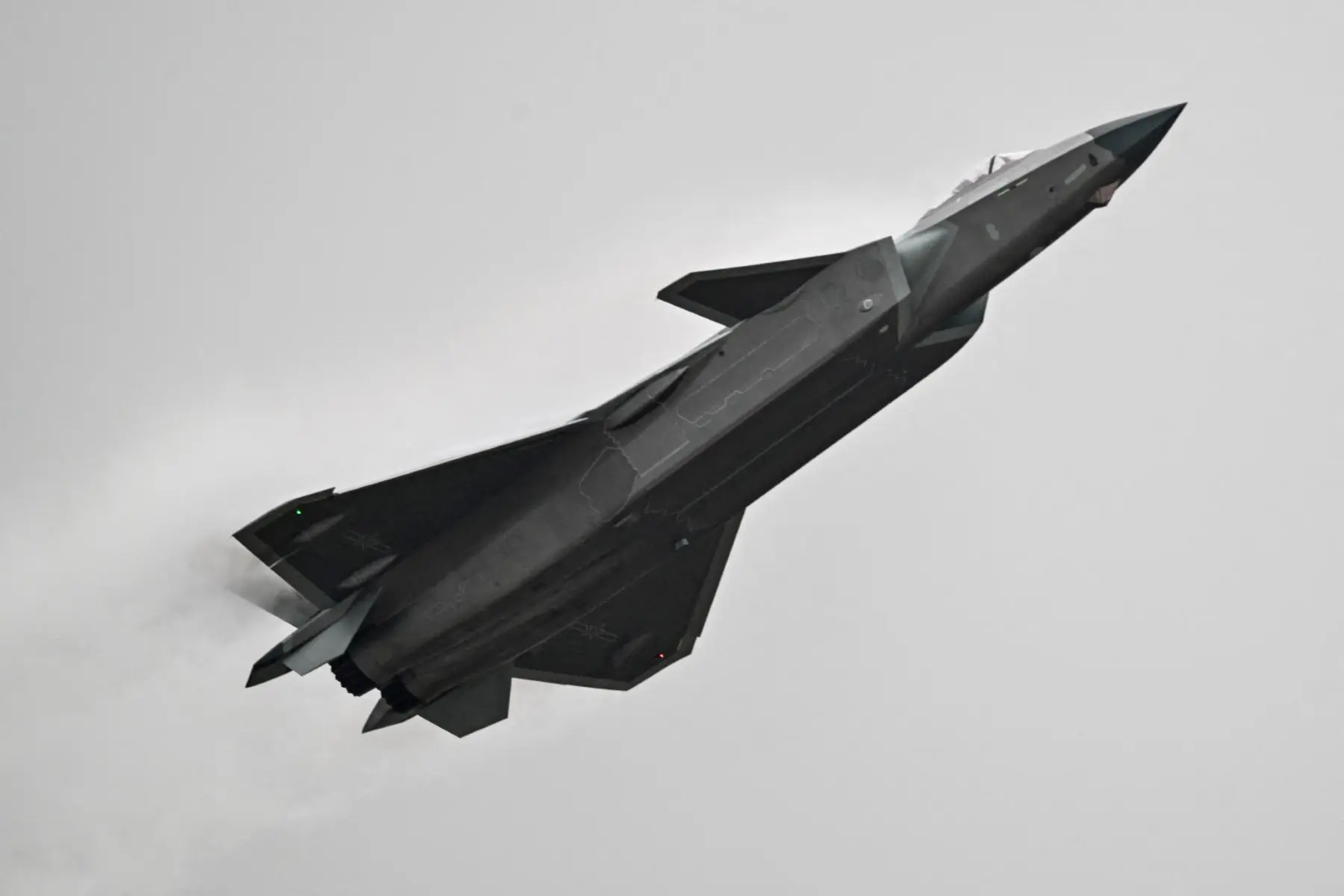
4. Extending the Kill Zone
The advanced bypass ratio of the WS-15 turbofan makes it incredibly fuel-efficient during high-altitude patrols. This efficiency extends the J-20's unrefuelled combat radius well beyond 2,000 kilometres, directly threatening US carrier strike groups operating far out in the Philippine Sea.
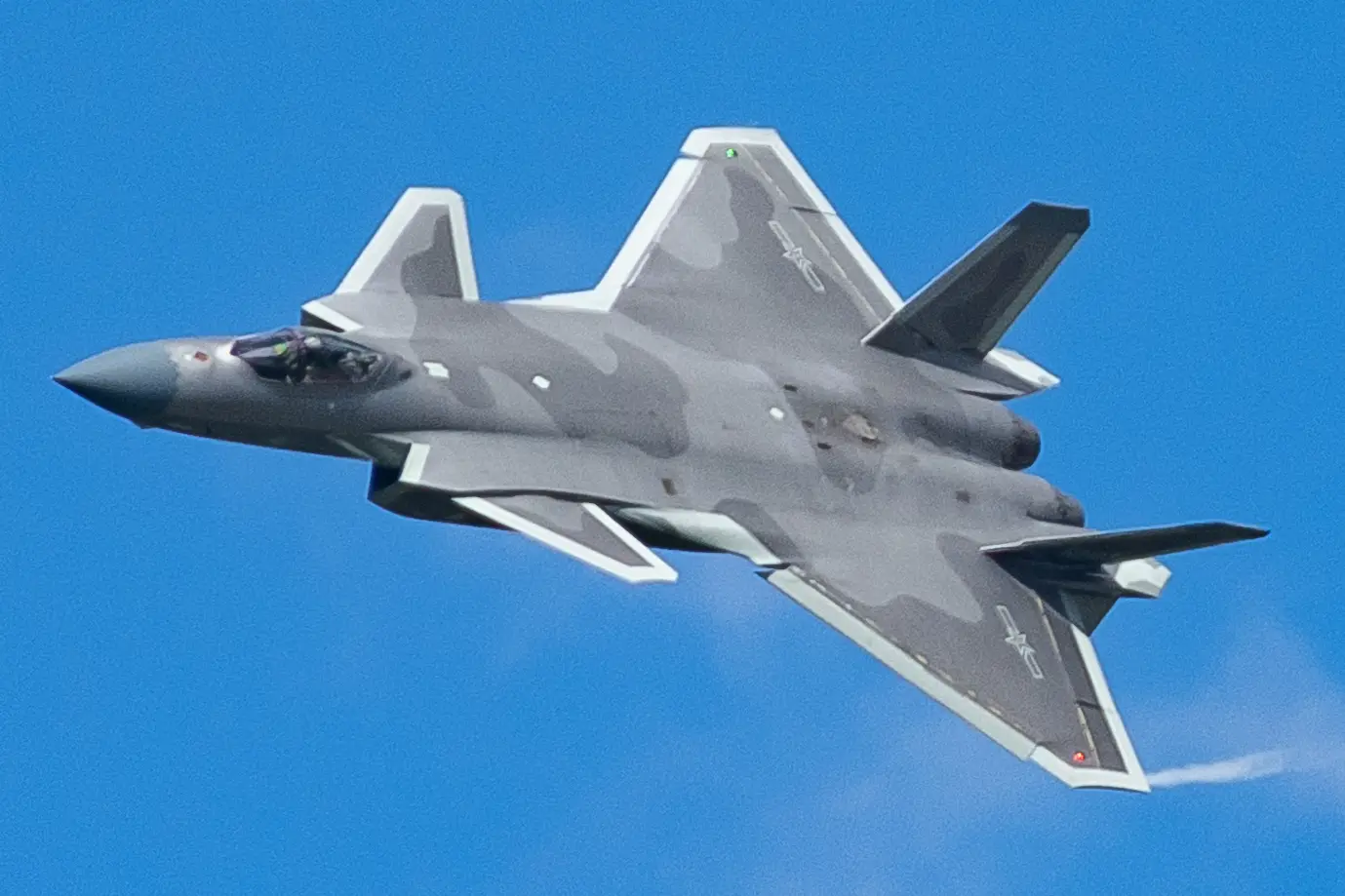
5. Heavier Payload Capacity
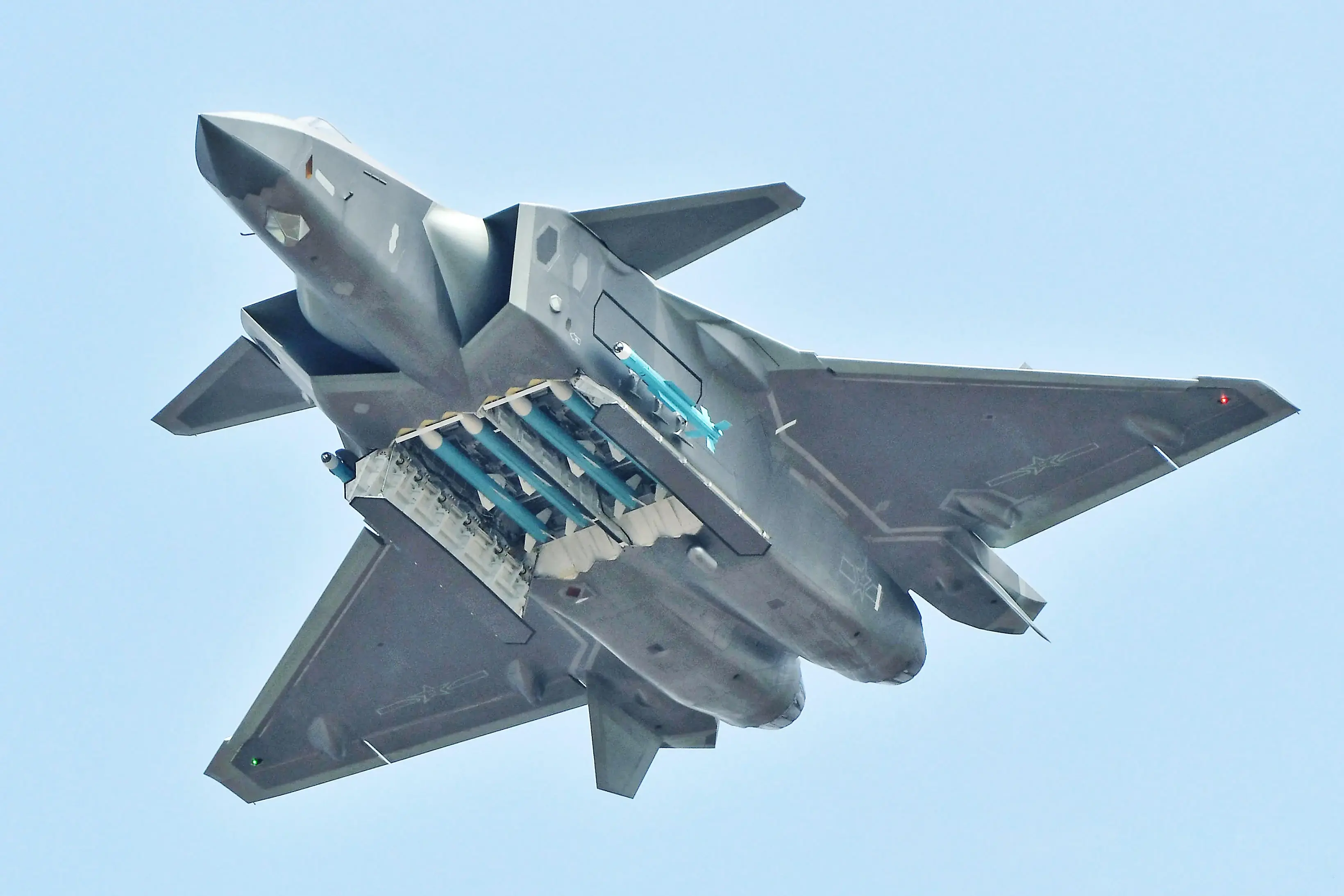
Generating more lift means the J-20 can now take off with completely full internal weapons bays and maximum fuel loads. This allows Chinese pilots to carry heavier, longer-range PL-15 air-to-air missiles while maintaining the precise aerodynamic geometry required to deflect American radar.
The US Response
The Pentagon admits the WS-15 elevates the J-20 from a regional nuisance to a global strategic threat. This technological leap has forced the US Air Force to aggressively accelerate its Next Generation Air Dominance (NGAD) programme to maintain parity in the Pacific.
)
)
)
)
)