35 years since Rajiv Gandhi’s assassination: Revisiting the attack that shook India

May 21, 2026 marks 35 years since the former Indian Prime Minister Rajiv Gandhi’s assassination. From becoming India’s youngest PM at 40 to being killed at 46, what caused Gandhi's death? Revisiting the timeline of the attack that stunned India.
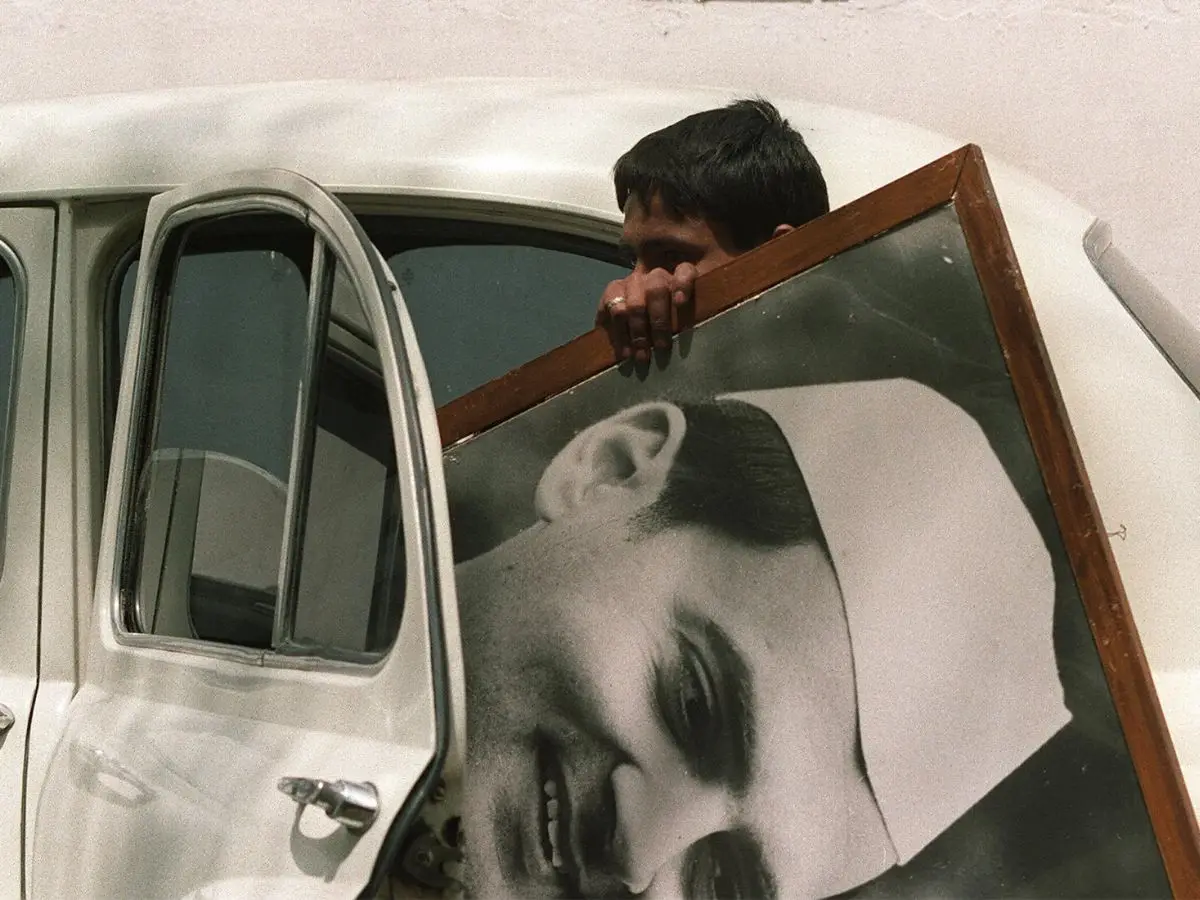
Rajiv Gandhi’s assassination
21 May, 2026 marks 35 years since the assassination of former Indian Prime Minister Rajiv Gandhi rocked the nation. Many remember Gandhi as a leader who propelled India towards modernisation, technological advancement and youth empowerment. The events leading up to his death and following political turmoil significantly shaped the course of the Indian subcontinent.
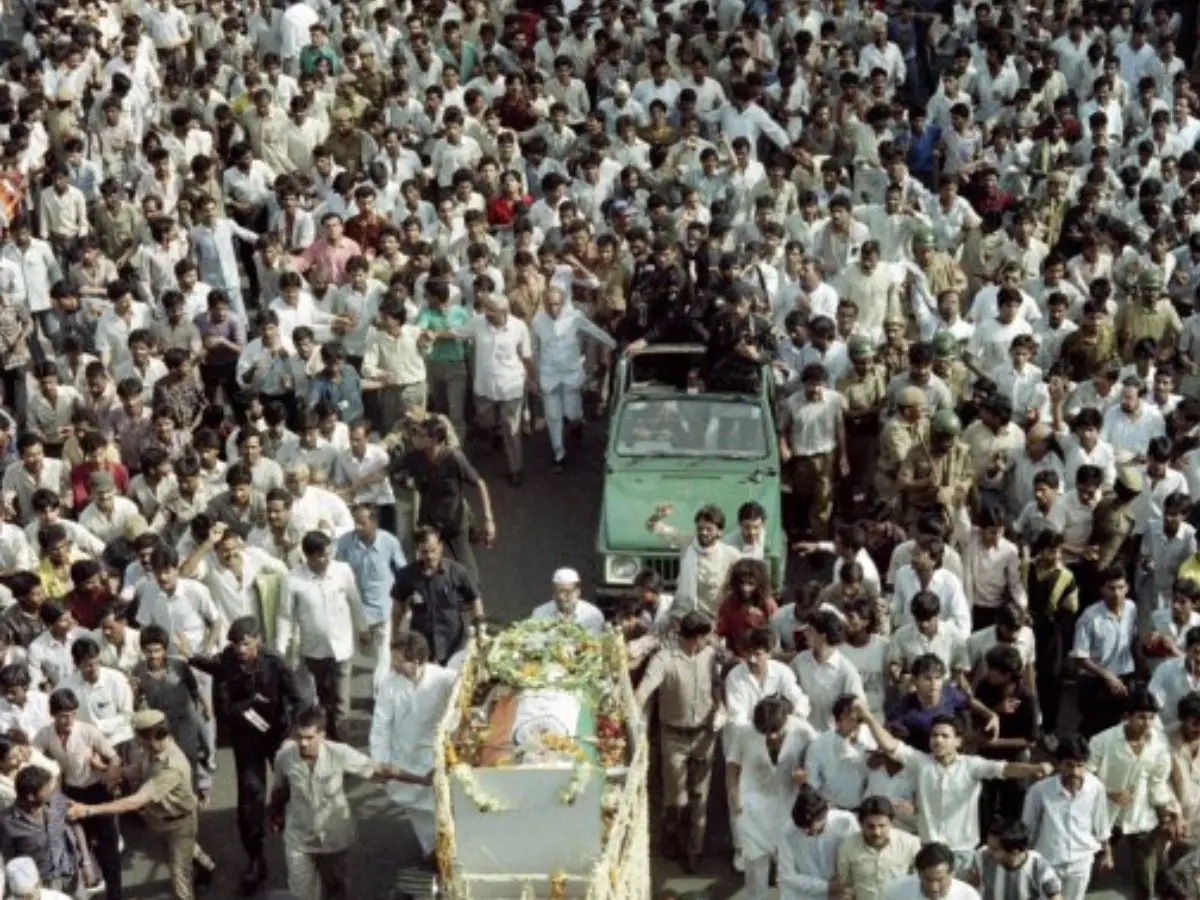
Attacked at an election campaign
Rajiv Gandhi became India’s youngest prime minister at 40 following the assassination of his mother, Indira Gandhi, in 1984. His death in 1991 came as a result of a suicide bombing near Madras (now Chennai) in Tamil Nadu during an election campaign. The attack was carried out by a female suicide bomber, a member of the Liberation Tigers of Tamil Eelam (LTTE).
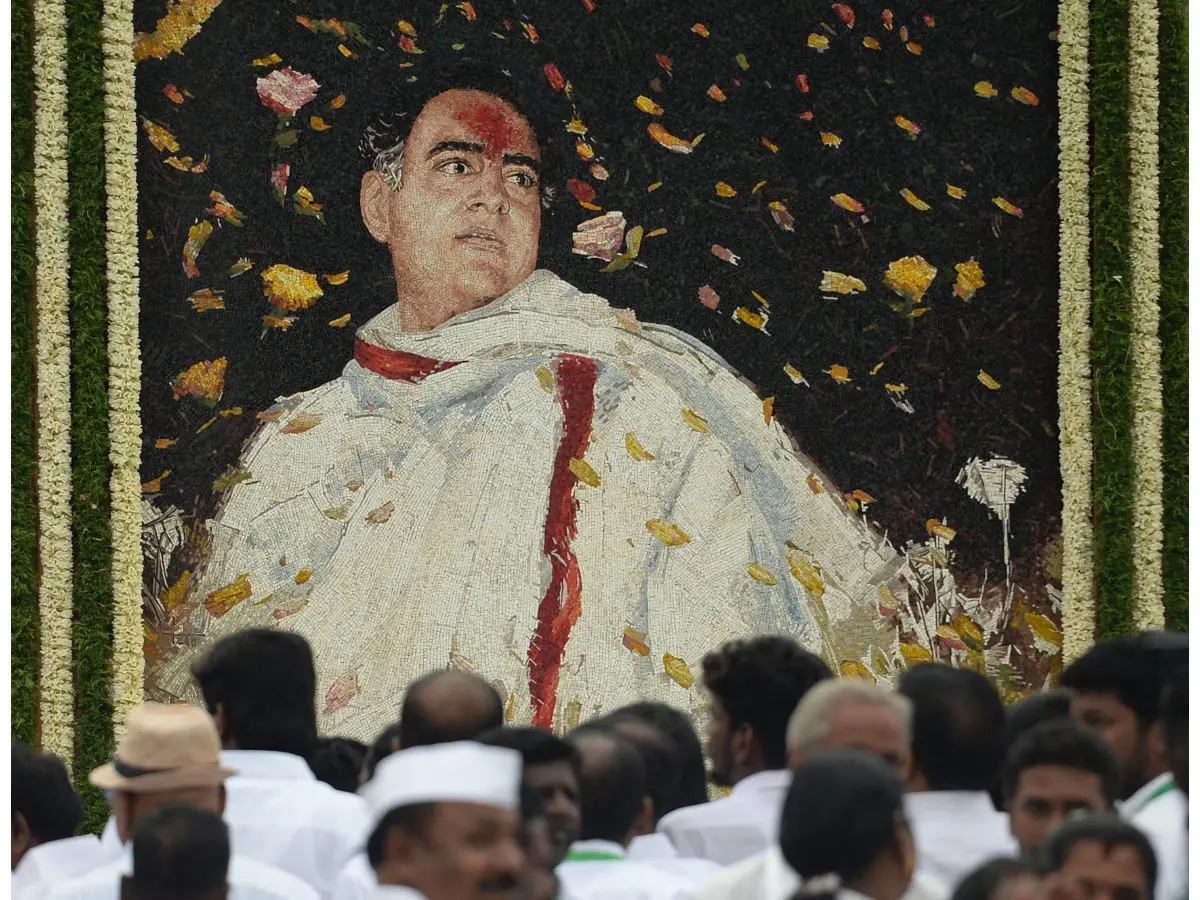
How was it executed?
As Gandhi walked towards the dais at a campaign rally in Sriperumbudur, where he was to deliver a speech, he was approached by multiple supporters, party workers and school children. Amongst the crowd was 22-year-old assassin, Kalaivani Rajaratnam, who detonated an explosive-laden belt as she bent down to touch his feet. The attack killed more than a dozen others.

Events leading up to the attack
The LTTE was a rebel separatist group fighting for independence from Sri Lanka. When the conflict intensified, Rajiv Gandhi deployed the Indian Peace Keeping Force (IPKF) to Sri Lanka in hopes of defusing the violence. The LTTE was not pleased with the presence of Indian troops and their tactics. The IPKF retired from Sri Lanka in 1990 after Gandhi’s term came to an end. The same year, he said in an interview that he would send the IPKF back if he came to power again. It is widely assumed that this conflict with the LTTE led to the attack.
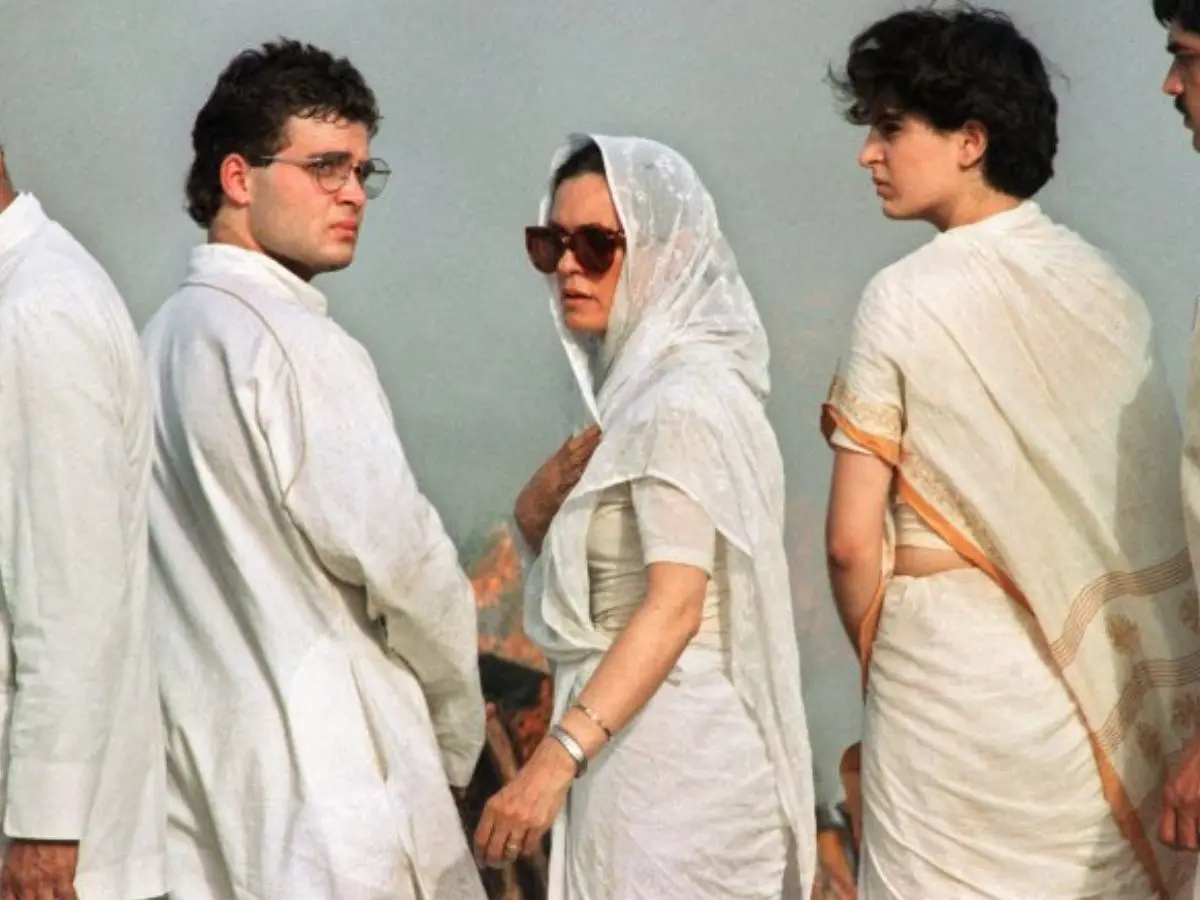
The investigation
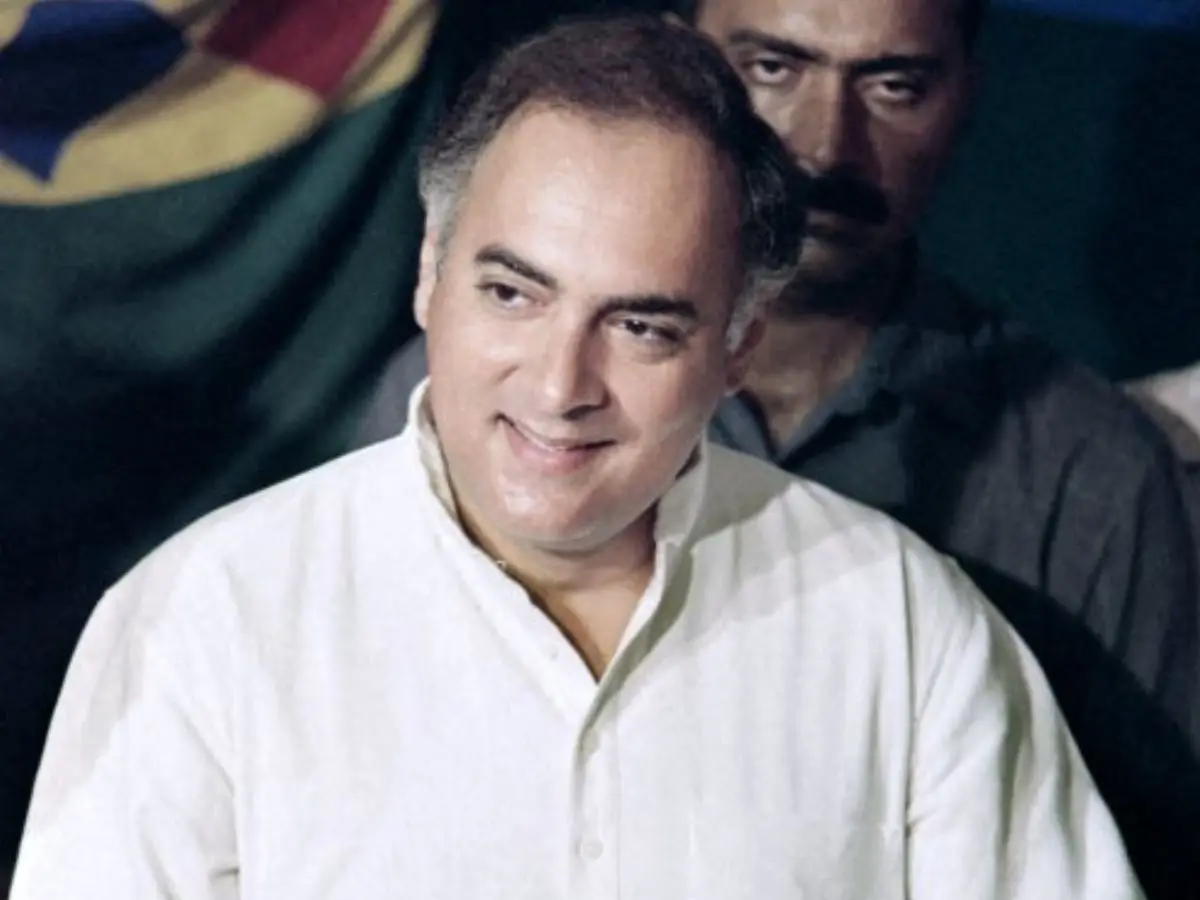
The investigation into Gandhi’s assassination is one of the most significant events in Indian history, with multiple claims continuing to surface years after his death, including allegations of an “inside” informant. Reports suggest that Gandhi was repeatedly informed about a threat to his life and cautioned against travelling to Tamil Nadu.
Investigation findings
A Special Investigation Team (SIT) was formed into the matter, which tracked the attacks to the LTTE and whose findings were upheld by the Supreme Court. A camera left at the blast site, reportedly hired by LTTE to document the killings, was a key finding. In 2022, the SC ordered the release of six people convicted of the assassination.
'National Anti-Terrorism Day'
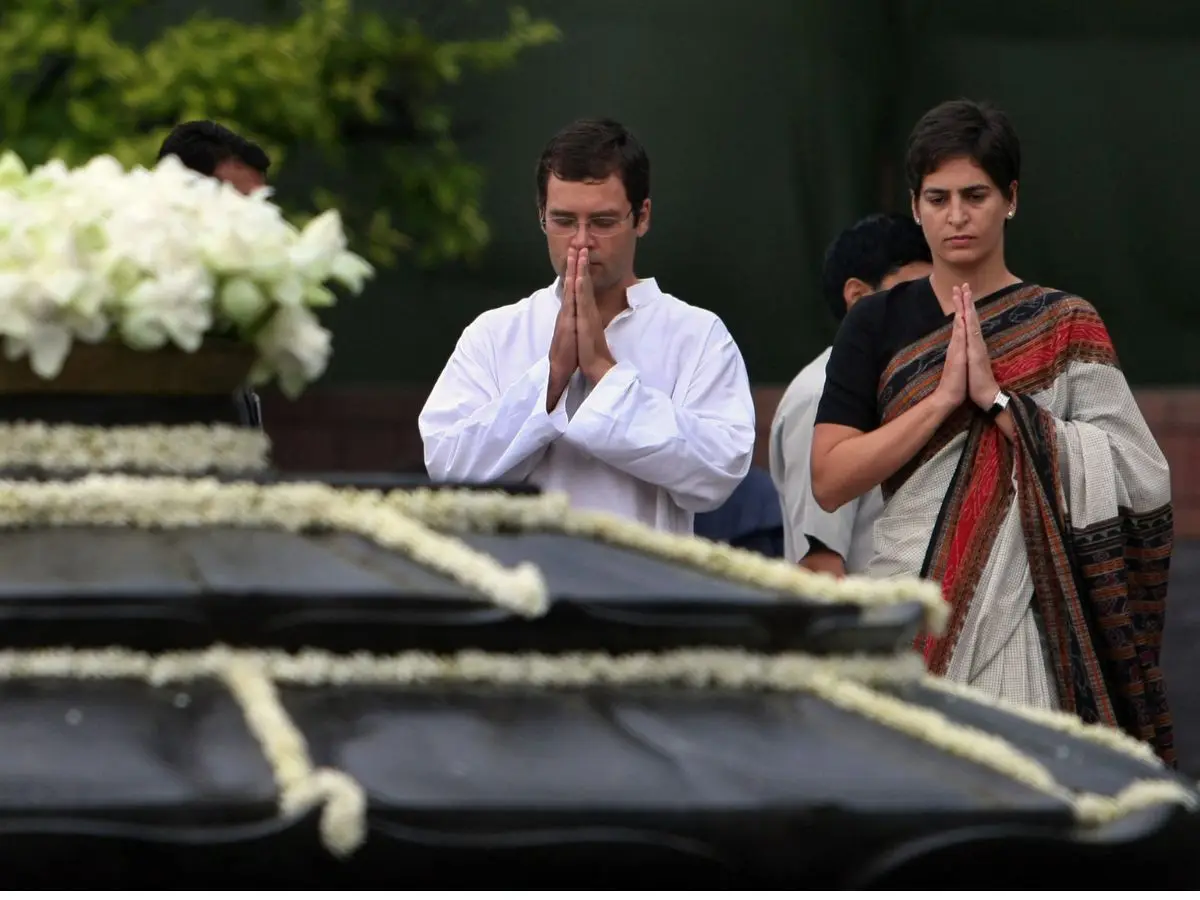
May 21, the date of Gandhi’s death came to be observed as “National Anti-Terrorism Day”. A memorial, Veer Bhumi, was constructed at the site of his cremation in New Delhi. His widow, Sonia Gandhi, assumed leadership of the Indian National Congress, while their children, Priyanka Gandhi Vadra and Rahul Gandhi are prominent Members of the House.
)
)
)
)
)