31 countries unite for Axiom Mission 4 – What makes it special for India

Axiom Mission 4 marks India’s return to human spaceflight with Group Captain Shubhanshu Shukla as pilot. Led by veteran astronaut Peggy Whitson, the mission includes astronauts from 31 countries, focusing on science and global collaboration in space.
Axiom Mission 4: A New Space Chapter Begins
Axiom Mission 4 is India’s next big step in space. It brings together astronauts from different countries for a special journey to the International Space Station.
Why Is Axiom Mission 4 So Special?
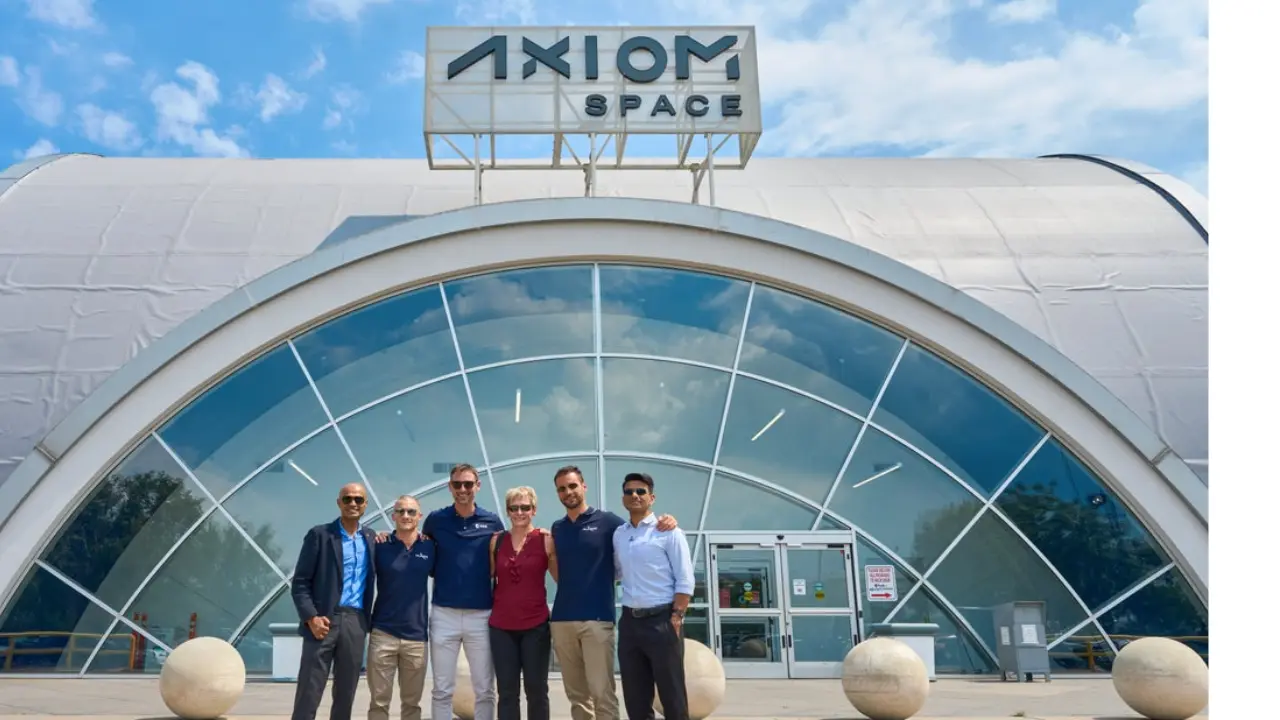
This mission is unique because it has both experienced and new astronauts. It marks India’s strong return to human spaceflight and builds partnerships with space agencies worldwide.
Meet the Ax-4 Crew
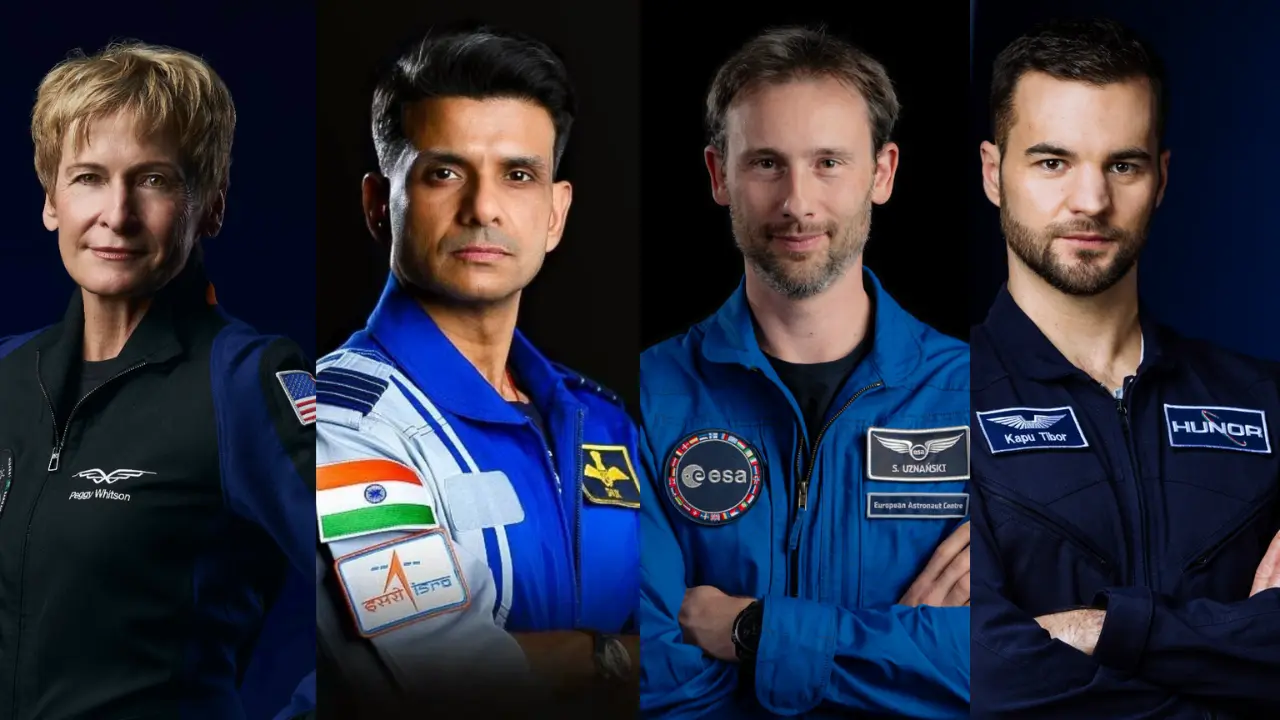
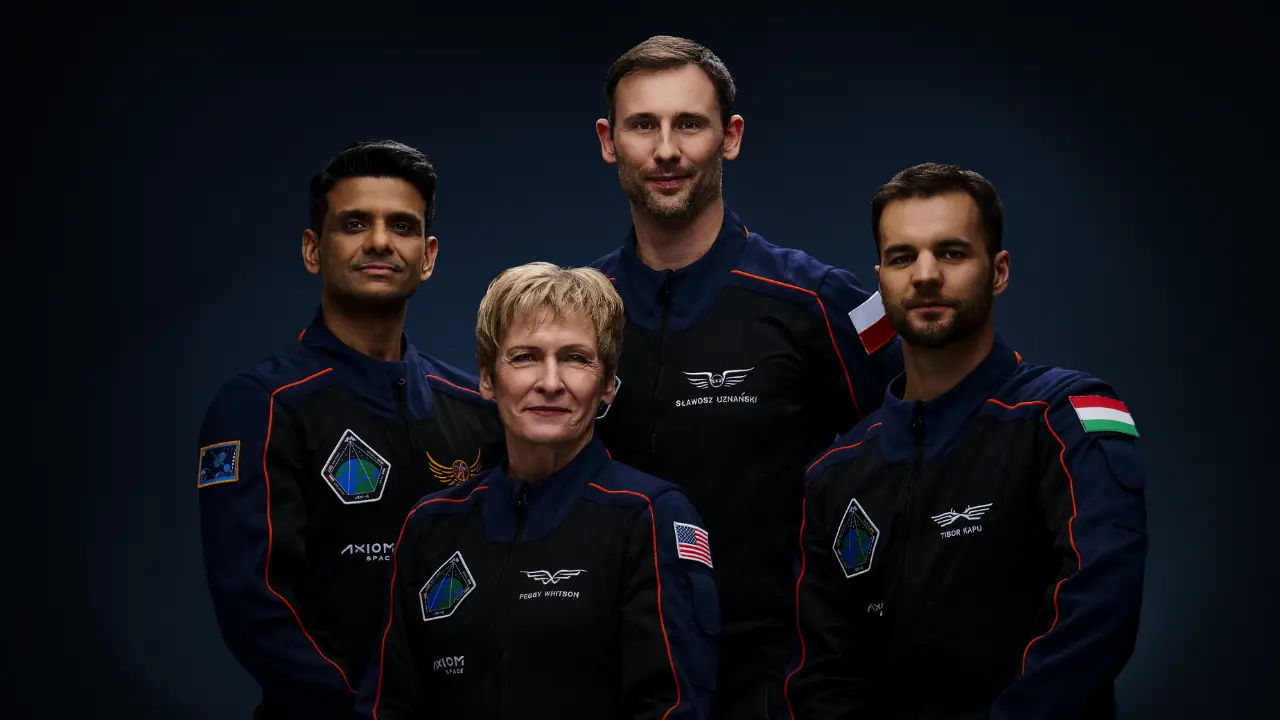
The crew includes experts from around the world. Commander Peggy Whitson, pilot Shubhanshu Shukla from ISRO, and mission specialists Sławosz Uznański-Wiśniewski (ESA, Poland) and Tibor Kapu (Hungarian Space Office).
Peggy Whitson: Leading the Mission
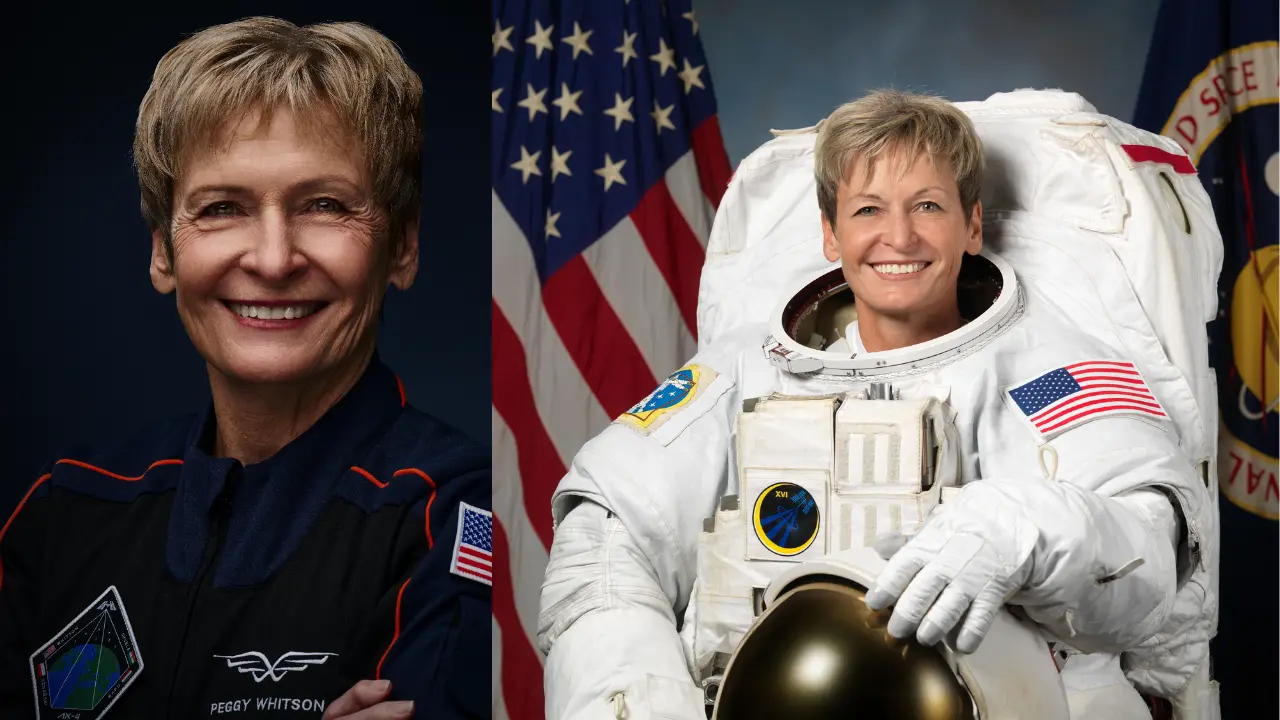
Peggy Whitson, a record-setting astronaut, will lead the crew. She guides the team with her experience from past missions and helps everyone prepare for life in space.
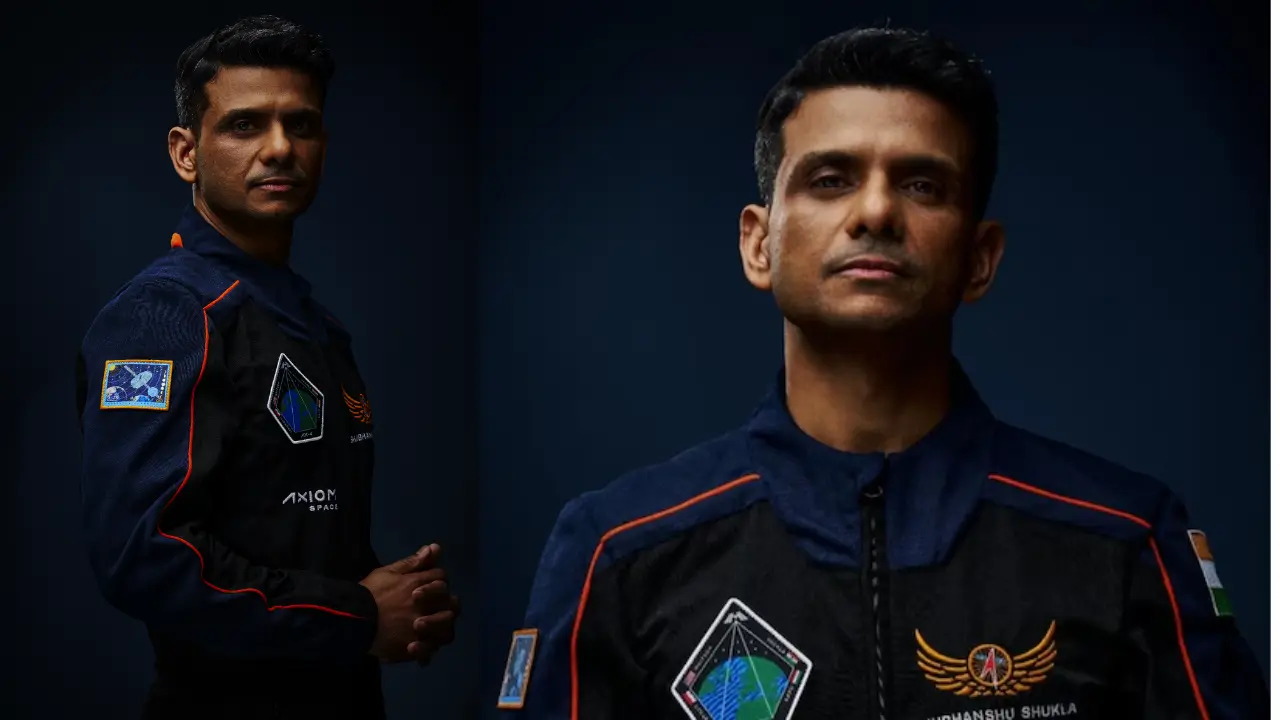
India’s Proud Return: Shubhanshu Shukla
Group Captain Shubhanshu Shukla is the pilot for Axiom Mission 4. He is the first Indian Air Force officer to fly on a private space mission, making India proud on the global stage.
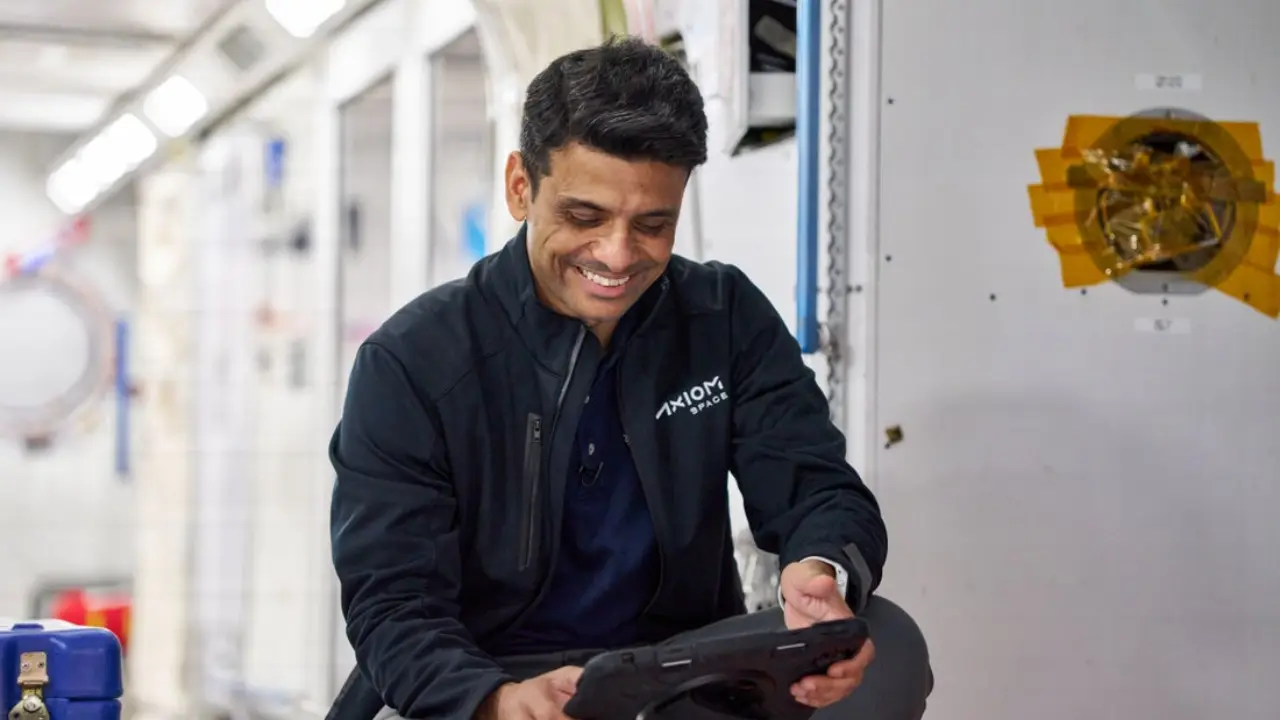
Shubhanshu Shukla Journey:
Shubhanshu Shukla, who grew up dreaming of flying, joined the indian air force and was later selected for Axiom Mission 4. he trained in the us and Europe, learning rocket systems, zero-gravity living, and space science. His journey reflects India’s growing presence in space exploration.
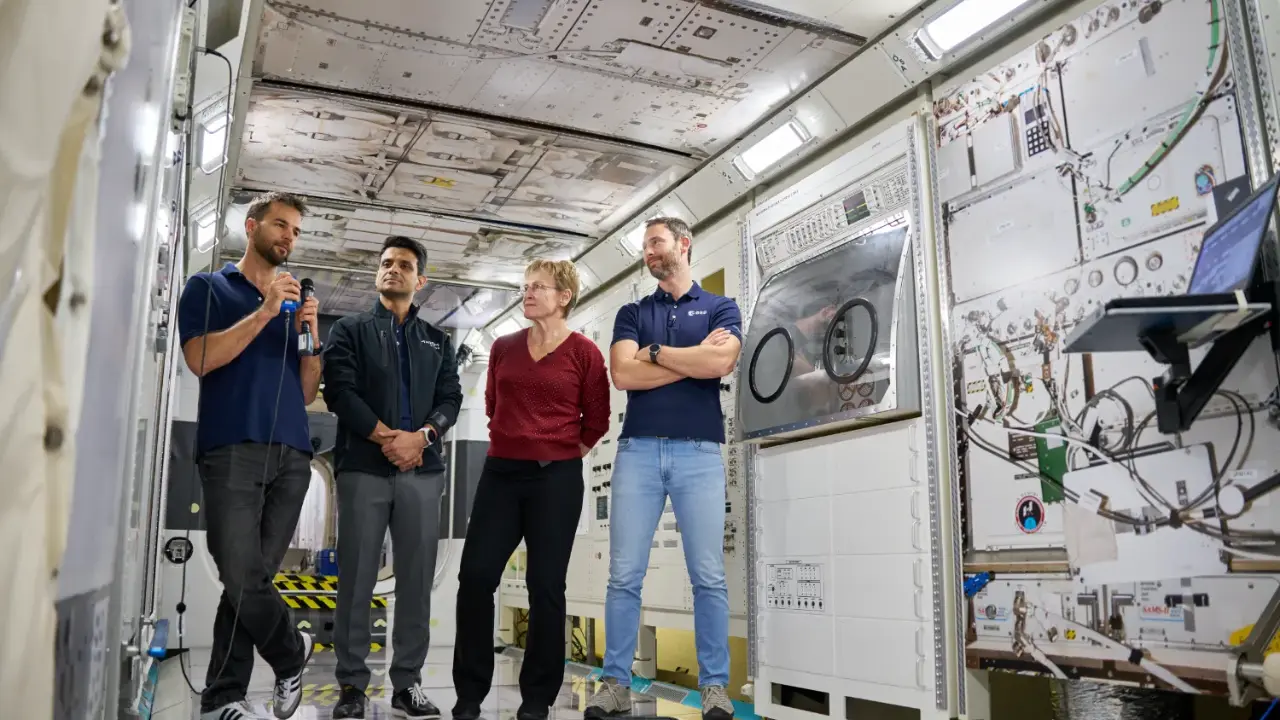
Mission Goals: Science at the Core
Axiom Mission 4 will carry out around 60 experiments. The crew will study health, technology, and how humans live in space, helping scientists learn more for future missions.
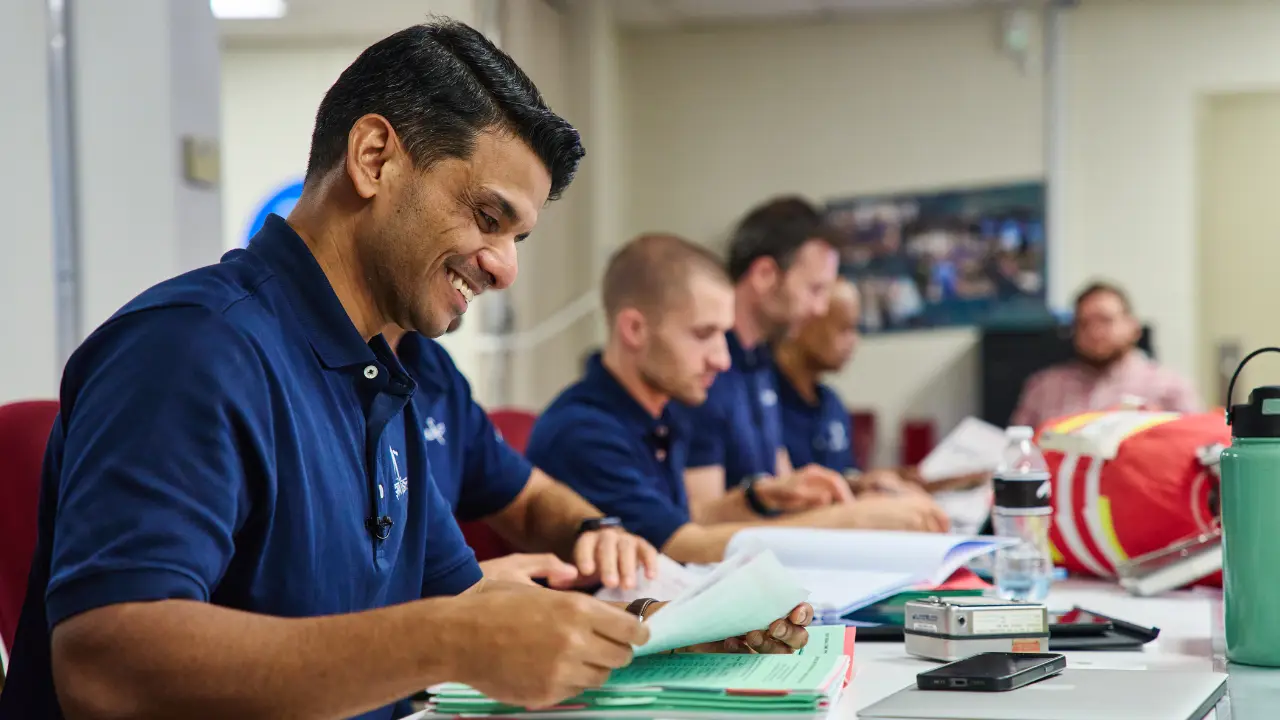
India’s Science in Space
Shubhanshu Shukla will lead Indian experiments on the ISS. His work will focus on how space affects the body and mind, and how technology can help astronauts on long journeys.
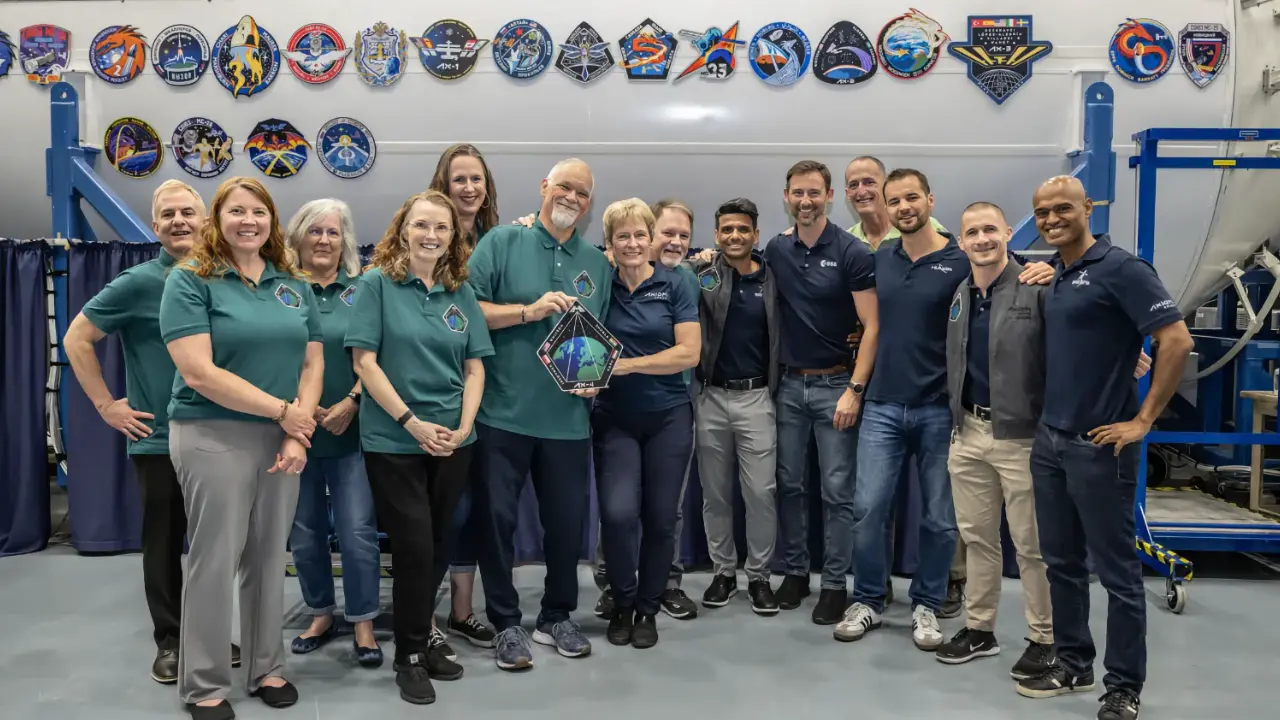
Global Collaboration: 31 Countries Involved
Axiom Mission 4 is a team effort with astronauts and scientists from 31 countries. This global partnership helps share knowledge and build stronger ties in space research.
ISRO’s Role: Building India’s Space Future
ISRO is sending experiments and supporting Shukla’s mission. This shows India’s growing role in space and helps prepare for more Indian astronauts in the future.
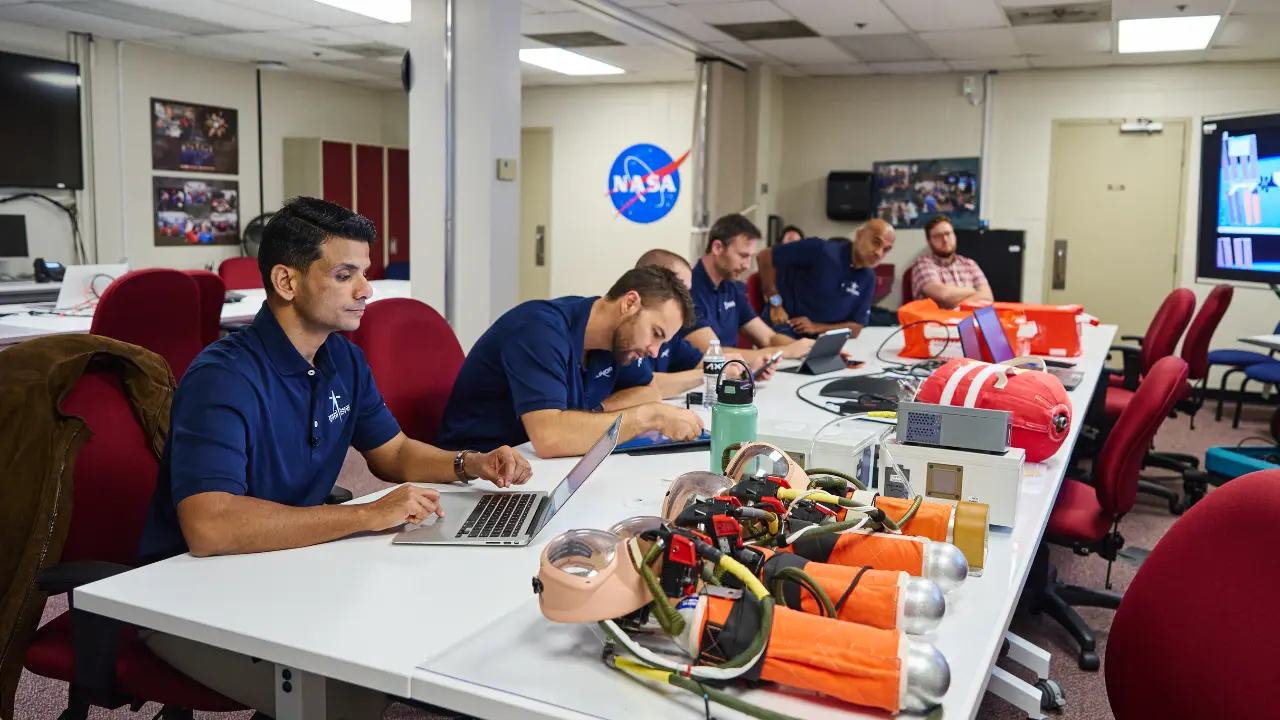
Training for Success
The crew trained together in the US and Europe. They learned safety, teamwork, and science skills to make sure the mission is safe and successful one.
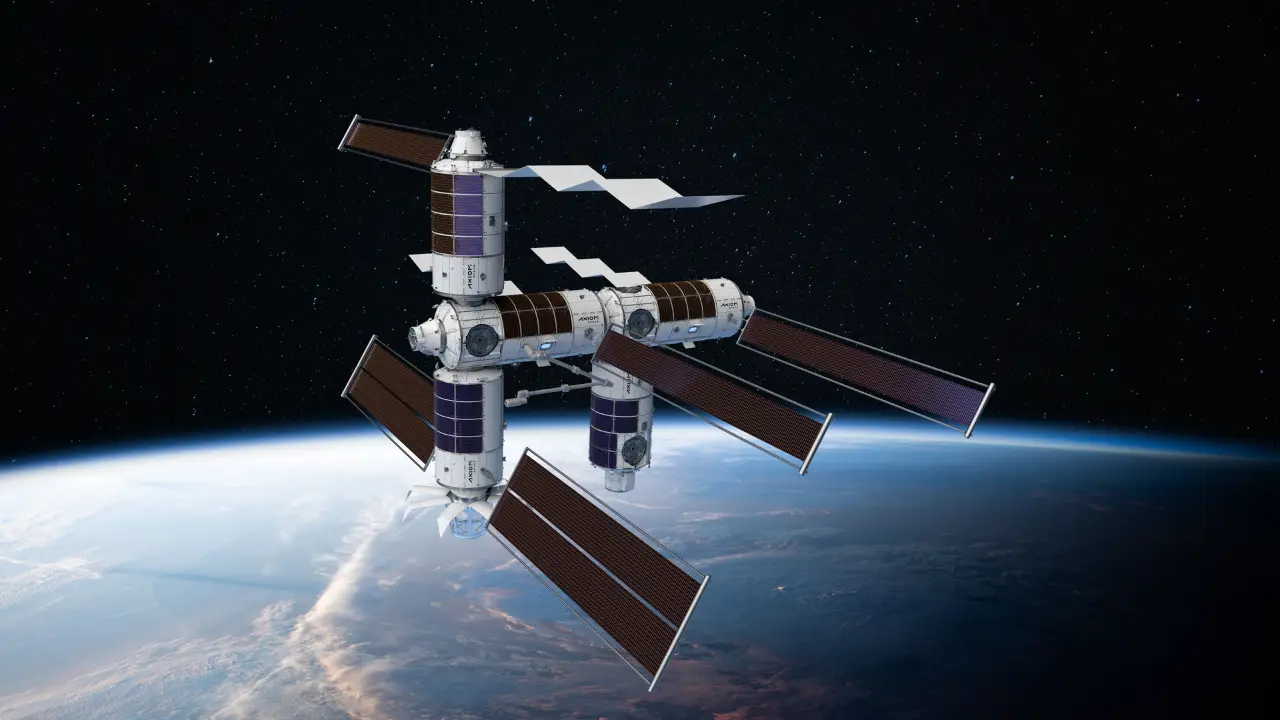
A Step Towards Commercial Space Stations
Axiom Mission 4 is part of the move towards private space stations. These missions will make space more open for research and business, and research will come up with new discoveries.

A New Era for India and the World
This mission starts a new era for India and the world. With private missions like Axiom Mission 4 , more people can explore space and help shape the future of science and technology.
)
)
)
)
)