3000 km/h: 7 fastest fighter jets that can nearly touch hypersonic speed

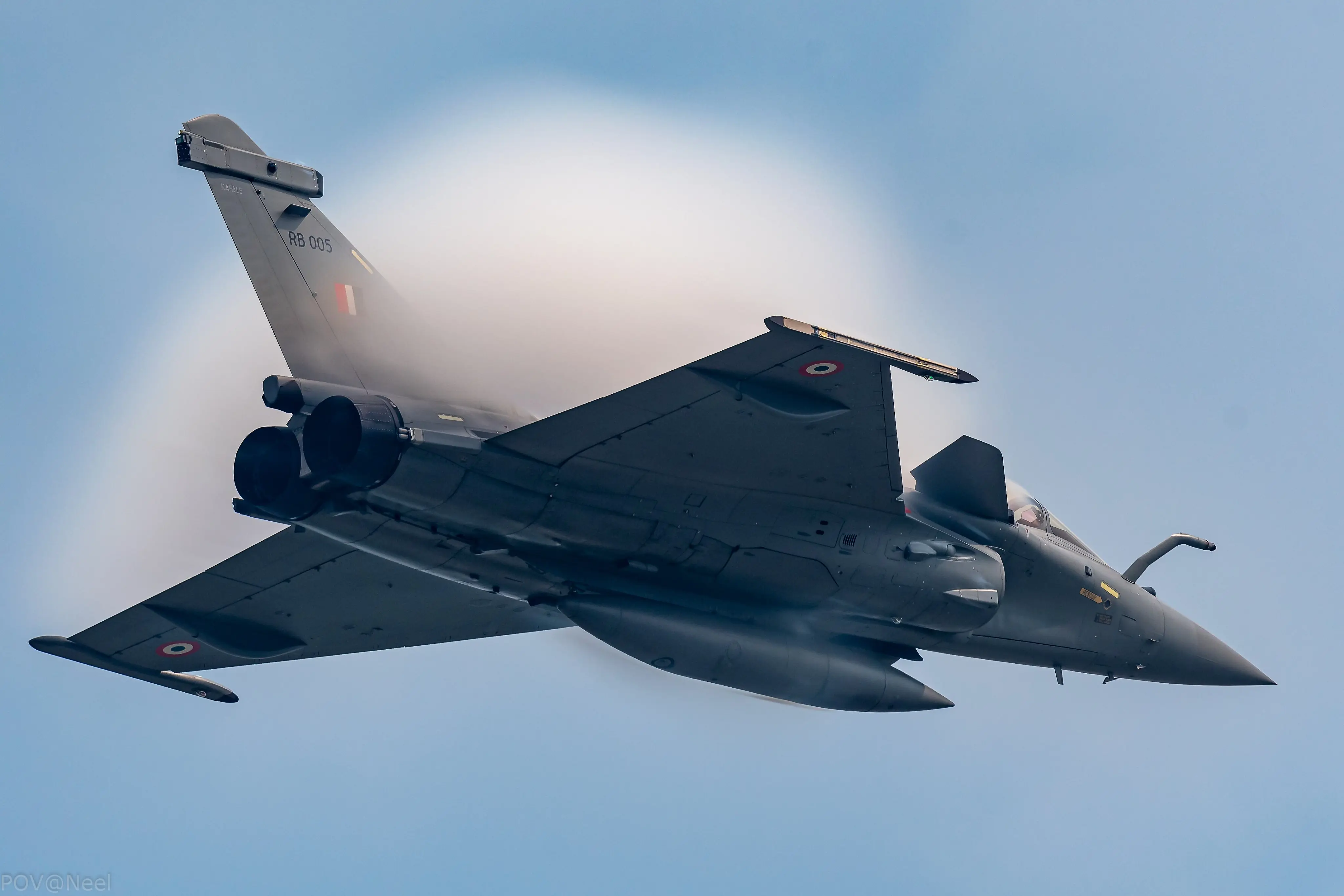
While true hypersonic flight, exceeding Mach 5, is still the domain of experimental aircraft and missiles, several operational fighter jets come remarkably close, pushing the boundaries of what's achievable in active service.
Introduction
In the realm of aerial combat, speed is paramount. While true hypersonic flight, exceeding Mach 5, is still the domain of experimental aircraft and missiles, several operational fighter jets come remarkably close, pushing the boundaries of what's achievable in active service. These aircraft not only demonstrate exceptional velocity but also embody the pinnacle of engineering in military aviation.
1. Mikoyan MiG-31 Foxhound
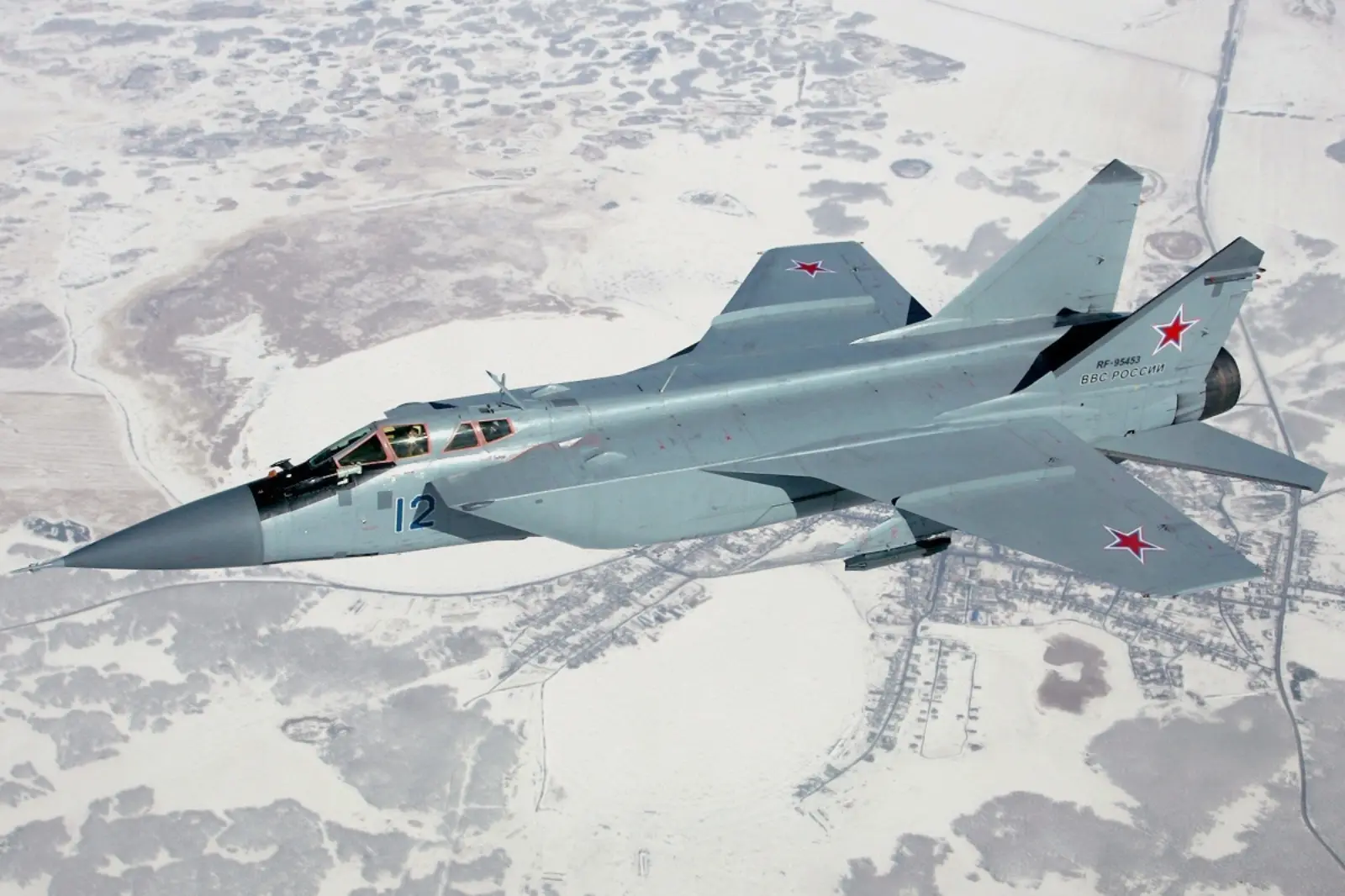
The MiG-31 Foxhound stands as the fastest operational fighter jet in the world. Designed by the Soviet Union, it boasts a top speed of Mach 2.83 (approximately 3,000 km/h) at high altitudes. This interceptor is tailored for high-speed interception, capable of reaching such velocities while carrying heavy payloads. Its impressive performance is complemented by a service ceiling of 25,000 meters and a combat range of up to 1,450 km. The MiG-31 remains a formidable asset in the Russian Aerospace Forces, even decades after its introduction.
2. McDonnell Douglas F-15 Eagle
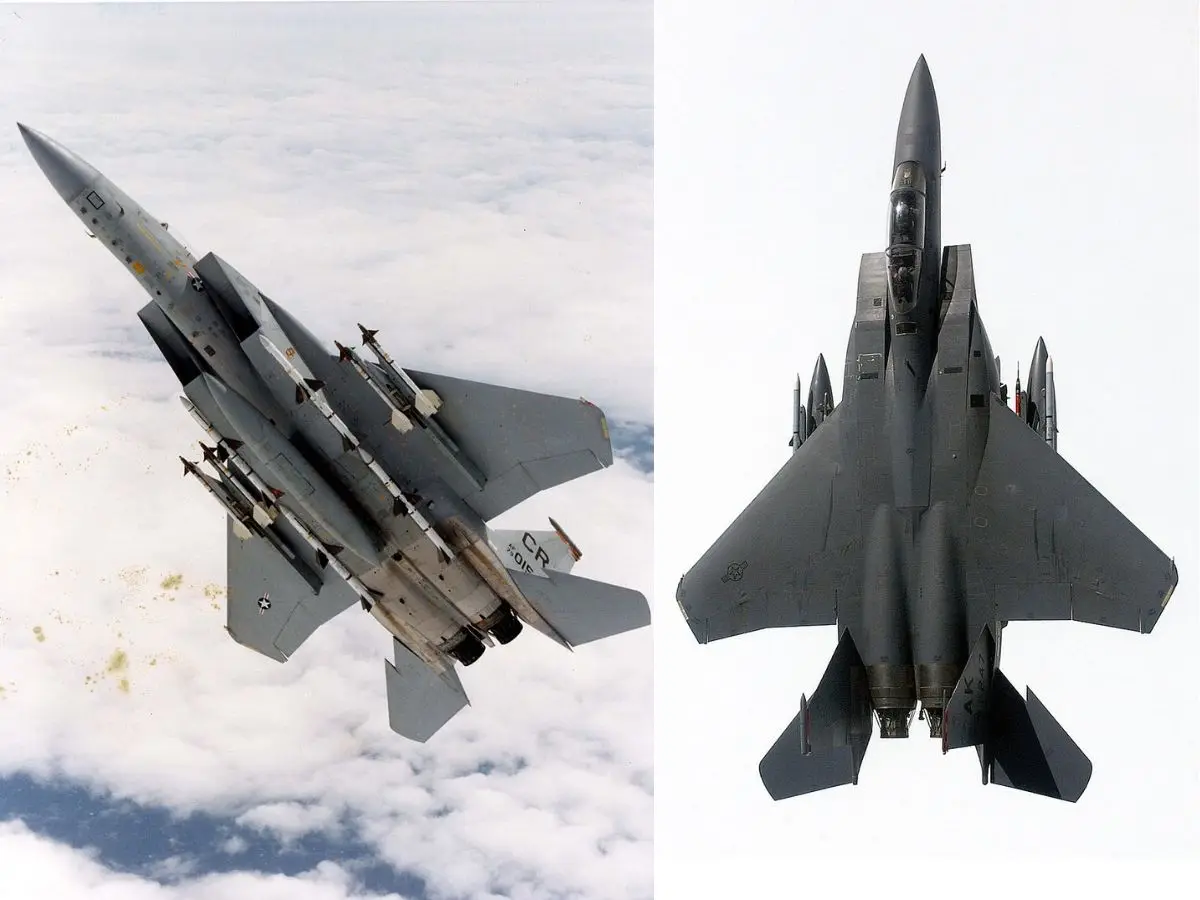
The F-15 Eagle, developed by McDonnell Douglas, has been a cornerstone of the US Air Force since the 1970s. Its top speed reaches Mach 2.5 (approximately 2,655 km/h), enabling it to swiftly engage adversaries. The F-15's design emphasises a balance between speed, manoeuvrability, and payload capacity, making it a versatile multirole fighter. Its enduring presence in various air forces worldwide underscores its reliability and performance.
3. Sukhoi Su-27 Flanker
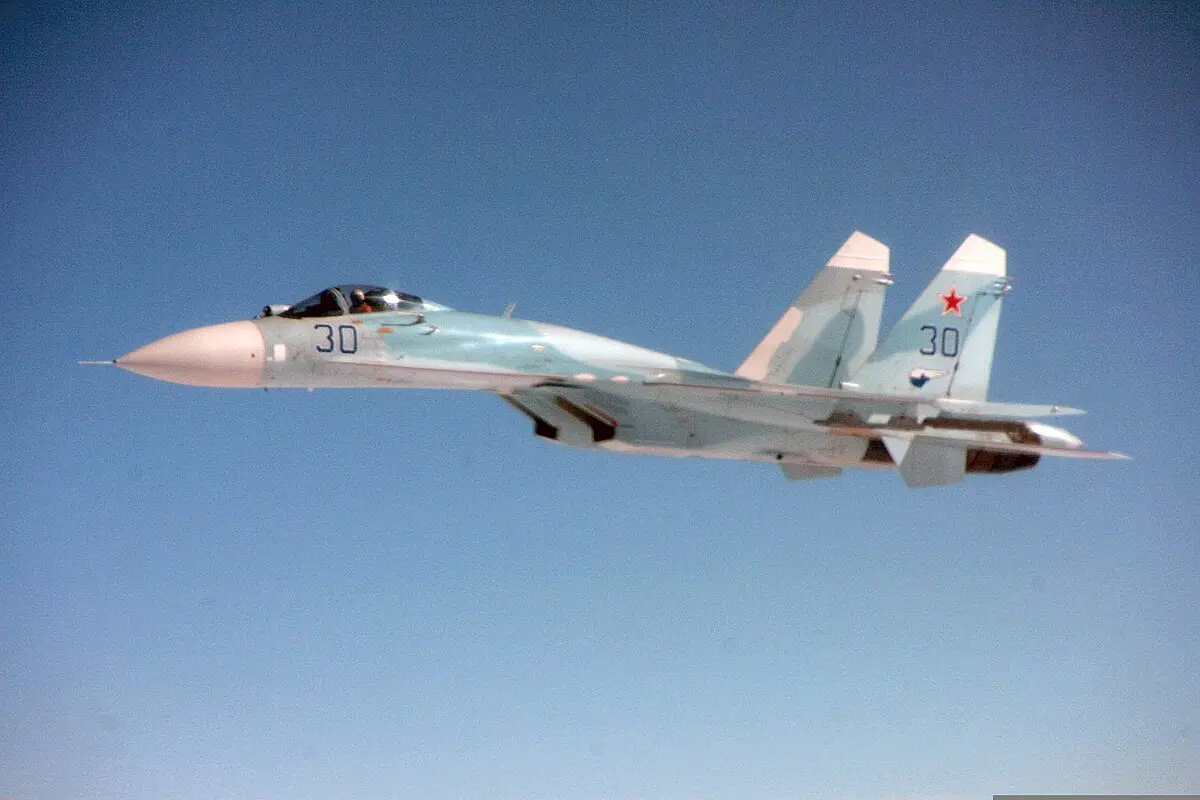
The Sukhoi Su-27 Flanker is a Soviet-origin air superiority fighter that combines high speed with exceptional agility. With a top speed of Mach 2.35 (approximately 2,500 km/h), it can swiftly respond to aerial threats. The Su-27's design emphasises supermaneuverability, allowing it to perform complex aerial manoeuvres that enhance its combat effectiveness. Its versatility has led to various derivatives, including the Su-30 and Su-33, which continue to serve in multiple air forces.
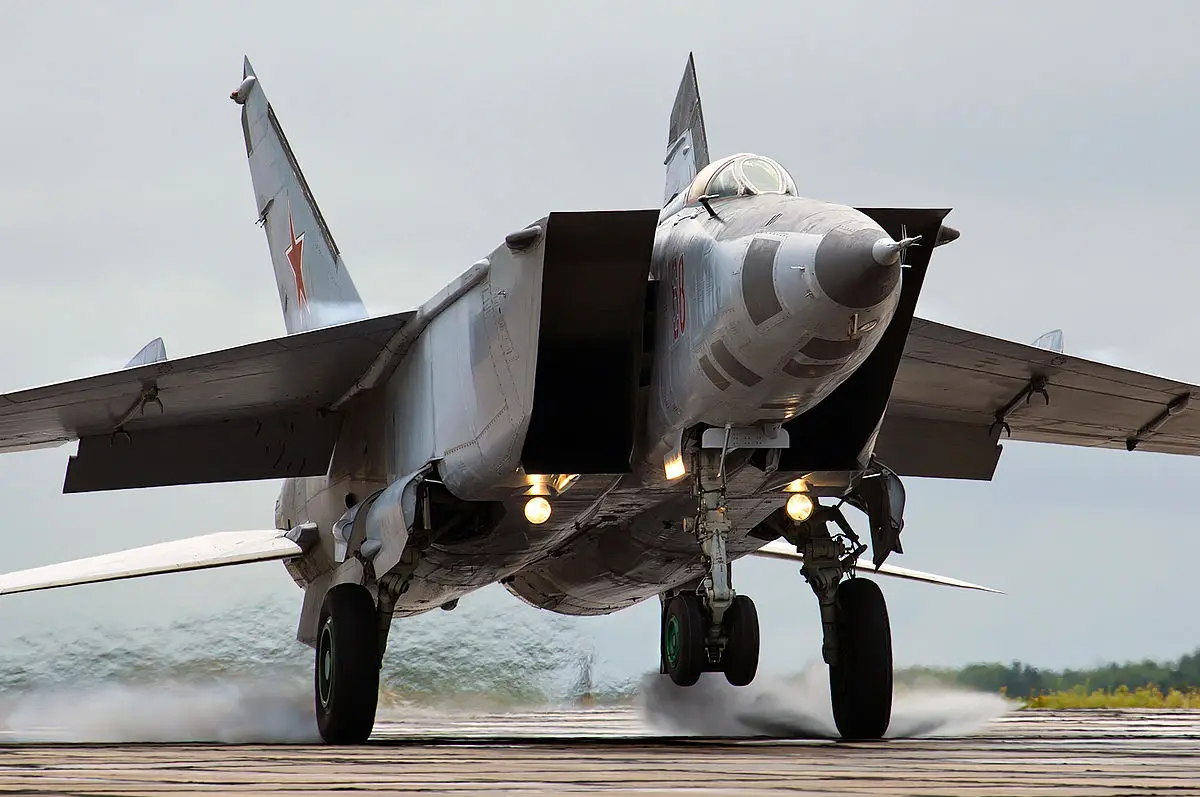
4. Mikoyan MiG-25 Foxbat
The MiG-25 Foxbat was a groundbreaking aircraft in its era, capable of reaching speeds up to Mach 3.2 (approximately 3,400 km/h). Designed for high-speed interception, it could operate at altitudes exceeding 27 km. While its engines were prone to overheating at sustained high speeds, the MiG-25's performance was unparalleled during its time. Although retired from frontline service, it remains a significant milestone in aviation history.
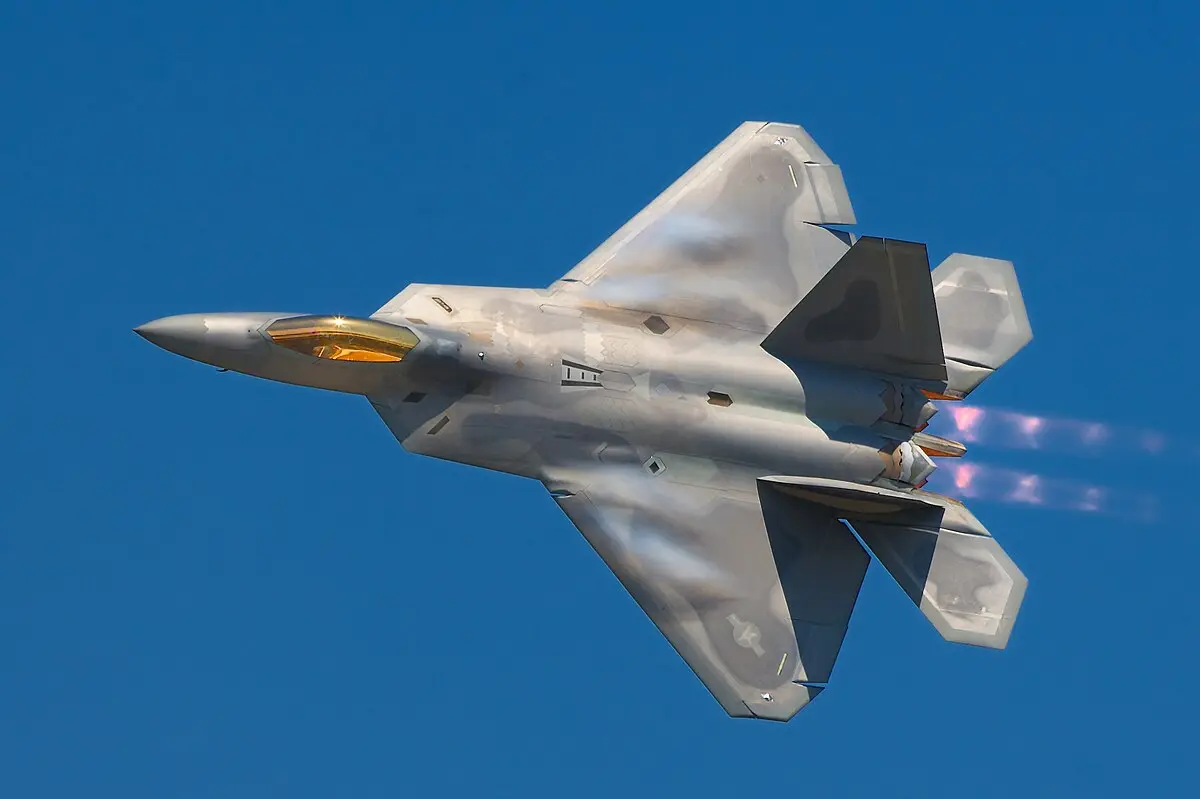
5. Lockheed Martin F-22 Raptor
The F-22 Raptor is a fifth-generation stealth fighter that combines advanced technology with impressive speed. Its top speed is approximately Mach 2.25 (around 2,414 km/h) at high altitudes. The F-22's design incorporates stealth features, supercruise capability (sustained supersonic flight without afterburners), and advanced avionics, making it a formidable presence in modern aerial combat.
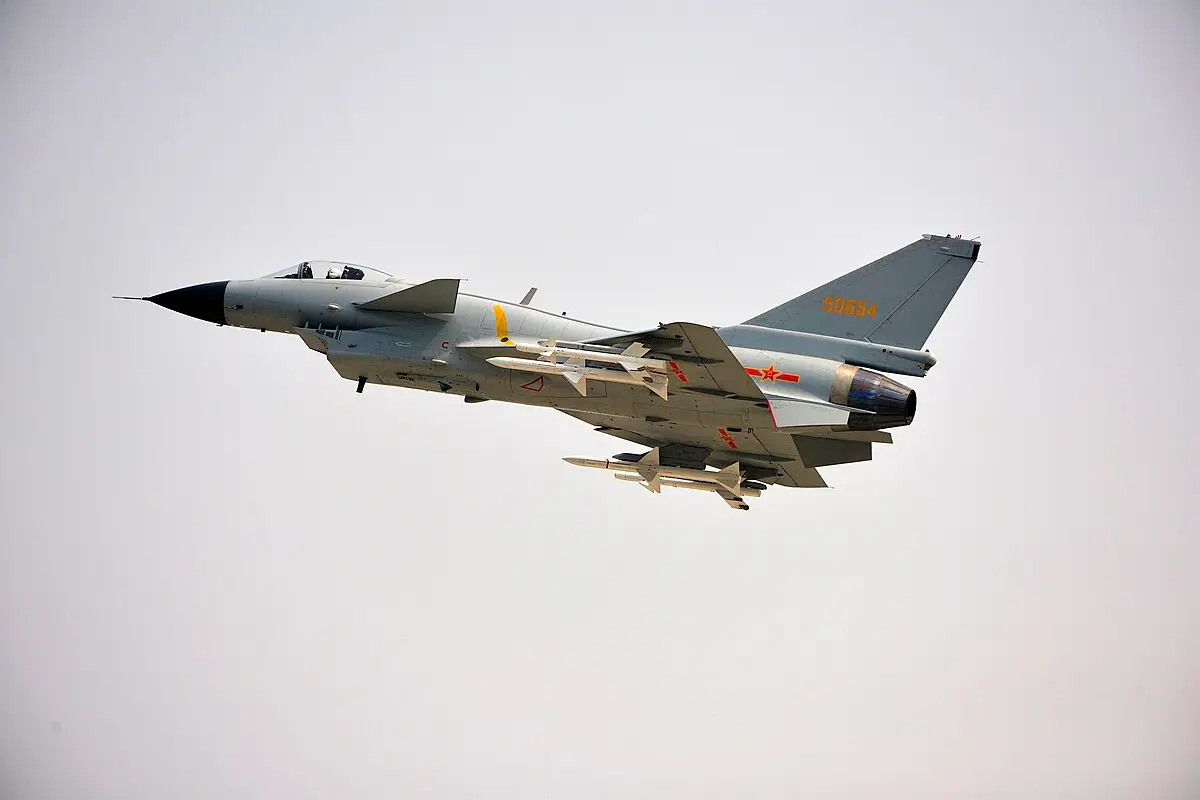
6. Chengdu J-10
The Chengdu J-10 is a Chinese multirole fighter that combines speed with versatility. With a top speed of Mach 2.2 (approximately 2,320 km/h), it can perform a variety of combat roles. The J-10's design emphasises agility and advanced avionics, allowing it to effectively engage in air superiority and strike missions. Its development reflects China's growing capabilities in modern aviation.
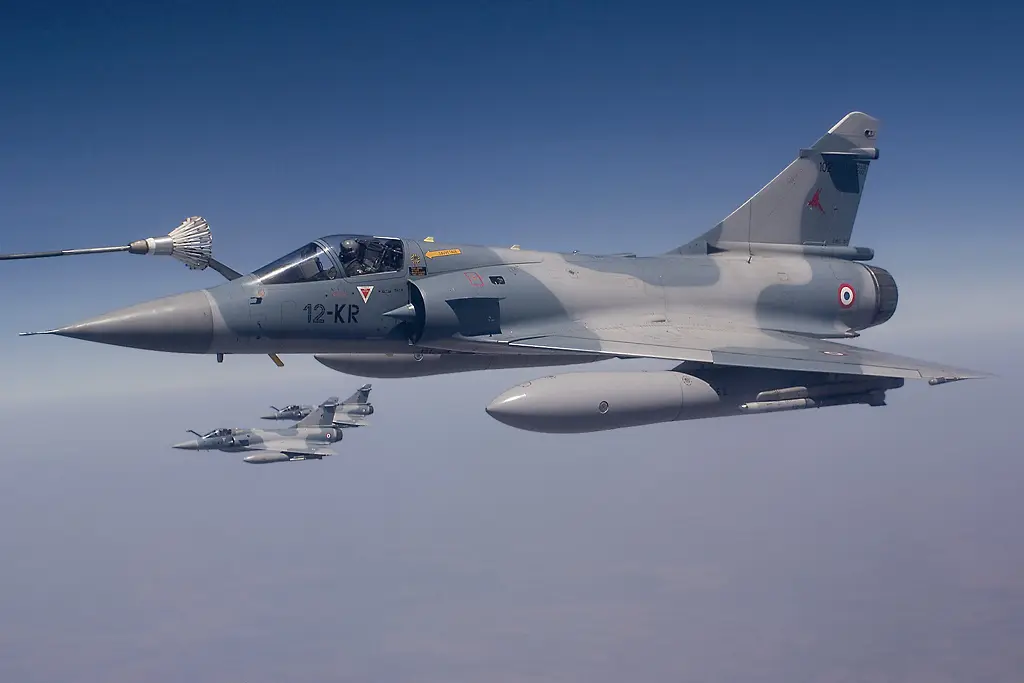
7. Dassault Mirage 2000
The Dassault Mirage 2000 is a French multirole fighter known for its agility and speed. With a top speed of Mach 2.2 (approximately 2,320 km/h), it has been a reliable asset in various air forces. The Mirage 2000's design focuses on precision and manoeuvrability, making it effective in both air-to-air and air-to-ground combat scenarios. Its continued service highlights its enduring performance and adaptability.
Conclusion
While true hypersonic flight remains a frontier yet to be fully realised in operational fighter jets, these seven aircraft exemplify the remarkable speeds achievable in modern aerial combat. Each jet brings a unique combination of velocity, agility, and technological advancements, underscoring the relentless pursuit of excellence in military aviation. As nations continue to push the boundaries of aerospace engineering, the quest for faster and more capable fighter jets remains a central focus in the evolution of air combat.
)
)
)
)
)