3 total solar eclipses in 3 years: Where and how to see, and paths of totality

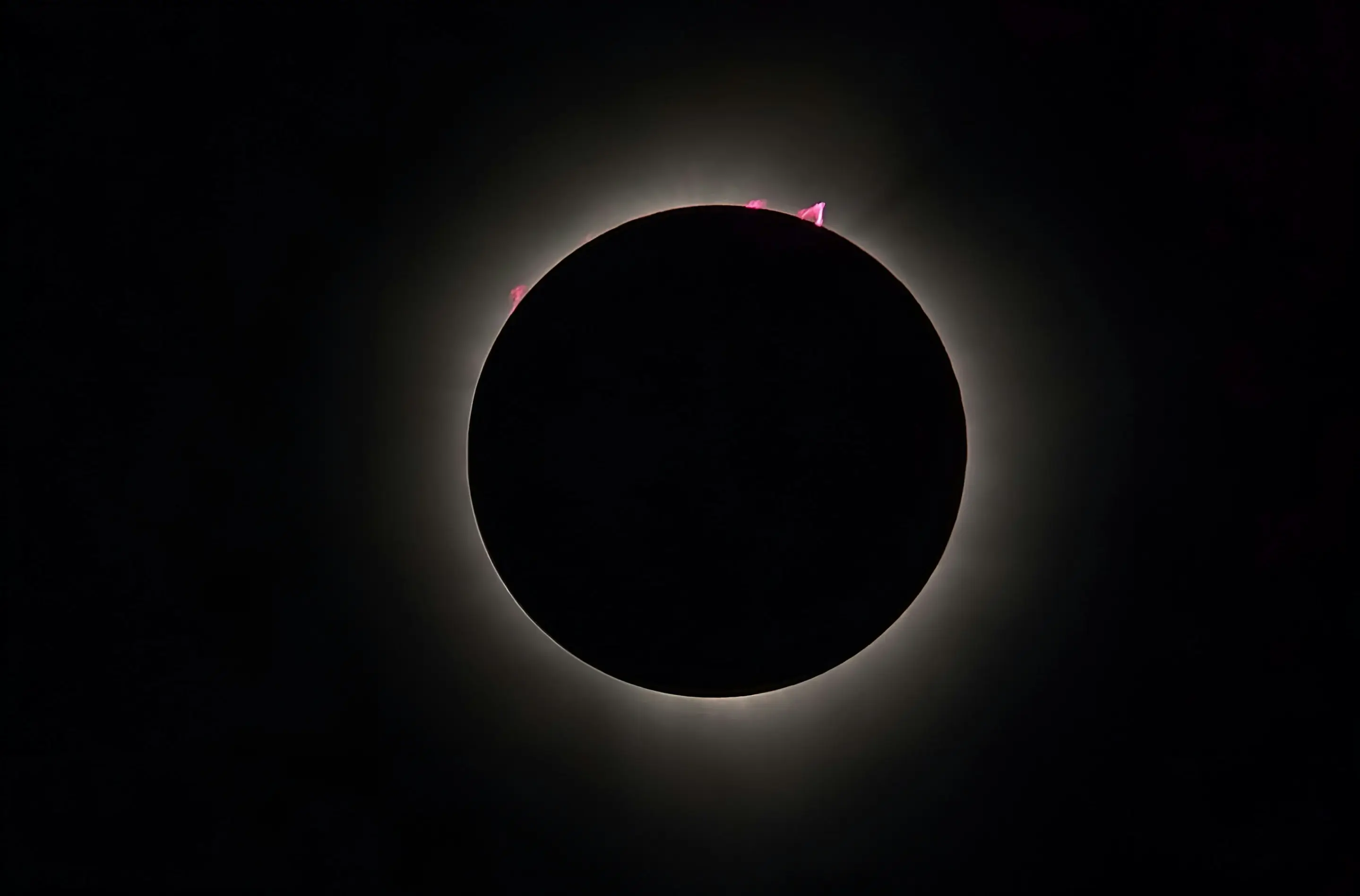
Two total solar eclipses with long paths of totality are due to occur in 2026 and 2027. One of them will last for over 6 minutes and will be spread over a long area. The year 2028 will also witness another total solar eclipse.
Two total solar eclipses in 2026 and 2027
Two solar eclipses will occur in the next two years, with the first one on Aug. 12, 2026, and the second on Aug. 2, 2027. The last total solar eclipse happened on April 8, 2024, and was visible from Mexico, 15 states in the United states and six Canadian provinces. It was known as the "Great American Eclipse" because of the expanse of area covered.
'Eclipse of the century' in 2027
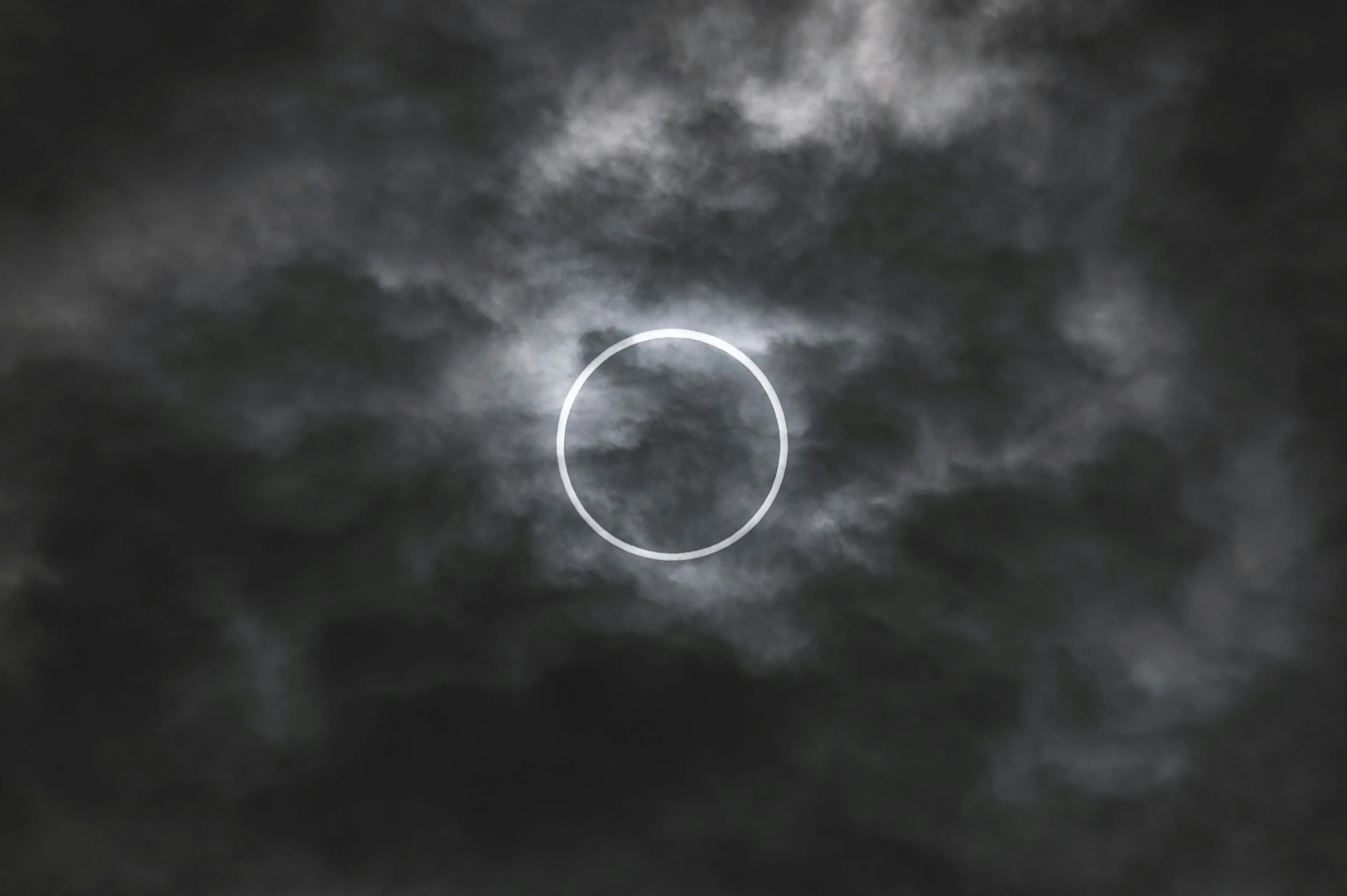
The year 2025 went without any total solar eclipse, with two partial solar eclipses occurring on March 29 and September 21. But now, two of them are coming one after the other. The one in 2027 is being dubbed the "eclipse of the century". Here is everything you need to know about the total solar eclipses in 2026 and 2027.
2026 total solar eclipse over Siberia, Greenland, Iceland and Europe
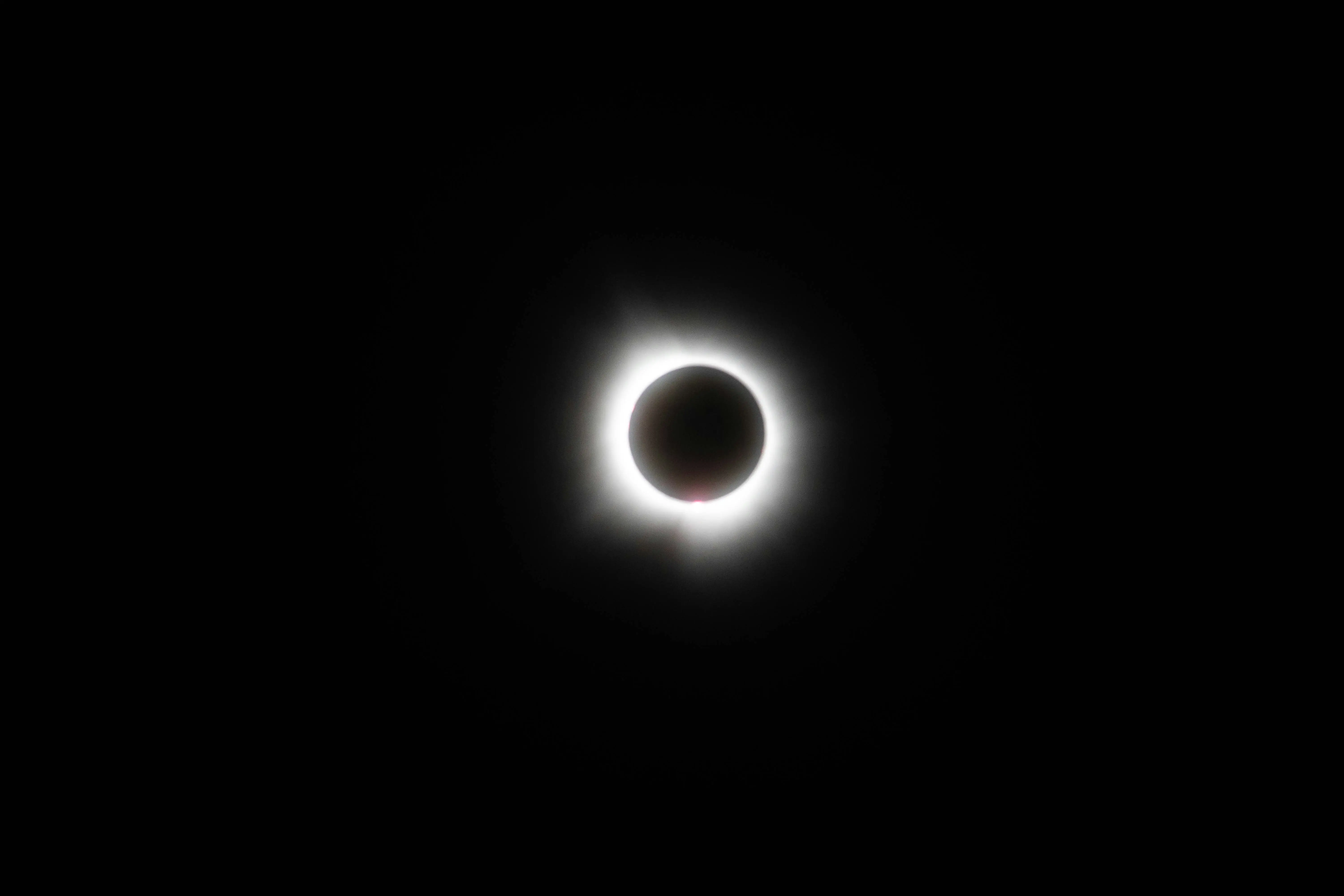
The path of totality in the 2026 solar eclipse will fall in Siberia, Greenland, Iceland and Spain. It will start as an eclipsed sunrise in a remote part of northern Siberia, before moving on to eastern Greenland, the west coast of Iceland and northern Spain. The longest totality will be visible in Iceland's Snæfellsnes Peninsula and the fjords of eastern Greenland, Live Science reported. It will last for a little over two minutes.
Eclipse sunset over Mediterranean Sea
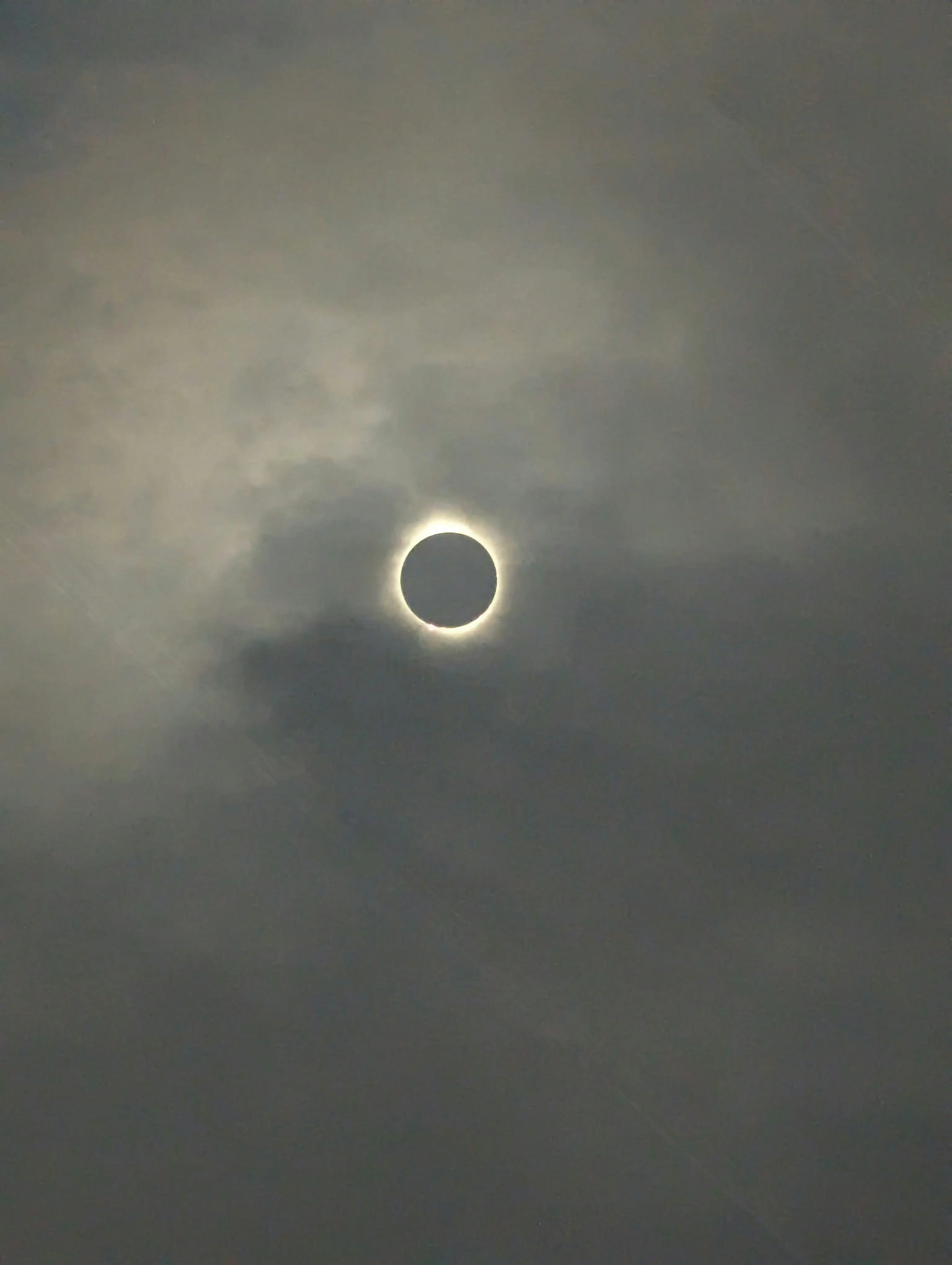
The sun will set eclipsed over the Mediterranean Sea. It will be the first total eclipse to be visible from Europe since 1999. Spain will be where the path of totality falls, and León, Burgos and Valladolid will be the best places to see the eclipse. The totality here will occur at sunset, and clear skies are expected.
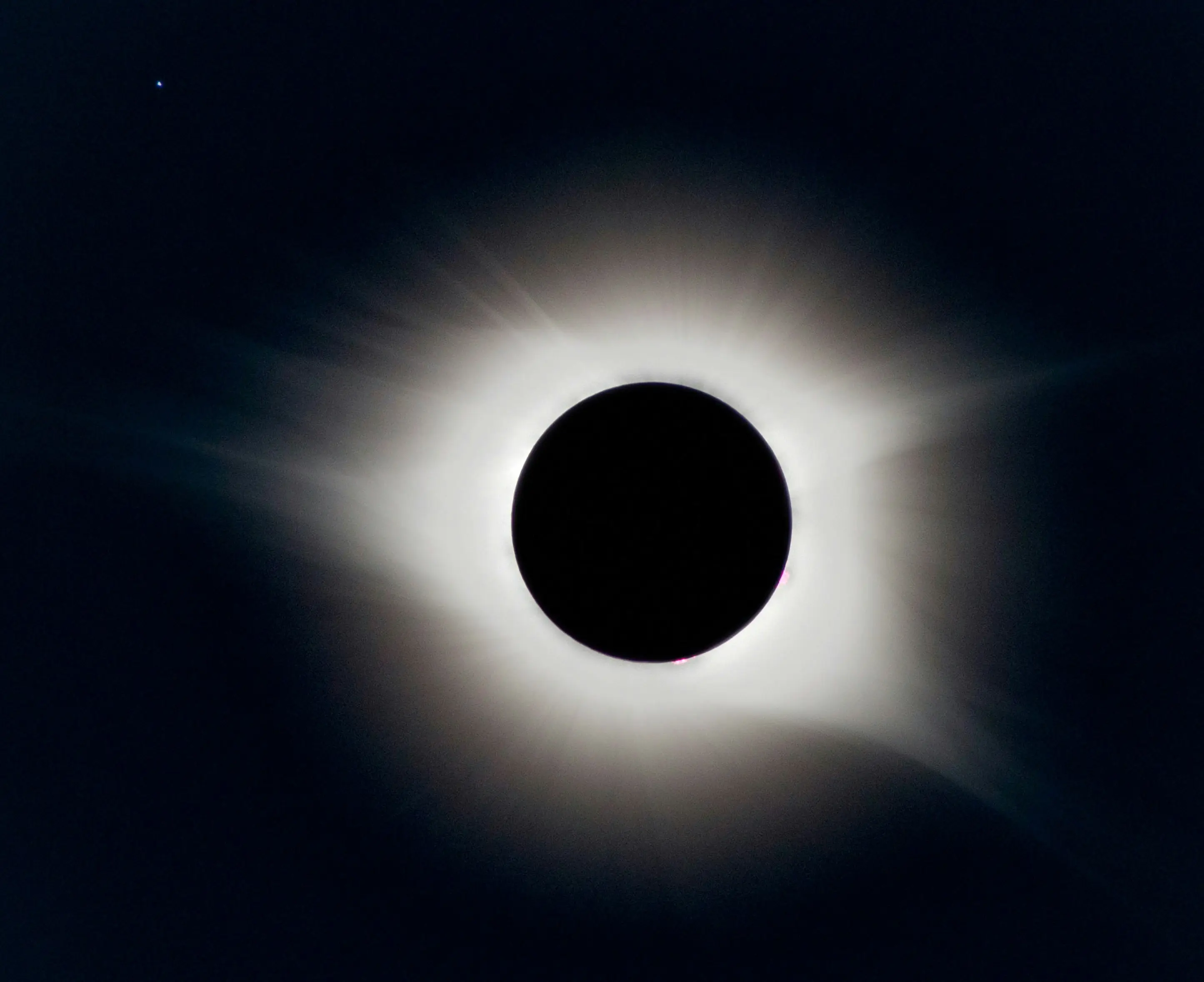
Once-in-a-lifetime total solar eclipse in 2027
The total solar eclipse in 2027 will be a once-in-a-lifetime event because of its duration, and is being called “eclipse of the century”. It will last for a whopping 6 minutes, 22 seconds. It will start over the Atlantic Ocean and move through the Strait of Gibraltar, southern Spain, northern Africa (Morocco, Algeria, Tunisia, Libya, Egypt), and stretch into the Arabian Peninsula. It will end over the Indian Ocean.
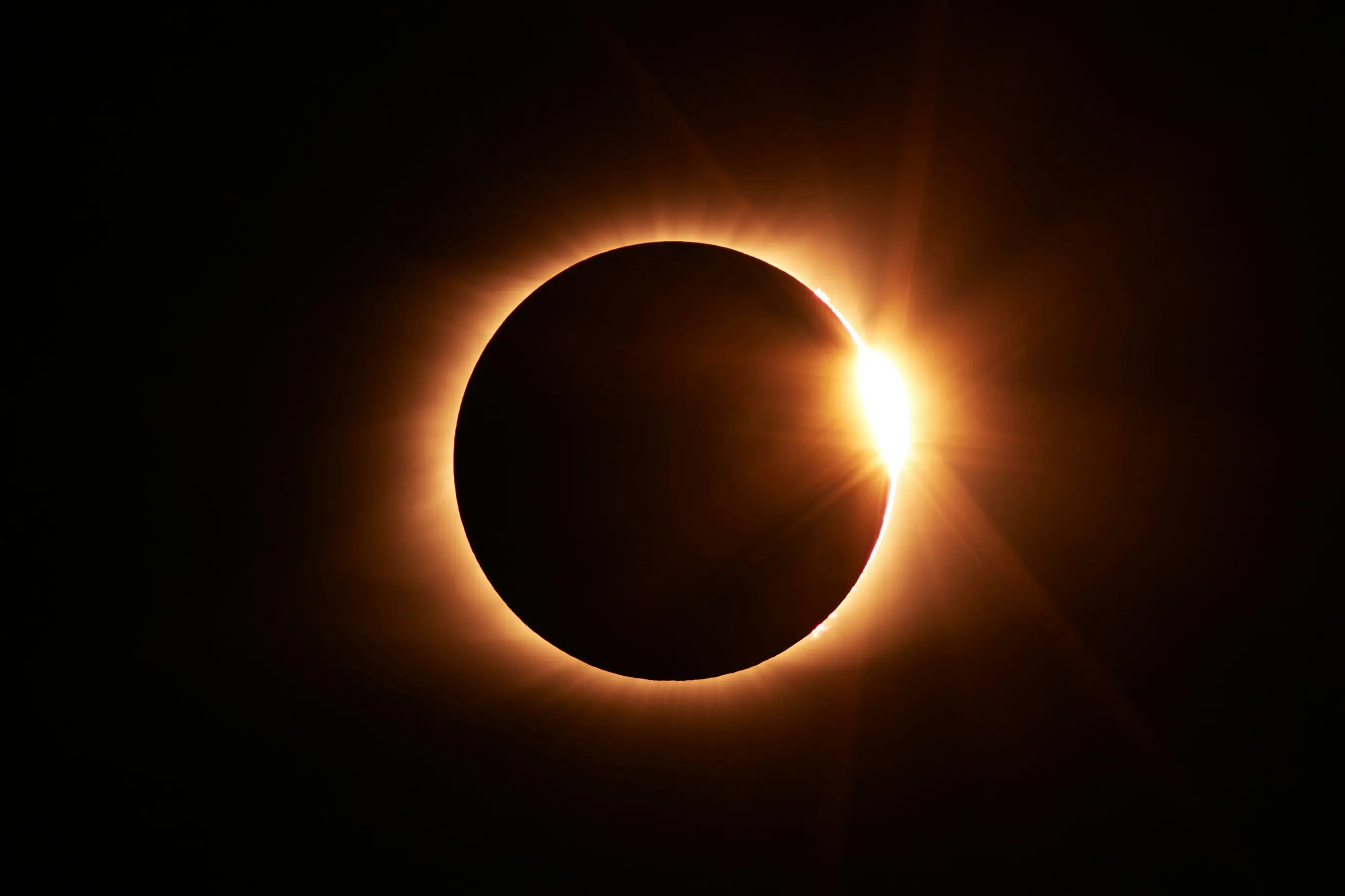
Longest total solar eclipse in history
The huge path of totality means it will be visible to millions of people across the world. The skies will be clear throughout the region, making it clearly visible. Luxor, Egypt, will witness the longest totality on land, not just for this eclipse, but for the entire 21st century. The longest total solar eclipse in recorded history happened on June 15, 743 BC, and lasted for 7 minutes and 28 seconds. The next such eclipse is not due to happen before 2114.
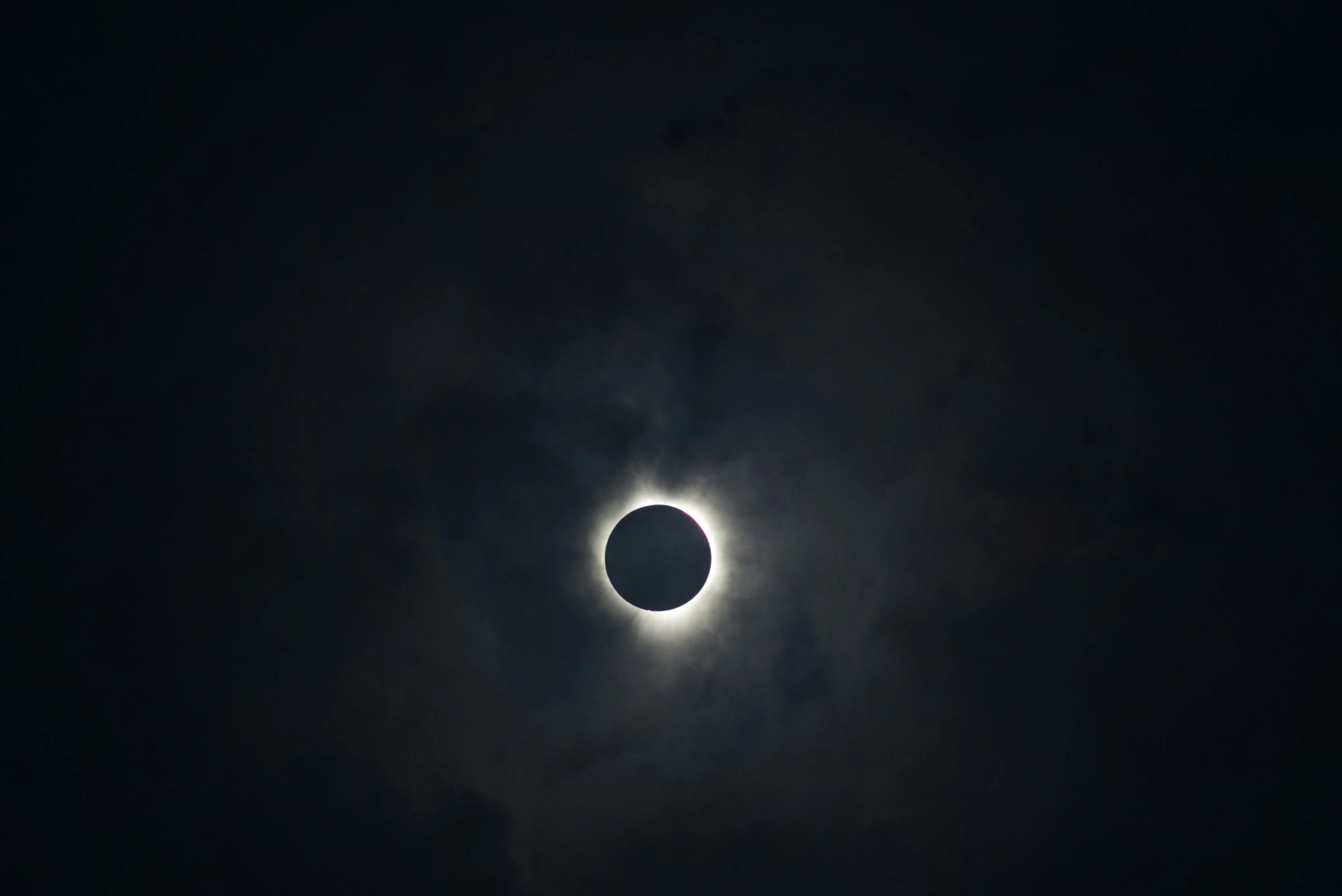
2028 total solar eclipse
The wonders of a total solar eclipse won't end in 2027. Another one of these cosmic events is slated for July 22, 2028, covering Australia and New Zealand. Sydney will witness its first totality since 1857.
)
)
)
)
)