Delhi-NCR 'chakka jam': 4 lakh autos, cabs to stay off roads as transport strike begins. All we know

Delhi-NCR’s three-day transport strike could turn ordinary commutes into a nightmare. With lakhs of autos and cabs expected off roads from May 21 to 23, office-goers, railway and airport travellers may face packed Metro stations, long waits and soaring fares in peak summer heat. Scroll down.
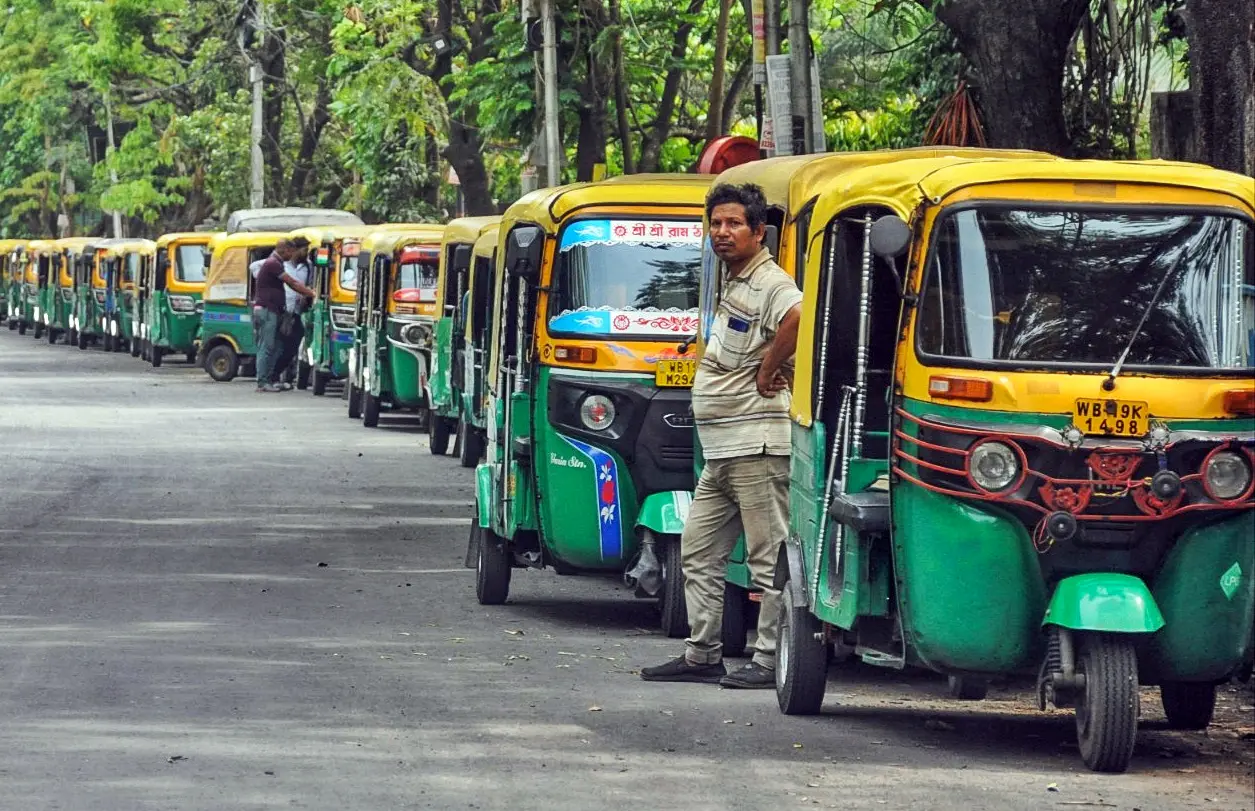
Morning office rush set to turn into a nightmare
From railway stations to office commutes, people in Delhi-NCR are set to experience a tough time travelling in this heat as commercial vehicle unions across announced a three-day transport strike from May 21 to May 23. The 'chakka jam' is set to disrupt daily life for lakhs. Here’s how ordinary commuters may feel the impact.
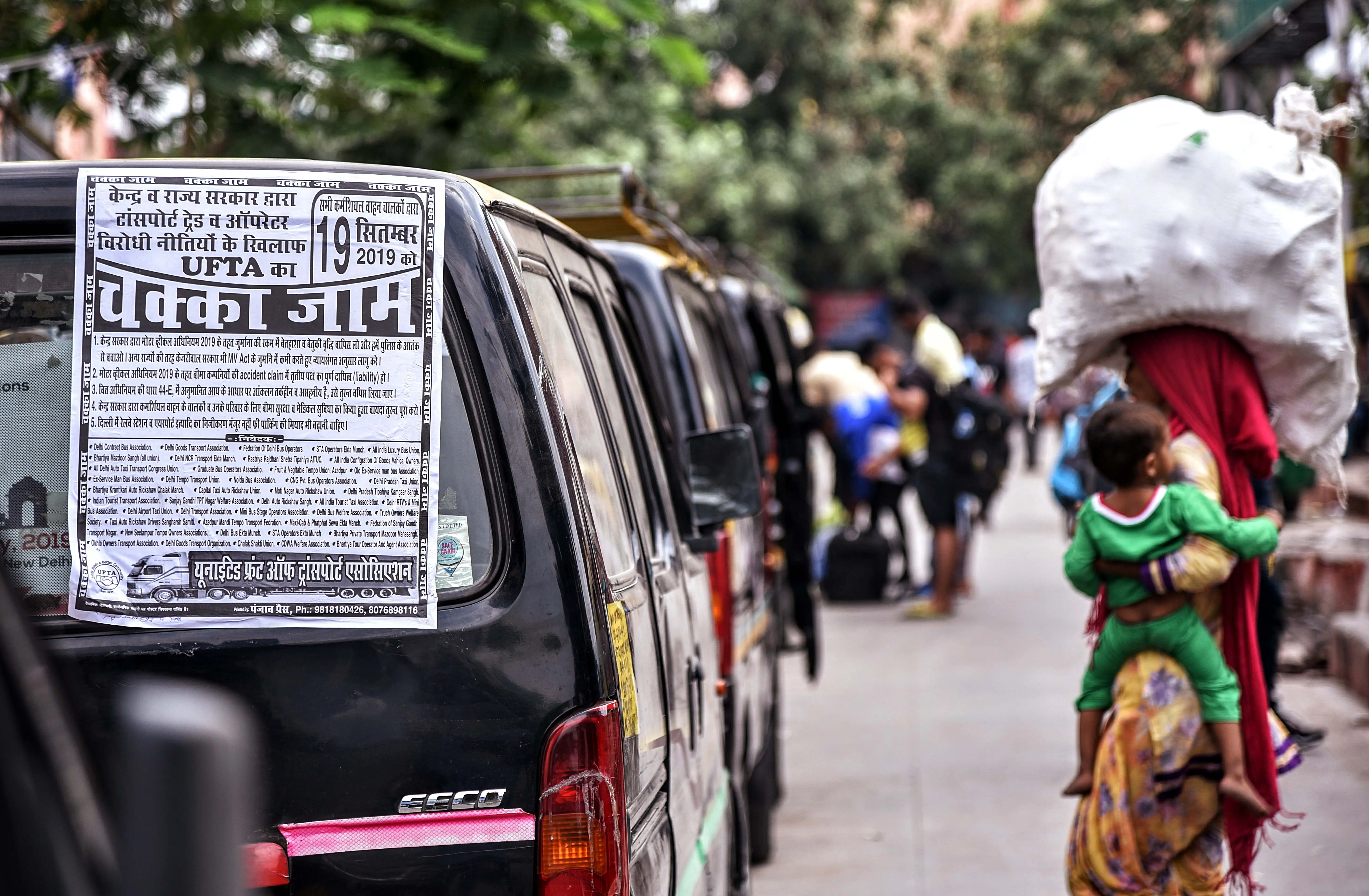
Chakka jam starts in Delhi
From May 21 to May 23, cabs, auto-rickshaws and commercial transport services across Delhi-NCR are expected to come to a standstill as more than 68 transport unions launch a "chakka jam," a wheel-blocking protest that could leave millions of commuters scrambling for alternatives.
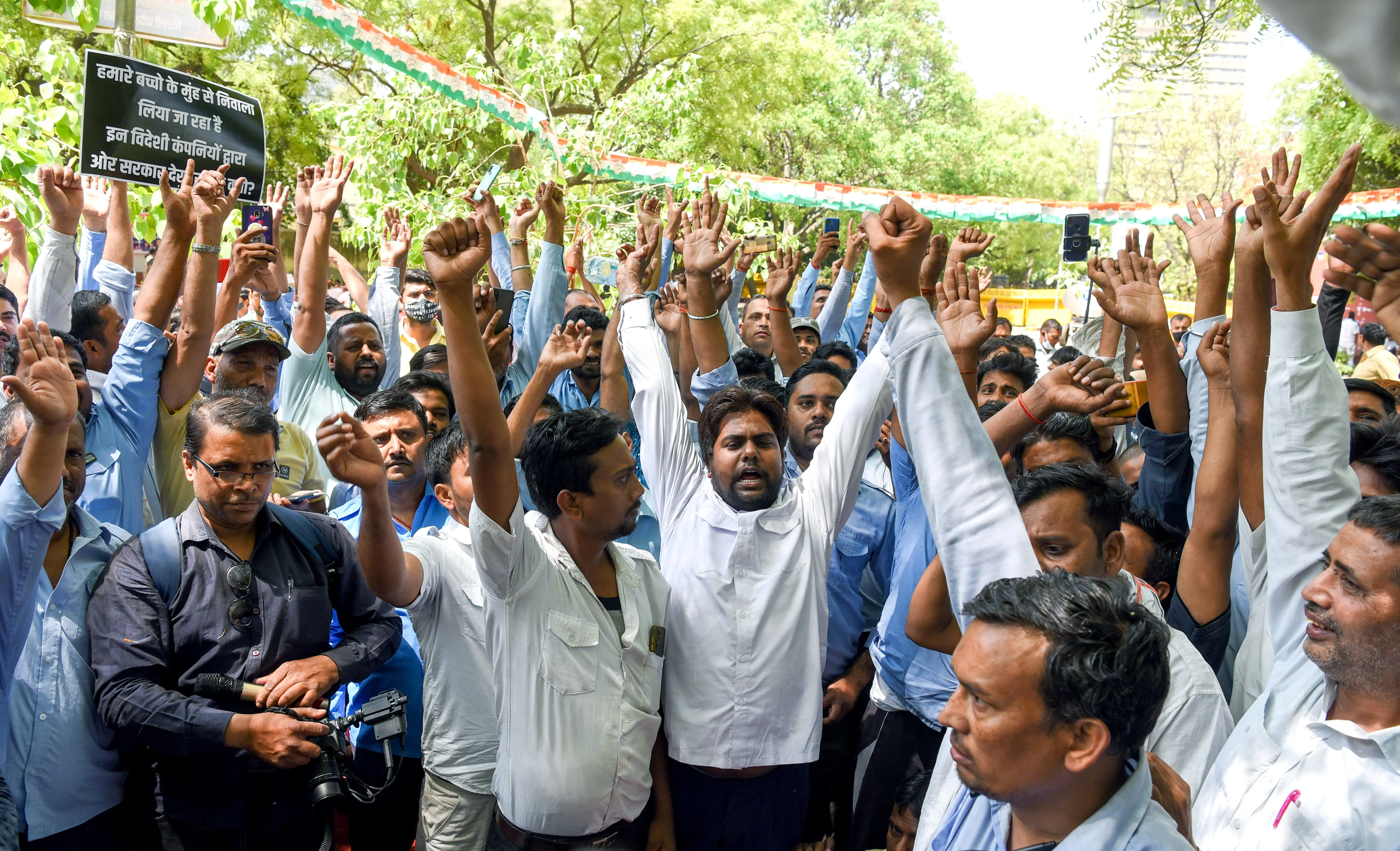
4 lakh taxi drivers expected to join massive strike
Over 68 transport unions and nearly 4 lakh taxi owners are expected to support the strike, making this one of the largest coordinated transport shutdowns in recent years. The strike is being coordinated under the All India Motor Transport Congress and the United Front of All Transport Associations.
With auto-rickshaws and app-based taxis expected to stay off roads from May 21 to 23, office-goers may face longer waiting times, overcrowded Metro stations, and expensive last-mile travel options.
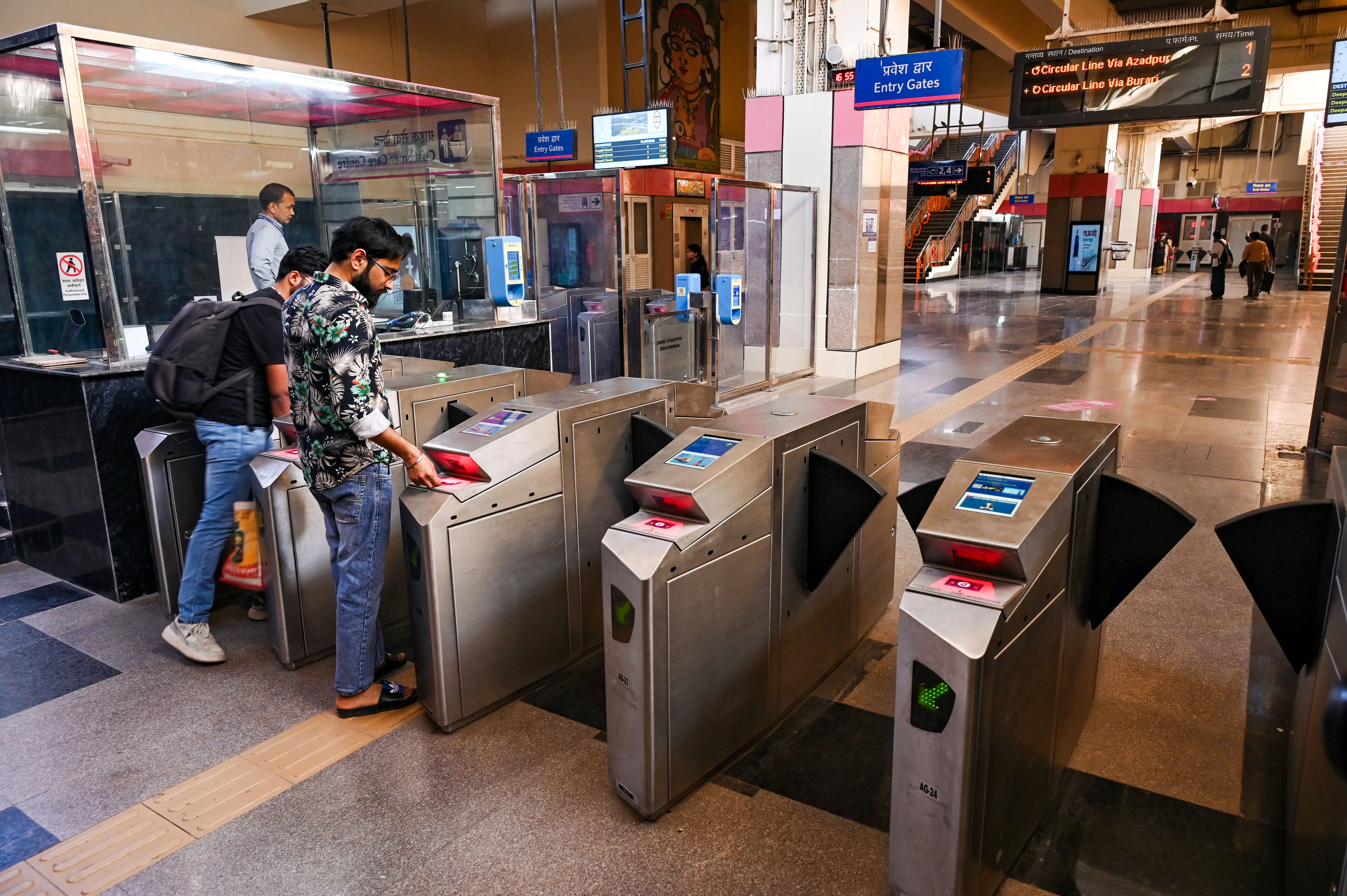
What about DTC buses and Delhi Metro?
The Delhi Metro and DTC buses will continue running. It is only app-based cab services, auto-rickshaws, and peak-hour local transport that will be severely hit.
Notably, for many commuters in areas with weak Metro connectivity, autos and cabs are not a luxury; they are the only reliable way to reach their offices, colleges, etc.
What's behind the auto, cab drivers' strike?
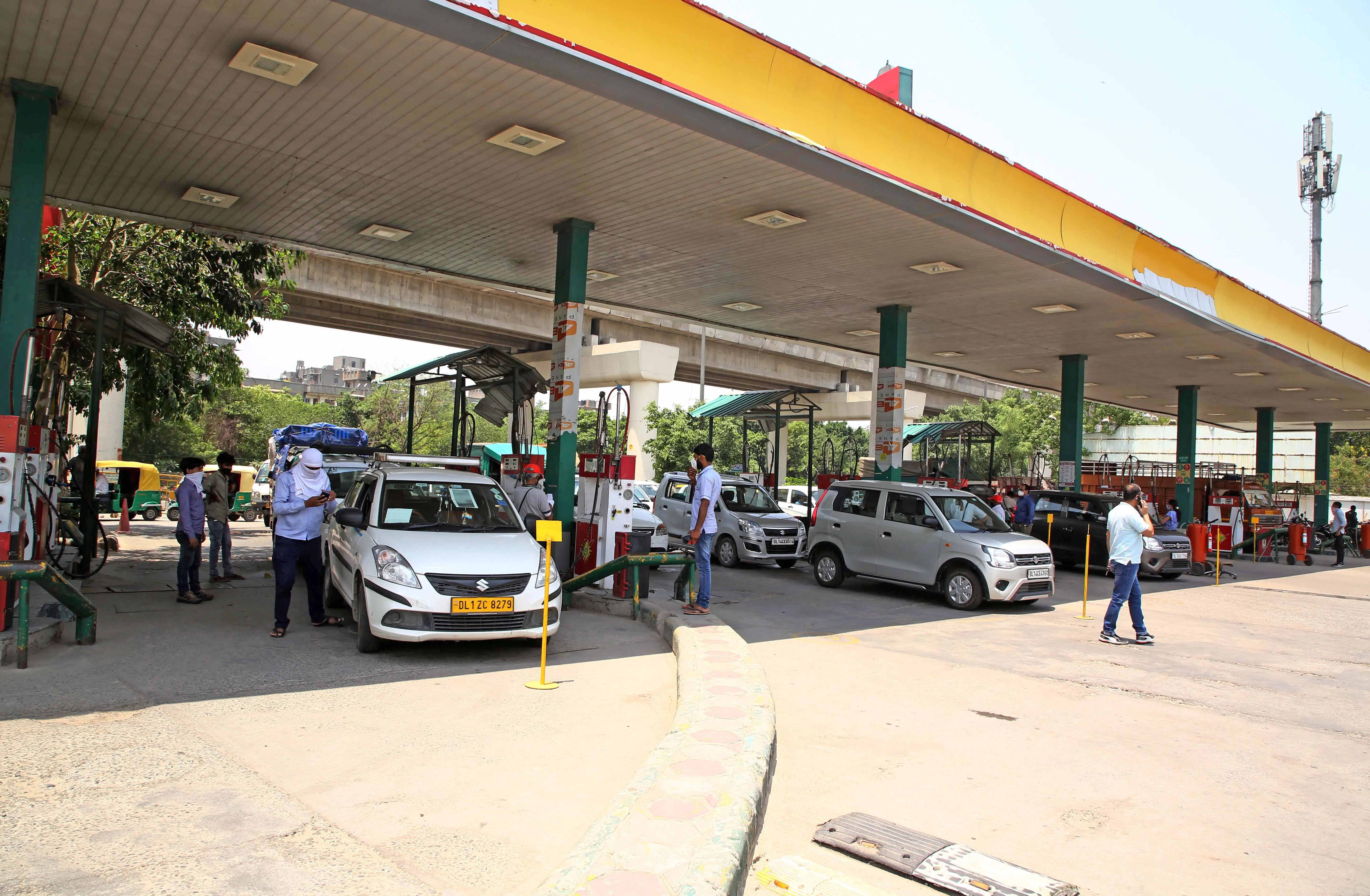
The core grievance is straightforward: taxi fares in Delhi-NCR have not been revised in nearly 15 years. However, CNG prices have risen steadily throughout that period. Fuel costs have spiked further in recent months following the disruption to global oil supply caused by the US-Iran war. Just last week, the Union government increased the prices of diesel and petrol by three rupees a litre. This essentially means that drivers are paying more to run their vehicles while charging passengers the same. "Taxi fares have not been increased for the last 15 years, while CNG prices have continuously risen. Despite repeated discussions, the government has not listened to us," said Anuj Kumar Rathore, vice-president of the Chaalak Shakti Union.
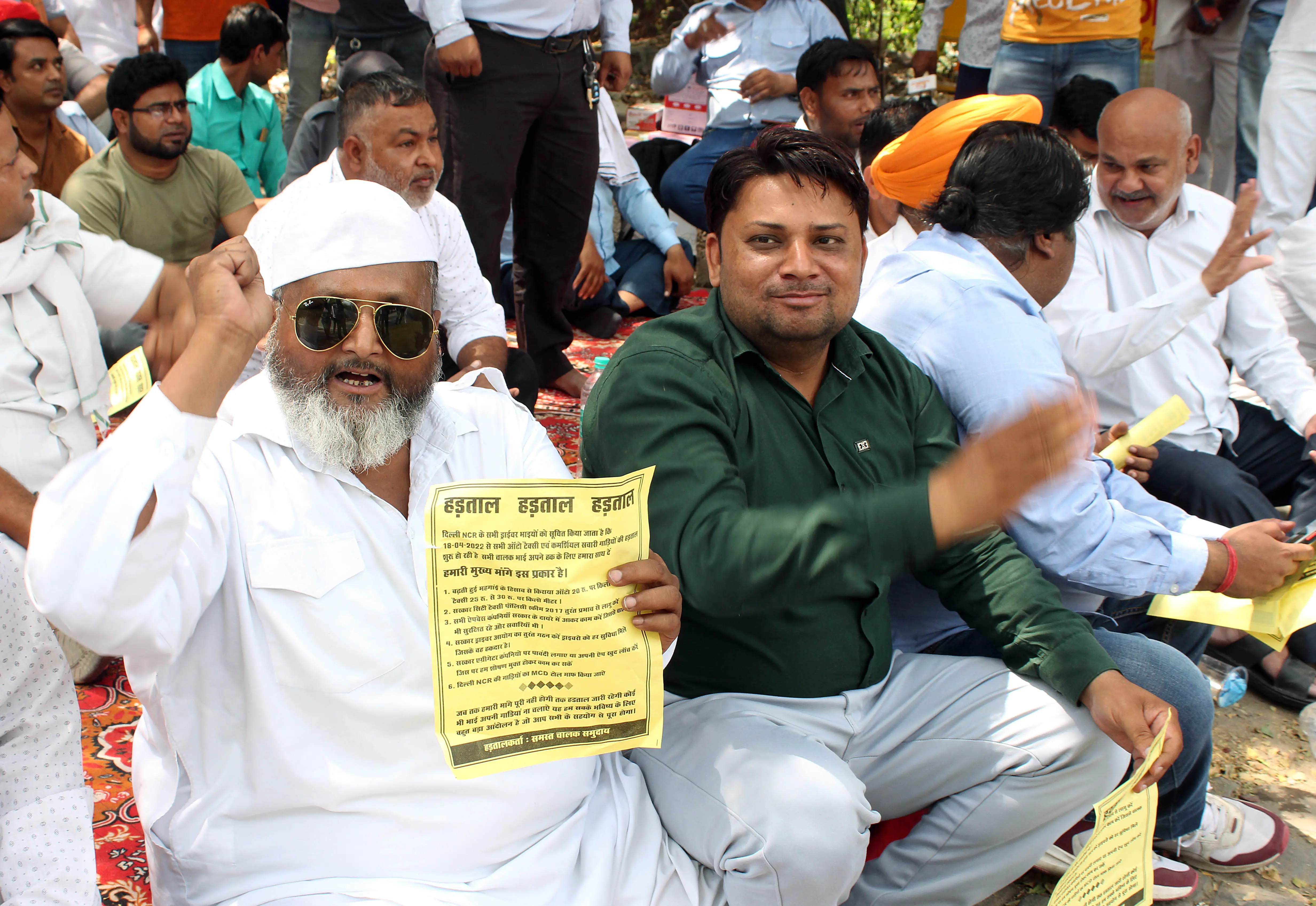
"We drive for 24 hours. Don't we have any rights?"
Talking to NDTV, a cab driver identified only as Ashish said, "We drive for 24 hours a day. Don't we have any rights? We should at least be given the right to live."
Another driver, Suraj, noted, "In this inflation, it has become impossible to run a household. We do not want anyone's child to become a driver in the future." He added, "What should we do? Should we kill ourselves? Who is going to listen to us?"
Beyond fuel costs, drivers pointed to mounting annual expenses, vehicle fitness certificates, insurance and permits, that they say are eating into earnings.
What the unions are demanding?
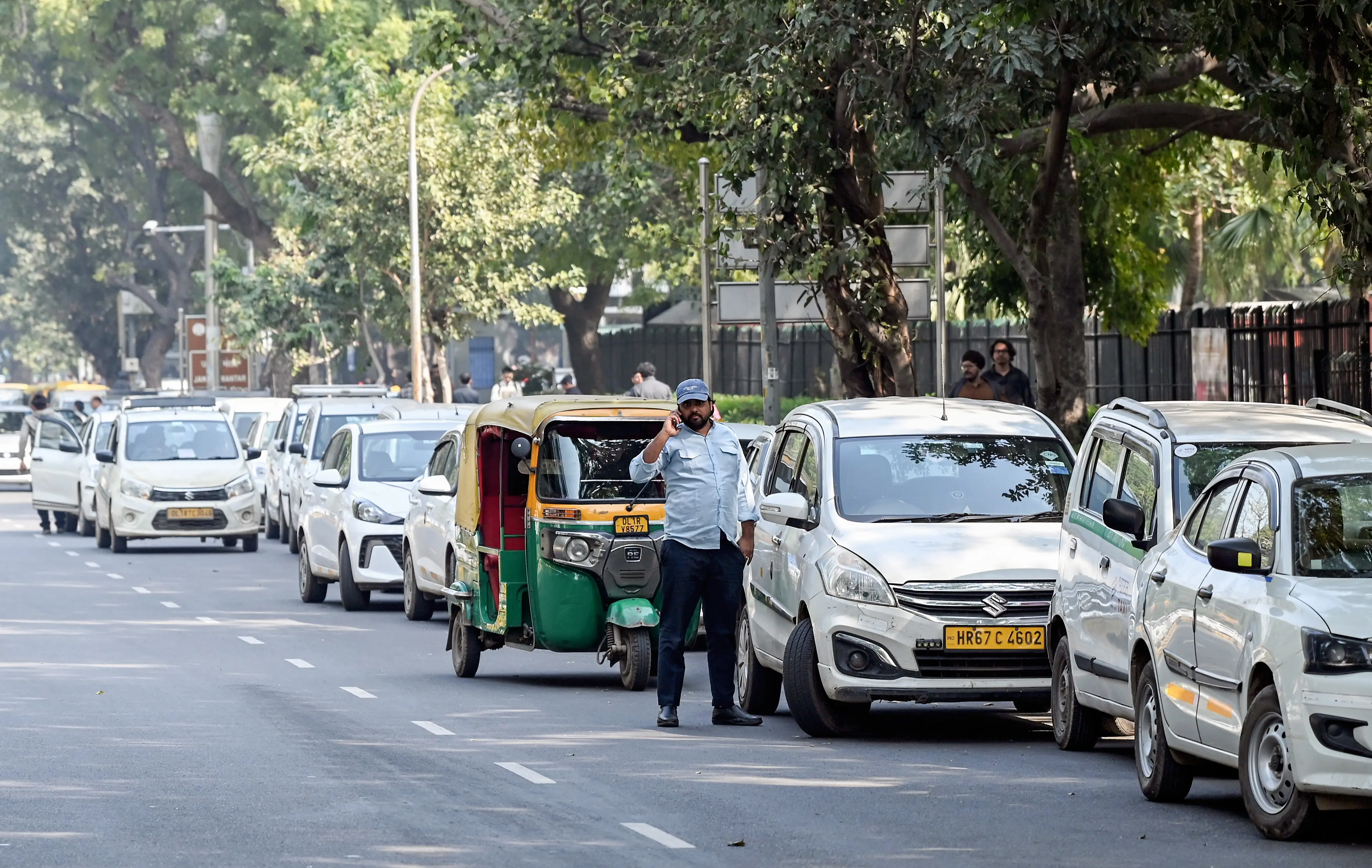
The All India Motor Transport Congress wrote to Delhi Lieutenant Governor Taranjit Singh Sandhu and Chief Minister Rekha Gupta on Monday, laying out a formal list of demands. The key asks include an immediate hike in taxi fares, a rollback of Enhanced Congestion Charges, and a reconsideration of restrictions on commercial vehicles. The unions have set a two-week deadline. "If the government does not immediately increase taxi fares and issue a notification within one or two weeks, this movement will be intensified into a large-scale protest, for which the Delhi government solely would be responsible," warned Anuj Kumar Rathore, vice-president of the Chaalak Shakti Union.
What commuters can expect
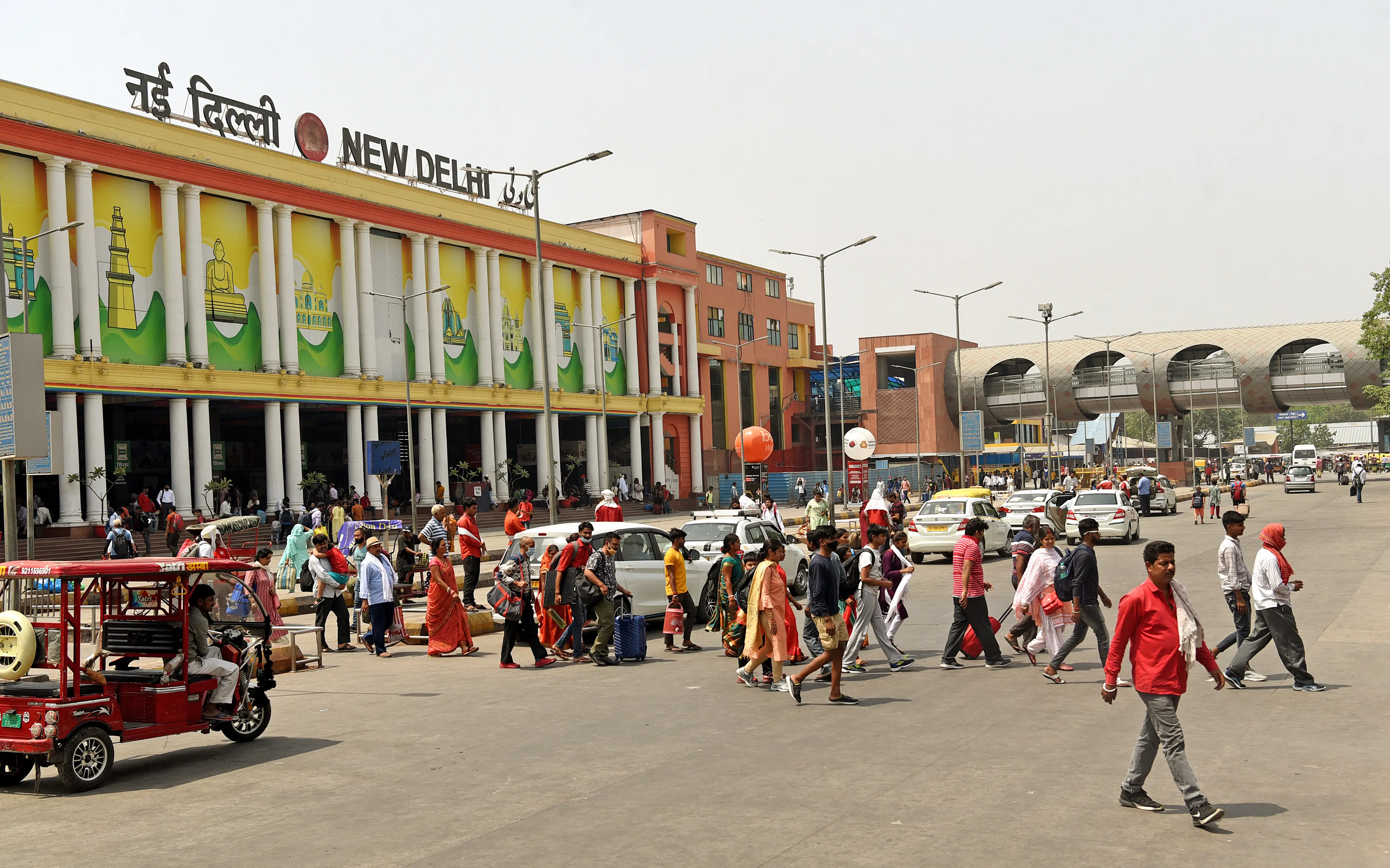
For the three days of the strike, anyone relying on Ola, Uber or auto-rickshaws for their daily commute should have a backup plan. App-based cab availability will likely be severely reduced. Even if some app-based cabs continue operating, fewer vehicles on roads could sharply push up fares during peak hours.
Auto services across the NCR will be largely absent. Peak-hour connectivity will be the hardest hit. Commuters travelling to railway stations, airports or hospitals are particularly advised to plan ahead.
)
)
)
)
)