'3,84,000 km from Earth': How far Artemis II astronauts travel in 10 days during their visit to Moon?

The Artemis II mission is taking humanity further into the cosmos than ever before. While the average distance from Earth to the Moon is 3,84,000 kilometers, the four-person crew will travel significantly further, flying up to 9,600 kilometers beyond the lunar far side.
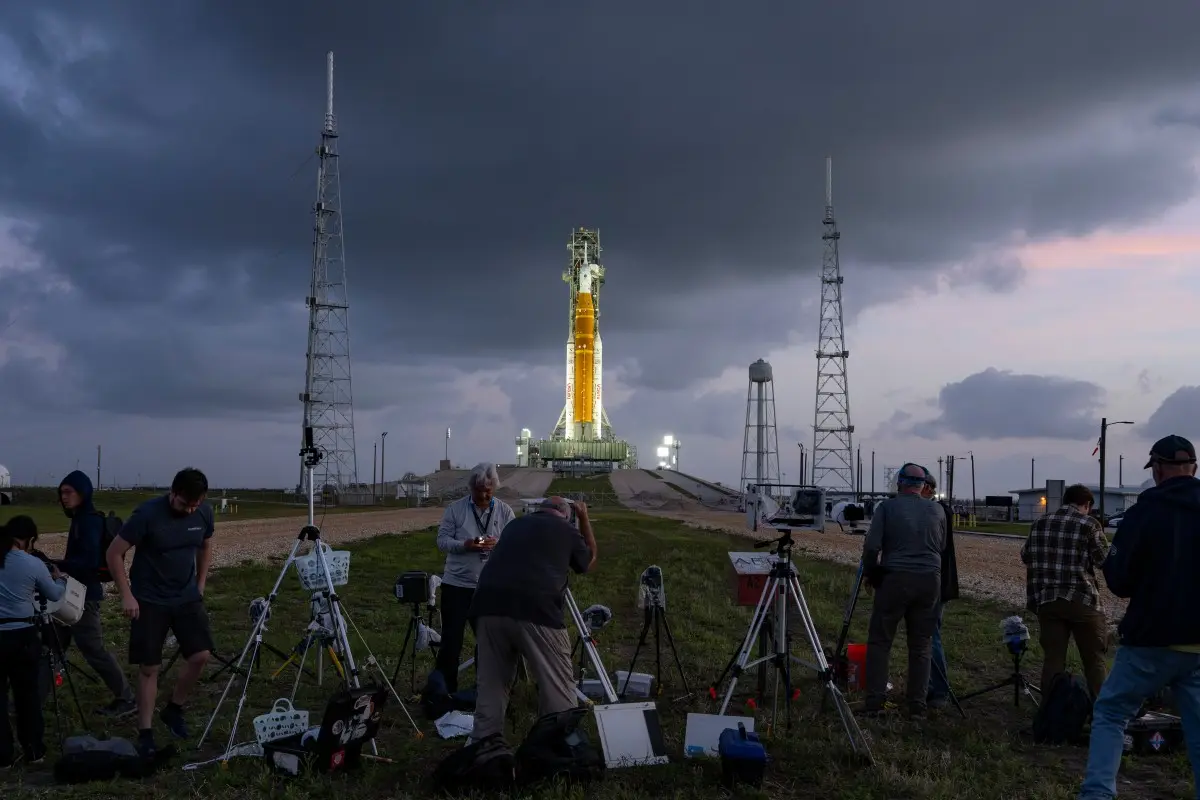
The 3,84,000 km Benchmark
When we talk about traveling to the Moon, 3,84,000 kilometers (roughly 238,900 miles) is the universally recognized average distance from Earth. It is a vast expanse of empty space that takes the Orion spacecraft roughly four days of continuous high-speed travel just to cross. However, for the Artemis II crew, reaching the Moon is only a milestone on the journey, not the final destination.
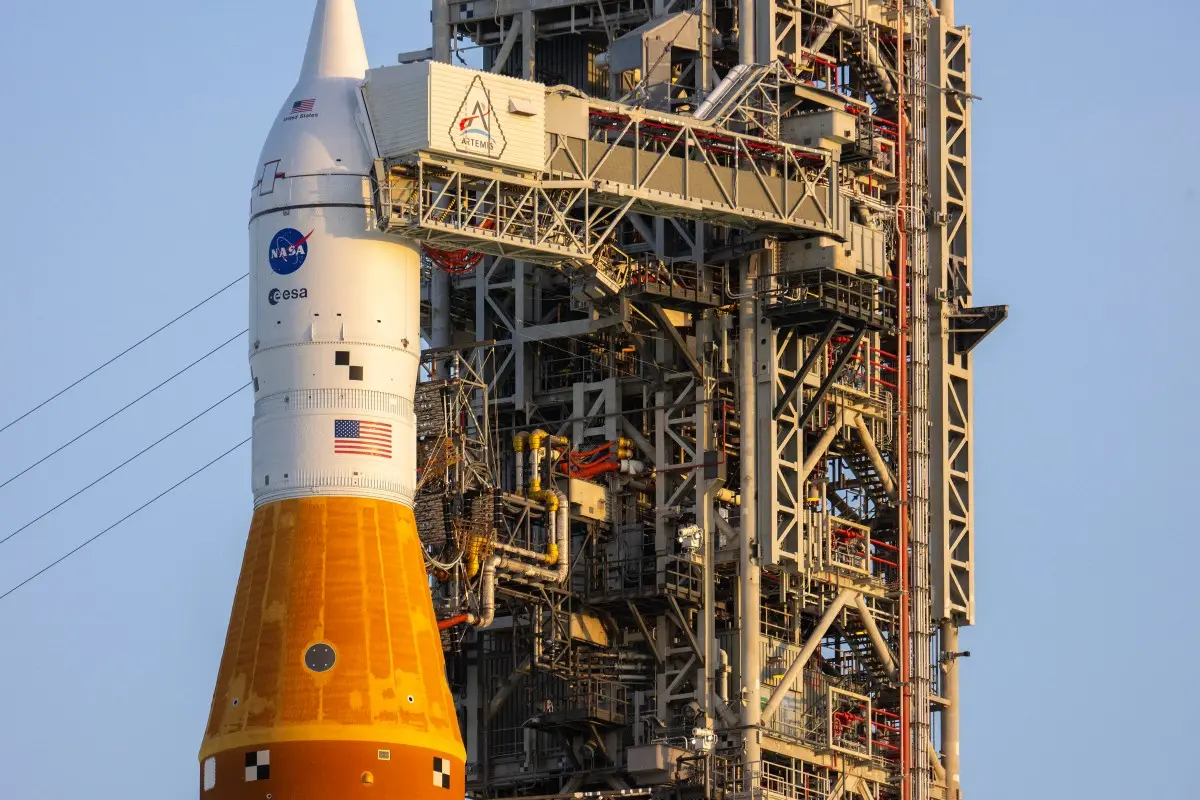
Pushing Past the Far Side
Unlike previous missions that stopped when they reached lunar orbit, Artemis II is a dynamic flyby. The four astronauts will not land or orbit; instead, they will swoop around the Moon and fly an estimated 7,400 to 9,600 kilometers (4,600 to 6,000 miles) beyond the lunar far side. This pushes them into a region of deep space humanity hasn't touched in half a century.
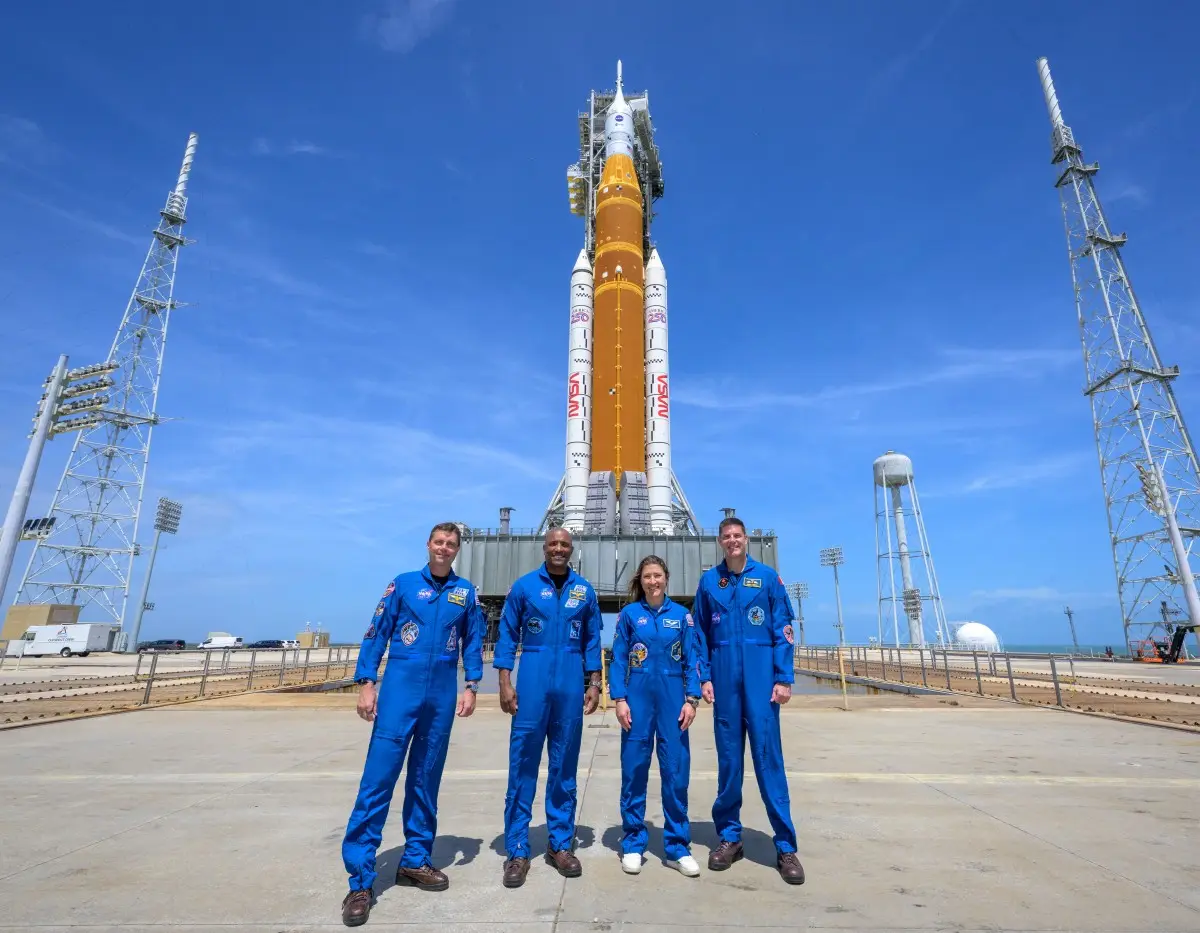
Shattering Apollo's Deep Space Record
By extending their trajectory past the far side of the Moon, the Artemis II crew is expected to reach a maximum distance of over 400,000 kilometers (approx. 250,000 miles) from Earth. This monumental distance will shatter the previous deep-space record for a crewed spacecraft, famously set by the Apollo 13 mission in 1970 when an emergency maneuver forced them to loop widely around the Moon to survive.
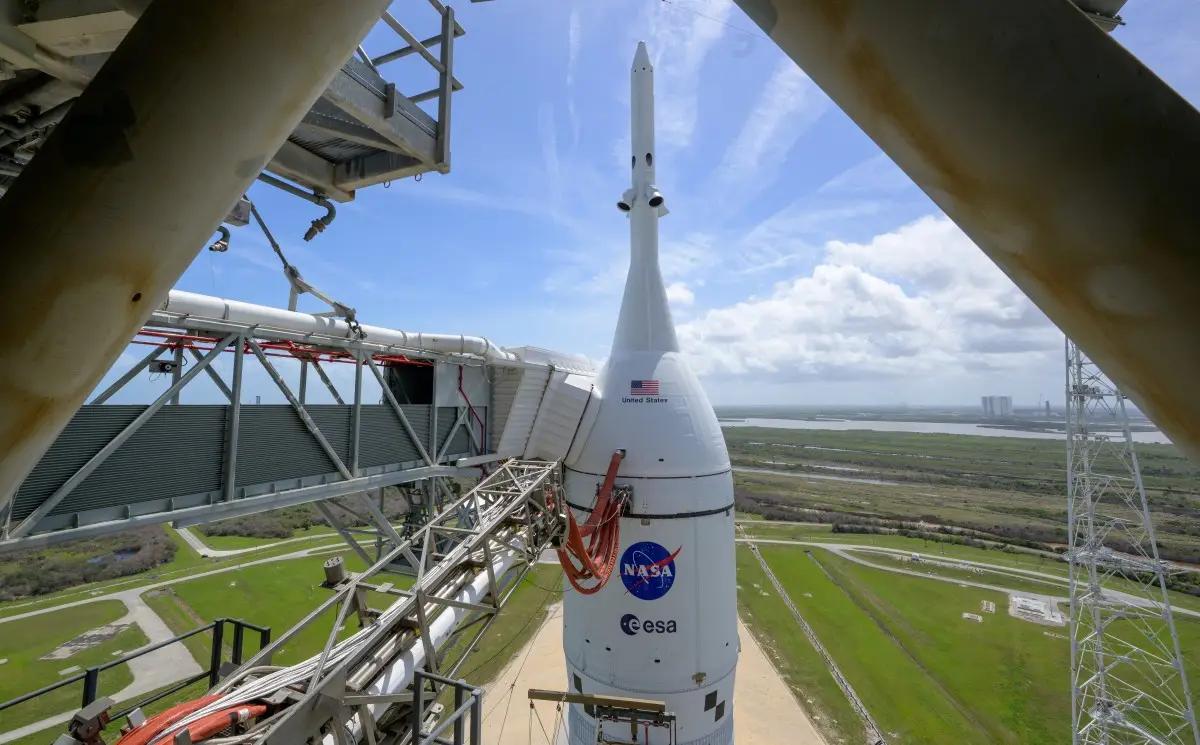
The 1.1 Million-Kilometer Loop
While the straight-line distance away from Earth maxes out at just over 400,000 km, the actual odometer on the Orion spacecraft will be spinning much faster. Tracing a massive, looping path from launch to splashdown, the total distance traveled by the astronauts over their 10-day mission will exceed an astonishing 1.1 million kilometers (roughly 685,000 miles).

The 'Free-Return' Slingshot
To cover this immense distance efficiently, NASA relies on the laws of physics rather than carrying massive amounts of extra fuel. The spacecraft is flying on a “free-return trajectory.” It is precisely aimed so that the Moon's gravity catches Orion, whips it around the far side in a giant figure-eight, and acts as a natural slingshot to fling the capsule all the way back to Earth.
Cruising at Extreme Speeds
You cannot travel 1.1 million kilometers in just 10 days by moving slowly. To break free of Earth's lower orbit, the rocket's upper stage fired the capsule outward at a blistering 40,000 km/h (24,500 mph). As they coast toward the Moon, Earth's gravity slowly acts like a brake, slowing them down before the Moon slingshots them back, accelerating them to a terrifying Mach 32 (nearly 40,000 km/h) for their fiery re-entry.
Why Fly So Far Just to Come Back?
Pushing Orion 400,000 km away from Earth is the ultimate stress test. At this extreme distance, communication takes longer, solar radiation is intense, and quick emergency rescues are completely impossible. NASA must prove that Orion's navigation, communication, and life-support systems can function flawlessly in this deep-space wilderness before they clear astronauts to attempt a lunar landing on Artemis III.
)
)
)
)
)