'295 days at sea': How USS Abraham Lincoln broke its own world record, twice

The USS Abraham Lincoln (CVN-72) is the aircraft carrier famous for hosting President George W. Bush's ‘Mission Accomplished’ speech in 2003, after a staggering 290-day deployment that was already the longest in nuclear carrier history.
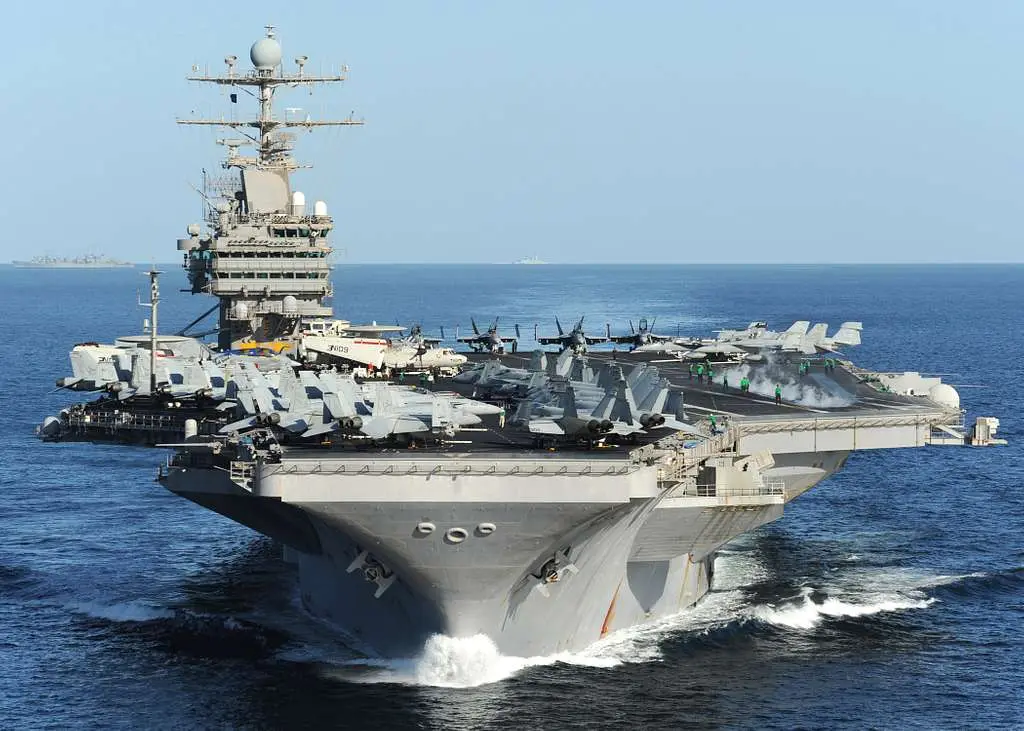
The Ship Behind 'Mission Accomplished' — And A Record Nobody Noticed
On May 1, 2003, President George W. Bush landed on USS Abraham Lincoln's flight deck in a Lockheed S-3B Viking and declared major combat operations in Iraq over. The iconic ‘Mission Accomplished’ banner was actually the crew's own idea, they asked the White House to have it professionally made. What most headlines missed: the carrier had already been at sea for 290 days, setting the record for the longest deployment of any nuclear-powered aircraft carrier in U.S. history. The ship had launched 16,500 combat sorties and dropped 1.6 million pounds of ordnance during Operation Iraqi Freedom before Bush ever stepped aboard.
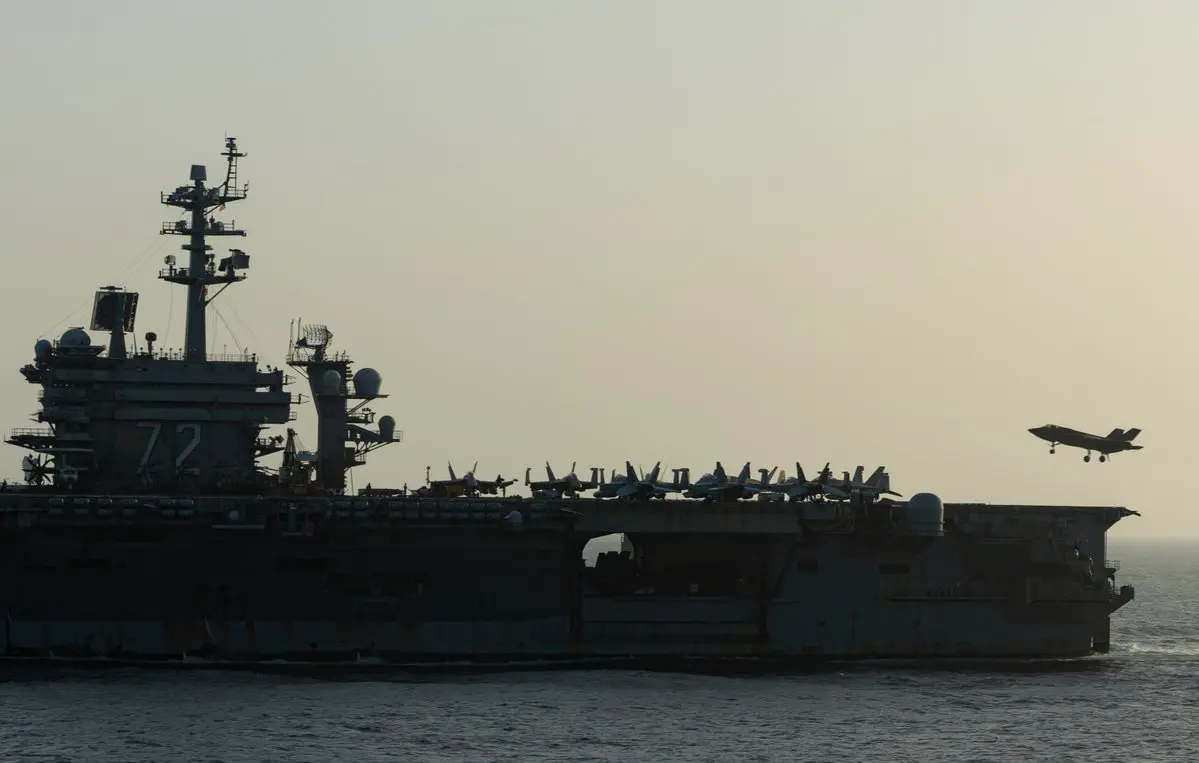
Iran Tensions And A Broken Sister Ship: How 2019 Turned Into A Marathon
In April 2019, Abraham Lincoln departed for what was planned as a standard six-month deployment to the Middle East. The first extension came in May 2019 when the Pentagon cited escalating Iranian threats and ordered the carrier to remain in the region, her presence was meant to deter Iranian aggression. Then, in October 2019, USS Harry S. Truman suffered a catastrophic electrical malfunction and was forced out of the region. Abraham Lincoln, already exhausted from months at sea, had to stay and cover Truman's area of responsibility as well, compounding a deployment that showed no signs of ending.
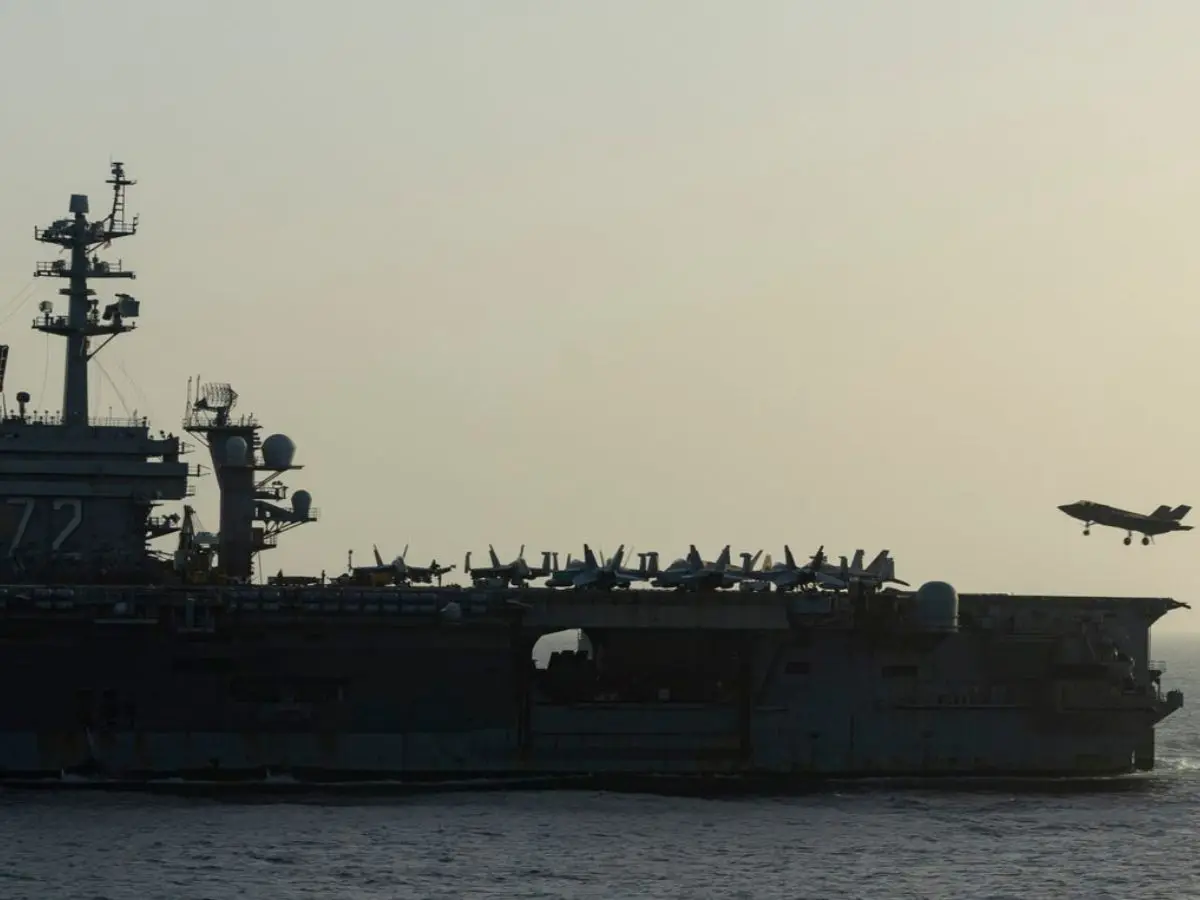
295 Days: Breaking Its Own Record By Five Days
USS Abraham Lincoln finally arrived at her new homeport of Naval Air Station North Island, San Diego, on January 20, 2020, after 295 consecutive days at sea. She had surpassed her own 2003 record by exactly five days, making her the only carrier in U.S. naval history to hold the post-Cold War deployment record twice over. The crew of approximately 5,680 sailors and airmen 3,200 ship's company plus 2,480 air wing personnel — had spent nearly ten months away from their families. Morale support programs were deployed, and the Navy publicly acknowledged the exceptional strain on the crew.
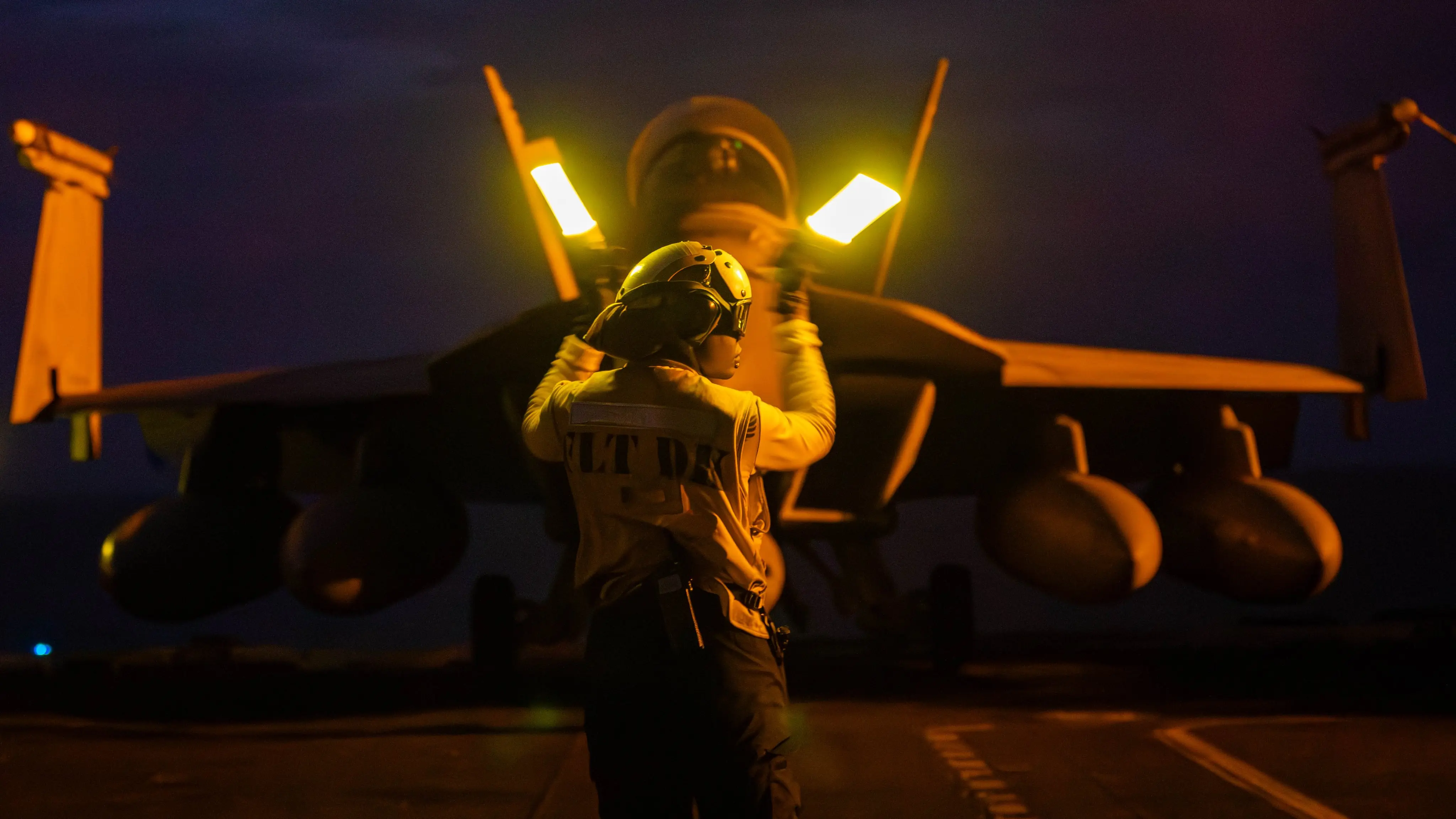
Nuclear Power: Why She Could Stay That Long Without A Single Refuelling Stop
What made such marathon deployments physically possible is Abraham Lincoln's nuclear heart. Two Westinghouse A4W reactors drive the carrier with 260,000 shaft horsepower and a theoretical range of unlimited nautical miles. The ship does not stop for fuel ever. Unlike conventionally powered vessels that must return to port or rendezvous with tankers regularly, Abraham Lincoln's reactors can sustain high-speed operations for 20 to 25 years between refuelling overhauls. Her only lifetime refuelling, completed in 2017 after a four-year Refuelling and Complex Overhaul costing approximately $3 billion, consumed 2.5 million man-hours of work.
16,500 Sorties, 1.6 Million Pounds Of Ordnance: The Scale Of Iraqi Freedom
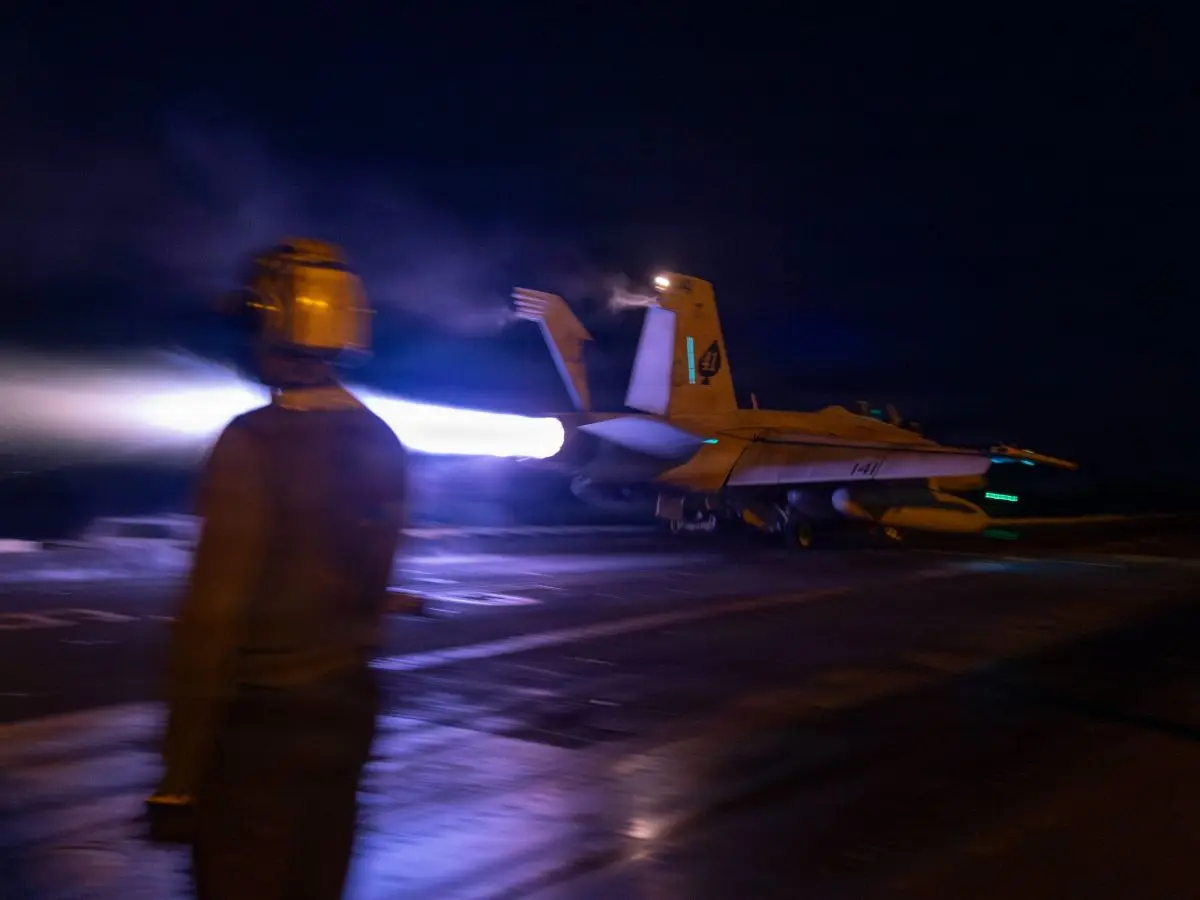
The numbers behind Abraham Lincoln's 2003 deployment are staggering in their own right. Her air wing flew 16,500 combat sorties during Operation Iraqi Freedom, an average of roughly 57 sorties every single day over the deployment. The carrier launched strikes deep into Iraq, with pilots flying missions that sometimes lasted several hours round-trip. Sea Control Squadron 35, operating from the deck, conducted one of the largest aerial refuelling undertakings by a carrier aviation squadron in recorded history, delivering over one million pounds of fuel to strike aircraft during the campaign.
A Gonzaga Basketball Game And A Vampire Film: Life Aboard A Record-Breaker
Abraham Lincoln's extraordinary career has produced moments of absurdity alongside its martial achievements. In November 2022, the carrier hosted a college basketball game on its flight deck, Gonzaga defeated Michigan State 64-63 in a game watched by thousands of sailors at sea. In 2012, while deployed to the Middle East, 1,800 of her crew watched the world premiere of the film ‘Abraham Lincoln: Vampire Hunter’ the first time a major motion picture debuted for troops deployed in a war zone. The ship that hosted a presidential ‘Mission Accomplished’ declaration also hosted a film about its namesake hunting the undead.

The Darkest Irony: The 'End Of War' Ship That Never Stopped Going Back
The supreme irony of USS Abraham Lincoln's legacy is written in deployment orders. The ship chosen to host the announcement that the Iraq War's combat phase was ‘over’ in May 2003 has been in near-continuous operational service ever since returning to the Middle East, the Pacific, and the Indian Ocean on deployment after deployment. Rather than being the ship that ended America's wars, Abraham Lincoln became one of the most continuously deployed carriers in the modern U.S. Navy, breaking its own records not once but twice and spending more consecutive days at sea than any nuclear carrier in the post-Cold War era.
)
)
)
)
)