250 km/h? How fast do fighter jets land on USS Abraham Lincoln

Fighter jets land on the USS Abraham Lincoln at speeds of around 240 to 250 km/h. Using a tailhook and arresting wires, the aircraft is brought to a complete halt in just two seconds on a 315-foot deck.
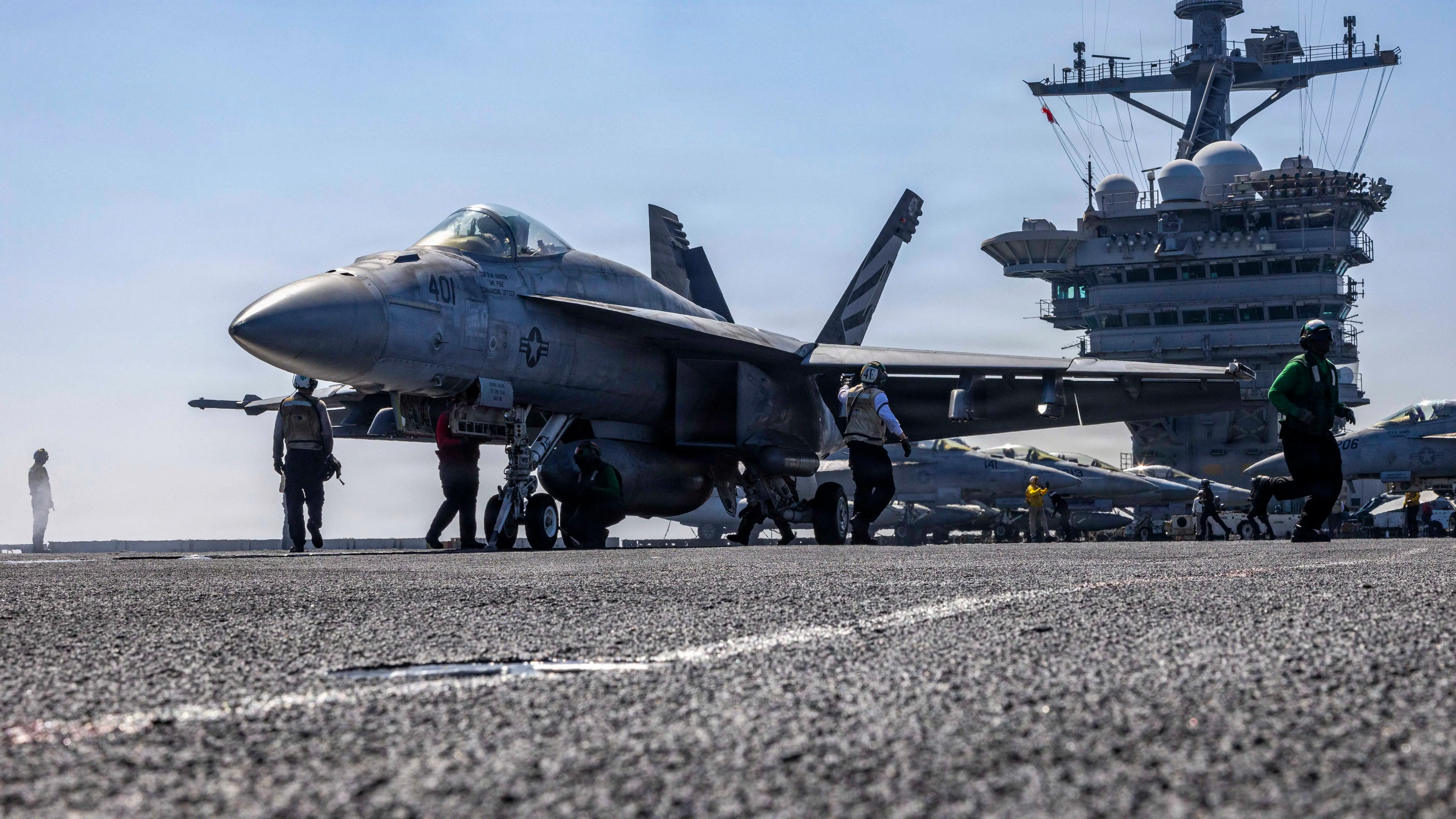
The approach speed
Fighter jets like the F/A-18 Super Hornet approach the USS Abraham Lincoln at speeds between 240 and 250 km/h. Pilots maintain this high speed to ensure the aircraft remains stable against ocean winds.
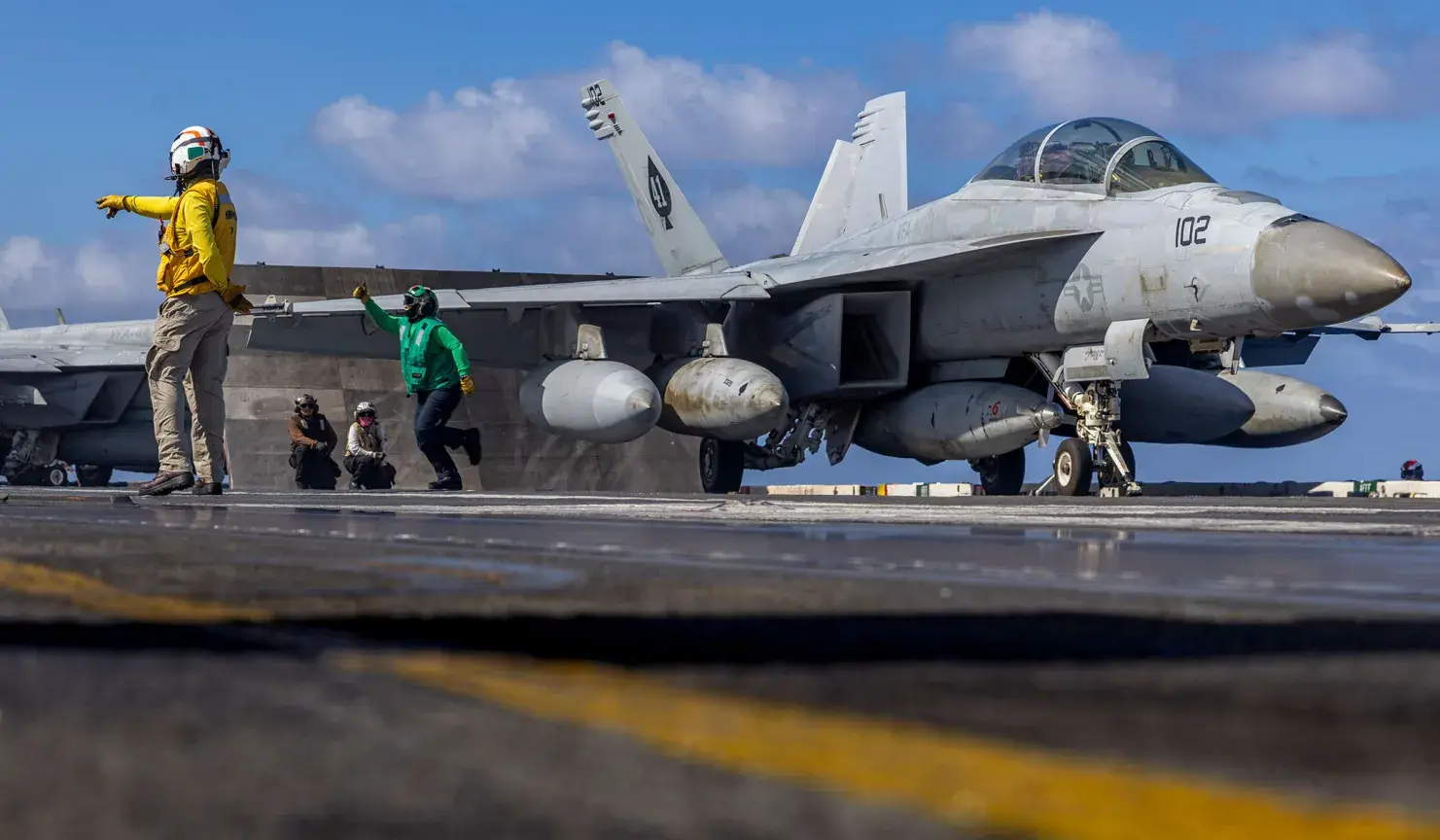
The short runway
Unlike commercial airports with lengthy tarmac, the landing area on a Nimitz-class carrier is only about 315 feet long. This incredibly short distance requires absolute precision upon touchdown.
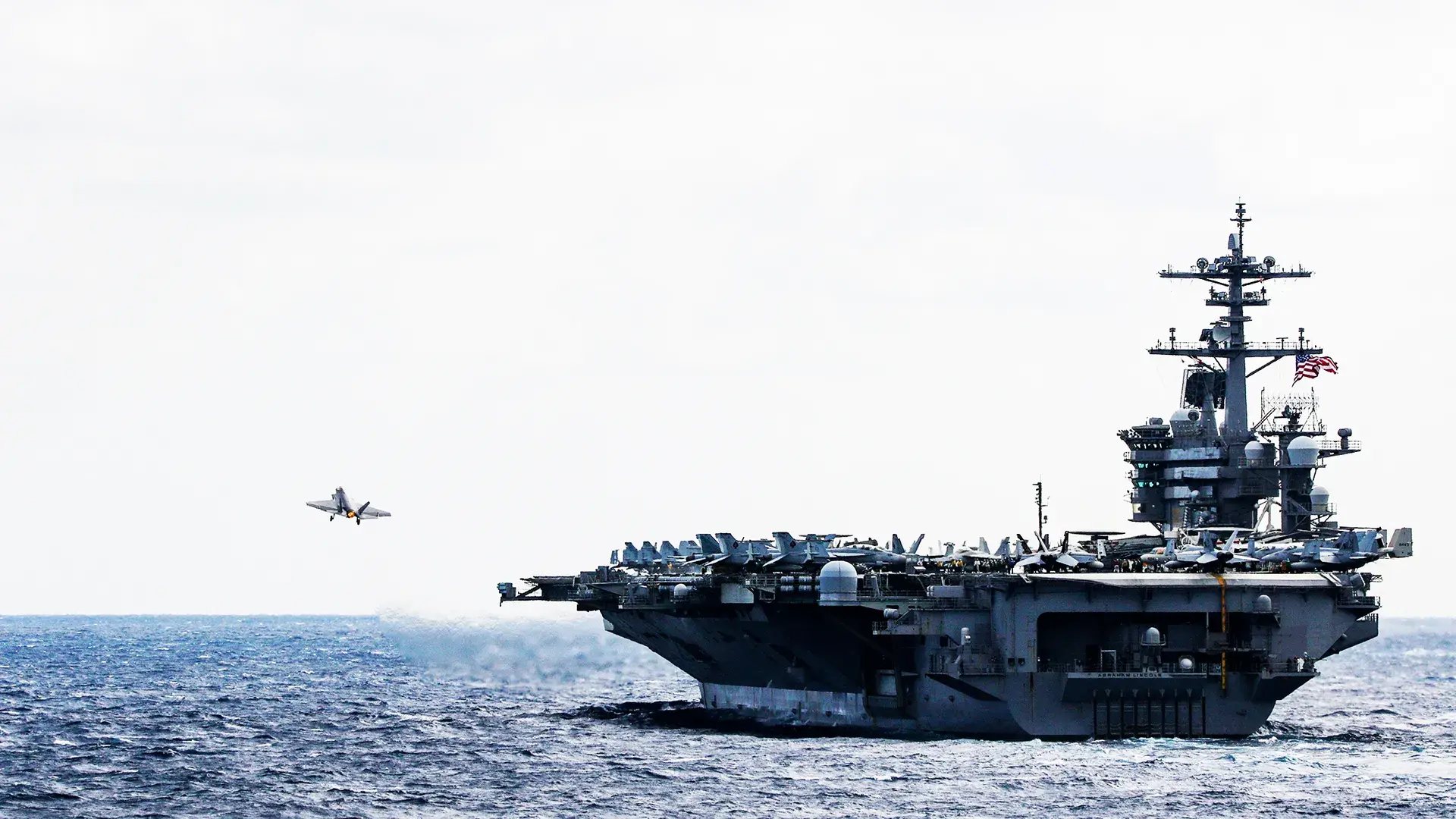
The arresting wires
To stop the aircraft, the carrier's deck is equipped with high-tensile steel arresting wires. The pilot uses a steel tailhook attached to the rear of the jet to snag one of these cables.
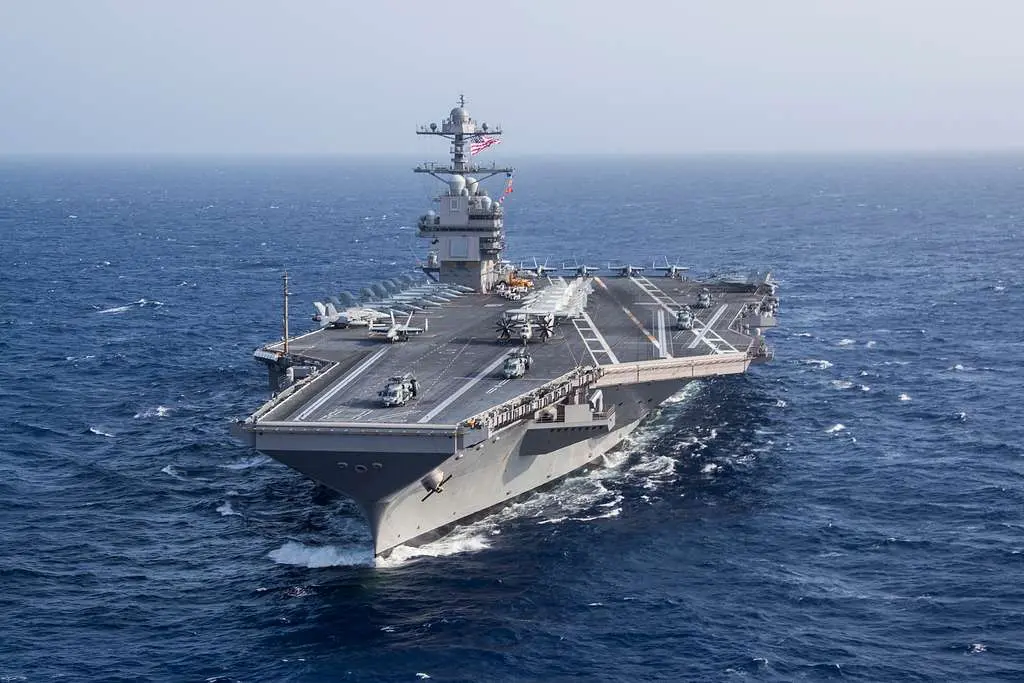
Targeting the third wire
Navy pilots specifically aim for the third wire out of the four available on standard carrier decks. Catching this specific wire offers the safest and most reliable stopping distance.
The two-second stop
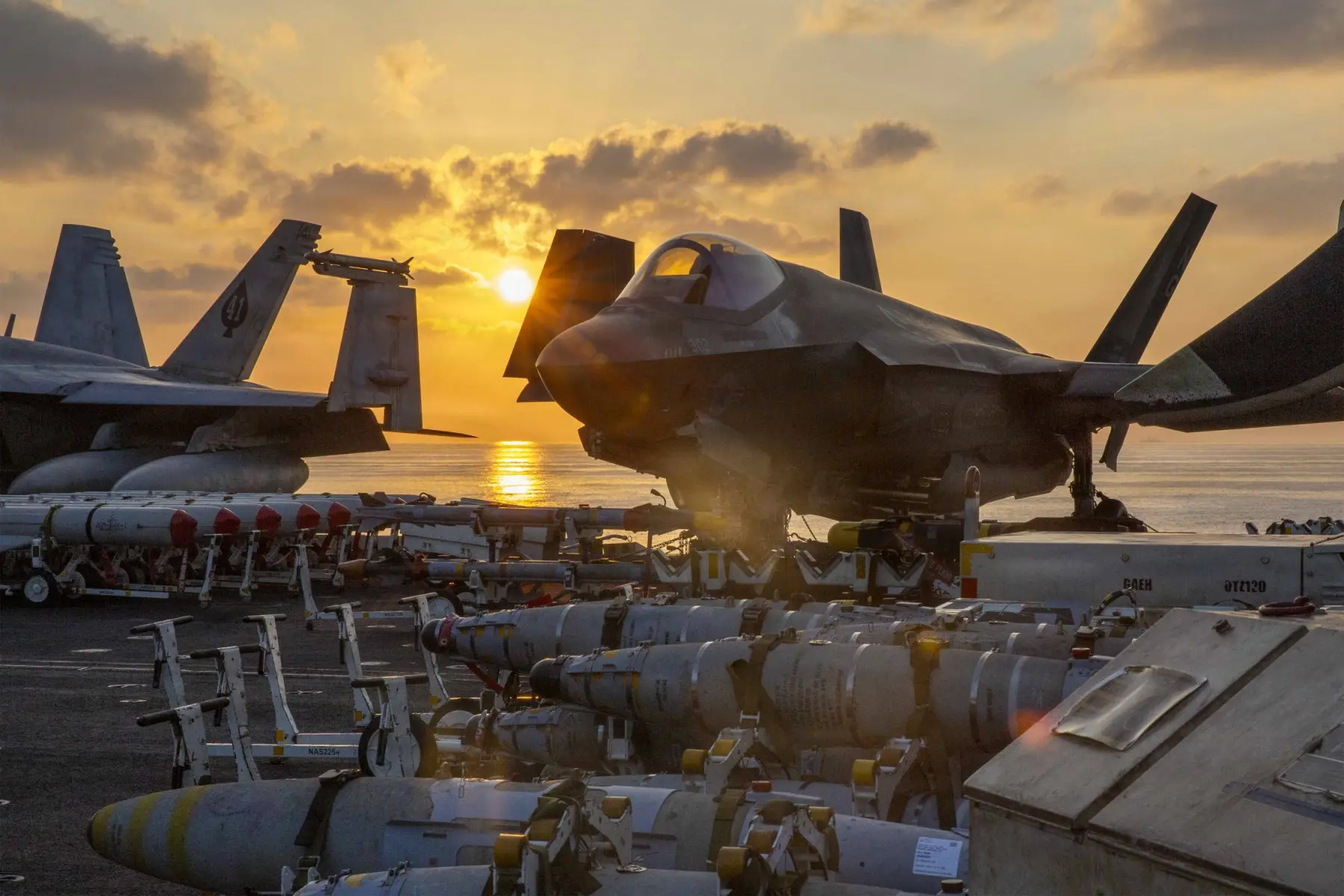
Once the tailhook snags the wire, massive hydraulic engines beneath the deck absorb the energy. This system brings a 20,000-kilogramme jet from 240 km/h to a dead stop in just two seconds.
Full throttle on touchdown
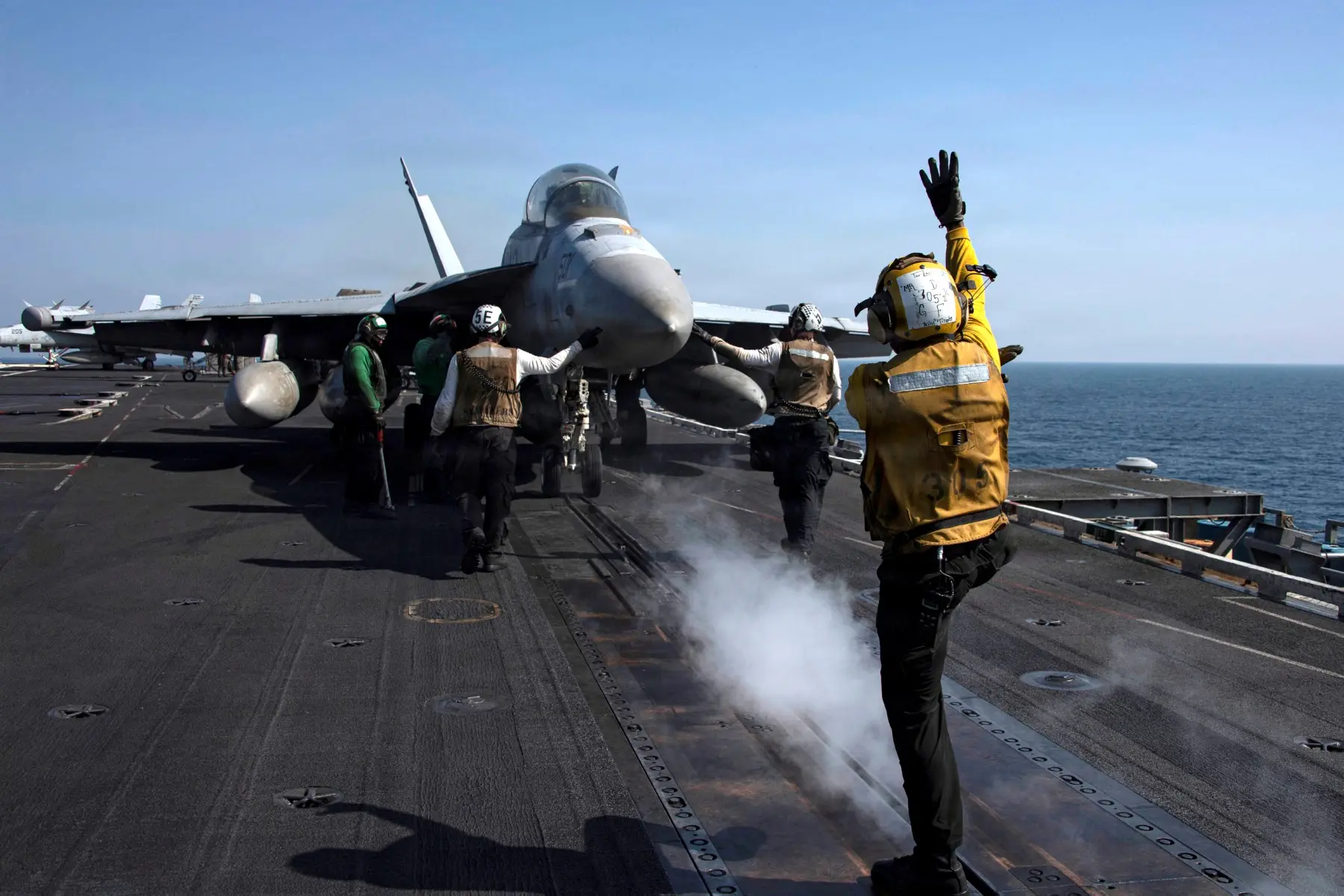
Counterintuitively, pilots push their engines to full military power the exact moment they touch the deck. This provides enough thrust to take off again if the tailhook fails to catch a wire.
The bolter scenario
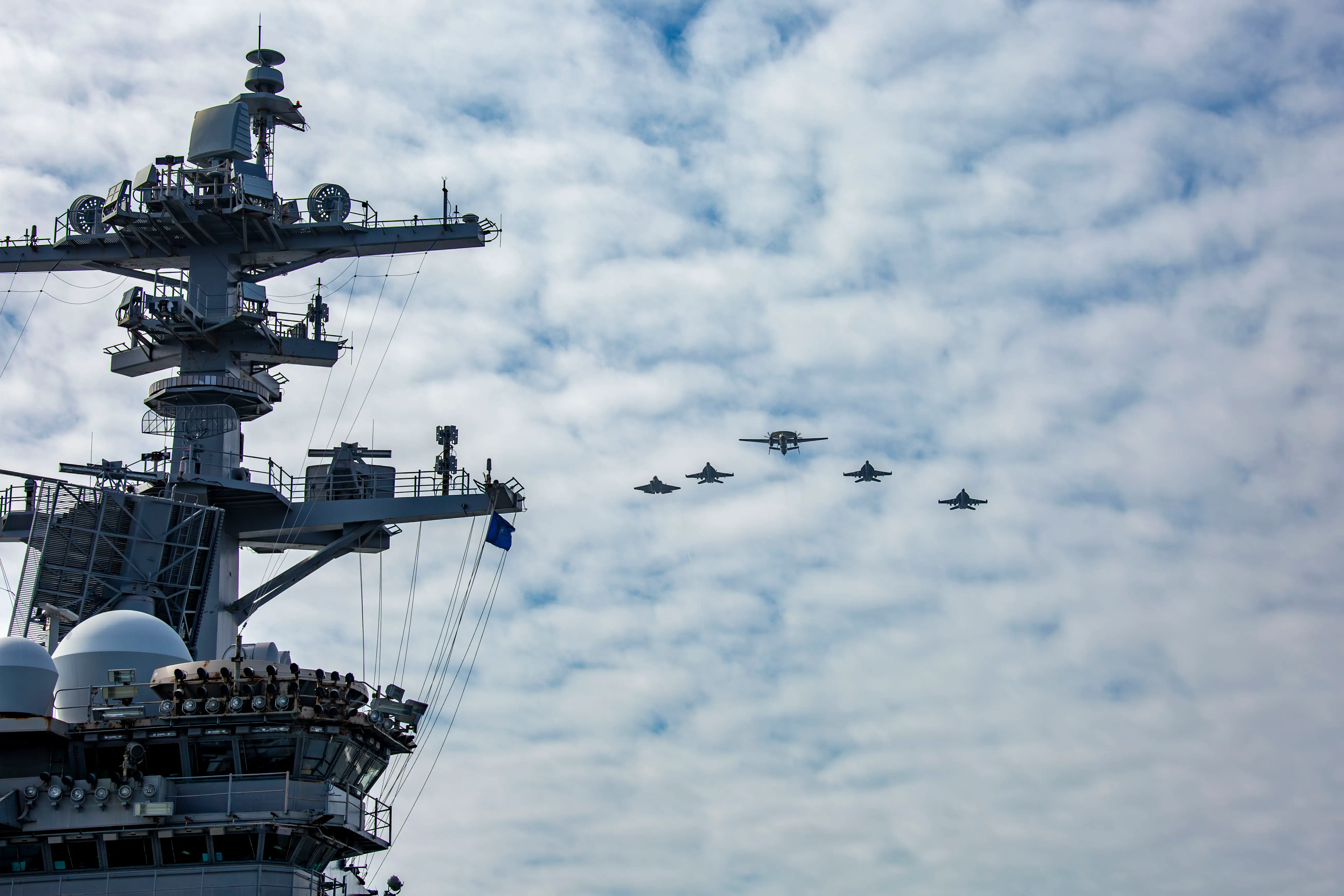
If a jet misses all the arresting wires, it is called a 'bolter'. Because the engines are already at full throttle, the pilot simply flies off the edge of the ship and circles back for another attempt.
)
)
)
)
)