'25 times more powerful than supernovae': Astronomers identify the brightest blast since Big Bang

Edited By Subhadra Srivastava
Published: Jun 06, 2025, 14:47 IST | Updated: Jun 06, 2025, 14:47 IST
Termed extreme nuclear transients (ENTs), these events could the most energetic cosmic explosions observed since the Big Bang.
1 / 6
(Photograph: NASA)
A New Class of Celestial Phenomenon
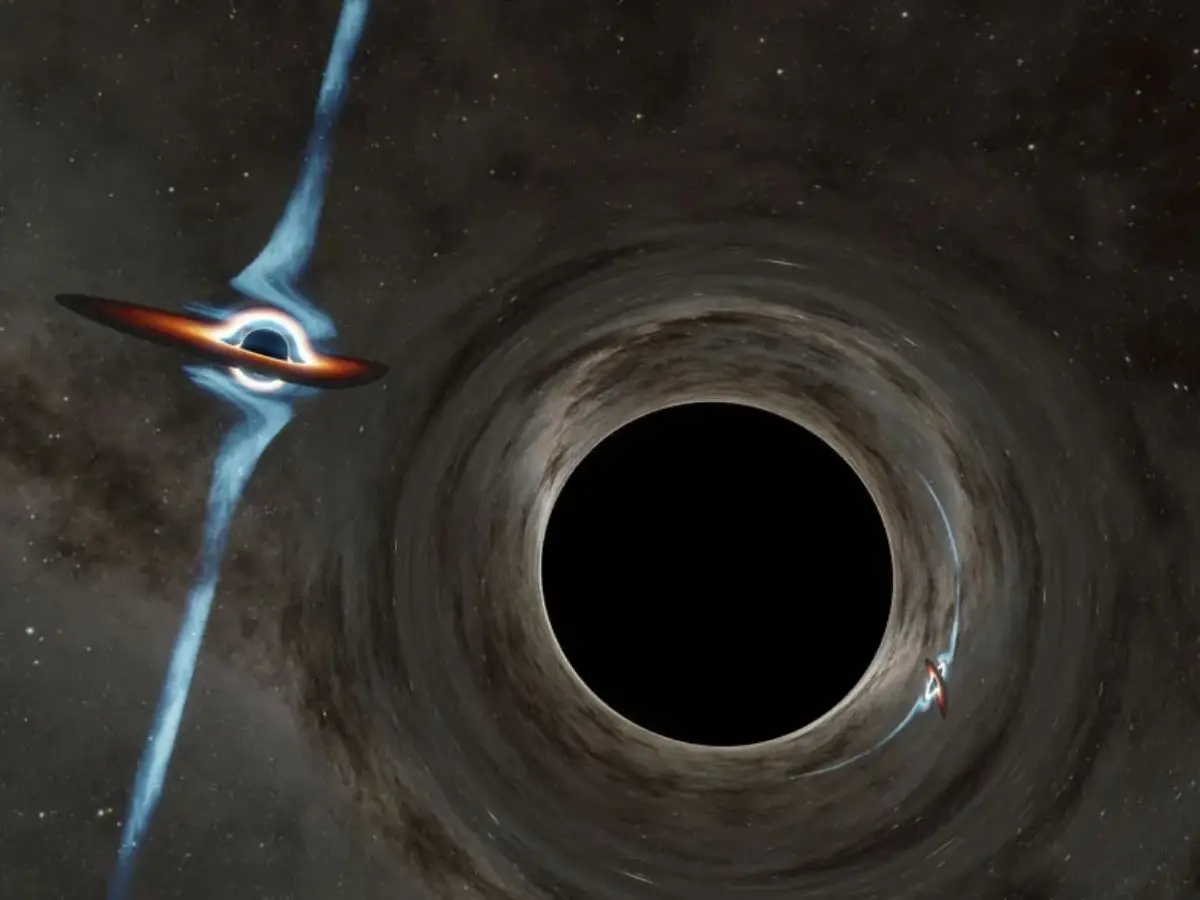
Astronomers from the University of Hawaii's Institute for Astronomy have identified an unseen and unknown class of stellar explosions, marking a significant development in the field of cosmic research. Termed extreme nuclear transients (ENTs), these events could the most energetic cosmic explosions observed since the Big Bang.
2 / 6
(Photograph: NASA)
Star Meets Black Hole
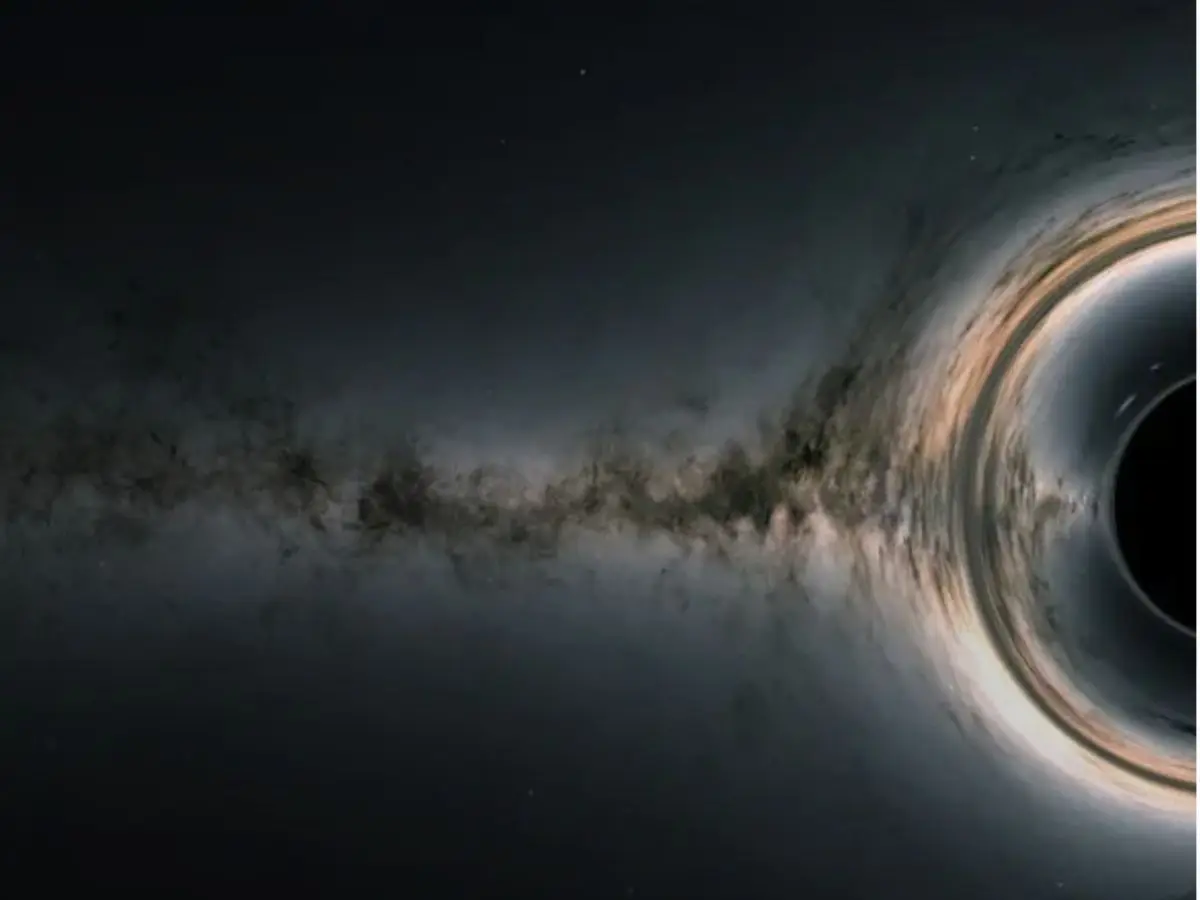
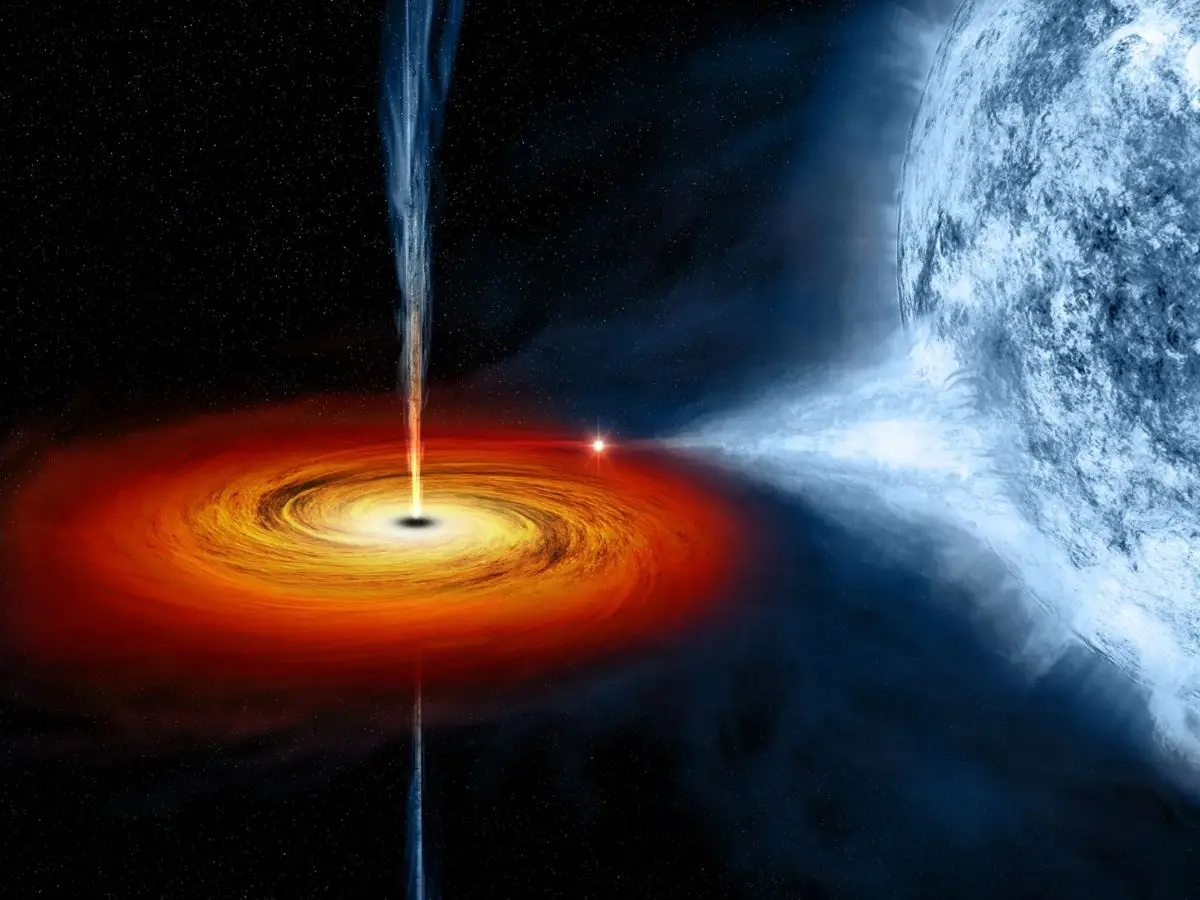
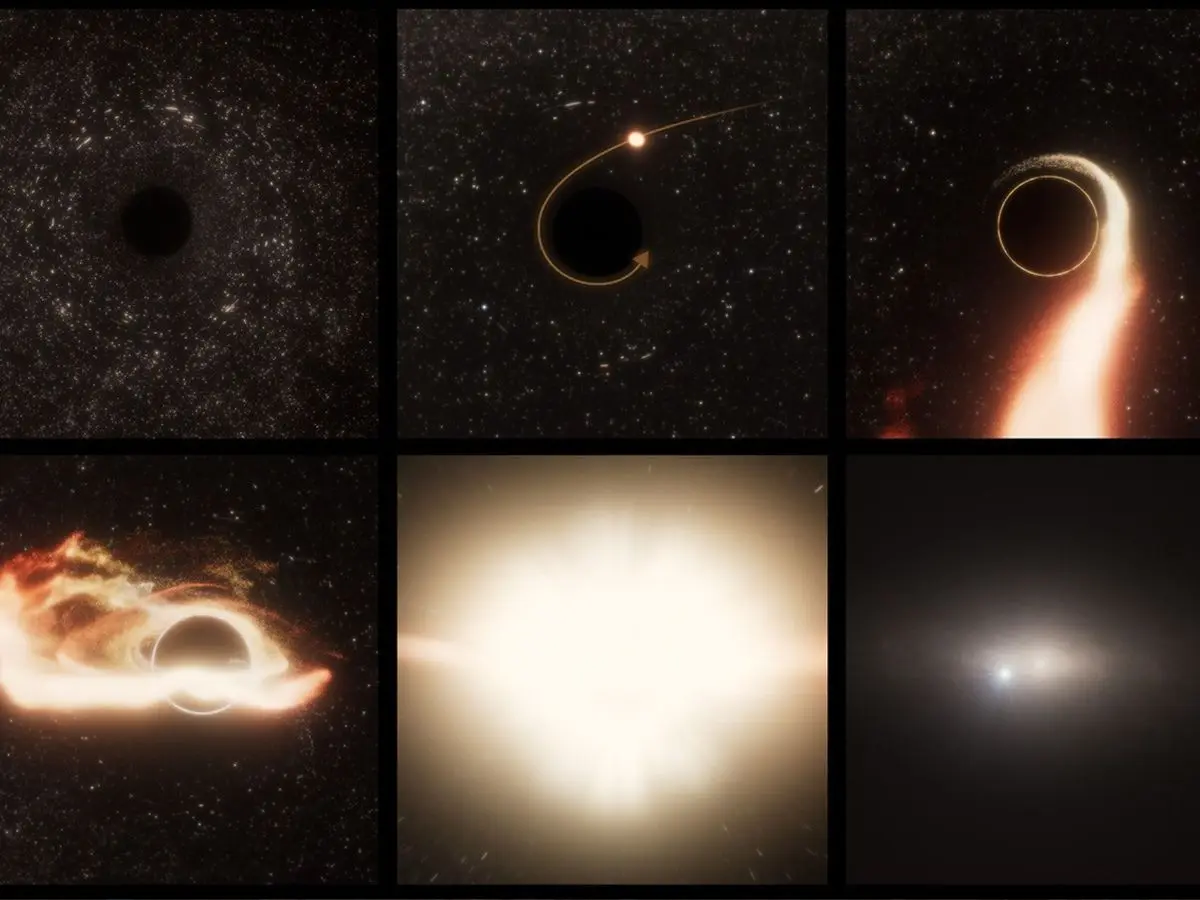
ENTs occur when giant stars of mass at least three times of the Sun, stray too close to a supermassive black hole at the heart of a distant galaxy. The immense gravitational pull of the black hole tears the stars apart, hence triggering a release of energy which is far beyond that of known supernovae or previously observed tidal disruption events (TDEs).
3 / 6
(Photograph: NASA)
More Than Just a Tidal Disruption
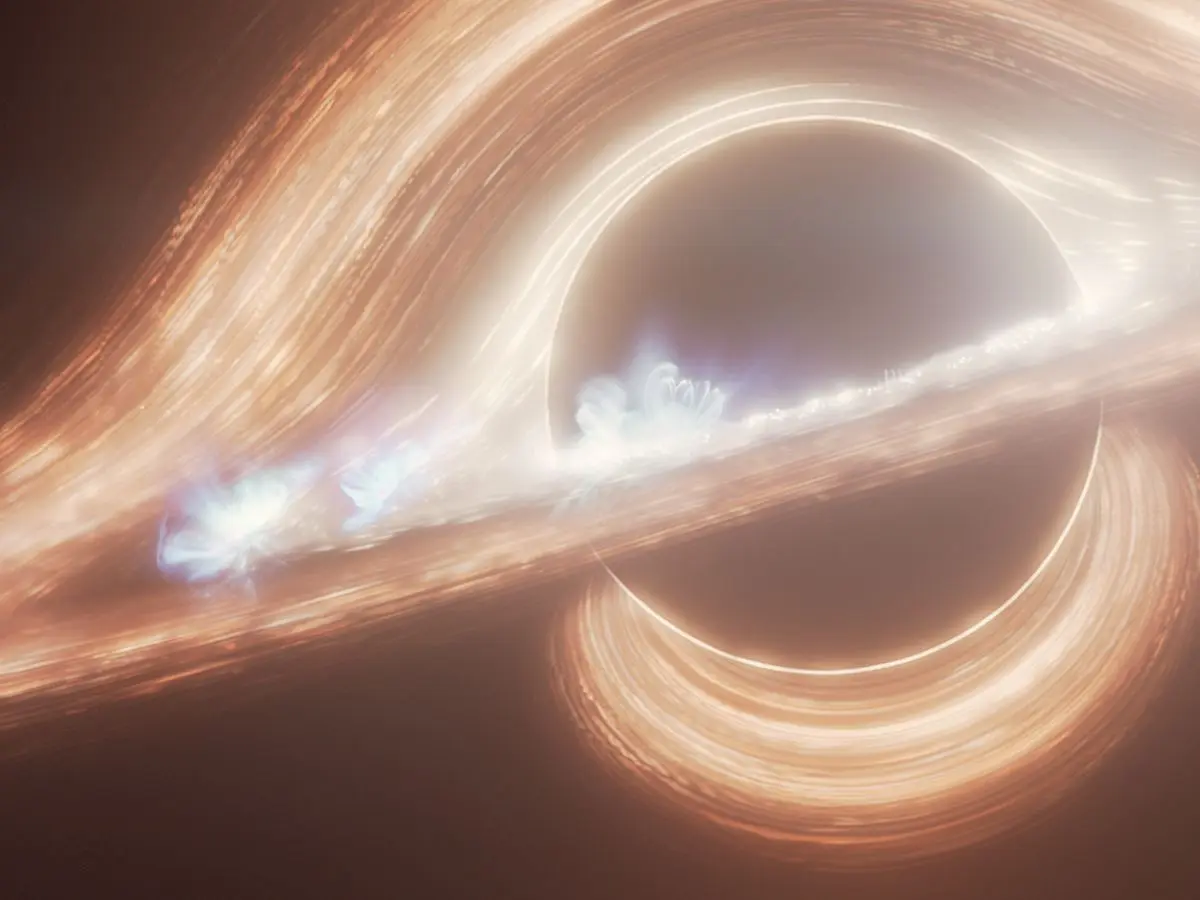
While the tidal disruption events have been documented for over a decade, ENTs differ from them markedly. According to lead researcher Jason Hinkle, ENTs shine close to ten times brighter than typical TDEs and they also maintain that luminosity for years. Hence, what sets them apart is this duration and intensity, prompting astronomers to categorise them as a new type of transient phenomenon.
4 / 6
(Photograph: NASA)
A Discovery Hidden in the Data
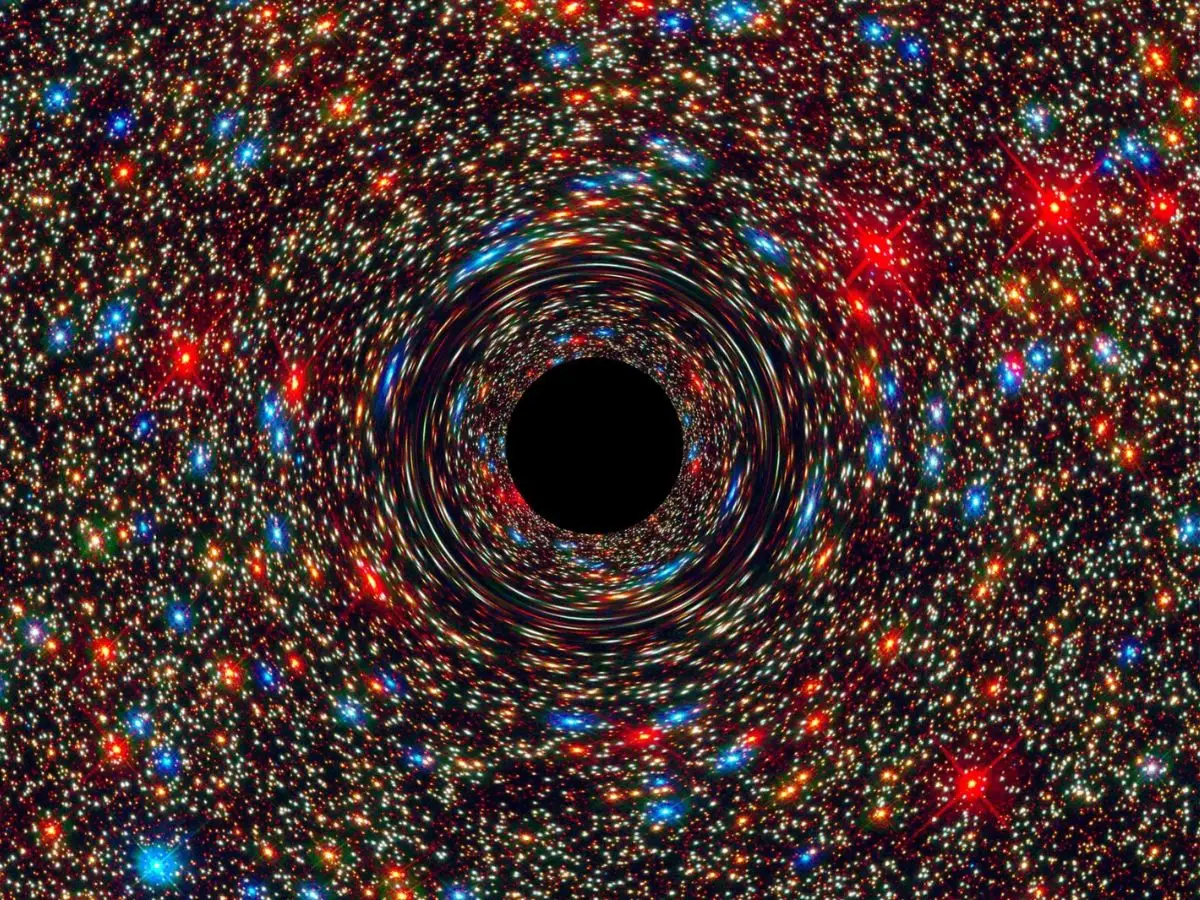
Recently scientists, using the data from NASA, the European Space agency (ESA) and various other ground-based telescopes, recorded about three rare events in which supermassive black holes consumed giant stars, releasing more energy than 100 supernovae. Hinkle first detected these unusual events while analysing long-lasting flares in data from the European Space Agency’s Gaia mission. The two flares from 2016 and 2018 stood out due to their extended brightness. A third similar event, recorded by the Zwicky Transient Facility in 2020, reinforced the notion that these were not conventional stellar deaths.
5 / 6
(Photograph: NASA)
Unprecedented Energy Output
Among the most striking examples is Gaia18cdj, which emitted over 25 times more energy than the most powerful supernova which was ever recorded. To put this into perspective, ENTs can radiate the energy of about 100 suns over a single year. This is an amount that far exceeds the lifetime output of typical stellar explosions.
6 / 6
(Photograph: NASA)
Shedding Light on Galactic Cores
These findings have not only expanded the catalogue of known astronomical events but they also offer new insights into the turbulent environments and unpredictable nature of supermassive black holes. The smooth, long-lasting flares are results of complex interactions between stellar matter and black hole accretion processes that are still not fully understood. The discovery of ENTs opens the door to deeper investigations into the life cycles and behavior patterns of galaxies and the extreme physics at play in their centres.
)
)
)
)
)